
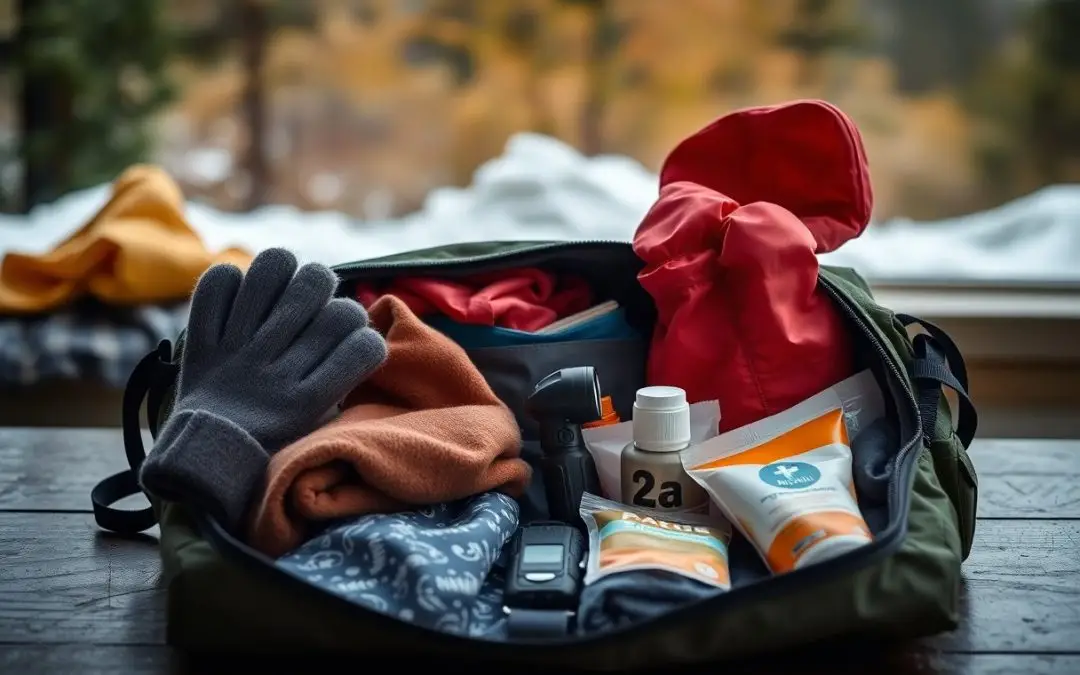
Most people overlook the importance of adjusting their go bag as seasons change, which can lead to being unprepared for unexpected situations. To ensure you have the right supplies for varying weather conditions, it’s necessary to regularly assess and update your go bag. In this guide, you will learn effective strategies to swap out items according to the season, keeping your bag versatile and functional all year round.
Understanding Seasonal Swaps
Adjusting your go bag for seasonal changes ensures you’re prepared for various weather conditions. Each season brings unique challenges, from frigid temperatures and snow in winter to the heat and humidity of summer. Your go bag should reflect these variations to keep you safe and comfortable in any situation. Regularly reassessing your gear allows you to replace expired items, like medications, and include season-specific necessities, ensuring you are always ready for unpredictable conditions.
How to Identify Seasonal Weather Patterns
Stay informed about your local climate by following weather forecasts and historical data. Familiarize yourself with seasonal temperature ranges, precipitation patterns, and potential natural disasters unique to your area. For example, coastal areas may experience hurricanes in late summer, while mountainous regions face heavy snowfall in winter. Utilizing apps or websites can help you track these patterns effectively and adjust your go bag accordingly.
Tips for Assessing Your Environment
Begin by observing the specific characteristics of your environment throughout the year. Evaluate typical seasonal changes, such as length of daylight and humidity levels. Local flora or fauna can also serve as indicators; for instance, if certain plants bloom earlier in spring, you may need lighter gear sooner than expected. Understanding these elements will guide you in making timely modifications to your preparedness strategy.
- Monitor daily temperature and weather conditions.
- Track changes in local wildlife activity and vegetation.
- Consult local resources for emergency preparedness tips.
- Recognizing how these factors impact your go bag will enhance your readiness.
Taking an active role in assessing your environment continuously prepares you for any situation. Engage with community groups or local experts who share insights about seasonal changes and challenges. Consider participating in local disaster preparedness workshops to further expand your knowledge and resources on effectively adapting your supplies to your surroundings.
- Network with local groups for insights and experiences.
- Practice seasonal activities to better understand environmental changes.
- Document your observations to refine your assessment process.
- Recognizing these patterns can significantly impact your go bag strategy.
Essential Items for Your Go Bag
Your go bag should be tailored to the seasonal demands you’ll face, equipped with items that ensure survival and comfort. Consider necessarys such as a reliable multi-tool, medical supplies, food rations, and water purification methods. Each of these items plays a pivotal role in ensuring that you’re prepared for unexpected situations, regardless of the weather. Regularly assess and update your supplies to match seasonal changes, ensuring you have the right tools to navigate the outdoors safely.
How to Choose Weather-Appropriate Clothing
Select clothing based on your location’s climate and season. Layering is the key; start with moisture-wicking base layers, add insulating mid-layers, and finish with waterproof outer layers. For colder seasons, prioritize thermal materials and windproof shells. In warmer months, lightweight, breathable fabrics are necessary. Always include extras like gloves, hats, and socks in your bag, as small items can make a significant difference.
Tips for Selecting Seasonal Gear
- Assess the specific weather patterns in your region.
- Consider the length of time you’ll be outdoors.
- Factor in your personal comfort and mobility needs.
- Choose multi-functional gear to minimize weight.
- Assume that challenges may arise regardless of the forecast.
Choosing seasonal gear requires a blend of functionality and comfort. For instance, in colder climates, invest in insulated, compact sleeping bags that withstand freezing temperatures. Elevate your gear’s versatility by selecting items with multiple uses, such as a tarp that can serve as a ground cover or a poncho that doubles as a shelter. Understanding your environment allows you to pick equipment that optimizes your experience and ensures you’re equipped for any surprise in the weather.
- Prioritize lightweight, compact options for ease of transport.
- Test your gear before relying on it in a situation.
- Invest in durable materials that withstand wear and tear.
- Check compatibility with other items in your go bag.
- Assume that conditions may worsen, requiring more robust solutions.
Factors to Consider for Seasonal Adjustments
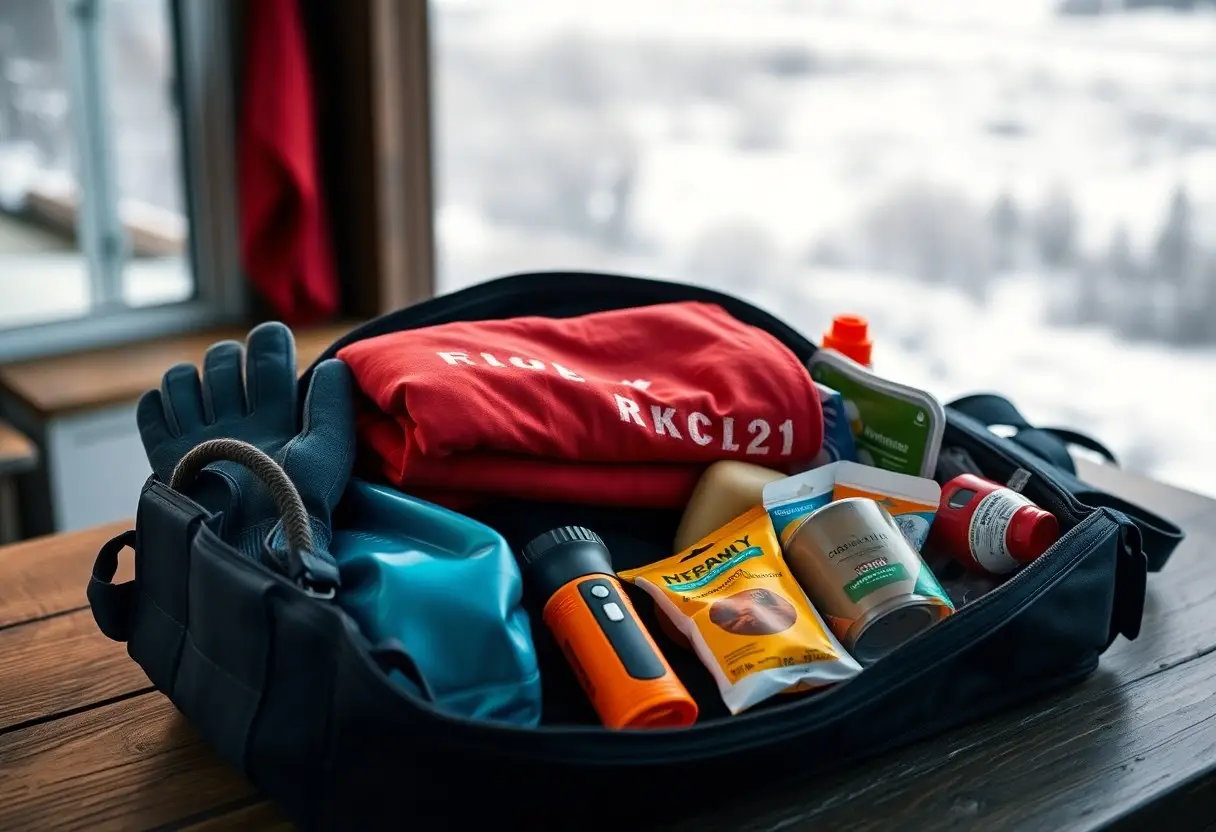
Seasonal adjustments to your go bag hinge on various factors, such as climate, geography, and personal needs. Evaluate your location’s specific weather patterns and how they influence your necessary supplies. Consider items like clothing layers, food types, and versatile tools that adapt well to fluctuating conditions. Assess your lifestyle and any activities that may affect your requirements during different seasons.
- Local climate and weather forecasts
- Personal health considerations
- Planned activities and locations
Knowing these factors helps you prepare effectively for weather changes throughout the year.
How to Evaluate Temperature and Precipitation Trends
Analyzing local temperature and precipitation trends involves reviewing historical weather data and seeking projections that inform your preparedness. Consider maximizing safety and comfort by adjusting your go bag items according to these assessments.
Table of Temperature and Precipitation Trends
| Season | Average Temperature/Precipitation |
|---|---|
| Spring | Cool; moderate rain |
| Summer | Hot; potential storms |
| Fall | Chilly; variable rainfall |
| Winter | Cold; snow in some areas |
Tips for Anticipating Environmental Changes
Anticipating environmental changes requires you to stay informed about forecasts and observe local signs. Leverage technology like weather apps and news outlets to grasp impending shifts in conditions that might necessitate adjustments to your go bag supplies.
- Monitor seasonal weather alerts
- Track local wildlife behaviors
- Follow community readiness initiatives
Recognizing these patterns further empowers you to tailor your go bag to changing seasonal needs and enhance your readiness for unexpected situations.
Stay vigilant, as environmental changes can manifest unexpectedly. Pay attention to nearby natural indicators, such as changing flora and fauna, and stay connected with local community resources that share weather-related updates. This insight will guide your decisions on what items to have ready in your go bag throughout the year.
- Be aware of unusual plant growth or animal migrations
- Evaluate emergency service announcements
- Utilize social media for real-time community updates
Recognizing these signs ensures you are always prepared for whatever nature may present.
How to Pack Your Go Bag for Different Seasons
Packing your go bag requires seasonal considerations to ensure you’re prepared for diverse situations. For winter, include insulated clothing and thermal blankets, while summer demands lightweight, breathable fabrics and extra hydration packs. Spring and fall should feature transitional clothing, versatile gear, and weather-appropriate tools. Tailoring content to each season enhances your ability to face climate challenges effectively.
Step-by-Step Packing Guide
Packing Steps
| 1. Assess the weather forecast | Determine necessary clothing and gear based on expected conditions. |
| 2. Choose the right container | Select a bag that fits all vital items while being portable. |
| 3. Layer your clothing | Pack versatile clothing items that can be layered for temperature control. |
| 4. Organize supplies by category | Group items like food, tools, and clothing for quicker access. |
Tips for Making Efficient Use of Space
Maximizing space in your go bag is vital for fit and functionality. Roll your clothes instead of folding to save space and reduce wrinkles. Utilize packing cubes to keep items organized and accessible. Compress bulky items, like sleeping bags, using compression sacks, and fill gaps with smaller vitals or food items for optimal efficiency. Thou shall strive for a well-organized, compact go bag.
- Utilize ziplock bags for smaller items.
- Stack items vertically to fit more into tighter spaces.
- Attach heavier items to the outside for better balance.
- Keep a list of what’s inside for easy reference.
- Thou shall create an inventory to avoid overpacking.
Further enhancing your space efficiency involves utilizing every corner of your bag. Lightweight items can double as cushions around heavier gear, ensuring balance and stability. Consider multi-functional tools and gear, further reducing the number of items you need to carry. A well-structured packing strategy will lead to smoother travels. Thou shall adapt your packing techniques as your go bag evolves through the seasons.
- Opt for collapsible containers to avoid unused volume.
- Prioritize vitals to minimize bulk.
- Employ carabiners to attach items externally.
- Evaluate your go bag’s total weight regularly.
- Thou shall keep your go bag updated with season changes.
Maintaining Your Go Bag
Regular maintenance of your go bag is important to ensure it remains effective and ready for use at all times. Schedule routine checks to inspect your supplies for expiration dates, functionality, and relevance to current weather conditions. Such diligence guarantees that your go bag will always provide you with the necessary support in an emergency, no matter the season.
How to Regularly Update Your Supplies
Establish a specific timeline to refresh your go bag, ideally every three to six months. During each update, check the status of food items, batteries, and any perishables. This practice not only keeps items viable but also allows you to reassess your needs based on any changes in your lifestyle or environment.
Tips for Checking and Rotating Items
Inspect your go bag thoroughly to check for damaged or expired items, replacing them promptly. Keep a list of all items, categorizing them based on function and urgency. Regularly consume and replace any food supplies you include, and set reminders for the seasonal gear adjustments that align with your area’s changing weather. This will keep your inventory fresh and functional.
- Review your go bag inventory every three months.
- Rotate non-perishable food items based on expiration dates.
- Assess the condition of gear and replace worn-out items.
- Keep a checklist or inventory log for organization.
This systematic approach allows you to maintain an effective go bag, ensuring you have the appropriate supplies ready for any situation. Regularly updating your inventory helps keep your gear relevant and effective, reinforcing your preparedness for emergencies.
- Establish clear categories for supplies such as food, tools, and clothing.
- Schedule specific times for inventory checks to create consistency.
- Educate family members about the contents and location of your go bag.
- Utilize storage solutions that are durable and weather-resistant.
This level of organization not only streamlines the maintenance process but also ensures that everyone in your household understands the importance of having a ready-to-go kit. Engaging family members in this process fosters a culture of preparedness that benefits everyone.
To wrap up
Upon reflecting on seasonal swaps for your go bag, it’s vital to tailor your supplies to the changing weather conditions. Ensure that your items, from clothing to food, are appropriate for the season you’ll be in. Regularly updating your go bag not only enhances your preparedness but also provides peace of mind. Assess your vitals, including hydration needs and shelter options, to align with seasonal demands. By staying proactive and adjusting your supplies accordingly, you enhance your ability to respond effectively in any situation that arises.


