
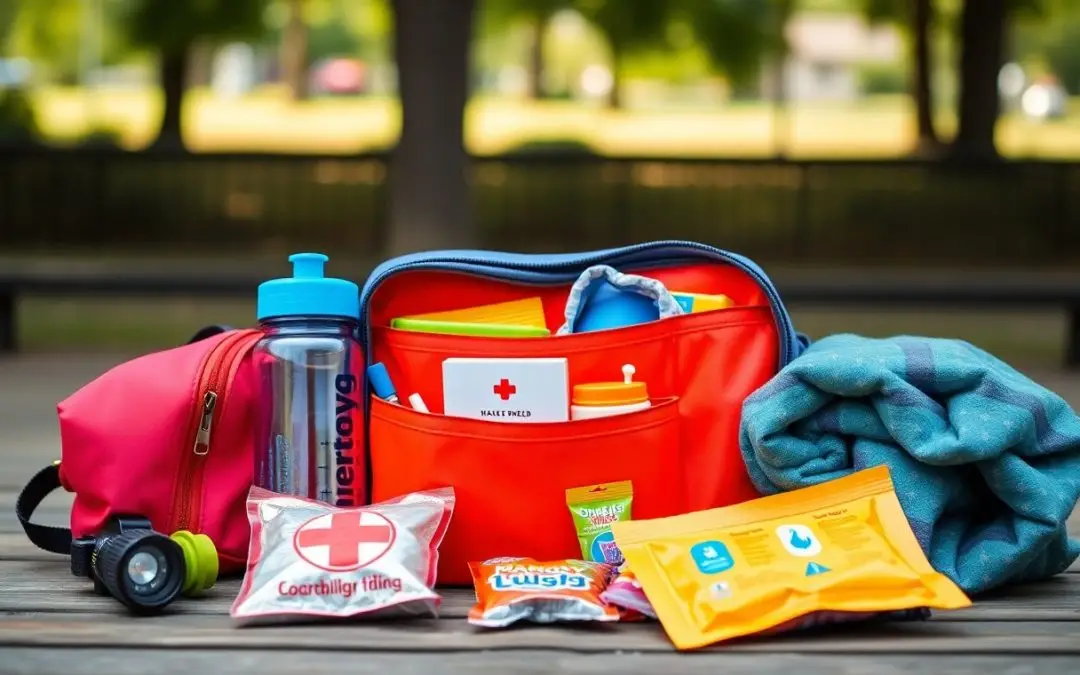
Just because you want your go bag to be practical doesn’t mean you can’t make it appealing for kids. By incorporating child-friendly items and organizing strategies, you can ensure your go bag is both functional and engaging for your little ones. In this guide, you’ll learn how to select age-appropriate supplies, pack efficiently, and create an emergency plan that involves your kids, making them feel included and prepared.
Over time, you’ve likely identified the importance of a well-prepared go bag for your family. Making your go bag kid-friendly ensures that your children can easily access their importants while maintaining practicality. This guide gives you actionable steps to optimize your go bag, combining child-friendly features with the necessary functionality for emergencies or travel. You’ll learn how to select items that are both engaging for kids and effective in meeting your family’s needs.
Understanding the Importance of a Go Bag
A go bag serves as your lifeline during emergencies, ensuring that you and your family are prepared to face unforeseen situations. This necessary tool should contain everything needed for comfort, safety, and survival, tailored to your family’s unique needs. Whether it’s a natural disaster or an unexpected evacuation, having a go bag ready minimizes stress and maximizes readiness, giving you peace of mind in chaotic moments.
What is a Go Bag?
A go bag is a portable collection of necessary items designed to sustain you and your family for at least 72 hours in any emergency. Packed with necessities such as food, water, first-aid supplies, and important documents, it ensures you can quickly evacuate or shelter in place without scrambling for materials. Tailoring your go bag for each family member makes it functional and personal.
Why Every Family Needs One
Every family benefits from a go bag, as it acts as a safety net during emergencies that can arise without warning. Natural disasters, power outages, or unexpected evacuations can leave you scrambling for resources. By having a go bag packed and ready, you create a sense of security and preparedness, empowering each family member to respond effectively in critical situations.
Statistics show that nearly 60% of Americans have experienced some form of natural disaster, emphasizing the need for preparedness. A go bag allows families to respond promptly without wasting precious time locating supplies. Additionally, teaching children about the importance of a go bag instills a sense of responsibility and resilience, making them active participants in your family’s safety strategy. Involving kids in the process can also make the experience less daunting and more engaging for all.
Understanding the Basics of a Go Bag
A go bag is designed to provide you with the importants needed for immediate survival during emergencies or evacuations. Its content must cater to your specific needs while being lightweight and transportable. You want to ensure that everything is easily accessible, especially in stressful situations where every second counts. Prioritize items that offer multi-functionality, catering not only to your requirements but also to those of any children traveling with you.
Essential Items for Every Go Bag
Your go bag should include a first aid kit, non-perishable food, water, flashlights, extra batteries, and important documents. Additionally, pack personal hygiene items, a multi-tool, and a whistle. For kids, consider adding comfort items like a favorite toy or blanket, along with child-sized clothing and snacks that appeal to their tastes. Each item should be selected for its utility and ability to meet both adult and child needs effectively.
Importance of Functionality
Functionality is paramount when packing your go bag, as every item should serve a distinct purpose. This ensures that you can efficiently meet varied needs during emergencies, from basic survival to comfort for children. You might opt for collapsible containers to save space or choose items that can serve multiple roles, such as a water purification tool that doubles as a container. By maximizing functionality, you create a streamlined, effective kit that enhances your preparedness.
Functionality directly impacts your ability to navigate an emergency situation. For example, having a durable backpack that holds enough gear while being lightweight can make a significant difference in mobility. Additionally, consider packing versatile tools that can adapt to various uses; a multi-tool can fix gear, open cans, and serve as a safety device. Ultimately, choosing functional items is about ensuring that your go bag equips you to handle unexpected challenges while providing support for your children during stressful times.
Key Factors for a Kid-Friendly Go Bag
Creating a go bag that caters to children means balancing their interests and needs with crucial survival gear. Focus on ensuring the bag is functional while being appealing and manageable for young ones. Key factors to consider include:
- Size and weight
- Age-appropriate supplies
- Durability and design
- Accessibility of items
- Involvement in packing
The right go bag not only meets safety needs but also fosters a sense of adventure.
Choosing the Right Size and Weight
Select a go bag that is appropriately sized for your child’s stature. A smaller, lighter backpack ensures they can carry it comfortably without feeling overwhelmed. Ideally, the pack should weigh no more than 10-15% of their body weight. This balance enables quick mobility during emergencies while still accommodating crucial items.
Selecting Age-Appropriate Supplies
Tailoring supplies to your child’s age enhances their ability to use the contents effectively. Younger children need simple, intuitive items, while older children can handle more complex tools. Always ensure that any first aid supplies, food, or safety gear are suitable for their developmental stage, promoting independence and responsibility.
For instance, toddlers benefit from brightly colored, soft items that are safe and relatable, such as plush emergency blankets and easy-to-tear snack packs. School-aged children can manage lightweight first aid kits, flashlights with child-friendly features, and educational materials that keep them engaged. Teenagers may require more advanced tools, such as whistles, multi-tools, and water purification tablets, empowering them to contribute to group safety. The key lies in providing items that suit their maturity level while fostering a sense of preparedness.
Factors to Consider for Kid-Friendly Design
- Age suitability of items
- Weight and portability
- Color and design preferences
- Safety features and materials
Perceiving the right balance between functionality and kid-friendliness can enhance the go bag’s usability for children.
Age Appropriateness and Safety
Choosing items that suit your child’s age and understanding of safety is vital. Young children may require brightly colored items or toys that serve a dual purpose, such as comfort and distraction during stressful times. Ensure any items included are free from small parts, toxic materials, and other hazards.
Comfort and Accessibility
Ensuring that your go bag remains comfortable for your child involves several factors. Choose a bag with padded straps and a design that distributes weight evenly. Accessibility is also key; organize items so your child can easily reach snacks, toys, or first aid supplies without assistance.
Providing comfort and accessibility means considering adjustable straps, lightweight materials, and intuitive organizational pockets. Incorporate items that can be easily opened by small hands, such as Velcro or large zippers, and consider including a user-friendly guide that illustrates where to find vital items. Personal touches, like favorite colors or characters, can also make the bag more appealing, encouraging your child to take ownership of their go bag.
Essential Items to Include in Your Go Bag
Your go bag should contain crucial items tailored for your child’s needs while ensuring functionality. Pack a first-aid kit, flashlights, an emergency blanket, and hygiene supplies. Include a small multi-tool for various tasks and a comforting item, like a favorite toy or blanket. These additions will not only provide practical benefits but also help ease anxiety in uncertain situations.
Food and Water Considerations
Select non-perishable snacks that are appealing to kids, such as fruit bars or nut butter packets. Incorporate lightweight, hydration-friendly options like collapsible water bottles and water purification tablets. Keeping food and hydration accessible is vital, especially for children who may need frequent snacks or hydration breaks.
Safety and Comfort Items
Incorporate both safety gear and items that provide comfort to your child. A whistle could help in emergencies, while a small flashlight ensures visibility. Include a compact first-aid kit, along with personal items like a stuffed animal or blanket, to provide emotional support during stressful times.
Including safety and comfort items helps balance practicality and emotional security. A whistle can be a child’s lifeline in emergencies, while packing a small flashlight allows them to navigate darker environments. Personal comfort items, such as a favorite storybook, provide psychological reassurance, making the experience less daunting. Balance these elements to create a go bag that not only meets survival needs but also supports your child’s emotional well-being in difficult situations.
Tips for Including Kids in the Packing Process
Involving kids in the packing process not only makes it more enjoyable for them but also helps instill a sense of responsibility. Here are some effective ways to engage your children:
- Make a list together of crucial items.
- Let them choose personal items that bring comfort.
- Discuss the importance of each item you pack.
- Set a timer for packing to make it a fun challenge.
- Encourage questions to foster understanding.
Assume that by being part of the process, kids will feel more invested in their go bag and more knowledgeable about disaster preparedness.
Letting Kids Choose Items
Allowing kids to select items for their go bag empowers them and adds a personal touch. Include items such as a favorite toy, book, or blanket to help ease anxiety during emergencies. While it’s crucial to guide their choices, giving them some freedom promotes engagement and ownership of their go bag.
Teaching Responsibility and Preparedness
Incorporating kids into the go bag packing process is an excellent opportunity to teach them about responsibility and preparedness. Assigning them specific items to pack reinforces the importance of being ready for unexpected situations. Explain how each item serves a purpose and why it’s crucial to have it readily accessible. You’ll foster independence and a sense of security, encouraging your children to take an active role in their safety.
Tips for Engaging Kids in the Packing Process
Engaging your kids in the packing process transforms it from a chore into an exciting adventure. By allowing them to help, you not only build their interest but also encourage responsibility. Consider these strategies to make the experience enjoyable:
- Incorporate games or challenges
- Set a packing timeline
- Let them choose a favorite item for the bag
- Use colorful bins or bags
Any participation will foster a sense of ownership that boosts their confidence and prepares them for emergencies.
Making It Fun and Educational
Integrating fun activities into the packing process turns it into a bonding experience. Use storytelling to illustrate the purpose behind each item, encouraging kids to imagine real-life scenarios. Create packing challenges where they can race against a timer or make it a scavenger hunt. This not only emphasizes the importance of each item but also promotes teamwork and problem-solving skills.
Allowing Personalization and Choice
Personalization plays a key role in keeping kids engaged during the packing process. By giving them the autonomy to select items that resonate with their interests, they’re more likely to feel connected to their go bag. Discuss various options and let them pick their favorite snacks, toys, or colors for the bag itself.
Encouraging kids to personalize their go bags builds excitement and a sense of ownership. You can set up a mini-design station with stickers, patches, or fabric markers where they can embellish their bag. Allowing them to choose practical items promotes an understanding of what tools are necessary while instilling pride in their preparedness. This investment in personalization ensures they are more willing to grab their go bag when needed.
How to Balance Fun with Function
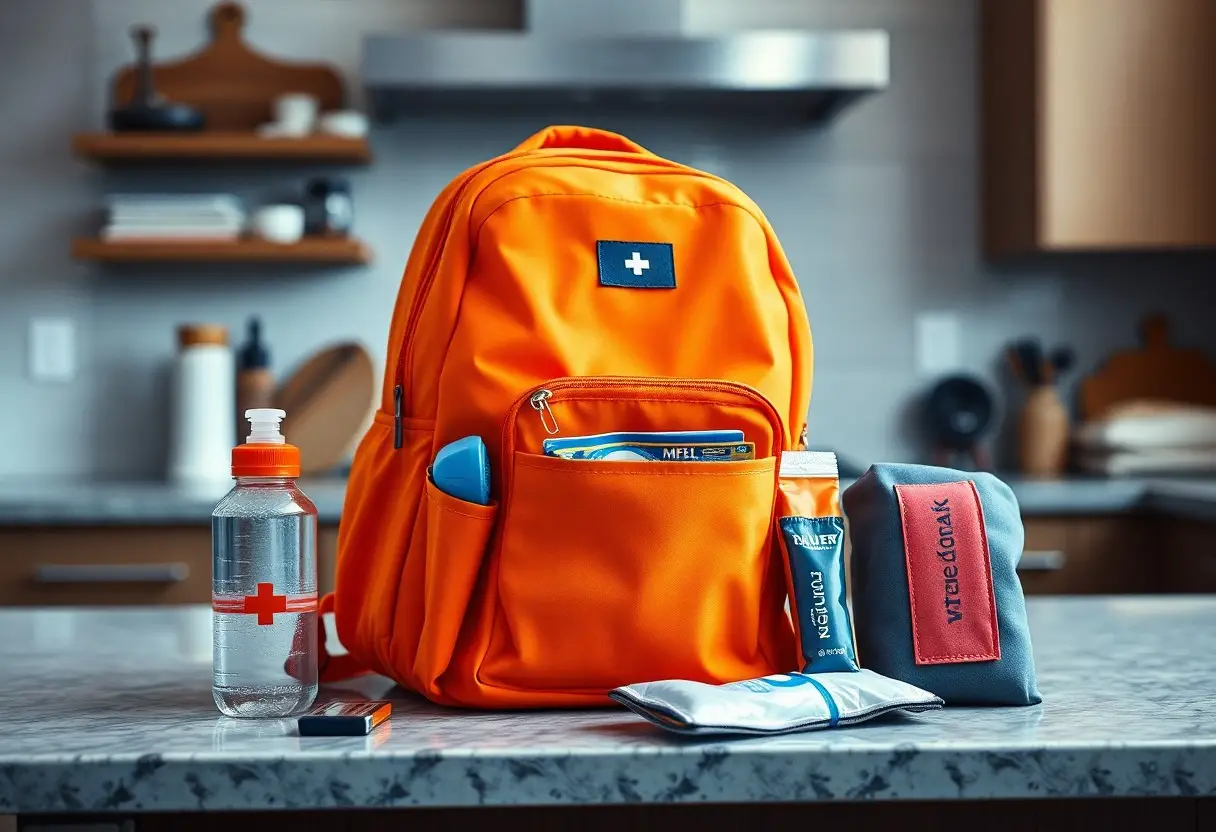
Integrating fun into your go bag doesn’t mean sacrificing utility. Consider adding colorful, themed items that appeal to your child’s interests while still being practical. For instance, pack easy-to-carry alternative snacks in vibrant containers or include a multi-use tool disguised as a favorite character. These elements make the bag more engaging, encouraging your child to embrace its purpose without diminishing its important functions.
Adding Fun Elements without Compromising Utility
Choose items that serve dual purposes; for example, brightly colored water bottles that double as storage for small toys or activity kits with educational aspects. Incorporating stickers or expressions can also personalize the bag—these details can spark joy while maintaining the functionality needed in emergencies.
Personalizing Go Bags for Each Child
Customizing go bags for each child is simple yet effective. Use their favorite colors, themes, or characters to tailor the contents, ensuring they feel ownership and connection to the bag. Adding personal touches, such as name tags or unique patches, can further boost their enthusiasm and willingness to engage with the bag when necessary.
To personalize go bags effectively, involve your child in selecting items they love. If they’re a fan of dinosaurs, for example, include a dinosaur-themed flashlight or a small dino figurine. This not only makes the bag exciting for them, but also reinforces the importance of preparedness. Carrying a go bag that reflects their personal style fosters a sense of empowerment, making them more likely to participate in emergency planning and understand the value of being prepared.
Maintaining and Rotating Go Bag Supplies
Regularly maintaining and rotating the supplies in your go bag ensures that everything is functional and up-to-date. With kids involved, set a schedule for checking the inventory every three to six months. Inspect food items for expiration dates, replace used gear, and refresh any personal items that may have changed as your children grow. This proactive approach keeps the go bag ready for immediate use and familiarizes kids with its contents, boosting their confidence in emergencies.
Regular Check-Ups and Updates
Incorporate regular check-ups into your family routine to assess the status of your go bag’s supplies. Coordinate these reviews with seasonal changes or major life events, such as birthdays or back-to-school times. Update clothing and personal items reflecting your child’s current size, preferences, and needs. By establishing this habit, your family will feel more prepared for any situation.
Teaching Kids Responsibility
Involve kids in the process of maintaining the go bag to teach them responsibility and preparedness. Assign them specific tasks, like checking their own supplies or updating the list of items. This not only empowers them to take ownership of their gear but also reinforces the idea that being ready for emergencies is a family effort. Encouraging kids to suggest items they find important can also boost their engagement and investment in the process.
Involving your children in the upkeep of their go bag fosters a sense of accountability. For instance, having them check if their favorite snacks are in stock can make them more attuned to what’s necessary during emergencies. When kids help select their supplies, they learn that preparedness isn’t just about having items but also understanding their significance. This engagement translates their knowledge into practical skills, enhancing both their confidence and capability in uncertain situations.

Maintaining and Updating Your Go Bag
Regular maintenance of your go bag ensures it remains relevant and functional. Schedule periodic reviews at least every six months to check the condition of items, replenish supplies, and remove expired products. This practice not only reinforces preparedness but also keeps your child engaged in the process, emphasizing the importance of being ready for any situation.
Regular Check-Ins and Inventory
Conducting regular check-ins on the contents of your go bag is important for optimal preparedness. Every few months, involve your child in a fun inventory session to assess what’s still usable and what needs replacement. This collaborative activity instills responsibility and teaches your child about the significance of being prepared.
Adapting to Changes in Needs and Preferences
Your child’s evolving interests and requirements necessitate ongoing adjustments to the go bag. As they grow, their comfort items, dietary needs, or favorite distractions may change, and incorporating these into the bag ensures it remains personal and useful. Regularly updating these items keeps the go bag relevant and engaging.
As your child ages, their emotional and physical needs will shift, making it vital to reassess the contents of the go bag to reflect those changes. For instance, a toddler may have specific toys and snacks, while a school-aged child might appreciate different games or learning materials. Tailoring the bag not only boosts confidence in their ability to handle emergencies but also provides comfort during stressful times, reinforcing the importance of their personal preferences in preparation. Keep an open dialogue with your child about what they feel is important, adjusting as necessary to foster a sense of ownership and readiness.
Summing up
To wrap up, making your go bag kid-friendly while retaining functionality involves selecting versatile, lightweight items that engage your children without complicating the bag’s use. Incorporate practical imperatives, such as snacks and comfort items, while ensuring everything is easily accessible. In addition, involve your kids in the packing process to increase their investment and understanding of the importance of the go bag. This approach not only keeps the bag manageable but also empowers your children, ultimately enhancing your family’s preparedness without sacrificing utility.
Emergency Preparedness Activities for Families
Family emergency preparedness activities create a shared understanding and readiness that can help everyone feel more secure. Engaging in these activities not only teaches crucial survival skills but also strengthens family bonds. Regularly participating in drills, discussions, and planning sessions promotes teamwork and confidence. By making preparedness a family priority, you equip each member with both the knowledge and experience needed in case of an emergency.
Role-Playing Scenarios
Role-playing scenarios can transform emergency preparedness into an engaging experience for your children. By simulating various situations, such as a fire evacuation or a natural disaster, kids gain hands-on knowledge that helps them grasp the importance of following safety protocols. These imaginative exercises encourage problem-solving skills while allowing your children to practice responding calmly and effectively under pressure.
Educational Games
Incorporating educational games into your preparedness plan keeps your kids entertained while they learn important survival skills. Board games, card games, and scavenger hunts designed around emergency scenarios teach crucial concepts, such as resource management and teamwork. These activities can be tailored for different age groups to ensure everyone participates comfortably and gains practical knowledge relevant to real-life situations.
For example, creating a scavenger hunt where kids search for items in your go bag reinforces their familiarity with its contents. You might set a timer and challenge them to find items like a flashlight, first aid kit, or water purification tablets. This interactive approach not only enhances their ability to locate crucial supplies but also makes the learning process fun and memorable. By weaving education into play, you can cultivate preparedness skills that last a lifetime.
Summing up
Now, to make your go bag kid-friendly without sacrificing function, focus on selecting items that are lightweight, easy to use, and engaging for children. Incorporate multi-functional tools and age-appropriate supplies, ensuring that packing becomes a collaborative effort. Include comfort items that provide emotional support, and clearly organize your bag for quick access during emergencies. By prioritizing practicality alongside your child’s needs, you create a go bag that is prepared for any situation while keeping your little ones involved and comfortable.


