
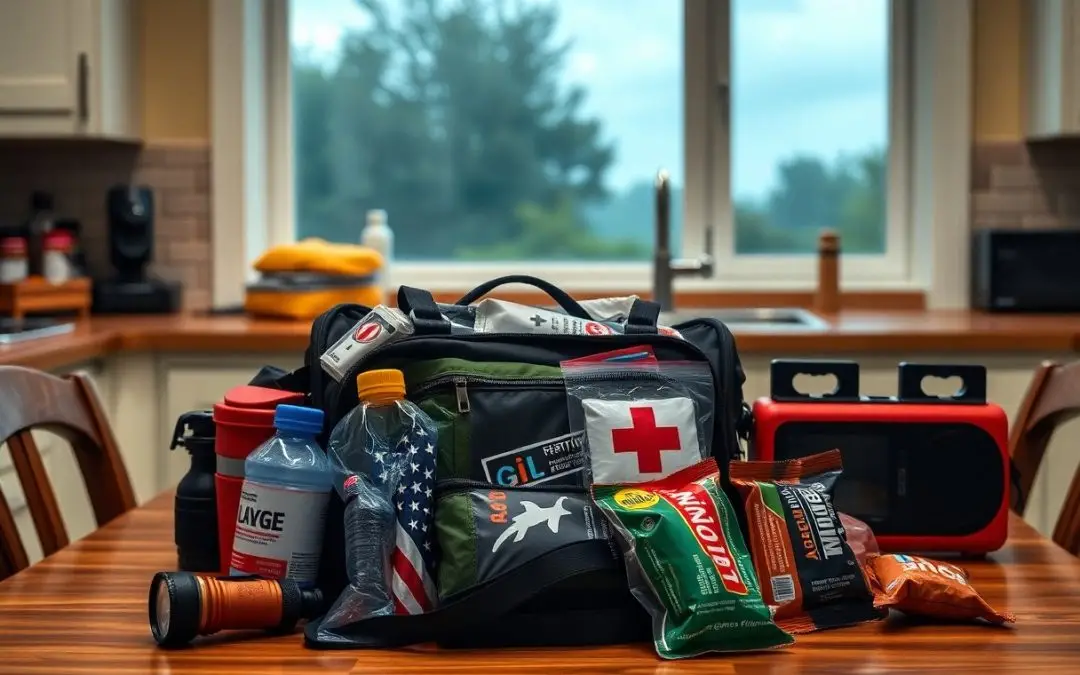
Crisis situations can arise unexpectedly, often leaving you ill-prepared for the challenges ahead. Having a go bag readily available can significantly impact your response and recovery. This necessary kit enables you to act swiftly and efficiently, ensuring you have the necessary tools and supplies when it matters most. With the right planning and items in your go bag, you can navigate emergencies more effectively and keep yourself and your loved ones safe. Learn how to create your go bag and become the hero of your own story during a crisis.
Understanding Go Bags
A Go Bag serves as your portable emergency kit, ready to be grabbed at a moment’s notice. Its purpose is to equip you and your family with important supplies to ensure safety and survival during unforeseen events like natural disasters, evacuations, or civil emergencies. Having a Go Bag can mean the difference between chaos and order when an emergency strikes, allowing you to focus on what truly matters: the well-being of your loved ones.
What is a Go Bag?
A Go Bag is a pre-packed emergency kit that allows you to quickly evacuate your home in case of an emergency. It is designed to provide you with important supplies for at least 72 hours, including food, water, clothing, and first aid items. The contents of your Go Bag should be tailored to your family’s specific needs, making it a vital component of your emergency preparedness strategy.
Essential Items for Every Family
Your Go Bag should contain key items tailored to your family’s needs, including water, non-perishable food, a flashlight, a first-aid kit, necessary medications, and important documents. Ensure that each family member’s individual requirements are met; for example, if you have infants or pets, include baby formula or pet food. Customizing these importants can greatly enhance your readiness and adaptability during emergencies.
Start with one gallon of water per person per day for at least three days, as hydration is critical. Non-perishable food should include items like energy bars, canned goods, and dried fruit, enough to sustain you for the same duration. A compact first-aid kit covering basic medical needs is vital, especially if you have special medical concerns in your family. Add a multi-tool for various tasks and a whistle for signaling in emergencies. Organizing these items in a durable, easy-to-carry backpack will ensure accessibility and quick transportation during a crisis.
The Importance of Preparedness
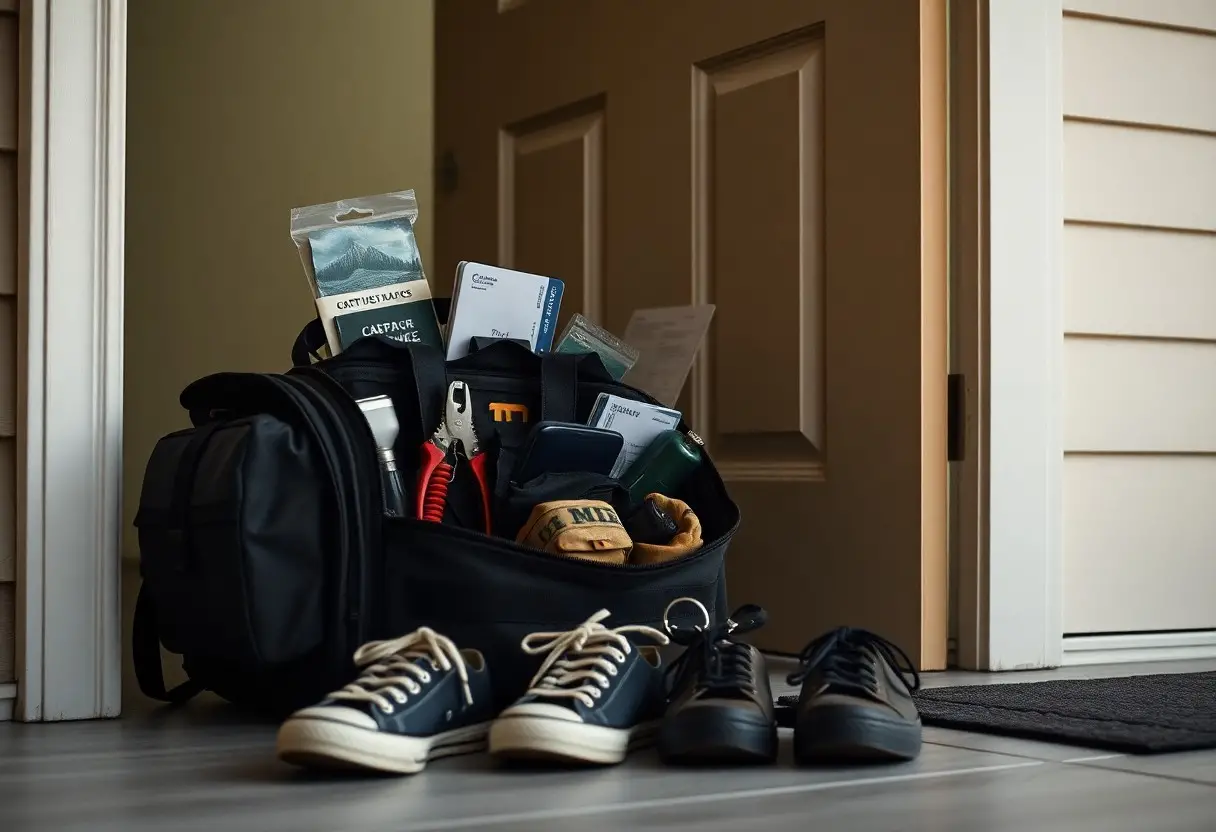
Preparedness transforms uncertainty into confidence, equipping you with both the tools and mindset necessary for navigating crises. Having a Go Bag ready ensures you can face emergencies—be it a natural disaster, medical situation, or civil unrest—without panic. This proactive approach not only saves time but also increases your chances of a favorable outcome, enabling you to act swiftly and effectively in times of need.
Psychological Benefits of Being Prepared
Being prepared can significantly enhance your mental resilience during crises. With a Go Bag at your side, a sense of control replaces chaos, reducing anxiety and stress. This mental readiness allows you to think clearly and make informed decisions when every second counts, fostering a calmer mindset that can influence others around you.
Real-Life Examples of Go Bags in Action
Numerous instances demonstrate the life-saving potential of Go Bags. During Hurricane Katrina, residents with emergency kits were able to evacuate more swiftly and safely. Similarly, wildfire survivors highlighted the importance of having Go Bags packed with crucials, allowing them to escape with necessary supplies and critical documents intact, minimizing chaos during evacuation.
For instance, a family in California faced imminent evacuation due to a fast-approaching wildfire. Their Go Bags included food, water, important documents, and medications, enabling them to leave their home with only moments to spare. The preparation they had undertaken ahead of time allowed them to focus on safety rather than scrambling for necessities, demonstrating how a small investment in preparedness can have life-altering implications. These examples underscore the practical benefits of Go Bags, reinforcing the argument for their inclusion in emergency planning for everyone.
How to Build Your Own Go Bag
Creating your own Go Bag is a straightforward process that ensures you are ready for emergencies. Focus on assembling crucial items that cater to your specific needs while considering your environment and potential crises. Prioritize items that provide immediate safety, sustenance, and communication capabilities, ensuring everything fits conveniently into a durable bag for easy transport.
Step-by-Step Guide
Follow these steps to create a personalized Go Bag that meets your needs.
| First Aid Kit | Bandages, antiseptic wipes, and medication |
| Water Supply | At least one gallon per person per day |
| Non-perishable Food | Energy bars, canned goods, and dried fruits |
| Flashlight | Battery-operated or solar-powered with extra batteries |
| Multi-tool | Versatile tools for various needs |
| Warm Clothing | Jackets, gloves, and thermal layers based on the climate |
| Identification Documents | Copies of IDs, insurance, and emergency contacts |
Customizing for Family Needs
Your Go Bag should reflect the unique needs of your family, considering each member’s age, health, and specific requirements. Tailoring the contents might include additional diapers for infants, snacks for children, or necessary medications for elderly family members. Each bag should also include items that resonate with family activities, such as comfort items to alleviate anxiety during stressful times.
Evaluate each family member’s needs carefully. For instance, if you have pets, including pet food and a leash can ensure they’re also cared for during emergencies. Similarly, think about including age-appropriate items for children, like toys or books, to keep them calm. Planning for specific health conditions, like asthma or allergies, necessitates having medication readily available. Each tailored adjustment enhances your family’s readiness and support during a crisis.
Maintenance and Updates
An effective go bag requires consistent upkeep. Regularly review and refresh the contents, ensuring everything remains functional and relevant. Perishables or items with expiration dates should be replaced promptly, while new developments in emergency preparedness may warrant the addition of new tools or supplies. Regular maintenance guarantees your go bag is always ready for action when needed.
Regular Check-ups for Your Go Bag
Schedule quarterly check-ups for your go bag to verify its contents. Inspect each item for usability, ensuring tools work properly while reviewing the expiration dates on food, medications, and hygiene products. This frequent assessment strengthens your preparedness, making sure you have exactly what you need when an emergency arises.
Adapting to Seasonal Changes
Your go bag should reflect the varying challenges each season brings. During winter, include thermal blankets and hand warmers. In contrast, summer months may necessitate extra water and sun protection gear. By tailoring your go bag to the season, you enhance your readiness for specific emergencies that could arise throughout the year.
For example, consider incorporating items like insect repellent and a portable water filter during warmer months to address potential heat-related emergencies or outdoor activities. In winter, add snow shovels or ice scrapers to prepare for hazardous conditions. Keeping seasonal needs in mind ensures your go bag equips you for the most pressing challenges posed by different weather conditions, significantly improving your response in crises.
Community Preparedness
Community preparedness starts with individuals taking proactive steps to equip themselves for emergencies. Encouraging neighbors to manage their own go bags can create a culture of readiness and safety. A community that communicates effectively through outreach programs can ensure everyone understands the importance of personal emergency plans, making it easier to tackle challenges collectively when they arise.
Encouraging Neighbors to Prepare
By sharing resources and hosting informational workshops, you can inspire your neighbors to create their own go bags. Collaborate with local organizations to distribute checklists and important items, fostering a sense of unity. Creating a neighborhood network that discusses preparedness helps instill confidence and encourages collective action in times of crisis.
Building Community Resilience
Building community resilience involves forming strong support systems that empower individuals. When neighbors are connected, they can quickly mobilize resources and provide assistance during emergencies. Research shows that communities with established networks tend to recover faster from disasters. Offering training sessions on first aid, emergency response, and disaster recovery can enhance knowledge and readiness across the community, ultimately leading to more effective response efforts.
Final Words
On the whole, having a go bag can significantly enhance your ability to respond effectively in a crisis. It prepares you to face unexpected emergencies with imperative supplies and resources at your fingertips. By taking the time to create and regularly update your go bag, you empower yourself and your loved ones to act decisively when it matters most. In doing so, you not only ensure your safety but also contribute to the well-being of those around you, transforming a potentially chaotic situation into a more manageable one.


