
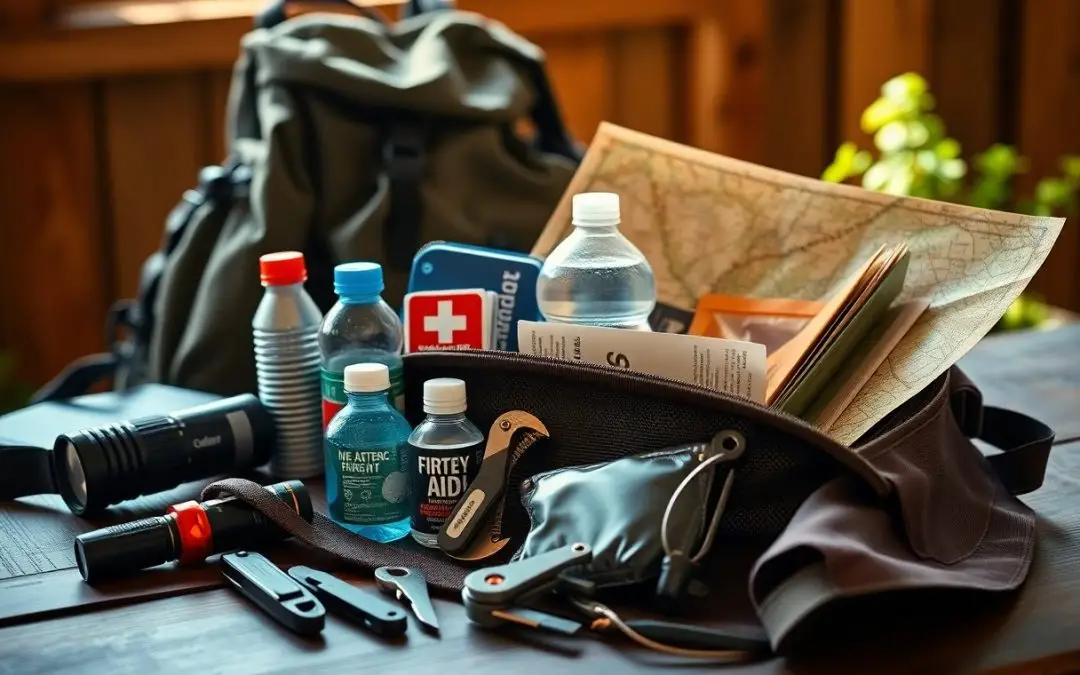
Preparedness starts with having the right tools at your fingertips, and a well-assembled go bag is necessary for any unexpected situation. In this guide, you will learn how to curate a personalized go bag that fits your unique needs, ensuring you have everything necessary for emergencies or quick escapes. By selecting practical items and organizing them effectively, you can create a go bag that you will not only find useful but also accessible when it matters most.
Understanding the Importance of a Go Bag
A go bag is more than just a collection of items; it’s a lifeline during emergencies. When unexpected situations arise—natural disasters, power outages, or personal crises—having a pre-packed go bag ensures you can respond quickly and effectively. You’ll find comfort in knowing that vital supplies are at your fingertips, minimizing panic and allowing for strategic decision-making during chaotic moments.
Emergency Preparedness
Your go bag serves as a vital component of emergency preparedness. It allows you to be proactive rather than reactive. By stocking it with necessary supplies such as food, water, medications, and safety gear, you equip yourself for various situations, increasing your chances of safety and survival.
Situational Awareness
Developing situational awareness is crucial for making informed decisions during emergencies. This involves being mindful of your environment, understanding potential risks, and anticipating what may happen next. Regularly assessing your surroundings keeps you alert to changing conditions and enables you to respond appropriately, leveraging your go bag when necessary.
Situational awareness requires practice and attention. For example, if you live in an area prone to wildfires, notice warning signs such as dry conditions or smoke. Stay tuned to local news and alerts, and ensure your go bag contains items relevant to potential threats you might face. This active engagement with your environment not only prepares you for emergencies but also fosters a mindset of readiness, enhancing your overall resilience. By committing to stay aware, you create a personal safety strategy that goes hand in hand with the contents of your go bag.
Key Factors to Consider When Building Your Go Bag
- Personal needs and preferences
- Potential risks and scenarios
- Shelf life of supplies
- Weight and portability
- Accessibility of items
Recognizing these factors will ensure your go bag is tailored to your unique circumstances, increasing your likelihood of utilizing it effectively in an emergency.
Personal Needs and Preferences
Your go bag should reflect your personal needs and preferences, including dietary restrictions or medical requirements. Consider what necessary items will make your situation more manageable, such as specialized medications, snacks you like, or comfort items to alleviate stress. Tailoring your bag to your lifestyle makes it more appealing to grab during an emergency.
Potential Risks and Scenarios
Assessing potential risks and scenarios in your area informs your go bag’s contents. Whether it’s natural disasters like hurricanes, earthquakes, or man-made events, understanding what you might face helps you pack relevant supplies, such as water purification tablets for floods or a reliable flashlight for power outages. Tailoring your go bag to specific threats enhances its utility and effectiveness.
Identifying potential risks also allows you to forecast your immediate needs. For instance, if you live in a wildfire-prone area, consider including N95 masks to filter smoke particles and portable emergency radios to receive real-time updates. On the other hand, urban dwellers should prioritize items for civil unrest or power outages. This proactive approach ensures that your go bag becomes an invaluable resource rather than a mere collection of supplies stowed away in a closet.
Essential Items to Include in Your Go Bag
Your go bag should be a well-curated collection of important items that can sustain you during emergencies. Prioritize lightweight, compact gear that covers a range of scenarios, from natural disasters to unexpected evacuations. The right contents can make the difference between comfort and chaos, so ensure you include items for shelter, warmth, hygiene, and communication as well.
Safety and First Aid Supplies
Your go bag must include a robust first aid kit, complete with adhesive bandages, antiseptic wipes, gauze, and medical tape. Add pain relievers, burn cream, and any personal medications you require. Including a multi-tool for emergency repairs and a flashlight can enhance safety, while a whistle can help you signal for help if needed.
Food and Water Considerations
Select food items that are high in calories, protein, and have a long shelf life, such as energy bars, canned goods, or freeze-dried meals. Pack a portable water filter or purification tablets to ensure safe drinking water, and consider including a collapsible water container to store supplies efficiently.
For food storage, aim for ready-to-eat options that require no cooking or refrigeration. Energy bars and dried fruits are lightweight and nutrient-dense, while canned goods should be chosen for their longevity and ease of consumption. A water filter allows you to refill from natural sources, ensuring you have access to safe drinking water. Keep in mind that adults typically need at least one gallon of water per day for drinking and sanitation, so plan accordingly to meet that requirement in your go bag.
Tips for Organizing Your Go Bag Effectively
Organizing your go bag enhances its efficiency and your preparedness. Focus on a systematic approach to ensure you can quickly find what you need in an emergency. Use separate compartments or pouches for related items, label everything clearly, and prioritize items based on importance and usage frequency. Keeping your go bag tailored to your personal needs further ensures it remains functional. This will help you stay calm and prepared when the situation arises.
- Use lightweight, durable bags for easy portability.
- Group similar items together, such as first aid and hygiene.
- Label each compartment for quick access.
- Update the contents regularly to prevent expired items.
- Consider personal needs, like medications or dietary restrictions.
This will make your go bag truly functional and user-friendly.
Easy Access and Visibility
Strategically placing frequently used items on top or in easily accessible pockets allows for swift retrieval. Transparent pouches can help with visibility, enabling you to quickly identify the contents without rummaging. Segmenting items based on usage frequency caters to various emergency scenarios, ensuring every vital is within reach.
Regular Maintenance and Updates
Consistent checks on your go bag are necessary to ensure everything remains reliable. Create a schedule for reviewing your bag every six months or after major life changes, such as a move or a new job. As situations evolve, so do your needs; prioritize updating items that may expire or wear out, like food supplies and batteries.
Regular maintenance not only keeps your go bag relevant but also provides an opportunity to rethink your emergency strategy. Add new items as necessary, such as chargers for updated devices or additional first aid supplies. This proactive approach ensures you’re not just prepared for the unexpected but also fully equipped to handle it, giving you peace of mind and confidence when emergencies arise.
Customizing Your Go Bag for Different Situations
Tailor your go bag to suit various scenarios you might encounter. Consider your lifestyle, potential risks, and personal needs. Whether you’re preparing for outdoor adventures or anticipating natural disasters, customizing ensures you are equipped with the right gear and supplies. Strategically select items that cater to specific situations, making your go bag a reliable companion whenever you need it.
Outdoor Adventures
For outdoor adventures, prioritize gear that enhances your experience and safety. Pack items like a compact first aid kit, waterproof matches, a multi-tool, portable water filtration system, and nutrition bars. Also, consider weather-appropriate clothing, a lightweight tent, and a map for navigation. Tailoring your bag this way makes your outdoor escapades enjoyable and worry-free.
Natural Disasters
Natural disasters can strike with little warning, so your go bag must be stocked with important supplies for emergencies. Include water, non-perishable food, a flashlight, batteries, a whistle, and personal documents. Important medications and a battery-powered or hand-crank emergency radio can keep you informed when traditional services fail. Aim for a supply kit that lasts at least 72 hours, which can be the difference between safety and chaos during an emergency situation.
Testing Your Go Bag: Practice Makes Perfect
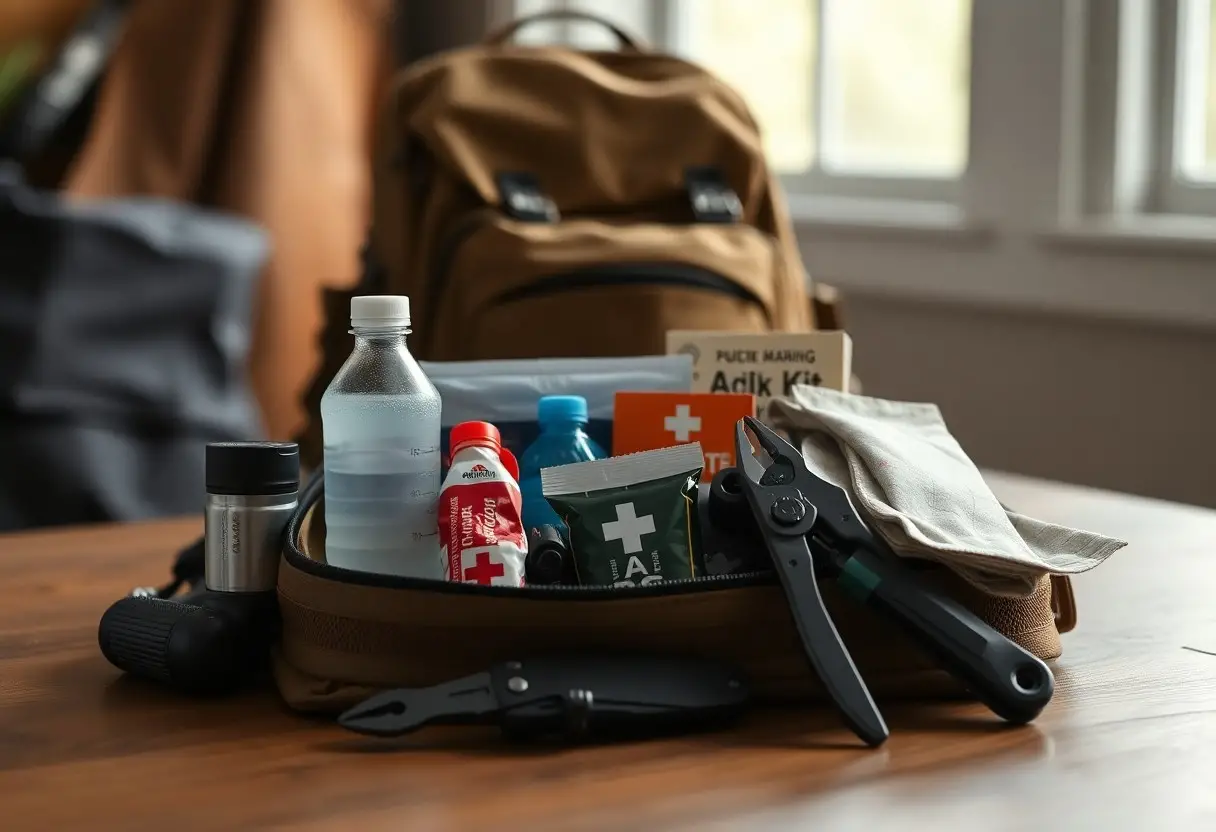
Testing your go bag ensures its functionality when you need it most. Conducting regular evaluations allows you to identify any missing or outdated items, confirming that everything remains operational and relevant. Gear up for real-life scenarios by simulating potential emergencies, focusing on the efficiency of accessing and utilizing your supplies swiftly and confidently.
Trial Runs
Trial runs provide hands-on experience with your go bag. Set aside time to practice packing it quickly, ideally in under 10 minutes, simulating real-life urgency. Test your ability to locate crucial items and practice using tools, like emergency first-aid kits or multi-tools, ensuring you’re familiar with all components. This repetition builds confidence and eases panic during actual emergencies.
Evaluating Effectiveness
Evaluate your go bag’s effectiveness by assessing both its contents and your execution during trial runs. After each simulation, reflect on what worked well and what didn’t. Did you struggle to find a specific item? Were there things you didn’t use, or were items missing? Gathering this feedback helps refine your go bag for better preparedness in real situations.
To thoroughly evaluate effectiveness, track your experiences over multiple trial runs. Analyze the frequency of item usage, noting what remains in the bag versus what gets utilized during practice. This data can guide adjustments to your inventory, allowing you to prioritize crucials and ensure your go bag is always ready for action. Engaging family members in these assessments can also give you diverse perspectives on its functionality, making your bag even more effective. Consistently refining based on these evaluations enhances your overall preparedness strategy.
Summing up
Ultimately, building a go bag that you’ll actually use involves careful consideration of your specific needs, frequent organization, and strategic placement to ensure accessibility. Select vital items that cater to your lifestyle, such as first-aid supplies, water, and food. Regularly check and update your bag to keep it relevant. Store your go bag in a visible, convenient location so you’ll be more likely to grab it when needed. By following these steps, you’ll create a practical resource that prepares you for unexpected situations while avoiding the pitfalls of neglect or forgetfulness.


