

With the right guidance, selecting multi-tools, knives, and emergency gear becomes straightforward. You can enhance your outdoor adventures, daily tasks, or preparedness plans by understanding key features, materials, and functionalities. This comprehensive guide empowers you to make informed decisions that align with your needs, lifestyle, and budget, ensuring you choose the best tools for any situation you may encounter.
Understanding Multi-Tools
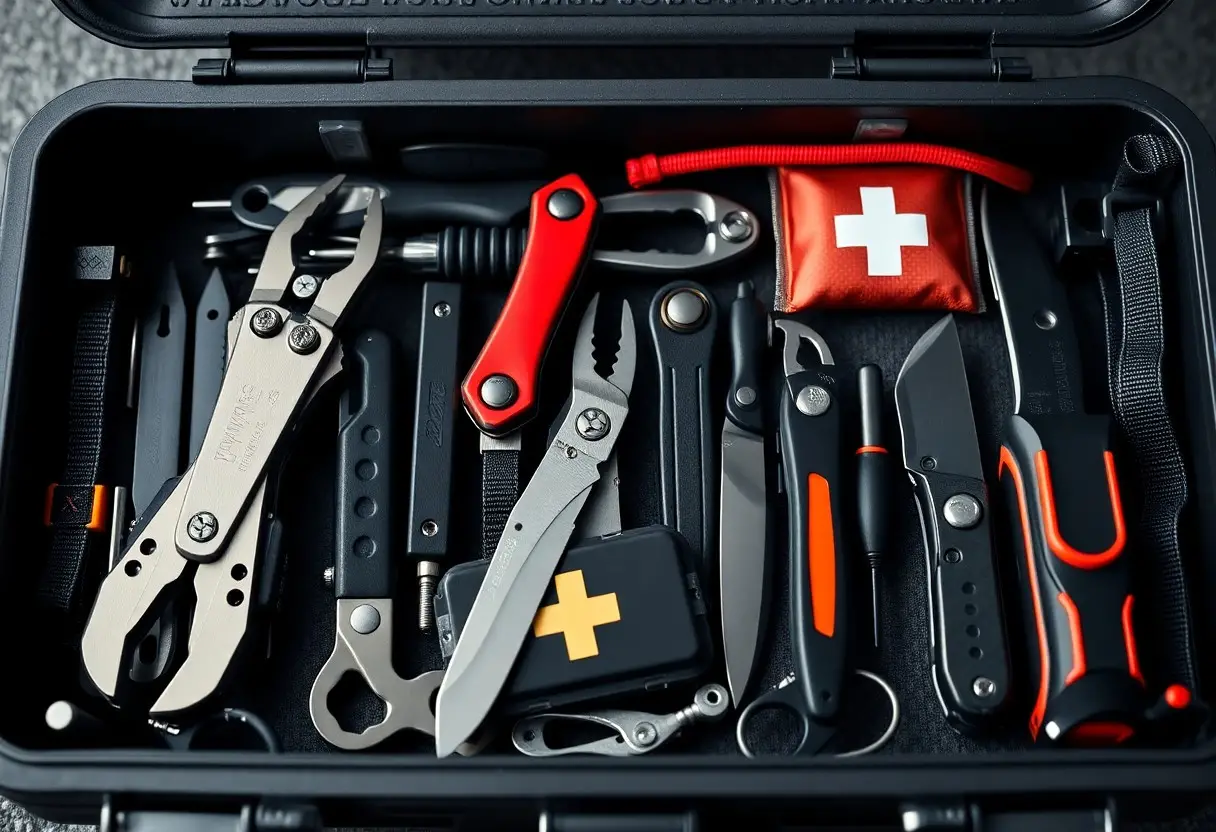
Multi-tools are versatile instruments designed to equip you with multiple functionalities in a single package. Ideal for camping, everyday carry, or emergency situations, they often include knives, screwdrivers, pliers, and other vital tools. The compact nature of a multi-tool enables you to minimize the bulk in your gear while maximizing utility, making it an indispensable companion for adventurers and DIY enthusiasts alike.
Types of Multi-Tools
Different types of multi-tools cater to varied needs and scenarios. Here’s a breakdown:
- Plier-based multi-tools
- Knife multi-tools
- Credit card multi-tools
- Modular multi-tools
- Specialized multi-tools (e.g., fishing, camping)
After selecting the right type, assess your specific needs for functionality and convenience.
| Type | Typical Features |
| Plier-based | Built-in pliers, wire cutters |
| Knife | Fixed blade, folding knife |
| Credit card | Compact, lightweight design |
| Modular | Interchangeable tools |
| Specialized | Tools specific to an activity |
Key Features to Consider
Prioritizing key features ensures you choose a multi-tool that suits your needs. Look for the following:
- Material quality (stainless steel or high-carbon steel)
- Weight and portability
- Tool count and diversity
- Ergonomic design for comfortable use
- Warranty and customer support
Thou should ensure the tool feels balanced in your hand for a secure grip during use.
When evaluating key features, consider how they align with your activities. For instance, if you plan to use the tool for both indoor and outdoor purposes, a robust construction combined with a variety of tools will enhance its durability and functionality. Pay attention to the locking mechanisms as they provide safety and reliability during operation.
- Safety locks
- Ease of deployment for tools
- Corrosion resistance
- Multi-functionality (e.g., can opener, file)
- Storage options for additional components
Thou should also consider the context in which you’ll be using the multi-tool, as this influences which features will serve you best.
Selecting the Right Knife
Choosing the right knife can significantly enhance your efficiency in various tasks, whether you’re camping, cooking, or handling emergencies. Assess your specific needs, such as blade size, weight, and intended use, to ensure you select a knife that fits your activities seamlessly.
Blade Types and Materials
Understanding the different blade types and materials helps you choose a knife suited to your needs. Common materials include stainless steel, carbon steel, and titanium, each offering unique benefits in terms of durability and edge retention.
| Blade Type | Characteristics |
|---|---|
| Drop Point | Versatile for various tasks with a strong tip. |
| Clip Point | Good for piercing, suitable for detail work. |
| Straight Back | Ideal for slicing, especially in outdoor settings. |
| Serrated | Effective for cutting through tough materials. |
| Fixed Blade | Offers maximum strength and reliability. |
Any knife’s performance also hinges on its handle design, which impacts your grip and control during use.
Handle Design and Comfort
The handle design plays a pivotal role in your knife’s usability. Ergonomic shapes and materials can significantly enhance your grip, preventing slips and fatigue during extended use. Consider how the handle feels in your hand, as this affects overall satisfaction and performance.
An optimized handle typically features contours that align with your fingers and a textured surface for improved traction. Materials like rubber or G10 composites often provide a comfortable feel and enhanced grip even in wet conditions. Evaluating these factors ensures that you choose a knife that feels comfortable and secure while you work, thereby increasing your efficiency and safety during use.
Emergency Gear Essentials
In the context of emergency preparedness, having the right gear is imperative. Your emergency gear should be compact yet comprehensive, making it easy to carry and quick to access. Prioritize items suited for various scenarios, including first aid, communication, shelter, and tools for food or self-defense. A well-thought-out emergency kit can significantly enhance your readiness for unexpected situations.
Must-Have Items
Your emergency kit should include several must-have items. First aid supplies, a multitool or knife, a flashlight with extra batteries, a whistle for signaling, non-perishable food, water purification tablets, and a portable phone charger are foundational elements. Each of these components ensures that you are equipped to handle common emergencies effectively and safely.
Quality vs. Quantity
Choosing quality over quantity is vital when assembling your emergency gear. Instead of cramming your kit with numerous low-quality items, focus on fewer, high-performance products that you can rely on during critical situations. A high-quality multitool and durable first aid supplies can make all the difference in an emergency.
Focusing on quality means selecting tested and trusted brands that you can depend on under pressure. For instance, a well-manufactured multitool can outlast cheaper alternatives, offering more functions without compromising on performance. Investing in items like a reliable water filter system instead of relying on basic filtration methods ensures that you have a dependable way to access safe drinking water. Ultimately, superior quality gear increases your chances of successfully navigating emergencies, while lower quality may fail when you most need them.
Comparing Brands and Models
| Established Brands | Up-and-Coming Manufacturers |
|---|---|
| Benchmade | Canku |
| Leatherman | Morakniv |
| Victorinox | Olight |
Established Brands
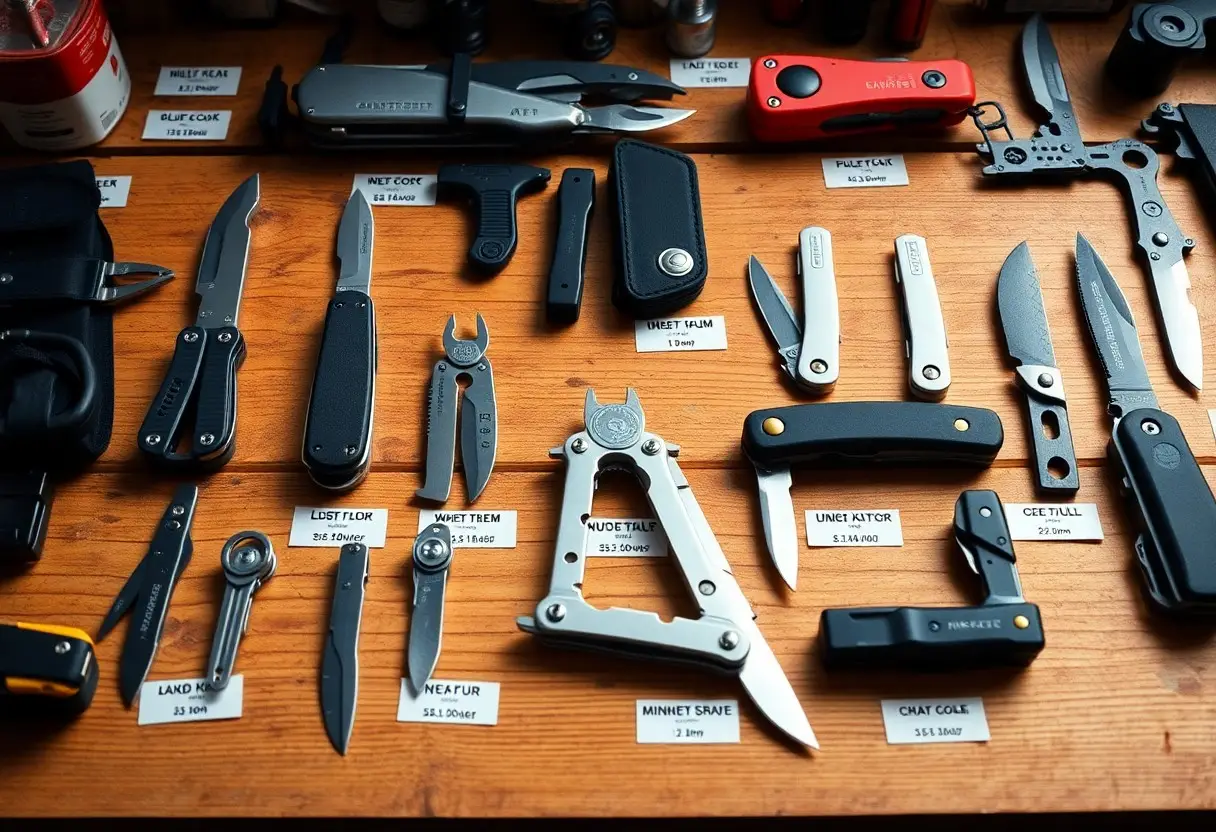
Brands like Benchmade, Leatherman, and Victorinox have built their reputations on craftsmanship and reliability. With decades of experience, these companies often provide extensive warranties and customer support, ensuring you get a quality product. Their established presence in the market also means that they offer a wide range of models to suit various needs, from basic to highly specialized tools.
Up-and-Coming Manufacturers
Emerging brands such as Canku, Morakniv, and Olight are gaining traction for their innovative designs and cost-effectiveness. You can find unique features and good performance without the premium price tag often associated with established brands. While they may lack the extensive track record, many up-and-coming manufacturers focus on niche markets, providing options that cater to specific outdoor or emergency needs.
Part of the appeal of up-and-coming manufacturers lies in their fresh perspectives and willingness to experiment with new technologies and designs. Many of these companies prioritize user feedback, allowing them to create tools that directly address consumer needs. For instance, Morakniv specializes in high-quality, lightweight camping knives at a fraction of the cost of traditional brands. Similarly, Canku focuses on multi-tools that emphasize portability without sacrificing functionality. This approach often results in products that unexpectedly outperform their more established competitors in specific applications.
Price vs. Performance
Choosing between price and performance involves understanding your specific needs versus your budget. Lower-priced options can sometimes lack important features or materials, while higher-priced tools often provide durability and efficiency. Aim for a balance where you invest in features that you will use regularly without overspending. Conduct thorough research on the warranty and customer reviews to gauge long-term reliability against the initial cost.
Budget-Friendly Options
For those on a tight budget, there are solid multi-tools and knives that provide decent performance without breaking the bank. Brands like Gerber and SOG offer affordable yet functional choices, making them great for infrequent users or beginners. Look for important features that are valuable for everyday tasks, ensuring you get the best utility for your investment.
Investing in Quality
Investing in quality gear often pays off in the long run as durability, efficiency, and performance typically increase with higher-end products. Premium brands offer meticulously crafted tools with superior materials like stainless steel and high-grade polymers. For instance, a high-quality multi-tool from Leatherman can last years, providing peace of mind through consistent functionality and reliability. You can find warranty information and replacement parts readily available, making maintenance and support easier over time.
Maintenance and Care
Regular maintenance and care are crucial for maximizing the lifespan and functionality of your multi-tools, knives, and emergency gear. Neglecting upkeep can lead to diminished performance, rust, and potential safety hazards. Simple practices can keep your tools in top condition, ensuring they serve you reliably in critical situations.
Cleaning and Sharpening
To maintain peak performance, clean your tools after each use to remove dirt and moisture. A damp cloth works well for wiping down surfaces, while a soft brush can help dislodge debris from crevices. You should sharpen your knives every few months or whenever you notice a decline in their cutting ability—using a whetstone or honing rod will restore their edge effectively.
Proper Storage Techniques
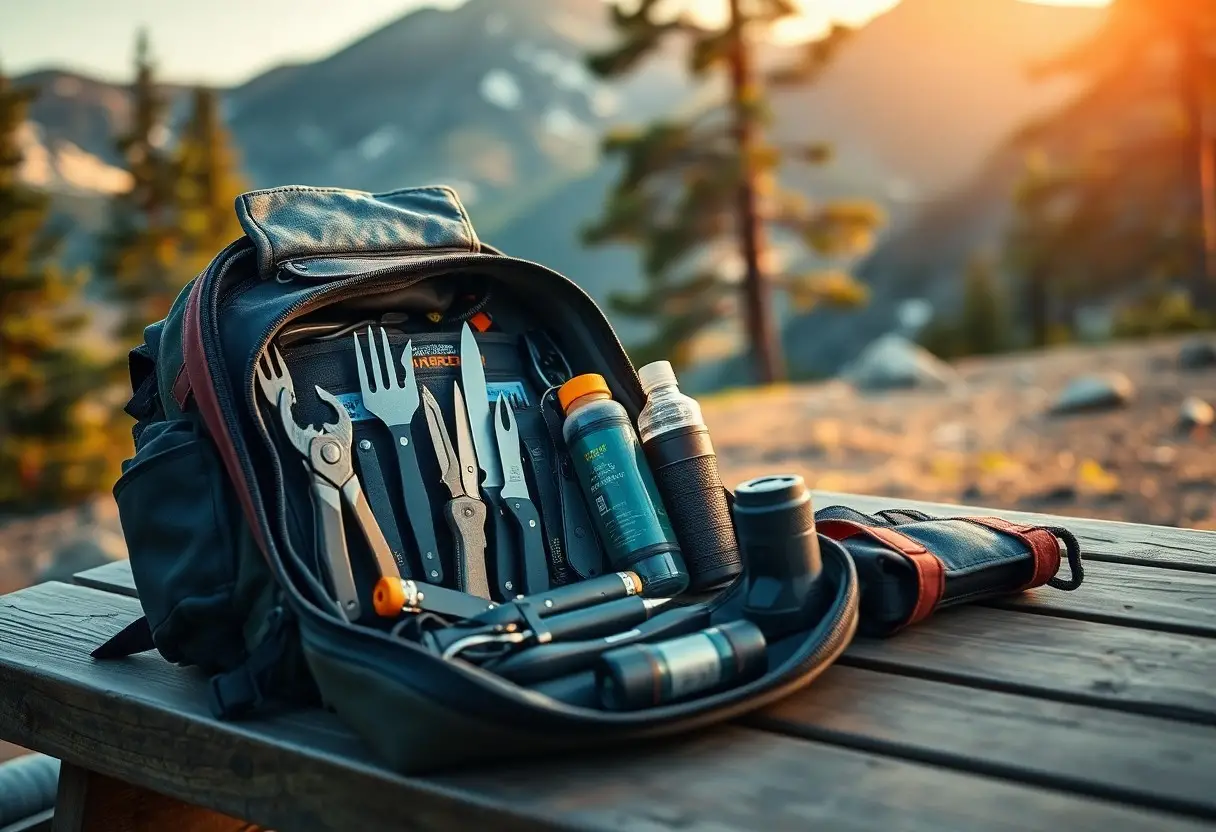
Store your multi-tools and knives in a cool, dry place to prevent rust and damage. Use sheaths or protective cases for knives to prevent blades from dulling or harming other tools. Keep your gear organized and easily accessible, ensuring you can grab what you need quickly during emergencies.
If you tend to use your tools frequently, consider a dedicated storage solution such as a tool pouch or a wall-mounted organizer. This not only protects your gear but also makes it easy to locate each item when you’re in a hurry. For long-term storage, applying a light coat of oil on metal parts can help shield against corrosion. Keeping your tools stored safely and strategically positioned will enhance your overall readiness for any situation.
Final Words
With this in mind, selecting the right multi-tools, knives, and emergency gear hinges on understanding your specific needs and scenarios. Evaluate the functionality, durability, and ease of use to ensure that your tools serve you effectively. Prioritize quality over quantity; investing in reliable gear can make a significant difference during critical moments. Familiarize yourself with each item, and practice using them to enhance your confidence and preparedness. By making informed choices, you can equip yourself with necessary tools that enhance your safety and efficiency in various situations.


