
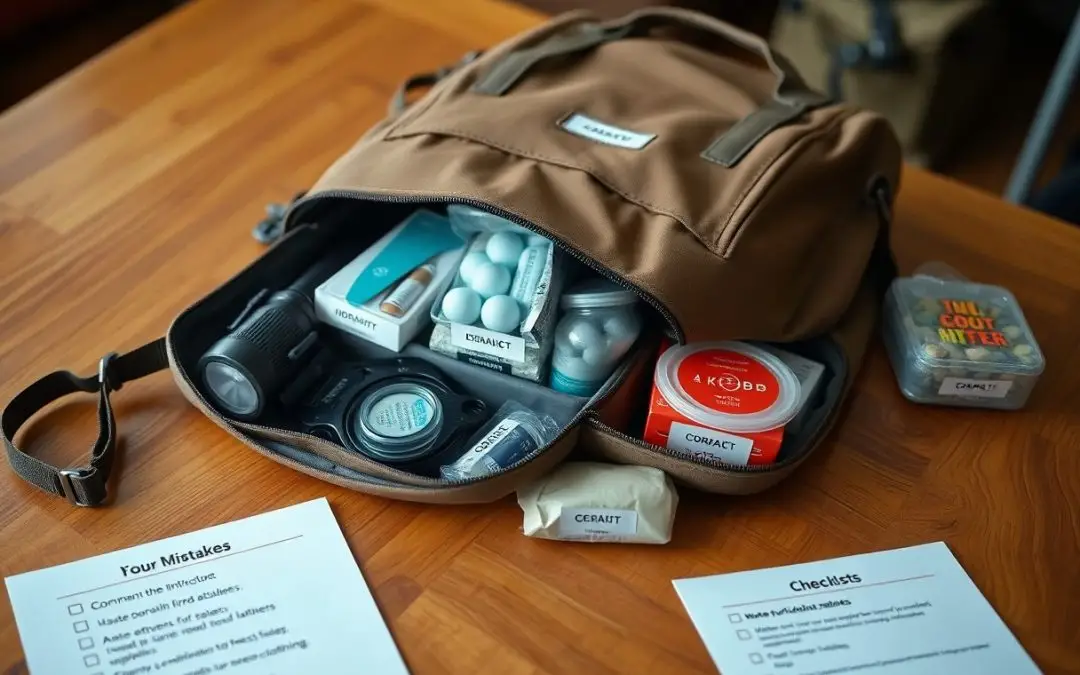
Just because you understand the importance of a go bag doesn’t mean you won’t make common mistakes when assembling it. Many people overlook vital items, choose unnecessary gear, or fail to tailor their go bag to their specific needs. In this guide, you’ll discover the typical pitfalls and learn how to effectively avoid them, ensuring your go bag is ready for any situation you may face.
Understanding What a Go Bag Is
Definition and Purpose
A go bag is a portable emergency kit designed to sustain you during a crisis or disaster situation. Its purpose is to equip you with imperative supplies that allow for mobility and survival for at least 72 hours, ensuring you can evacuate quickly and safely when necessary.
Essential Items to Include
Your go bag should contain a selection of vital items tailored to your needs. Key components typically include water, non-perishable food, a first aid kit, flashlight, batteries, a multi-tool, and personal documents. Customizing your bag based on your environment and potential threats is imperative.
Water should be prioritized, with at least one gallon per person per day for three days. Non-perishable food is critical, so consider energy bars or dehydrated meals. A first aid kit should cover basic medical needs, and including a portable charger ensures your devices remain functional. Personal documents might include identification, medical records, and cash for emergencies. Adapt your go bag contents as per your local risks and personal health needs, ensuring you’re always prepared for the unexpected.
Common Mistakes to Avoid
Identifying and avoiding common pitfalls can greatly enhance your go bag’s effectiveness. Many people overlook important details that could make a significant difference during an emergency. Focusing on the right components and tailoring the bag to your specific needs will ensure you are prepared and not overwhelmed by unnecessary items.
Overpacking Your Go Bag
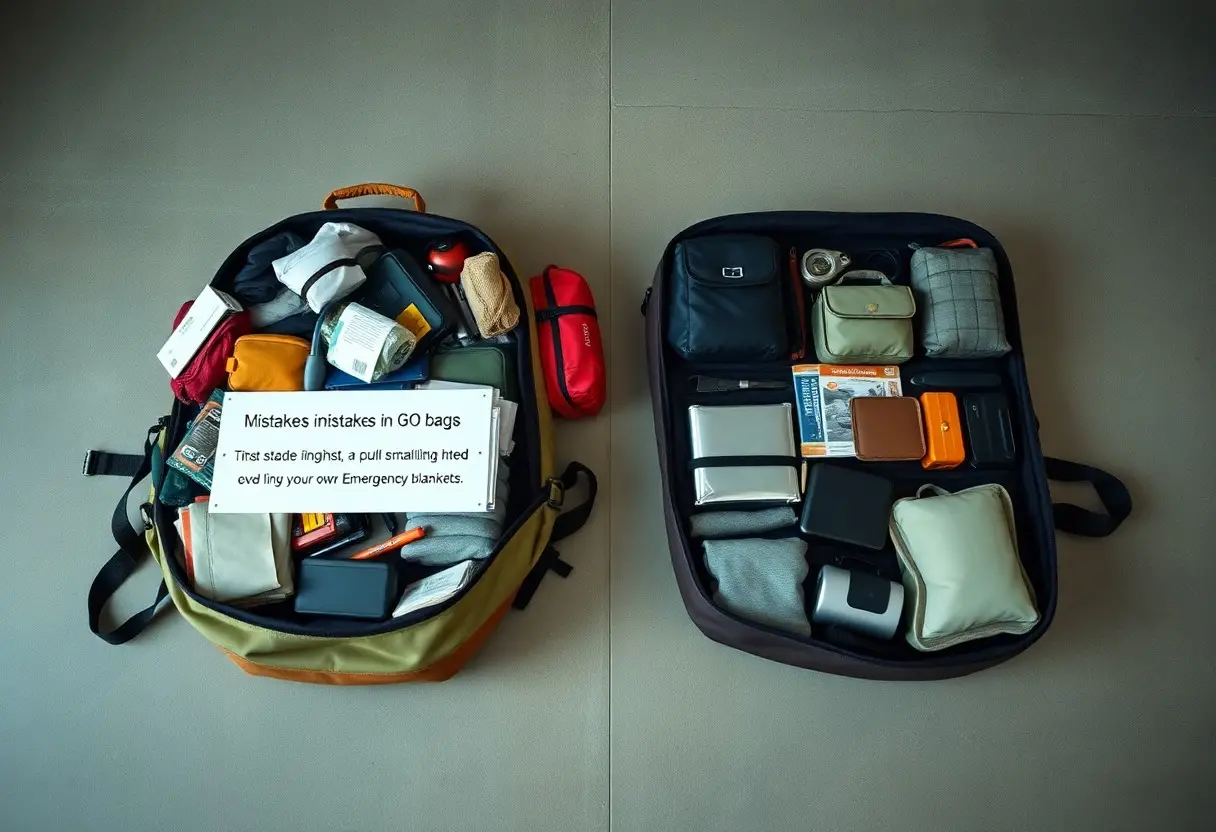
Overpacking can lead to an unwieldy go bag that is difficult to carry in an emergency. By cramming in non-important items, you increase weight and reduce mobility. Stick to importants: food, water, first-aid supplies, and critical documents. A well-organized and lightweight bag can make all the difference when you need to make quick decisions.
Neglecting Personal Needs
Each person has unique requirements that should be addressed in your go bag. This includes medications, items for infants, or important personal documents. Ignoring these needs can lead to distress during a high-stress situation. Ensure that everyone in your family is accounted for with tailored items to meet their specific situations and preferences.
Tailoring your go bag to personal needs goes beyond just physical items. Consider dietary restrictions, medical conditions, and personal comfort items like favorite snacks or a small book. For example, if you or a family member relies on specific prescriptions, be sure to include a sufficient supply, along with a copy of relevant medical information. This customization adds peace of mind and reassurance that you are prepared for various scenarios, making your go bag a truly personalized safety net. Additionally, don’t overlook the importance of including necessary supplies for pets if you have them, such as food and leashes, to ensure every family member is taken care of in an emergency.
How to Effectively Pack a Go Bag
Packing a go bag effectively requires a systematic approach, ensuring you have all necessary items while maintaining organization and accessibility. Start by creating a list of must-have items, focusing on those that will provide you with basic survival needs. Think about the scenarios you are preparing for, and tailor your bag accordingly. Prioritize multi-functional items, and consider how you can comfortably carry your bag over distances, as weight distribution plays a significant role in usability during emergencies.
Prioritizing Essentials
When prioritizing necessarys, focus on items that fulfill immediate survival needs—food, water, first aid, and shelter. Your go bag should contain at least 72 hours’ worth of supplies. Include non-perishable food, portable water, a first-aid kit, a flashlight, and a whistle. Assess your personal circumstances, including family size and any unique medical requirements, to customize the contents further.
Utilizing Space Efficiently
Maximizing space in your go bag is key to fitting all necessarys without sacrificing accessibility. Use packing techniques such as rolling clothing instead of folding to create more space. Storing items in clear, labeled small bags not only organizes your supplies but also makes it easy to locate specific items quickly, which is necessary in emergencies. Consider using compression sacks for clothing or sleeping bags, as they save space while keeping your gear dry.
To utilize space efficiently, categorize your items into prioritized groups—like food, tools, and personal items—and pack them together. Use the empty spaces in larger items, such as filling a backpack with smaller gear and snacks. Employ zippered pouches or mesh bags to segment your supplies, allowing for quick identification. Leveraging vertical space is key; place heavier items at the bottom for stability and lighter packs on top. Adopting these strategies ensures that your go bag is both compact and functional, ready for quick deployment when needed.
Tips for Customizing Your Go Bag
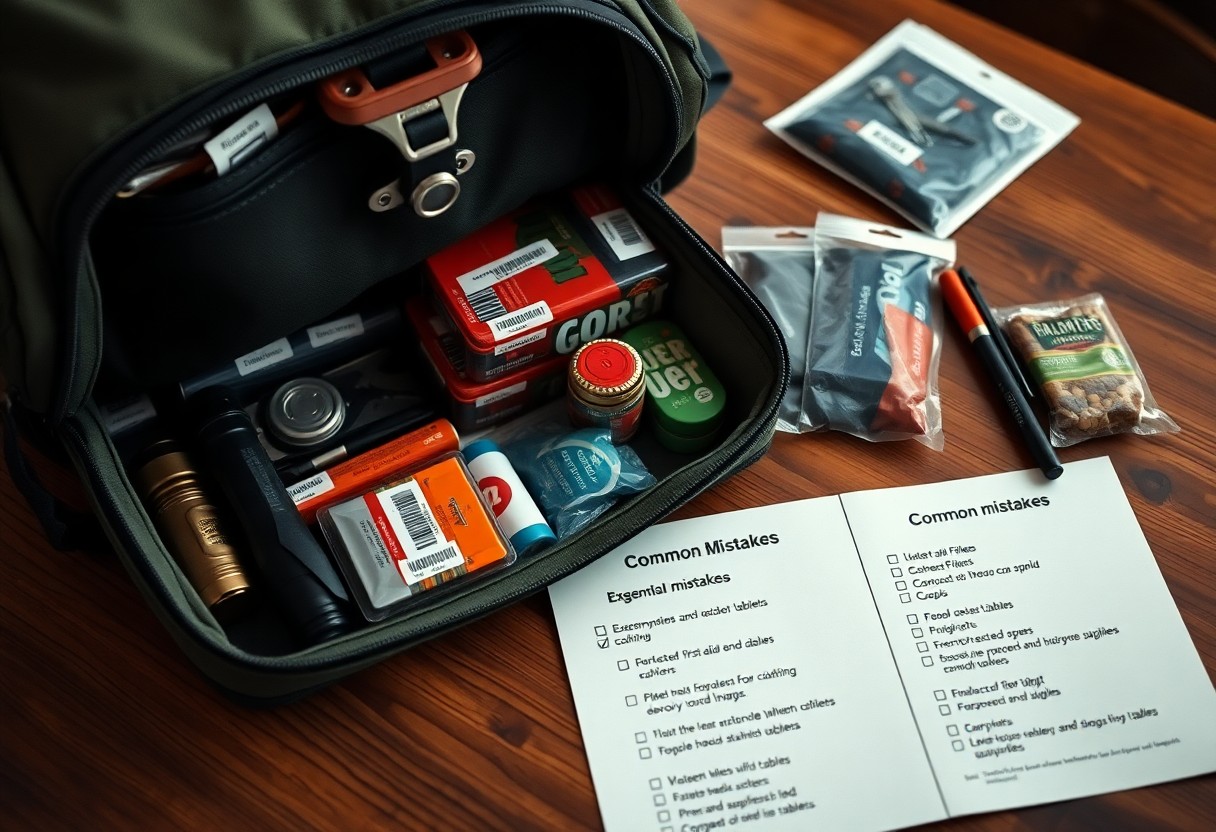
Customizing your go bag ensures that it meets your specific needs, enhancing your readiness for various situations. Consider factors like climate, duration of potential emergencies, and personal health requirements when selecting items. Focus on items that best fit your lifestyle and preferences.
- Assess the size and weight for ease of transport.
- Include comfort items, like a favorite snack or book.
- Prioritize multi-use tools to save space.
- Update supplies seasonally for optimal preparedness.
- Involve family members in decision-making.
This attention to detail can significantly improve your go bag’s utility.
Considering Family Needs
When customizing your go bag, take into account the needs of your family members. Children may require additional items such as comfort toys or specific medications. Each family member’s unique requirements must be addressed to ensure everyone has their importants during an emergency.
Adapting to Different Scenarios
Your go bag should be versatile, adaptable to various scenarios such as natural disasters, urban evacuations, or prolonged outages. Assess potential emergencies specific to your area and tailor your contents accordingly. For instance, if you live in an area prone to wildfires, include items like a dust mask and goggles. By thinking ahead, you can ensure your bag remains functional for any situation that arises.
Consider also the possibility of multiple scenarios—having a go bag for home emergencies might differ from one for road trips. If you’re preparing for an extended outdoor adventure, include gear like a portable water filter and camping supplies. Each context requires specific items, and being aware of these differences allows you to remain prepared and confident in your choices.
Factors to Consider When Choosing a Bag
Selecting the right bag for your go bag is important to maximizing its effectiveness. Key factors include size and weight, durability and weather resistance, accessibility, and organization. Each aspect plays a significant role in ensuring that you can transport your items comfortably and efficiently during an emergency. Thou, by considering these factors, you can make an informed choice that best suits your needs.
Size and Weight
Your go bag needs to be compact enough to carry but spacious enough to fit important supplies. Aim for a bag that weighs no more than 10-15% of your body weight when packed, allowing you to move swiftly without fatigue. A well-sized bag can make a significant difference when time and agility matter.
Durability and Weather Resistance
Choosing a bag made from robust, weather-resistant materials is vital for protecting your supplies from the elements. Options like nylon or polyester with waterproof coatings are ideal, ensuring long-lasting use and safeguarding your gear during adverse conditions.
Imagine being caught in a downpour with a bag that disintegrates or leaves your gear soaked. This reality emphasizes the importance of durability and weather resistance. Look for reinforced stitching, heavy-duty zippers, and non-porous fabrics. Investing in a reliable bag will provide peace of mind, knowing your items remain intact and ready for use, regardless of the situation.
Maintenance and Updates for Your Go Bag
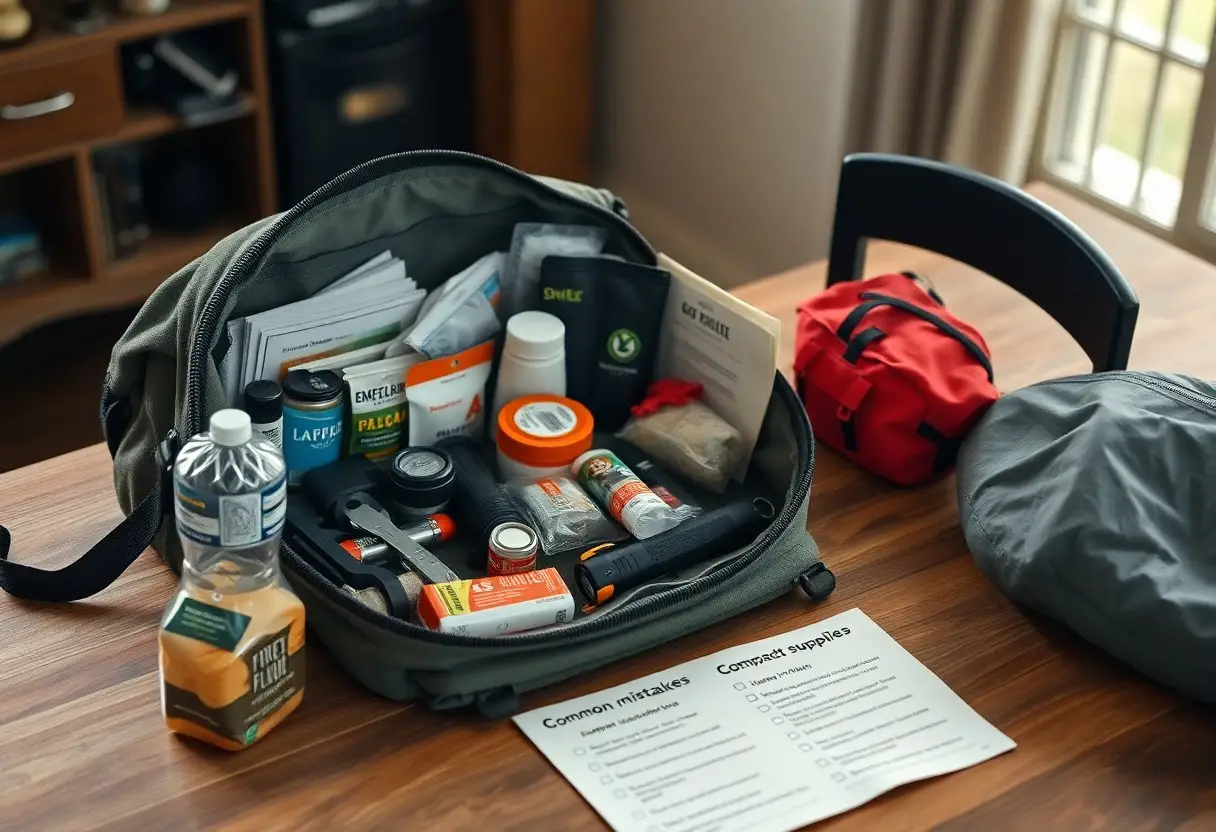
Keeping your go bag in optimal condition requires regular maintenance and updates. This ensures that your supplies remain viable and the bag itself meets your evolving needs. Regular inspection and timely replacements can make all the difference in an emergency. Establish a schedule for checking your go bag so you’re always ready for anything that comes your way.
Regularly Checking Expiry Dates
Expiry dates can sneak up on you, especially for food, medications, and other perishable items. Aim to inspect your go bag every six months, checking each item’s expiration date. Discard anything that has expired and replenish with new supplies. Keeping track of these dates ensures you are not caught off-guard when you need your go bag the most.
Upgrading Items as Needed
Your needs may change over time, and staying informed about new products can enhance your go bag’s effectiveness. As technologies evolve and your personal circumstances shift, certain items may require upgrading. Evaluate your bag’s contents periodically and replace outdated gear with more functional, compact, or advanced alternatives.
For example, consider upgrading your first aid kit to include more recent medical advancements or switching to a lightweight water filter rather than traditional purification tablets. If you’ve recently moved or expanded your family, adjust the quantity of food or gear accordingly. By ensuring that your go bag reflects your current lifestyle and incorporates the latest tools, you heighten your preparedness for unforeseen events. Investing in quality, efficient items can significantly enhance your survival capabilities when the time comes to use your go bag.
Summing up
Conclusively, avoiding common pitfalls when building your go bag is imperative for preparedness. Ensure you prioritize imperatives, select durable materials, and regularly update your supplies. Don’t overlook personalizing your bag to meet your specific needs or those of your family. Regular practice in using your go bag can enhance your confidence and efficiency in emergencies. By being mindful of these mistakes, you will create a reliable go bag that equips you for various situations.


