
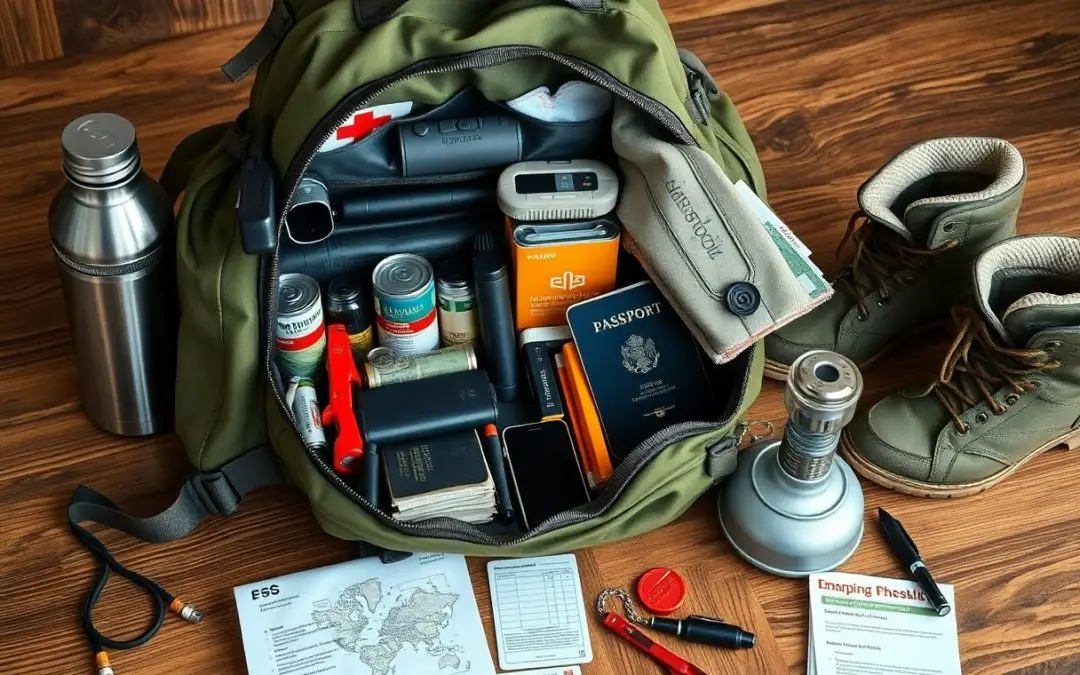
With a compact, well-organized go bag you maintain clarity under stress; packing crucials-water, first-aid, light, radio, documentation, and power-plus basic shelter and clothing lets you act quickly and confidently. Regularly checking contents and tailoring items to your needs ensures your preparedness supports calm decision-making when events unfold.
Understanding the Importance of a Go Bag
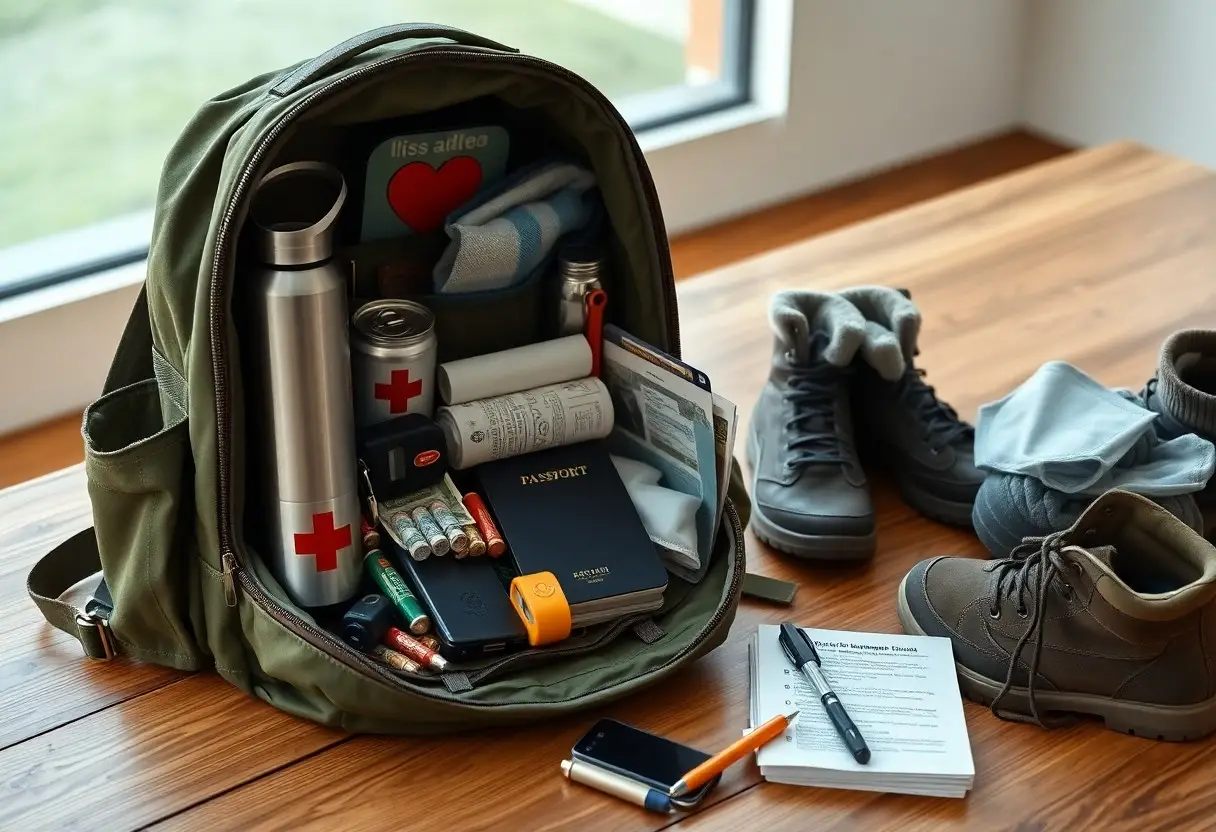
When disasters force rapid exits, your go bag keeps importants within reach for the initial 72 hours when help is most limited. Pack items that sustain you for three days-water, nonperishable food, basic first aid-and store them where you can grab them in under 60 seconds. That simple habit reduces confusion, speeds evacuation, and lets you focus on vital choices instead of scrambling for supplies.
What is a Go Bag?
A go bag is a compact, portable emergency kit you can carry on short notice-typically a backpack or duffel containing a three-day supply of water (one gallon per person per day), ready-to-eat food, important medications, copies of IDs and insurance in a waterproof pouch, a flashlight, a battery bank, and basic tools like a multi-tool and N95 mask. You tailor contents for children, pets, or special medical needs.
Reasons to Have a Go Bag
You need a go bag because evacuations are often sudden and infrastructure can fail: power outages, blocked roads, and disrupted communications are common after storms, earthquakes, or wildfires. FEMA and emergency planners advise a three-day kit to bridge the gap until aid arrives. Having supplies on hand lowers stress, preserves mobility if you must walk to safety, and keeps your important documents and medications accessible.
Practical benefits for you include reduced decision fatigue during high-stress moments, faster reunification with family, and increased ability to assist neighbors. Include specifics like a 10,000 mAh power bank, cash in small bills, two N95 masks per person, a three-day supply of prescription meds plus copies of prescriptions, and a local paper map in case GPS fails.
Essential Items for Your Go Bag
Start by packing for the first 72 hours: aim for a three-day supply of water (1 gallon per person per day) and nonperishable food like canned goods and energy bars, plus a manual can opener. Include a 1000-lumen flashlight or headlamp, extra batteries, a 20,000 mAh power bank, a multi-tool, duct tape, whistle, local paper maps, and a compact first-aid kit with foil blanket and wound dressings.
Basic Supplies
Include water purification tablets or a Sawyer squeeze filter, three days of ready-to-eat meals, and a manual can opener. Pack layered clothing, a waterproof poncho, sturdy gloves, N95 masks (two), hygiene items, and a lightweight tarp. Add signaling items – a mirror and whistle – plus copies of local evacuation routes and a battery-operated or hand-crank radio for updates when cell service is down.
Personal Items
Pack at least a 3-day supply of prescription medications in original bottles with Rx numbers, spare glasses or contacts and solution, important ID copies (driver’s license, insurance, and one passport), $100 in small bills, and a sealed list of emergency contacts and medical conditions. Include a small comfort item for children and any pet medication or documentation.
Keep a detailed medication list with dosages, pharmacy contact, and insurance policy numbers both on paper in a waterproof pouch and encrypted on a USB or cloud account you can access. Rotate medications and check expiration dates monthly; if you need refrigeration, plan for cold packs or an emergency pharmacy transfer. For implants, hearing aids, or CPAP users, add spare batteries, mask cushions, and adapter cords. After the 2018 Camp Fire, many evacuees regained access faster because they had medication lists and digital copies of documents ready to share with emergency pharmacies and shelters.
Customizing Your Go Bag
Tailoring for Family Needs
You should build for each person: pack a 72‑hour supply of water (1 gallon per person per day) and food, extra clothing sized for all ages, and kid-specific items like two days of diapers and formula or pacifiers. Add copies of IDs and prescriptions, an extra set of keys, and a family communication plan with phone numbers written on paper in case phones fail.
Considering Special Circumstances
If you or a family member uses medical equipment, pack backup power (a 10,000-20,000 mAh power bank or a spare battery), a 7‑day supply of prescriptions when possible, and copies of medical records and device settings. For pets, include 3 days of food, vaccination records, a travel crate, and any medications labeled with dose and schedule.
For mobility or sensory needs, include backup mobility aids (a lightweight folding cane or spare wheelchair inner tube), extra hearing‑aid batteries in each bag, and tactile or large‑print copies of your emergency plan. If you depend on refrigerated meds like insulin, pack an insulated cooler with gel ice packs and a thermometer, and store a 7-14 day prescription buffer if your pharmacy allows it.
Regularly Maintaining Your Go Bag
Set a quarterly schedule to inspect your go bag so water, food, batteries and prescriptions stay ready; replace unopened water every six months and swap packaged meals past their best‑by dates. Test electronics-flashlight, NOAA radio, power bank-every three months and rotate batteries annually. Log each change with dates, and update clothing sizes for children and extra meds for chronic conditions after doctor visits to avoid last‑minute scrambling.
Checking Expiration Dates
Scan labels monthly for expiration dates on prescriptions, EpiPens, OTC meds, canned goods and first‑aid supplies; an out‑of‑date antibiotic ointment or expired epinephrine can be unusable in an emergency. Water has a recommended replacement interval-six to twelve months for stored bottled water-and batteries lose capacity over time, so note manufacture dates. Use a permanent marker to write the replacement date on each item to simplify future checks.
Updating Contents for Seasonal Changes
Adjust your bag to match seasonal hazards: swap lightweight clothing and extra water for hats, sunscreen and insect repellent in summer, and add insulated layers, a warm hat and hand warmers for winter. Check that footwear fits wet or snowy conditions and include a compact tarp or rain poncho during rainy seasons. Aim to update these items at least twice a year-spring and fall-so your bag reflects current climate risks and family needs.
For example, add two N95 masks and a small smoke mask during wildfire season and replace them after heavy smoke events; in winter include chemical hand warmers (4-6 per person) and a space blanket rated to -40°F, plus extra electrolyte packets when cold increases dehydration risk. If you have a baby, rotate sizes of thermal layers and keep an extra diapering kit tailored to seasonal fabric choices to maintain warmth and dryness on short notice.
Go Bag for Different Scenarios
Natural Disasters
For earthquakes, floods, and hurricanes you should pack for 72 hours: 1-3 liters of water per person per day, three days of calorie-dense nonperishables, a battery or hand-crank radio, N95 masks, dust goggles, a whistle, manual can opener, multipurpose tool, basic first-aid, waterproof poncho, plastic sheeting and duct tape for emergency shelter, and a solar charger or 20,000 mAh power bank; store local maps and emergency contact info in both paper and digital form.
Urban Emergencies
In dense settings you face outages, transit shutdowns, fires, and unrest, so prioritize mobility and communication: a 10,000-20,000 mAh power bank, compact headlamp, pocket first-aid with tourniquet and hemostatic gauze, two N95s, $50 cash, a preloaded transit card or bike lock, folding shoes, lightweight rain jacket, and a photocopy of ID and prescriptions tucked into your bag.
Focus on items that keep you moving and informed: a 10,000 mAh bank typically gives two full phone charges, and a compact trauma kit can stop life‑threatening bleeding faster than improvised methods; download transit apps, local alert services, and offline maps, store encrypted copies of IDs and medical info in the cloud and on a USB, and practice a 60-90 second grab-and-go routine so you can evacuate in under two minutes when every second counts.
Tips for Staying Calm During Emergencies
When alarms go off, keep actions short and procedural: check on people first, secure your go bag, and move to your preplanned spot within 2-5 minutes. Use the 5‑4‑3‑2‑1 grounding method (name 5 things you see, 4 you can touch, 3 you hear, 2 you smell, 1 you taste or recall) to reduce panic in under a minute, and practice a paced breathing cycle (inhale 4, hold 4, exhale 6) to steady your heart rate. This structured routine helps you stay clearheaded and effective.
- Prioritize actions so you and your family finish the initial safety check within 3 minutes.
- Keep a wristband or card with your medical info and emergency contacts so responders can help you faster.
- Assign roles in advance so you know who gets kids, pets, and who grabs the go bag.
- Practice a 60‑second breathing or grounding routine and keep the steps in your bag for quick reference.
Mental Preparedness
You build mental preparedness by rehearsing decisions: visualize three exit routes from your home, map two meeting points, and script a 60‑second checklist to grab your go bag. Write down emergency phone numbers and a one‑page plan on an index card, and review it for 10 minutes weekly so actions become automatic. Set calendar reminders to update supplies every 12 months and practice the plan at different times of day to reduce surprises.
Training and Practice
You should take a 2-4 hour CPR/AED and basic first‑aid course and consider the standard 20‑hour CERT program to learn fire suppression, light search, and incident command basics. Run family drills quarterly-simulate power loss, night evacuations, or blocked routes-and time your go bag grab until you can do it in under 90 seconds. Train with children, seniors, and pets so procedures work for everyone involved.
Start drills with a written scenario, set clear objectives (time to assemble, who evacuates), and debrief with a 5‑minute checklist to note failures and fixes. You should aim to improve one metric each drill-reduce assembly time by 20% or confirm battery swaps-so you track progress; for example, a household that practiced quarterly cut go‑bag retrieval from 4 minutes to 70 seconds in six months. Include neighbors or local CERT for realism and feedback.
Summing up
So you stay calmer and act faster when your go bag holds reliable basics: water, first aid, light, important documents, simple tools, and a few comfort items; keep supplies rotated, tailor contents to your needs, and rehearse quick grabs and simple tasks so your response is orderly and effective under stress.


