
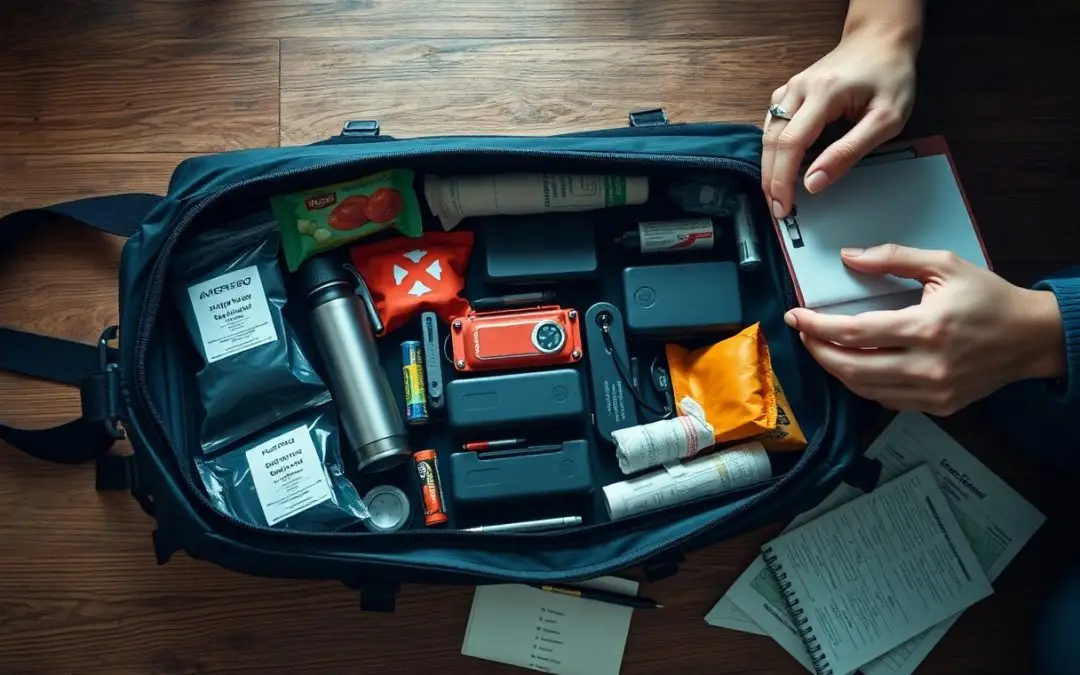
Many emergencies happen without warning, so you should assemble a compact go bag that covers shelter, water, light, communication, first aid, and basic tools; include a multi-tool, flashlight with extra batteries, potable water, high-calorie snacks, an emergency blanket, a portable phone charger, copies of important documents, and any necessary medications to ensure you can move safely and stay operational until help arrives.
Understanding the Importance of a Go Bag
When disaster strikes, a well-packed go bag lets you move within minutes and sustain yourself for at least 72 hours. FEMA advises a three-day supply, and you should include 3 liters of water per person per day, nonperishable food, a basic first-aid kit, flashlight, and copies of critical documents. In many urban evacuations you may have only 10-15 minutes to leave, so keep the bag by your door or in your car for immediate access.
Definition of a Go Bag
Think of a go bag as a compact grab-and-go kit containing crucials to keep you functional and safe for 72 hours; it’s not long-term storage. You should pack water, three days of food, necessary medications (with a 7-14 day buffer if possible), a portable battery bank (10,000 mAh), multi-tool, local maps, cash ($100-200), copies of IDs/insurance, and a small shelter or poncho tailored to your climate and mobility needs.
Situations Requiring a Go Bag
You’ll need a go bag for abrupt evacuations from hurricanes, wildfires, floods, earthquakes, hazardous material incidents, or civil unrest. For instance, California wildfires can prompt neighborhood evacuation orders with less than an hour’s notice, and floods may isolate homes for several days. Evacuation orders-whether mandatory or recommended-turn mobility and basic supplies into immediate priorities, making a ready bag invaluable.
Plan by scenario: include waterproof document pouches for floods, a dust mask and wrench for gas shutoff after earthquakes, and a NOAA weather radio plus extra batteries for storms. If you depend on prescription meds, keep a 7-14 day supply and a printed medication list with dosages. Also prepare for pets with three days of food and a carrier, and keep the bag light enough to carry at least one mile comfortably.
Essential Supplies for Your Go Bag
Start with multi-use gear and prioritize items that keep you alive and mobile for 72 hours: a 3-day supply of water and food, layered clothing, a flashlight with extra batteries, a compact sleeping bag, basic tools (multi-tool, duct tape), and copies of IDs and prescriptions in a waterproof pouch. You should aim for lightweight, durable pieces-example: a 2-liter capacity collapsible water bladder, a 200-lumen headlamp, and a 20-30°F rated bivy sack-so your bag balances endurance with portability.
Food and Water
Store at least one gallon of water per person per day for three days and include a compact filter such as a LifeStraw plus 20 purification tablets for backup. Pack calorie-dense, nonperishable foods: three MREs or several 400-500 calorie meal bars, 3 servings of ready-to-eat tuna or nut packs, and a small camping stove with fuel if space allows. Make sure you rotate every 12-24 months.
First Aid and Medications
Assemble a kit with assorted adhesive bandages (20), sterile gauze pads (4 x 4, six), adhesive tape, antiseptic wipes, antibiotic ointment, tweezers, scissors, a CPR face shield, instant cold pack, and a tourniquet or hemostatic dressing for severe bleeding. Include over-the-counter analgesics, antihistamines, and a seven-day supply of any prescription medications in original containers. You should also pack personal medical info and contact numbers in a waterproof sleeve.
Keep medications rotated and stored in a waterproof, temperature-stable container; check expiration dates every six months and replace items used or expired. You should carry a printed list of dosages, allergies, and the generic names of prescriptions, plus a pill organizer for daily doses. Consider a compact first-aid manual and training in bleeding control or CPR-studies show basic first-aid training increases survival odds in trauma situations.
Tools and Equipment
Pack compact, multi-use tools and light shop items that shave weight without sacrificing capability: a folding shovel, a 50 ft (15 m) length of 550 paracord, a mini roll of duct tape, zip ties, and a small roll-up toolkit. Aim for items that let you build shelter, secure gear, and improvise repairs during the first 72 hours; prioritize pieces under 1 lb (450 g) when possible so your bag stays mobile.
Multi-tools and Survival Gear
Carry a full-size multi-tool like a Leatherman Wave or Gerber Suspension for pliers, cutters, screwdrivers and a locking blade; add a compact fixed-blade knife for heavy tasks. Include a ferrocerium rod and waterproof matches for reliable fire-starting, a lightweight folding saw, a 25 ft (7.6 m) utility cord, and a whistle with a 120 dB output for signaling. Keep total tool weight near 12 oz (340 g) when feasible.
Lighting and Navigation Tools
Bring a headlamp rated 300-500 lumens for hands-free tasks and a compact 1000-lumen flashlight for signaling; pack at least 2 sets of spare batteries or a dedicated 18650 rechargeable cell. Stash a reliable magnetic compass, topographic map of your region, and a portable power bank of 10,000-20,000 mAh to recharge phones and GPS units; a 5-10W foldable solar panel can extend endurance.
Focus on battery strategy: carry one rechargeable 18650 plus two spare AA/AAA sets so you can swap as needed, and store batteries in a waterproof case. Choose a headlamp with both flood and spot beams-flood for close tasks, spot for long-range navigation-and expect a 300-lumen setting to run roughly 6-12 hours depending on mode. Consider a satellite messenger or PLB like Garmin inReach if you’ll be beyond cellphone coverage.
Clothing and Shelter
Your clothing and shelter choices determine how long you stay functional in the first 72 hours; prioritize a 3-layer system (moisture-wicking base, insulating mid-fleece 100-300 g/m² or 200 g merino-and a waterproof breathable shell with ≥10,000 mm WP rating), two pairs of socks per day plus one spare, a warm hat and gloves, and a compact shelter option such as a 1.2-1.5 kg 2-person tent or a tarp-plus-paracord setup to protect you from wind and rain.
Appropriate Clothing for All Weather
Dress for activity and temperature swings: carry a lightweight merino or synthetic base (150-200 g), a mid-layer fleece or synthetic jacket, and a packable down with 600-800 fill for sub-freezing nights; add a waterproof shell and insulated gloves. You should avoid cotton, rotate socks daily, and keep a lightweight pair of waterproof overpants or gaiters if you expect mud or heavy rain.
Emergency Blankets and Shelter Options
Include a Mylar/space blanket (~50 g, reflects ~90% body heat) for emergency warmth, an ultralight bivy (150-300 g) for quick shelter, and a tarp or lightweight tent depending on weight tolerance-tarps often weigh 200-400 g, while durable 2-person tents run 1.2-1.8 kg. Pack 10-20 m of 550 paracord and a few carabiners to rig shelters fast and secure them against wind.
Use the Mylar as an emergency wrap or groundsheet; packable bivies with a 10,000 mm+ waterproof rating reduce water ingress but need venting to limit condensation. For tarps, pitch an A-frame with a 2-3 m ridgeline and guy points; a 1.5 kg tarp-plus-ropes setup can shelter two and offers faster deployment than many tents when you practice the knots and angles beforehand.
Personal Documents and Information
Keep originals, certified copies, and encrypted digital backups together so you can prove identity, access benefits, and speed claims after displacement. Store passports, IDs, insurance policies and deeds in a waterproof pouch, scan them to a password‑protected cloud and an encrypted USB, and date‑stamp files; having both physical and digital copies helps you recover faster and meet paperwork deadlines following an evacuation.
Important Documents to Include
Include passport, driver’s license, Social Security card, birth/marriage certificates, insurance policies with policy numbers, mortgage/lease or deed, vehicle title, wills and power of attorney, medical and vaccination records, prescription lists, and pet records (microchip number, shots). Keep originals when possible plus two paper copies, one in your go bag and one stored off‑site or in the cloud for redundancy.
Contact Information and Emergency Plans
List 3-5 emergency contacts (prioritize an out‑of‑area contact), your primary care provider, pharmacy, insurer with the 24/7 claims line, utility providers, and local shelter numbers; mark one contact as “ICE” in your phone and on a wallet card. Add your home address, evacuation meeting point GPS coordinates, and key account numbers to expedite assistance and recovery tasks.
Designate an out‑of‑area contact to act as a centralized information relay, choose two meeting points (one nearby, one outside the area) and write their GPS coordinates on paper. Program contacts in your phone and on a laminated card, carry a charged power bank, and rely on SMS or low‑data apps like Signal or WhatsApp when voice and data are congested; U.S. citizens should consider enrolling in STEP and keep the American Red Cross (1‑800‑REDCROSS) and local emergency numbers accessible.
Maintenance and Updating Your Go Bag
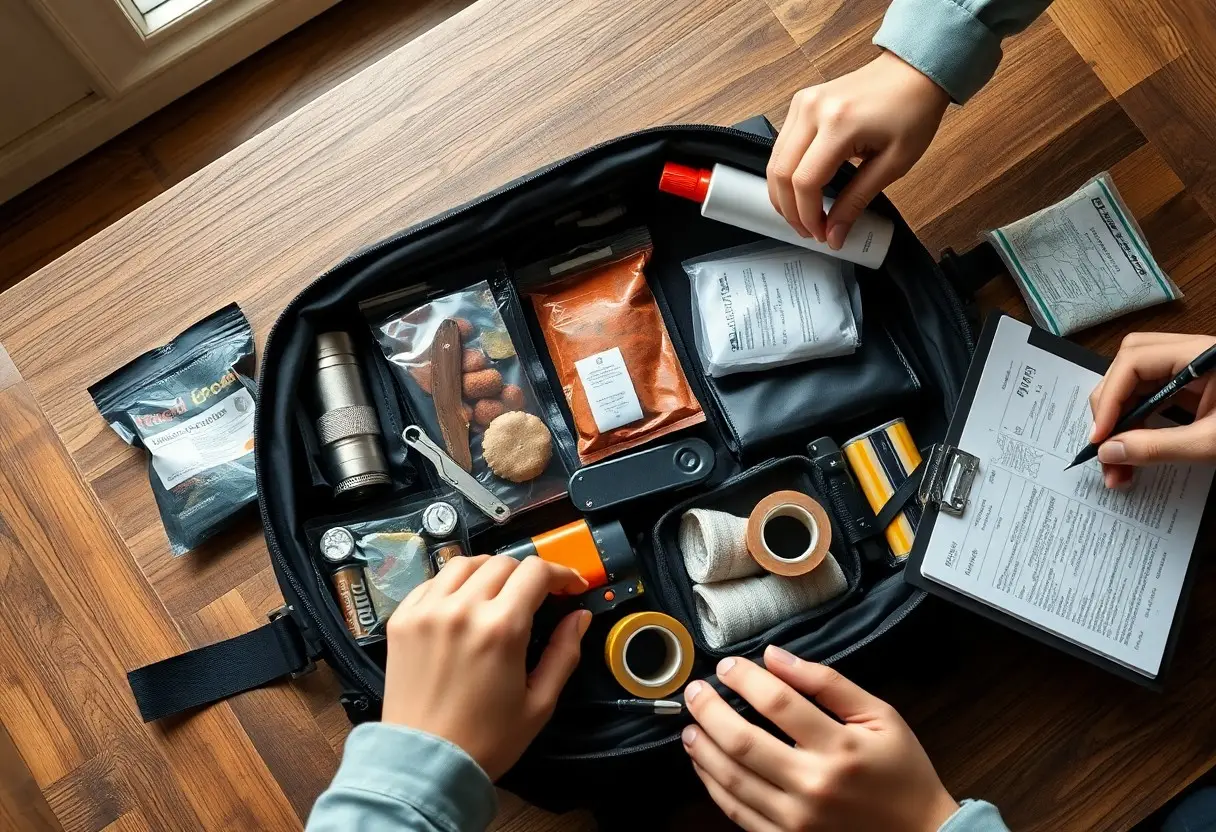
Keep your go bag dependable by scheduling checks: do a quick visual inspection monthly, run a full inventory every three months, and perform an annual overhaul. You should set calendar reminders, label items with purchase dates, and track replacements in a simple spreadsheet or app. Swap perishable food and water on a 6-12 month cycle, replace alkaline batteries annually, and treat prescription meds per their expiration-this prevents surprises when you need that 72-hour kit most.
Regularly Check Expiration Dates
Scan dates on meds, OTC supplies, freeze-dried meals, and first-aid consumables at least quarterly; prescription drugs must be replaced at expiry, and many emergency meals retain quality 3-5 years depending on packaging. Water in store bottles should be rotated every 6-12 months, while electrolyte powders and saline may expire sooner. Use a dry-erase checklist inside the bag or set phone alerts to log replacements and avoid digging through expired items during an emergency.
Adjusting for Seasonal Needs
Swap gear seasonally: add an insulated jacket, winter-rated sleeping bag (rated to −10°C/14°F if you’re in cold climates), and chemical hand warmers for winter; switch to a wide-brim hat, SPF 30+ sunscreen, 1-2 extra liters of water, and DEET 20-30% insect repellent for summer. You should also change clothing layers-base, mid, shell-to match temperature and moisture management needs so your bag stays functional year-round.
Run a seasonal checklist every March and September: test waterproofing, inspect seams and zippers, replace moisture absorbers, and repack items in vacuum or compression sacks to prevent condensation. In winter, prioritize extra calories (add 1,500-2,000 kcal/day ration options) and fuel for heating; in summer, focus on hydration (carry a 3L bladder if hiking) and heat-stroke prevention. Field-test new seasonal additions on a weekend trip to ensure fit and usability before relying on them in an emergency.
Conclusion
Hence you will be grateful you prepared a compact, well-stocked go bag that covers shelter, water, food, first aid, communications and documentation; organizing and tailoring items to your needs ensures you can act quickly, stay safe, and help others until normal services resume.


