
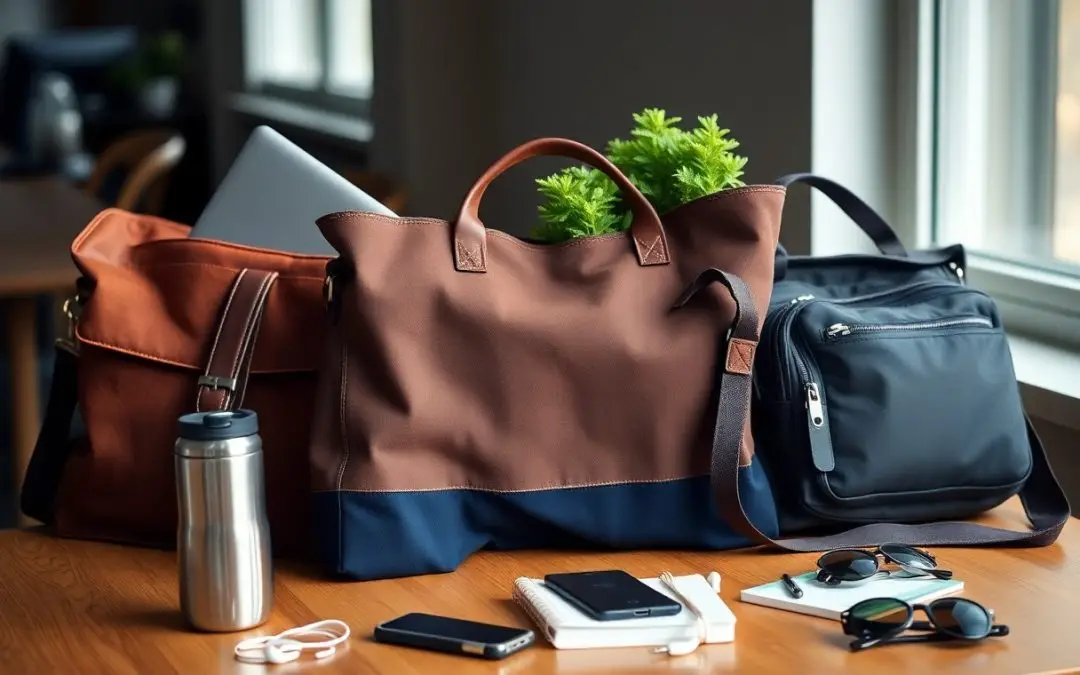
Over time, you’ll identify a small, versatile rotation of bags that reliably cover commuting, errands, and social plans: a durable tote for work and groceries, a compact crossbody for hands-free days, a backpack with organized compartments for tech and transit, and a lightweight pouch for crucials-each selected to optimize your comfort, organization, and mobility.
The Importance of Having the Right Bag
Choosing the right bag directly impacts your daily efficiency: you save minutes searching for items and avoid damaged tech like a 15-inch laptop without a padded sleeve. When commuting, a 10-15L daypack that weighs under 1kg with water-resistant fabric prevents soggy notebooks and keeps a 500ml bottle upright. You also reduce shoulder strain by matching strap width to load-wider straps for heavier daily loads and a crossbody strap for quick access on crowded transit.
Functionality versus Style
Balancing looks and performance means deciding what you prioritize: a leather tote scores high on style but often lacks water resistance and internal organization, while a nylon backpack with Cordura 500D offers durability, an RFID pocket, and anti-theft zippers. You can get both by choosing hybrid designs-clean silhouettes with hidden compartments-or by using modular inserts to maintain aesthetics while gaining three-to-five internal pockets, laptop protection, and a breathable back panel.
Everyday Essentials to Consider
Pack items that match your day: phone, wallet, keys, 13-15″ laptop or tablet in a padded sleeve, 10,000 mAh power bank, compact 500ml bottle, earbuds, folded umbrella (≈240g), a small toolkit or multi-tool, and a lightweight snack. You should also include hygiene basics like hand sanitizer and SPF30 sunscreen if you spend time outdoors, plus a packable tote for unexpected shopping or gym gear.
Think about placement: put heavy items like the laptop closest to your back and use a zippered front pocket for transit cards or your phone for sub-5-second access. You may add a 20×12 cm modular pouch for chargers and cables, and an RFID-lined pocket for cards-this reduces clutter and makes daily retrieval predictable, shaving seconds off frequent tasks and preventing spills or scratches inside the main compartment.
Types of Go-To Bags for Daily Life
You’ll encounter five practical bag types that cover most daily scenarios, from a 10-20 L tote that fits a 13″ laptop to a 15-30 L backpack built for commuting and a 2-6 L crossbody for imperatives; satchels give a polished 5-12 L option for meetings while messenger bags offer quick-access 8-14 L carry. Use the quick list and table below to match capacity, material, and organization to your routine. After deciding on capacity and access, focus on strap comfort and pocket layout.
- Tote Bags
- Backpacks
- Crossbody Bags
- Handheld Satchels
- Messenger Bags
| Tote Bags | 10-20 L; canvas or leather; fits 13″ laptop; best for errands and office |
| Backpacks | 15-30 L; padded laptop sleeve; optimal for commuting and light travel |
| Crossbody Bags | 2-6 L; compact, hands-free; ideal for daily imperatives and transit |
| Handheld Satchels | 5-12 L; structured leather, top handle; suited to meetings and polished looks |
| Messenger Bags | 8-14 L; single-strap access; useful for cyclists and quick urban commutes |
Tote Bags
You’ll rely on totes for versatile capacity-most hold 10-20 liters and accommodate a 13″ laptop, a water bottle, and a notebook; canvas market totes cost under $30 and work for groceries, while structured leather totes at $150+ elevate office wear, so match material to your daily load and aesthetic.
Backpacks
You should pick a backpack with 15-30 L capacity for commuting: a 20 L daypack holds lunch, a 13-15″ laptop in a padded sleeve, and a light jacket; seek sternum straps and ventilated back panels if you walk or bike to work.
When you need more detail, compare daypack types: commuter packs often include 15-20 L with organized pockets and USB ports, while travel-friendly 25-30 L options add lockable zippers and luggage passthroughs; for cycling, choose models with reflective accents and hydration compatibility, and test strap fit-proper load distribution reduces shoulder strain by up to 30% in studies of ergonomic carry.
Crossbody Bags
You’ll favor crossbodies for hands-free convenience-2-6 L sizes hold phone, wallet, keys, and a small power bank; adjustable straps let you wear them high for security or low for comfort, making them common picks for transit and quick errands.
For deeper use cases, prioritize anti-theft features like lockable zippers and slash-resistant straps when you travel; materials matter too-nylon options under $60 resist rain, while leather variants at $120+ age well; measure strap drop so the bag sits at hip level for easy access without hindering movement.
Handheld Satchels
You’ll choose a handheld satchel when you need a refined silhouette: 5-12 L structured designs include internal organization for phone, pens, and a small tablet, and often come with an optional shoulder strap so you can switch between formal and hands-free modes.
To get the most from a satchel, inspect hardware and seam reinforcement-high-use models with solid brass fittings and full-grain leather last years longer; pick interior pocket layouts that separate your phone from keys, and consider a 9-11″ width if you carry a tablet or compact notebook regularly.
Choosing the Right Material
Durability and Maintenance
Compare materials like full-grain leather, waxed canvas, Cordura 500D/1000D and ripstop nylon by abrasion resistance, weight and upkeep. You’ll trade lighter weight (nylon 200-420D) for higher abrasion resistance (Cordura 1000D), while leather can last 10-30 years but adds 1-2 lbs. For upkeep, condition leather every 6 months, rewax canvas every 6-12 months, and expect PU/DWR coatings on nylon to need refresh after roughly 20-30 washes.
Weather Resistance
You need to distinguish waterproof from water-resistant: DWR-coated nylons and waxed canvas resist light rain, whereas true waterproof solutions (Gore-Tex or taped seams) with hydrostatic head ratings above 10,000 mm handle sustained downpours. Also evaluate closures-waterproof zippers, roll-top designs and storm flaps cut water ingress dramatically; in comparative tests taped seams reduced leakage by over 90% versus untreated seams.
You can restore weather protection with targeted maintenance: reapply DWR sprays (Nikwax, Grangers) every 3-6 months or after 15-30 washes, use seam sealer on needle holes, and replace worn waterproof zippers. For routine commuters, a taped-seam backpack plus an integrated rain cover or roll-top closure is a reliable combo-many users report staying dry through multi-hour storms when both measures are present.
Size Matters: Finding Your Perfect Fit
You can match bag capacity to your daily load: a compact crossbody (3-6L) handles phone, wallet, keys; a commuter backpack (15-25L) carries a 13-15″ laptop, 1L water bottle, and a light jacket; a tote (20-30L) fits groceries or gym shoes. For laptops, measure screen diagonal-13″, 14″, 15″-and leave 1-2 cm padding space. If you switch roles during the day, aim for a versatile 15-18L pack that balances carry space and mobility.
Compact vs. Spacious
If you travel light, a compact 3-8L bag keeps crucials organized and forces intentional packing; typical pockets hold phone, keys, wallet and a small power bank. Conversely, a spacious 18-30L bag lets you stash a 15″ laptop, a 750ml water bottle, a sweater, and a meal prep container. Match bag size to your routine: urban errands favor under-10L; mixed work-and-gym days need 18-25L to avoid overstuffing or daily transferring.
Organizing Your Bag Efficiently
Use modular pouches-tech, toiletries, and daily crucials-and assign each item a dedicated pocket so you always know where things live. Place frequently used items like transit cards and keys in quick-access compartments; keep cables in a 20×10 cm zip pouch and pens in a slim sleeve. Aim for three core zones: tech, hydration/food, and personal items to reduce rummaging during busy commutes.
If you commute five days a week, try this setup: padded sleeve for a 13-15″ laptop, 750ml bottle in a side pocket, a 10×15 cm zip pouch for cables and battery (label each cable), and a slim wallet in a top zip for receipts. For a 20L backpack, use two medium pouches plus a packing cube for gym gear; in trials this system cut average item retrieval time from about 45 seconds to 18 seconds, making transitions faster and less stressful.
Accessorizing Your Go-To Bag
Small additions transform how your bag performs: attach an AirTag or Tile for tracking, clip a compact flashlight or multitool for emergencies, and use color-coded zipper pulls to speed access. You can limit key attachments to 2-4 imperatives to avoid bulk, swap leather accents for nylon when commuting in rain, and choose matte hardware to reduce snagging on jackets and fabric pockets.
Keychains and Tags
Choose quick-release carabiners or detachable key rings so you can unclip keys without emptying the bag, and mix materials-paracord for durability, leather for style. Add a visible luggage tag or ID card sleeve if you switch bags frequently, and consider one GPS tracker (AirTag or Tile) tucked into an inner pocket to locate your bag within seconds when mislaid.
Organizational Inserts
Use inserts to create dedicated zones: a 6-card sleeve, a zippered coin pocket, pen loops, and a padded 11″ tablet sleeve fit neatly in 8-15L bags. Modular organizers let you remove or swap components between a tote, sling, and backpack, while clear pouches speed security checks and reduce time spent fishing for chargers or receipts.
Materials matter: neoprene inserts typically weigh 50-150 g and resist stains, nylon offers lightweight abrasion resistance, and leather provides structure and polish. Look for velcro or snap modularity so you can rearrange compartments; a common layout that works for many users is a front quick-access phone pocket, central cable/charger pouch, and rear padded sleeve for a small tablet or notebook.
Caring for Your Bag: Maintenance Tips
When spills happen, blot liquids immediately with a microfiber cloth and air-dry bags within 24 hours to prevent stains and mildew. For leather, condition with a pH-balanced cream every 6 months; canvas fares well with gentle soap and a soft brush. You should check hardware and seams monthly and rotate daily-use bags weekly to spread wear. Recognizing small rituals like these can add years to your bag’s life.
- Blot spills within 24 hours
- Condition leather every 6 months
- Deep-clean canvas or nylon every 3 months
- Inspect seams and hardware monthly
Cleaning Practices
Address spots within 24 hours: dab with mild soap and lukewarm water for canvas and nylon, test any leather cleaner on a 1-inch hidden area first, and use a suede brush for naps while avoiding water on suede. You should deep-clean canvas or nylon every 3 months, wipe metal hardware with a dry microfiber cloth to prevent tarnish, and treat oil stains gently with diluted dish soap rather than aggressive scrubbing.
Storage Best Practices
Empty your bag, open all pockets, and stuff with acid-free tissue or a rolled cotton tee to preserve shape; then place inside a breathable dust bag and store upright on a shelf. You should avoid plastic and basements-aim for relative humidity around 40-60% and temperatures near 15-20°C (59-68°F). Rotate seasonal bags every 2-3 months to prevent permanent creasing.
If a bag has a detachable strap, remove it to prevent stretching; hang straps inside the bag when removal isn’t possible. Use silica gel packets (one per 0.5 cubic foot) to control moisture, keep leather away from direct sunlight to avoid fading, and inspect stored bags every 3 months for pests, mildew, or color transfer so you can act quickly if issues appear.
Conclusion
On the whole, your go-to bags for daily life should balance function, durability and style so you can carry importants comfortably and confidently; choose designs with organized compartments, reliable closures and materials suited to your routine, and prioritize fit and weight to reduce strain-investing in a versatile bag means you’re ready for work, errands and unexpected needs without sacrificing comfort or appearance.


