
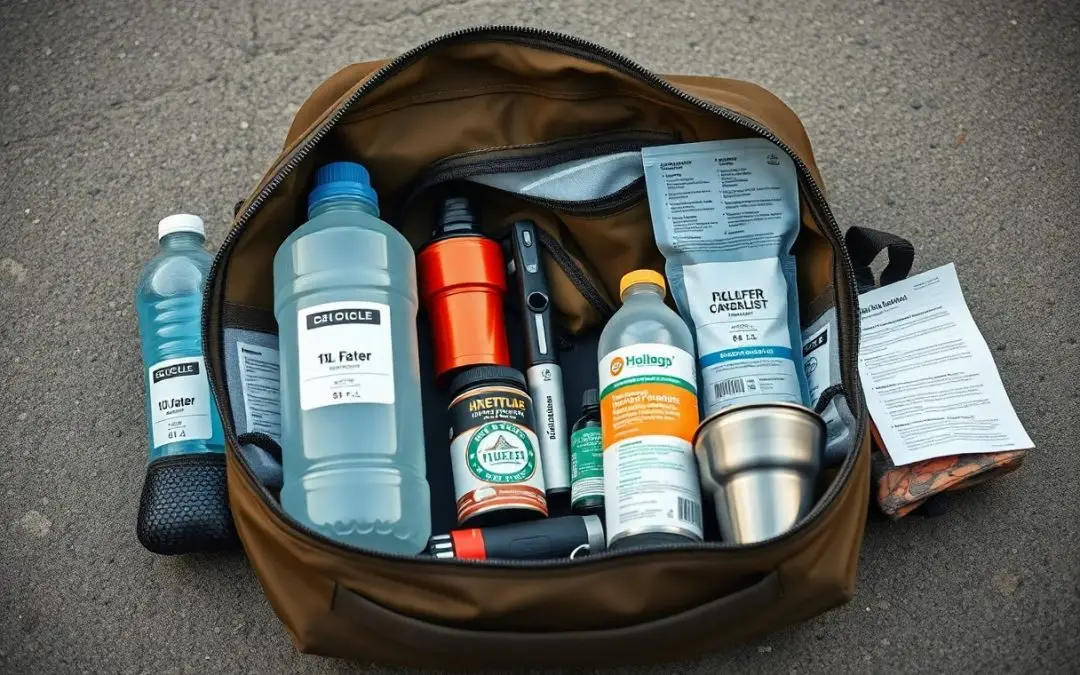
You should pack a prioritized go bag with water, nonperishable food, shelter, first aid, tools, lighting, and communication gear to survive 72 hours; this concise guide explains what to include, why each item matters, and how to organize for rapid evacuation.
Key Takeaways:
- Water and purification: pack about 3 liters per person per day (roughly 9 liters for 72 hours) plus purification tablets or a compact filter.
- Food and fuel: include 72 hours of high-calorie, nonperishable foods (energy bars, MREs, canned goods) and a small stove or fuel source if cooking is needed.
- Shelter and warmth: carry an emergency blanket or bivvy, lightweight tarp or poncho, spare clothing, and insulation layers for changing temperatures.
- Medical and hygiene: bring a comprehensive first-aid kit, a 72-hour supply of prescription medications, basic sanitation supplies, and wound-care items.
- Tools and communication: include a multi-tool, reliable light source with spare batteries or hand-crank, NOAA/emergency radio, whistle, paracord, duct tape, and copies of IDs and emergency contacts with some cash.
Selecting the Foundation: The Tactical Pack
Choose a pack that matches your torso length and includes an adjustable hip belt so you can transfer the bulk of the load off your shoulders and keep agility when you move.
Inspect zippers, buckles, and seams for quality and water resistance; you should prefer simple, repairable designs that won’t fail when exposed to grit or rain.
Material Durability and Weight Distribution
Durable fabrics like 500D nylon or Cordura and reinforced stitching at stress points will extend service life, while a padded back panel and sternum strap help you keep the center of mass stable.
Capacity Requirements for 72-Hour Mobility
Plan on a core capacity of roughly 20-35 liters for foot-mobile operations, arranging space so food, water, shelter, and medical items are each quickly accessible.
Balance heavier items close to your spine and low in the pack to reduce fatigue, and use compression straps to minimize shifting on rough terrain.
Consider modular pouching for water, first aid, and cooking gear so you can shed nonvital load or reconfigure quickly based on distance and available transport.
Hydration and Water Sterilization
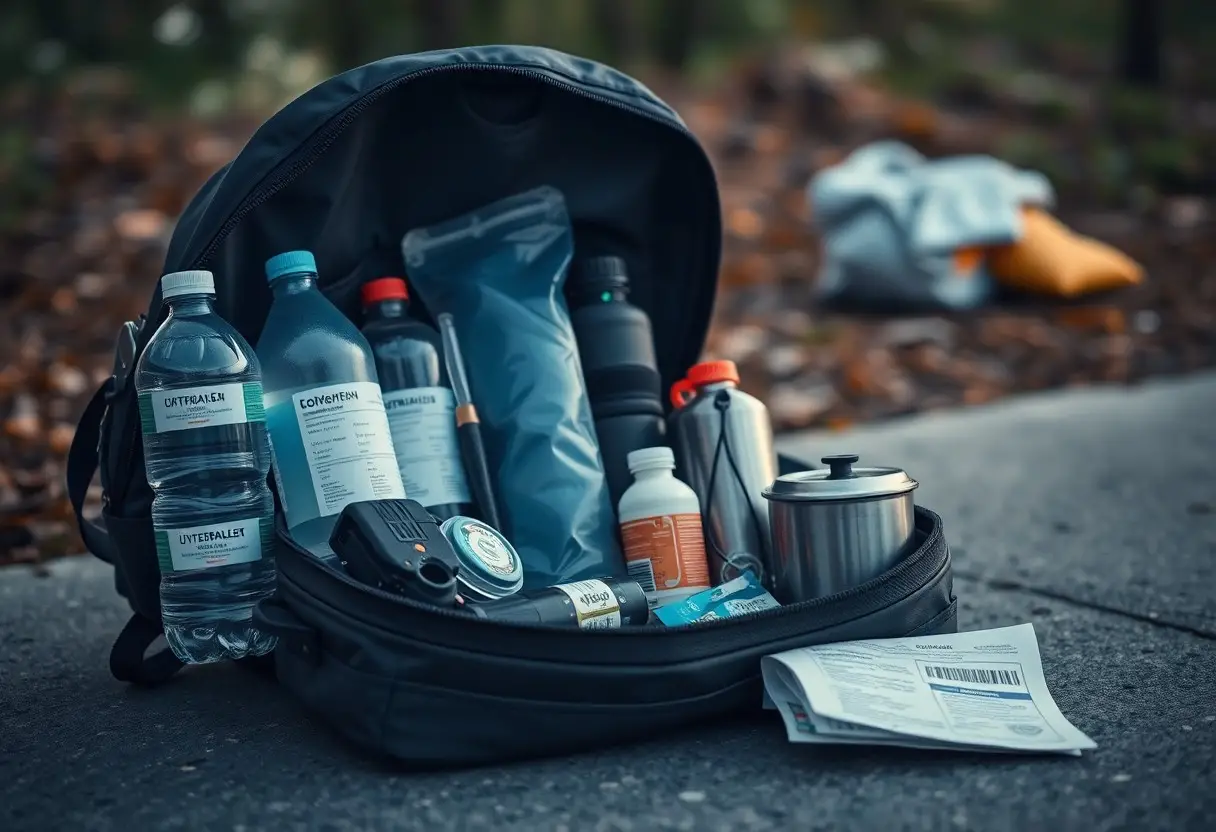
Carry at least three liters of water per person for 72 hours, plus extra for heat or exertion, and ensure you choose durable bottles or collapsible bladders that fit your bag.
Store spare purification options-tablets, a small pump filter, and a compact UV pen-so you can treat uncertain sources when your primary supply runs low.
Primary Storage and Portability Solutions
Choose BPA-free hard bottles for long-term storage and lightweight collapsible bladders for transport, balancing capacity against pack weight so you can carry water comfortably.
Pack extra caps, tubing, and a carabiner to attach bladders externally and ensure you can access fluids without unpacking everything.
Filtration Systems and Chemical Treatment
Use a mechanical filter rated 0.1-0.2 microns for bacteria and protozoa, and pair it with a microfilter or chemical option for viruses if you expect contaminated sources so you can cover the full spectrum of threats.
Bring chlorine dioxide tablets for reliable virus and bacterial control, and keep iodine tablets as a compact backup-follow dwell times and temperature guidance so you treat water safely.
Combine filtration and chemical or UV treatment when water is turbid or from unknown sources: prefilter to clear silt, run water through a hollow-fiber or ceramic filter, then treat the output chemically or with UV so you address viruses and residual contaminants, and replace filters according to manufacturer lifespan to maintain flow and safety.
Nutritional Sustenance and Caloric Density
Calories determine how long you can push through high-exertion tasks; choose dense foods like nuts, nut butter packets, energy bars, and dried fruit to minimize weight while maximizing intake.
Protein and fats keep you satiated; include jerky, canned tuna, and small tins of olive oil so you can maintain energy and preserve muscle function during sustained activity.
High-Energy Rations and Shelf Stability
Choose meal replacements and MREs rated for long shelf life; vacuum-sealed bars and fortified packs let you eat confidently after heat exposure or rough handling.
Rotate your stock every six to twelve months, swapping out opened or expired items so you can rely on fresh calories when you need them most.
Minimalist Cooking and Preparation Gear
Pack a lightweight alcohol stove or small canister stove, a compact pot, and a spork so you can heat water, rehydrate meals, and sterilize water with minimal fuss.
Include a small fuel canister and a metal mug that doubles as a bowl; choose nesting gear to save space and reduce carry weight.
Keep utensils multi-purpose and avoid bulky cookware so you can move quickly; a titanium cup, folding stove stand, and a sturdy spoon handle simplify cooking and cleanup when you’re on the go.
Shelter and Thermal Regulation
You prioritize insulation and moisture control; stack clothing, include a sleeping bag rated for expected temps, and pack a closed-cell foam pad to cut conductive heat loss.
A compact emergency blanket and a vapor-barrier liner can add hours of survivable warmth when conditions turn wet or cold, so you layer them with clothing and seal gaps to limit heat loss.
Emergency Bivvy and Tarp Deployment
Pack a lightweight bivvy and a silnylon or polyethylene tarp that fits multiple configurations so you can rig fast and block wind-driven rain.
Tarp setups like A-frame or lean-to let you adapt quickly, and you can use a groundsheet or debris to reduce convective cooling while keeping entry points sheltered.
Fire-Starting Mastery and Heat Retention
Practice with multiple ignition methods-ferro rod, lighter, and waterproof matches-so you can build a flame under damp conditions using stored tinder bundles.
Use a small stove and fuel canister when open fires are unsafe, and you can conserve fuel by insulating your cooking area and minimizing heat loss from the pot.
Keep dry tinder kits, char cloth, and a striker in an exterior pocket so you can reach them quickly; you then employ feather-sticks and wind breaks to sustain flame and radiate heat into your shelter.
Medical Readiness and Trauma Care
Pack a compact trauma kit with a tourniquet, hemostatic gauze, chest seals, and a compact airway device so you can address life-threatening injuries first. You should arrange items by priority and use clear labels to speed access under stress.
Keep a small CPR mask, blunt scissors, and a triage card in the top pocket, and schedule brief refreshers to keep skills sharp. You will reduce response time by rehearsing basic interventions and checking supplies regularly.
Essential First Aid and Wound Management
Treat severe bleeding immediately with direct pressure and wound packing; apply a tourniquet proximal to the injury when bleeding is uncontrollable and note the time applied. You should carry training resources to reinforce correct technique.
Dress wounds after thorough irrigation and use sterile dressings, adhesive strips, or quick-clot for deep lacerations. You must monitor for spreading redness, fever, or increasing pain as signs that professional care is needed.
Sanitation Protocols and Personal Medication
Maintain hygiene with alcohol-based hand sanitizer, antiseptic wipes, sealed wet wipes, and disposable gloves to limit infection transmission. You should include small trash bags and zippered pouches to isolate soiled dressings and waste.
Store prescription medications in waterproof, labeled containers with paper copies of dosing instructions, allergy information, and prescriptions. You will pack at least a 72-hour supply plus emergency backups like antihistamines and an EpiPen if prescribed.
Plan for water purification tablets, antiseptic soap, menstrual supplies, and a written medication list in a waterproof pouch so you can sustain basic hygiene and adhere to dosing even when routines are interrupted.
Navigation and Tactical Utility
Map copies and a signal mirror belong in your go bag so you can find routes when electronics fail; pack a laminated topo, a compact baseplate compass, a grease pencil, and a small mirror. Keep a wrist GPS as backup but train to rely on analog orientation and basic pacing skills.
Analog Orientation and Signaling Devices
Compass practice helps you set bearings and pace by azimuth so you can maintain course without batteries; practice taking quick fixes and timing your legs per pace count. Include a quality whistle, signal mirror, and chemical light sticks for visible and audible alerts to rescuers.
Multi-Tools and Defensive Hardware
Tool selection favors a locking folding knife, multi-bit screwdriver, compact pliers, and a small pry tool you can legally carry for repairs, shelter work, and cutting cordage. Store items in a secure pouch for quick access and to prevent accidental injury.
Practice handling each tool until you can open, lock, and stow them safely; you should rehearse basic cuts, fastenings, and situational awareness in controlled settings to develop muscle memory without escalating risk.
Conclusion
Considering all points, you can pack a 72-hour go bag by prioritizing water, calories, shelter, first aid, tools, light, and reliable communication; choose multiuse gear, prescription medications, and hard copies of ID and emergency contacts.
You should test, rotate perishables, and tailor contents to climate and mobility so the bag keeps you alive and self-sufficient for 72 hours.
FAQ
Q: What is a go bag and what should it achieve for a 72-hour survival window?
A: A go bag is a pre-packed backpack or duffel designed for rapid evacuation. It contains enough supplies to sustain one person for 72 hours without resupply. Contents focus on water, food, shelter, first aid, tools, clothing, important documents, and communication gear. Keep it accessible and tailored to personal needs such as medical conditions or infant supplies.
Q: How much water and food should I pack for 72 hours?
A: Water should be the top priority; plan on at least 1 gallon (3.8 L) per person per day, so pack three gallons for 72 hours. Add a lightweight filter, purification tablets, or a small stove to treat additional water if resupply is uncertain. Food choices should be high-calorie, nonperishable, and easy to prepare like energy bars, dehydrated meals, canned proteins, and peanut butter. Rotate food and water every 6-12 months and test gear periodically.
Q: What first aid and medical items belong in a 72-hour go bag?
A: Pack a comprehensive first aid kit that covers bleeding control, wound care, splints, and common over-the-counter meds. Include personal prescriptions in original packaging, a list of dosages, and duplicate inhalers or epinephrine if applicable. Add a compact bleeding kit with tourniquet and hemostatic dressing, sterile dressings, adhesive bandages, antiseptic wipes, tweezers, and medical tape. Learn basic first aid and CPR, and check expiration dates every six months.
Q: Which tools, shelter, and clothing items are most useful in a go bag for 72 hours?
A: Tools and shelter items should enable warmth, protection, and basic repairs. Pack a quality multi-tool or fixed blade, ferrocerium rod and lighter, headlamp with spare batteries, nylon cord or paracord, duct tape, and a small roll of wire. Carry a lightweight tarp or emergency bivvy, an insulated sleeping bag or emergency blanket, and at least one warm change of clothing layered for the climate. Place heavy items close to your back and balance load for mobility; test pack weight to ensure you can carry it for several miles.
Q: What documents, communication gear, and maintenance routine should accompany a 72-hour go bag?
A: Documents and communication gear reduce friction during evacuation. Store photocopies of IDs, insurance papers, medical lists, and one waterproof digital copy on a USB or cloud account accessible offline. Keep cash in small denominations, a charged power bank, a solar charger if possible, a compact AM/FM/NOAA radio, and spare phone SIM or local maps. Schedule quarterly inspections to swap expired consumables, update medications, and practice grabbing the bag in under two minutes.


