
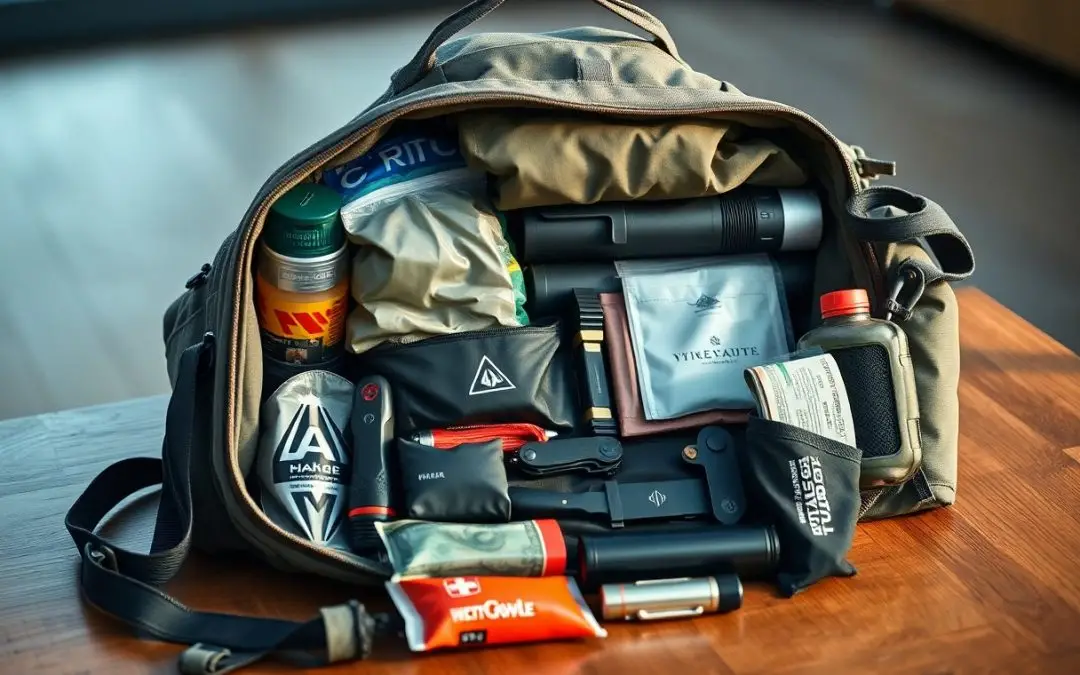
Over 72 hours, you must pack a compact go bag that covers shelter, water, food, first aid, lighting, multitool, power, clothing, and important documents so you can respond quickly and confidently to emergencies.
Key Takeaways:
- Pack for the first 72 hours: water, nonperishable food, basic first-aid, shelter, light, and a reliable means of communication.
- Tailor contents to personal needs: prescription meds, spare glasses, infant or pet supplies, and photocopies of IDs and emergency contacts.
- Include multiuse tools and power options: a multitool, whistle, portable charger, spare batteries, and a battery-powered or hand-crank radio.
- Rotate consumables and check gear every six months to preserve shelf life and ensure functionality.
- Practice evacuation plans and map at least two routes from home and work, updating the bag after each drill or life change.
Analyzing the Pros and Cons of Survival Hardware
You should balance portability, durability, and function when picking hardware so your bag stays useful without becoming a burden.
Assess each item’s maintenance needs, shelf life, and replacement cost to avoid surprises when you depend on gear under stress.
Pros and Cons
| Pros | Cons |
|---|---|
| Lightweight options reduce pack weight | Light materials may wear faster |
| Multi-function tools save space | Multi-function tools can be less effective than single-use gear |
| Durable metal components last years | Durable items often add bulk and weight |
| Low-cost spares increase redundancy | Cheap items may fail when needed most |
| Standardized parts ease repairs | Proprietary parts are harder to replace |
| Compact designs fit tight packs | Compact designs can be awkward to use |
Multi-Tools versus Specialized Field Equipment
Choose multi-tools when you need compact versatility for common tasks and limited pack space.
Compare specialized tools when mission-specific performance, ease of repair, or extended use matters more than saving ounces.
Multi-Tools vs Specialized Gear
| Multi-Tools | Specialized Gear |
|---|---|
| Space-saving and versatile | Superior performance for single tasks |
| Good for general emergencies | Often more durable under heavy use |
| Lower overall weight when replacing several items | Easier to repair or cannibalize in the field |
| May require practice to use effectively | Can be bulkier and heavier |
| Cost-effective for basic needs | Higher upfront cost but longer lifespan |
Comparing Water Filtration and Purification Methods
Consider filters for quick removal of particulates and many pathogens when you expect regular water sources.
Evaluate chemical and UV purifiers when microscopic pathogens or viral contamination are concerns, or when filters clog easily.
Filtration vs Purification
| Filtration | Purification |
|---|---|
| Removes sediment and bacteria | Kills viruses and bacteria |
| Fast flow rates | Requires dwell time or power |
| Long-lived cartridges available | Chemicals need replacement or batteries |
| Gravity and pump options | Portable UV is lightweight but needs power |
| May not eliminate viruses | Does not remove particulates without pre-filtering |
Treat water by combining methods-use a filter first to clear debris, then apply chemical or UV purification for comprehensive protection when you face uncertain contamination.
Filter + Purifier Combo
| Pre-Filter | Purification Step |
|---|---|
| Extends purifier life | Addresses viruses and protozoa |
| Improves taste | Provides backup if one method fails |
A Step-by-Step Guide to Strategic Packing
| Strategic Packing | |
Pack high-need items-first aid, water, light, phone power-in external pockets and clear pouches so you can grab them without digging. | Organize gear by frequency: daily importants up front, heavier tools near your center, and weather layers sealed to stay dry and visible. |
Layering Supplies for Immediate Accessibility
Layer items top-to-bottom by urgency so you can reach what you need first; group similar items in labeled pouches to cut search time.
Optimizing Weight Distribution for Ergonomics
Position heavy items close to your spine and centered between the shoulder blades to keep the pack stable and reduce fatigue.
Balance weight left-to-right and keep the heaviest pieces mid-back, not high above the shoulders, to maintain control and comfort while you move.
Expert Tips for Long-Term Kit Maintenance
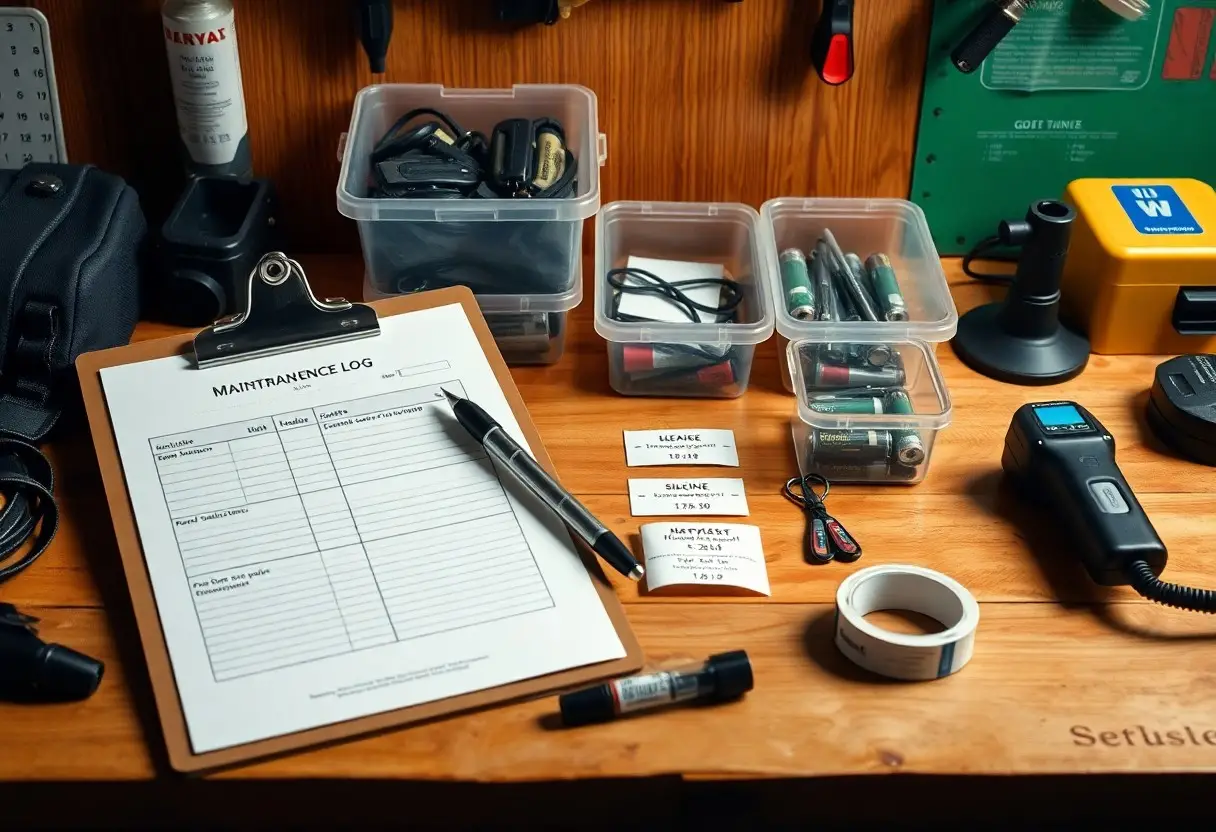
Maintain your kit with a simple schedule: monthly visual checks, quarterly inventory audits, and annual full replacements for time-sensitive items so your pack is always ready when you need it.
Check seals, battery contacts, and expiry dates during each audit, log any issues, and set reminders for replacements to avoid last-minute surprises.
- Label items with purchase or expiry dates for quick review
- Store gear in climate-appropriate containers to prevent degradation
- Test batteries and electronics on a set schedule
Implementing Seasonal Inventory Rotations
Rotate seasonal items twice a year: swap heavy clothing and cold-weather kits for lighter layers, cycle food to match caloric needs, and replace meds that degrade faster in heat.
Conducting Practical Field Tests and Drills
Run realistic drills at planned intervals that include packing under time pressure, using navigation and communication gear, and practicing shelter setup so you discover workflow issues before an emergency.
The extra practice exposes weak links-items that fail under stress or procedures that slow you down-so you can fix problems and streamline your kit.
The Ultimate Guide To Building A Go Bag That’s Ready For Anything
To wrap up, you have a compact plan to assemble a go bag that meets everyday and extreme needs. Check and rotate supplies, tailor items to local risks and personal medical needs, test equipment, and rehearse using your kit so you respond confidently when seconds matter.
FAQ
Q: What is a go bag and how does it differ from other emergency kits?
A: A go bag is a pre-packed, portable emergency kit designed for immediate evacuation with vitals to sustain one person for roughly 72 hours. It differs from a home emergency stockpile by prioritizing portability, quick access to documents and medications, and items for immediate survival rather than long-term storage. Typical contents include water, compact food, first-aid supplies, shelter and warmth items, a flashlight, multi-tool, communication devices, and copies of important documents.
Q: How do I choose the right backpack and size for a go bag?
A: Select a durable backpack with comfortable straps, a padded back, and multiple compartments to organize gear. Aim for 20-40 liters for single adults; choose larger capacity for families but consider weight and mobility. Test the packed bag with a short hike to ensure it fits and you can carry it comfortably.
Q: What vital items should I include for shelter, water, and food?
A: Include shelter items such as a lightweight tent or tarp, an emergency bivvy or sleeping bag, and a compact ground pad. Pack at least one liter of water per person per day plus a means to purify additional water like a filter straw or purification tablets. Store three days’ worth of nonperishable, high-calorie foods such as energy bars, dehydrated meals, and ready-to-eat cans with a hand can opener.
Q: How should I store important documents and medications in the go bag?
A: Keep original copies and digital backups of IDs, insurance policies, medical records, and contact lists in a waterproof pouch. Store prescription medications in labeled containers with dosing instructions and a list of any allergies; include a short supply for critical prescriptions. Update document copies and refill prescriptions before expiration dates and when your medical or legal status changes.
Q: How often should I check and update my go bag, and what events trigger a refresh?
A: Inspect your go bag every six months to check expiration dates, battery charge, and clothing condition. Replace expired food, batteries, and medications immediately, and swap in seasonal clothing when cold or hot months approach. Repack after any use and reassess contents after major life changes such as moving, adding family members, or new medical needs.


