
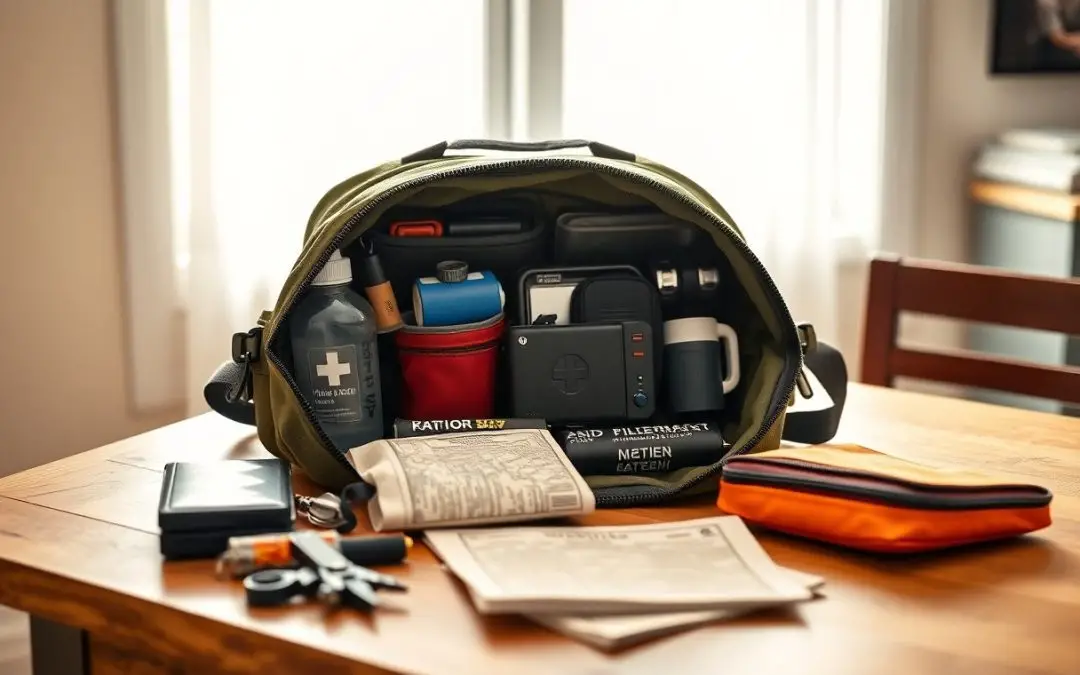
Over time you should build an emergency preparedness system centered on go bags that organizes importants, assigns roles, and streamlines evacuation so you respond quickly and confidently.
The Philosophy of Modular Preparedness
You organize gear as interchangeable modules so you can respond faster, tailor loads to specific threats, and simplify maintenance; modular go bags let you shift priorities without rebuilding from scratch.
Defining the 72-Hour Survival Window
Within the first 72 hours of an incident, you prioritize shelter, water, food, medical care, and communications; your go bag should supply immediate needs and reduce decision fatigue under stress.
Transitioning from Static to Mobile Systems
Start by breaking fixed home caches into smaller, labeled kits you can grab, then test carrying, weight, and accessibility so you know what you can reliably move under pressure.
Modular kits should follow consistent sizing and labeling so you can swap modules between bags, vehicles, and people quickly. You should balance water and heavy gear, protect meds and documents in waterproof pockets, spread spares among household members, and maintain a checklist with quarterly inspections and timed drills to build packing proficiency.
Core Components of a High-Utility Go Bag
Pack a high-utility go bag around imperatives: navigation, first aid, multi-tool, lighting, and power, organized for quick access so you can react under stress.
Hydration Systems and Water Purification
Carry at least one liter per person, a collapsible bottle, and a reliable purifier or chemical tablets so you can treat water on the move and avoid dehydration.
Emergency Shelter and Thermal Regulation
Choose a lightweight tarp, bivy or emergency blanket plus an insulating sleeping pad so you can retain heat and shelter from wind or rain during extended displacements.
Layer sleep systems and shelter materials to manage moisture and temperature: a waterproof outer tarp or tent, an insulating pad rated for expected temperatures, and a compact sleeping bag or blanket. Practice fast setups and use natural windbreaks; secure corners with cord and stakes so you can maintain warmth and avoid exposure during long waits or cold nights.
Specialized Medical and Tactical Gear
Packing specialized medical and tactical items in your go bag readies you for heavy bleeding, airway threats, and security tasks; include a tourniquet, chest seal, compact trauma kit, ballistic gloves, and a multi-tool stored for quick access and practiced use.
Trauma Management and First Aid Essentials
Prioritize hemorrhage control, airway management, and shock prevention by keeping tourniquets, hemostatic dressings, nasopharyngeal airways, chest seals, a compact CPR mask, and clear instructions so you can stabilize severe injuries until professional help arrives.
Personal Prescription and Hygiene Logistics
Organize medications and hygiene items in labeled, waterproof containers with at least a week’s supply, copies of prescriptions, dosing schedules, and a small cooler if refrigeration is required so you maintain continuity of care during displacement.
Store blister-packed doses, backup inhalers, insulin with temperature-stable options, a digital offline record of dosing and allergies, spare pill organizers, a syringe disposal plan, and pharmacy plus emergency contacts so you can manage chronic conditions safely when routines are disrupted.
Environmental and Scenario Adaptation
Adaptation of your go bag to specific environments ensures supplies match likely threats, climate, and mobility constraints so you can act without guessing.
Urban Navigation and Infrastructure Failure
City kits prioritize compact tools, cash, portable power, and hands-free lighting so you can cross damaged streets, bypass transit outages, and operate during utility failures.
Wilderness Survival and Resource Procurement
When you face long-distance travel, your go bag should include water filtration, fire-starting materials, shelter, and high-calorie food to sustain you while you procure resources.
Pack adaptable items such as a lightweight tarp, collapsible water container, multi-tool, fishing line, and compact stove so you can extend survival time. Inspect local flora guides and signal devices to increase your chance of finding edible plants and attracting rescuers.
Communication and Information Redundancy
You layer communication options in your go bag: cell, satellite messenger, ham or VHF radio, NOAA weather radio, and printed contact lists plus maps, so you can send and receive critical updates when networks fail.
Off-Grid Power and Signal Devices
Pack a compact solar panel, high-capacity power bank, hand-crank charger, and spare batteries; include signal gear like whistles, a signal mirror, flares, and an LED beacon so your devices and visibility remain functional off-grid.
Secure Documentation and Digital Backups
Store waterproof paper copies of IDs, insurance, and emergency contacts in your go bag and keep encrypted digital backups on a secure USB and a private cloud account you can access remotely.
Encrypt digital backups with strong passphrases and a reputable tool, use a password manager you can access offline, label physical documents clearly, rotate media periodically, test restores, and store a sealed set with a trusted contact for redundancy.
System Maintenance and Readiness Drills
You run periodic checks and drills to ensure your go bags function under stress: inspect seals, test lights, refresh perishables, and rehearse roles so equipment and people perform when you need them most.
Periodic Inventory and Resource Rotation
Rotate consumables quarterly and swap expired items, logging changes so you can track shelf life and avoid surprises during deployment.
Stress-Testing Gear in Controlled Environments
Test gear in staged scenarios to expose weaknesses, confirm fit and function, and train you to troubleshoot under pressure before real incidents occur.
Simulate realistic conditions-night operations, wet weather, limited visibility-and push batteries, seals, and communication devices through extended use; you should record failures, adjust packing or procedures, and repeat tests with team members so response habits form and equipment reliability is validated under varied stresses.
Conclusion
You should prioritize regular maintenance, tailored contents, and clear evacuation plans so a go-bag-centered emergency preparedness system keeps necessarys at hand, reduces decision-making under stress, and ensures faster, safer responses during sudden crises.


