
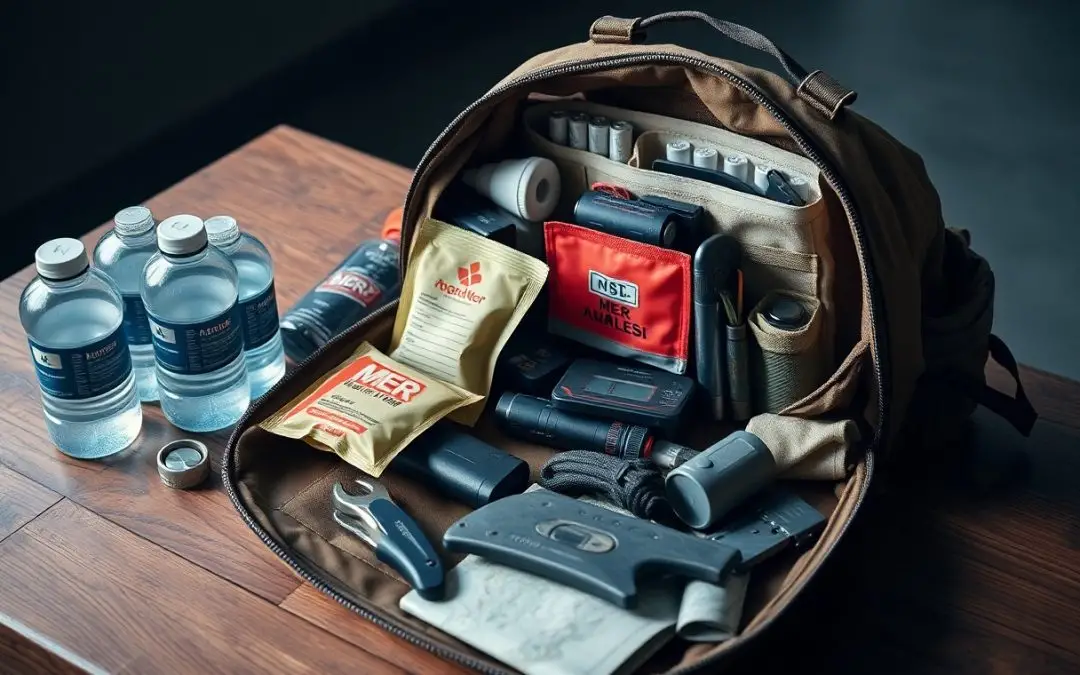
You need a compact, prioritized go bag stocked with water, a multi-tool, first aid, shelter, fire-starting gear, light, and communication devices to sustain you during short-term crises; this guide shows what to pack, how to organize, and how to tailor supplies to likely threats.
Core Philosophy of the Go Bag
You prioritize multifunctional, durable items that meet immediate needs while minimizing bulk, so you can respond quickly and sustain yourself through initial disruptions.
The 72-Hour Survival Window
Plan to be self-sufficient for 72 hours with water, food, shelter, first aid, light and communication; pack items and quantities that reflect your environment and skills.
Balancing Pack Weight and Mobility
Choose gear that keeps your pack light and streamlined-favor multipurpose tools, compact shelter, and measured rations so you can remain agile without losing crucial function.
Test your loaded pack on representative routes and tasks to evaluate comfort, fatigue, and accessibility; swap heavy single-purpose items for multi-use alternatives, position water and medical supplies for quick reach, and pare noncrucials until the pack supports the distance and speed you must maintain.
Essential Hydration and Nutrition
Pack water, purification tools, and high-calorie food so you can sustain yourself during extended outages; prioritize compact containers, long shelf life, and energy density when building your go bag.
Water Procurement and Purification Systems
Select a reliable filter, purification tablets, and a collapsible bottle so you can source and treat water anywhere; practice using each method before a crisis.
High-Caloric, Shelf-Stable Food Rations
Choose high-calorie, shelf-stable rations like MREs, energy bars, nuts, and ready-to-eat meals to maintain strength; rotate stock and note expiration dates.
Rotate your food supply every six months, include calorie-dense options such as peanut butter and compressed survival biscuits, and pack a compact stove for heating; aim for varied macronutrients and practical prep methods.
Shelter and Thermal Regulation
Shelter choices in your go bag should prioritize windproof, waterproof materials and compact insulation; include a tarp, emergency bivvy, cordage, and a sleeping pad to cut heat loss and keep you dry.
Emergency Sheltering and Sleep Systems
Select shelter systems that offer quick setup and insulated sleeping options; carry an inflatable or closed-cell pad, a low-bulk sleeping bag or blanket, and a lightweight bivy for overnight warmth.
Tactical Clothing and Layering Strategies
Layering clothing lets you control temperature and moisture; pack a moisture-wicking base, insulating midlayer, weatherproof outer shell, spare socks, gloves, and a hat for on-the-move adjustments.
Consider fabrics and fit when assembling layers for sustained operations. You should favor merino or synthetic base layers to move moisture away from skin and avoid cotton, which retains wetness. Insulating midlayers like fleece or synthetic puffs trap air without excessive bulk, while a breathable waterproof shell with ventilation zips handles exposure. Carry spare socks, a compressible hooded jacket, and store items in waterproof sacks; prioritize articulated joints and accessible pockets so you can adjust layers quickly as activity and weather change.
Medical and Trauma Preparedness
Pack trauma supplies in an accessible section of your go bag so you can reach tourniquets, pressure dressings, hemostatic gauze, and chest seals quickly; rehearse basic application and storage checks to maintain readiness.
Critical First Aid and Hemorrhage Control
Carry a compact hemorrhage control kit with at least two tourniquets, hemostatic dressings, and compression dressings; you should train to apply tourniquets high and tight and to pack wounds to stop life-threatening bleeding.
Personal Medications and Hygiene Maintenance
Store a multi-day supply of your prescriptions in waterproof containers with duplicate labels, plus dosing records and spare inhalers or EpiPens; include soap, sanitizer, and menstrual supplies to prevent infection and preserve comfort.
Organize medication kits by listing drug names, doses, and indications, and keep a printed copy plus a digital photo you can access offline; pack temperature-sensitive drugs with cold packs in insulated pouches and verify stability limits. You should use a pill organizer, set dosing reminders, and include OTC vitals, dental care, disposal bags for sanitary waste, and basic topical antibiotics and anti-diarrheals.
Essential Tools and Navigation
Gear in your go bag should include a quality headlamp with spare batteries, a reliable firestarter, compact hand tools, a multi-tool, and a durable compass to handle basic repairs, lighting, and timekeeping when electronics fail.
Multi-Functional Tools and Cutting Implements
Pack a high-quality folding knife plus a small fixed blade, a pry tool, wire cutters, and a multi-tool with pliers and scissors; these let you cut cordage, prepare food, and perform field repairs.
Analog Navigation and Signaling Devices
Carry a reliable compass, waterproof local maps, a signal mirror, high-decibel whistle, and chemical light sticks so you can orient yourself, mark positions, and attract rescuers when electronics fail.
Maps should be waterproof copies at multiple scales and you should mark evacuation routes and landmarks; learn magnetic declination adjustments, use a baseplate compass with a protractor for accurate bearings, and practice mirror flashes or three-blast whistle signals so you can communicate location without batteries.
System Maintenance and Drills
Maintenance routines keep your go bag ready; you should schedule regular checks, test communications, replace expired meds, and run timed assembly drills so you can deploy without fumbling.
Periodic Inventory Audits and Rotation
Inventory audits force you to inspect supplies monthly, rotate food and meds, and log expirations so nothing spoils when you need it most.
Physical and Psychological Deployment Training
Training should include timed pack runs and stress exposure drills so you build muscle memory and control adrenaline under pressure.
Preparation drills combine loaded marches, map reading under stress, and timed decision exercises so you can perform tasks instinctively. Practice mental rehearsal, breathing techniques, and short post-exercise debriefs so you can reveal weaknesses and lower panic during actual deployments.
Summing up
You should prioritize compact, durable vitals-water, food, shelter, first aid, tools, and communication devices-tailored to likely threats and mobility needs, with regular maintenance and clear packing to ensure readiness and quick response when crisis strikes.


