
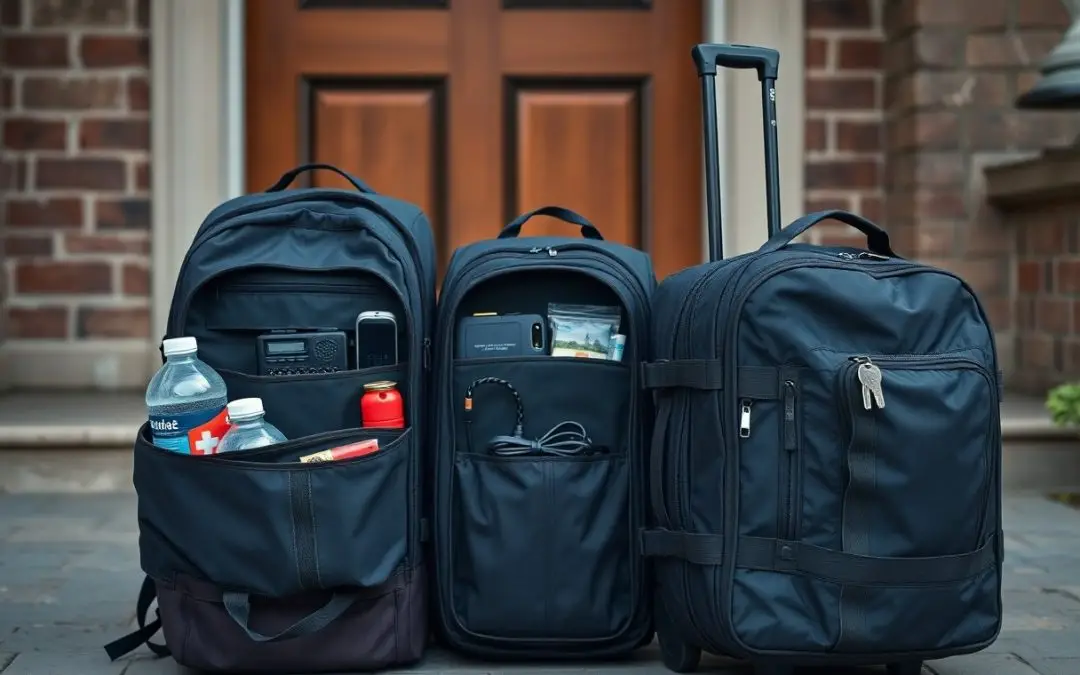
There’s a compact, prioritized go bag you can assemble to speed evacuation: water, flashlight, first-aid kit, multi-tool, whistle, spare clothes, and portable charger packed for instant grab-and-go so you can move decisively during sudden emergencies.
Core Principles of Lightweight Mobility
Pack smart to keep your go bag light and fast: choose multifunction tools, compressible fabrics, and modular organization so you can move quickly and respond without dragging extra mass.
Optimizing the Weight-to-Utility Ratio
Assess each item by function and weight, keeping only gear that gives you immediate operational value; prefer ultralight alternatives and consolidate tasks to minimize bulk while preserving capability.
Prioritizing Immediate Physiological Needs
Stock items that sustain breathing, circulation, and warmth first so you can stabilize injuries and maintain mobility; include a compact first-aid kit, shelter, and high-energy food.
Choose water purification, compact dressings, and a lightweight heat source to address dehydration, bleeding, and hypothermia quickly; train to apply them under stress so you act confidently when seconds count.
Selecting the Ideal Tactical Pack
Choose a pack sized for your escape distance, with compartments you can access blind and quick-release straps for fast shedding. You should prioritize MOLLE compatibility, compression straps, and an organized admin pocket so you can grab imperatives during movement without fumbling.
Ergonomic Support and Load Distribution
Ensure padded, contoured shoulder straps and a ventilated back panel reduce fatigue so you move faster with a heavier load. You should use a hip belt to transfer weight and adjust sternum straps to stabilize the pack during sprints or climbs.
Material Integrity and Weather Resistance
Seek high-denier nylon or Cordura, taped seams, and water-resistant zippers so contents stay dry during sudden storms. You should also check abrasion points and reinforced stitching where the pack bears most weight to avoid failures while moving quickly.
Inspect seams, buckles, and zipper ends for wear; you should replace failing components before they compromise function. Check DWR coatings and consider seam tape or a dedicated rain cover when extended exposure is likely, and test zippers under load so you trust them during a fast move.
Essential Gear for Rapid Transit
Pack streamlined items that shave minutes: lightweight footwear, a compact multitool, a quick-don rain layer, and accessible documents. You should arrange gear for swift shoulder-to-door movement and balance load to keep your pace high.
Compact Hydration and Filtration Solutions
Choose a collapsible bottle and lightweight filter straw so you can drink safely without slowing. You should prioritize quick-fill bladders, emergency electrolyte tabs, and a small-capacity purifier for unpredictable water sources.
Calorie-Dense, Low-Volume Nutrition
Select compact, high-calorie options like energy gels, nut butter packets, and dense bars so you maintain energy on the move without bulky packaging.
Rotate items regularly and pick foods delivering 120-200 calories per ounce-compressed bars, fat-forward trail mixes, and vacuum-sealed meat sticks-for sustained energy with minimal bulk. You should favor shelf-stable, individually wrapped portions, avoid allergens you can’t tolerate, and practice chewing and swallowing while on the move to prevent choking or slowdown.
Strategic Organization for Speed
Pack your bag with zones for immediate tasks-medical, water, documents-so you can grab imperatives by feel and move without pausing.
Zonal Packing for Immediate Accessibility
Label inner compartments and use color-coded pouches so you reach medical, communication, and evacuation items instantly when time is tight.
Modular Systems and External Attachments
Attach modular pouches and quick-release straps to your pack so you can swap gear and access tools without unpacking under stress.
Combine MOLLE-compatible pouches, detachable hip packs, and magnetic pockets so you can tailor loadouts by task and environment. You should practice reconfiguring while wearing full kit, timing quick swaps and low-light grabs so you achieve reliable, repeatable access when pressure is high.
Critical Tools for Navigation and Safety
Your go bag should include devices that let you orient yourself, avoid hazards, and call for help quickly, including maps, compasses, signaling mirrors, whistles, and a compact headlamp for low-light routes.
Analog Mapping and Orientation Devices
Paper maps and a compass give you reliable direction when electronics fail; mark routes, use a protractor or simple pacing to estimate distance, and store map copies in a waterproof sleeve for quick reference.
Lightweight Signaling and Communication Tools
Pack a whistle, signal mirror, compact flare, and a small VHF or handheld radio so you can alert rescuers and communicate short-range when cell service is down.
Select lightweight, water-resistant signaling gear with long-lasting batteries and practice simple signals: three whistle blasts for distress, mirror flashes toward aircraft, and brief radio check-ins on an agreed frequency; keep spare batteries and a compact power bank to sustain communication during extended movement.
Operational Readiness and Maintenance
Maintain your go bag readiness by using a routine checklist, clear labeling, and quick-access packing so you can grab and go without hesitation.
Seasonal Inventory Audits
Schedule seasonal inventory audits so you inspect expiration dates, swap seasonal gear, and confirm batteries and medications remain usable before conditions change.
Practical Deployment Drills and Testing
Run practical deployment drills at least quarterly so you and your team practice grabbing, loading, and leaving within your target timeframe.
During drills, time each step, test alternate routes, simulate common obstacles, and debrief to identify delays; you should rotate roles, pack different scenarios, and update the bag based on failures so deployment becomes habitual and fast.
Final Words
Now pack a compact emergency go bag with necessarys-water, snacks, first-aid kit, flashlight, copies of IDs, cash, and a multi-tool-so you can move quickly, stay safe, and make decisive choices during sudden evacuations.


