
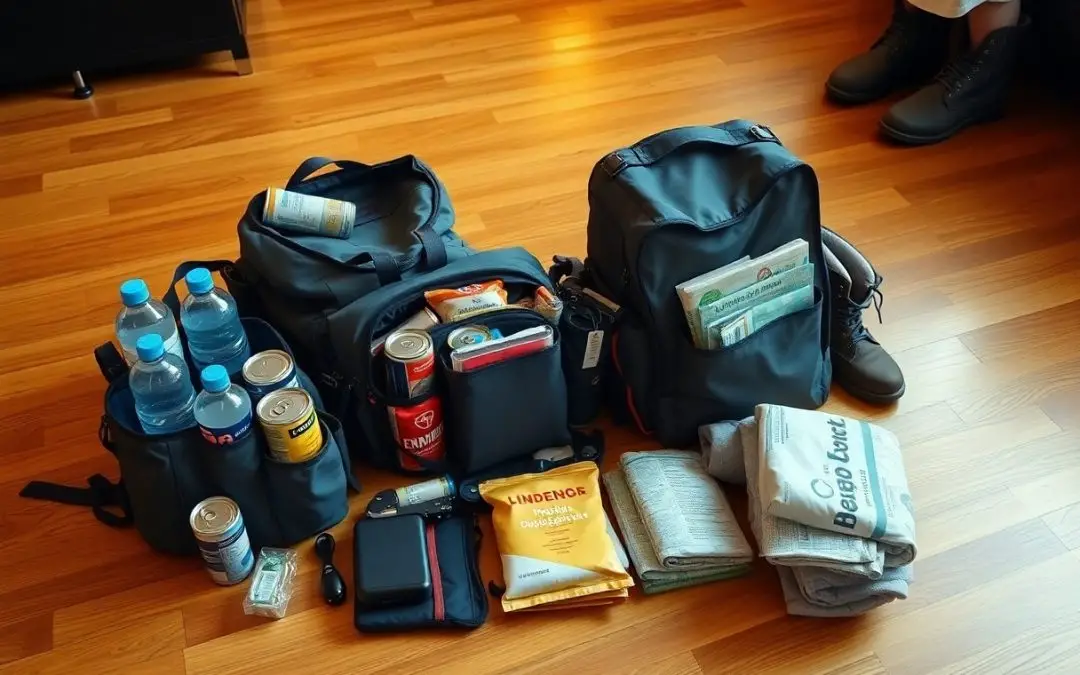
You must assemble compact go bags for each family member containing water, nonperishable food, a first-aid kit, imperative documents, clothing, flashlights, and basic tools, and review contents monthly to ensure readiness for everyday emergencies.
Assessing Household Needs and Risk Profiles
Start by listing household hazards, medical needs, and mobility limits so you can prioritize supplies, documents, and communication plans tailored to each family member.
Evaluating Regional Environmental Hazards
Check local hazard maps, seasonal weather trends, evacuation routes, and utility vulnerabilities so you can adapt your go bag for floods, earthquakes, wildfires, or hurricanes.
Accounting for Family Size and Demographics
List ages, chronic conditions, medications, mobility aids, and childcare or pet needs so you pack the right quantities and support items for everyone.
Plan for infants by including formula, diapers, and feeding supplies; for children, comfort items and copies of immunization records; for older adults, extra prescriptions and mobility backups; for pets, food, medications, and ID. Review and adjust lists after births, health changes, or relocation.
Essential Survival Gear and Provisions
Pack a compact kit with multi-tools, sturdy shelter, fire starters, lighting, and communication gear so you can respond quickly to common emergencies.
Potable Water and Long-Term Nutrition
Store at least one gallon per person per day for three days, plus a portable filter and purification tablets so you can drink safely when supplies run low.
Medical Supplies and Trauma Management
Include a family-sized first aid kit, pressure dressings, tourniquet, hemostatic agents, pain relief, and allergy medications so you can treat injuries and stabilize bleeding before professional help arrives.
Practice wound care, tourniquet application, and CPR with regular drills, and keep clear instructions plus copies of prescriptions so you can act calmly under stress.
Communication and Navigation Infrastructure
Communication systems in your go bag should include a battery radio, whistle, compass, and a charged phone with backup charging so you can stay informed and oriented when networks fail.
Redundant Power and Signaling Devices
Pack multiple portable batteries, a solar charger, spare AA/AAA, and a hand-crank radio so you can keep devices powered and send signals during outages.
Offline Maps and Emergency Contact Lists
Store offline maps on your phone, printed copies, and a laminated emergency contact list so you can find routes and call or meet designated family members without cell service.
Include GPS coordinates for key locations, multiple offline contact methods, and clear meeting points so you can act quickly, and review the list quarterly to keep numbers current.
Protecting Critical Documents and Assets
Keep originals of passports, birth certificates, insurance policies and property deeds in a waterproof, fireproof pouch inside your go bag, and store encrypted digital copies on a secure cloud or USB for immediate access.
Secure Storage of Vital Records
Use labeled, waterproof sleeves or a compact portable safe to organize IDs, medical records and insurance cards, and include a printed inventory with account numbers plus encrypted backups you can access on a phone.
Emergency Currency and Digital Access
Carry small bills in multiple hidden spots, mix local and common foreign currency, and keep an emergency credit or prepaid card plus a contactless payment option stored in a secure app for quick purchases.
Plan for redundancy: stash $100-$300 in small bills per adult, split across your go bag, vehicle and a trusted home location, and refresh amounts annually. Keep a prepaid travel card and one backup credit card with chip, maintain a charged power bank, and store printed, locked copies of PINs and recovery phrases so you can access funds if phones or banks are offline.
Maintenance and Deployment Protocols
Maintain regular checks on each family go bag so you can deploy them quickly; label contents, test batteries, and note expirations during monthly reviews to keep readiness consistent.
Periodic Inventory Audits and Rotation
Schedule monthly inventory audits and rotate perishables, medications, and batteries so you avoid unnoticed expirations; log dates and assign responsibility to household members.
Strategic Staging and Family Drills
Store go bags at designated exit points, vehicle trunks, and your primary shelter so each person can grab one without delay during an emergency.
Run regular family drills from varied scenarios, timing exits, locating meeting points, and practicing bag grabs to build muscle memory; rotate roles so children and older adults know tasks, review maps and communication plans, and debrief briefly after each drill to update bags and protocols based on what you learned.
To wrap up
With these considerations you can assemble and maintain a family emergency go bag tailored to your household: include water, food, medications, documents, basic tools, and comfort items; review and refresh contents seasonally, practice your plan, and ensure every family member knows their role in a fast response.


