
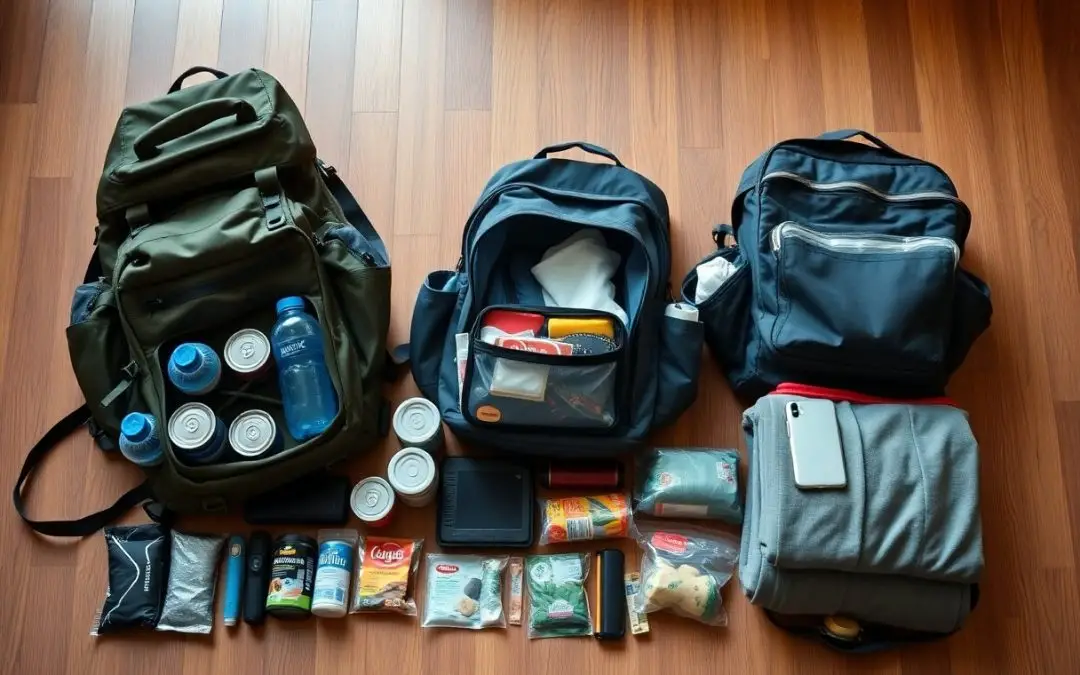
With a clear checklist and practical packing order, you can assemble go bags that cover shelter, water, first aid, communications, documents, and child-specific needs, ensuring swift, organized evacuation and short-term survival for every family member.
Assessing Family Dynamics and Requirements
Assess your household makeup-ages, medical needs, mobility limits and daily routines-to tailor go bags each person can carry and use under stress.
Identifying Individual Needs by Age and Health
Check prescriptions, mobility aids, infant supplies and allergy medications for each family member, labeling and rotating items to keep them current and accessible when time is limited.
Incorporating Supplies for Pets and Dependents
Include pet food, water, vaccination records, leashes and medications, and plan carriers or mobility aids so you can evacuate dependents safely and quickly.
Pack extra food for seven days, a week of medications, a copy of vet records, microchip and contact info, collapsible bowls, a portable litter box and familiar toys so you can reduce stress during evacuation.
Hydration and Nutritional Security
You should prioritize compact water supplies, shelf-stable meals, and electrolyte replacements in each family go bag, matching portions and allergy needs for every member.
Advanced Water Filtration and Storage Solutions
Pack lightweight filters, gravity systems, and collapsible reservoirs to secure multi-day water needs; include spare parts and purification tablets for redundancy.
- You pick straw filters for quick personal use, pump filters for groups, and gravity setups for longer stays.
- You store water in 5-20L collapsible containers and label fill dates for rotation.
- You maintain filters by carrying spare cartridges, cleaning tools, and purification tablets.
Water Solutions Quick Reference
| Solution | When you use it |
|---|---|
| Straw filter | You use it for individual, on-the-move purification. |
| Pump filter | You rely on it for groups drawing from shallow sources. |
| Gravity filter | You deploy it for family camps and longer stays. |
| Collapsible containers | You store and transport multi-day reserves; label fill dates. |
| Purification tablets | You keep them as a lightweight chemical backup. |
Calorie-Dense Food Rations and Specialized Diets
Select high-calorie rations, dehydrated meals, and meal bars that match allergies and medical diets, rotating supplies to maintain freshness.
Plan portions by age and activity, include infant formula and allergy-safe bars, and pack compact cooking options or ready-to-eat meals so you can feed everyone reliably; label and rotate supplies to avoid surprises during deployment.

Medical Preparedness and Hygiene
Pack a dedicated medical kit with multi-dose pain relievers, antihistamines, children’s formulations, thermometers, and spare eyeglasses; include a waterproof case and a clear med list for each family member so you can manage health needs during displacement.
Trauma-Ready First Aid and Prescription Management
Assemble a trauma-ready kit with tourniquets, pressure dressings, sterile gloves, and suture kits for trained caregivers; keep prescription meds in original bottles, note dosages and refill contacts so you can continue treatments without interruption.
Sanitation Systems for Disease Prevention
Choose compact waste bags, hand sanitizer, chlorine tablets, and portable latrine options so you can limit infection risk; include baby wipes, menstrual supplies, and a small disinfectant sprayer for surfaces.
Plan layered sanitation: designate a toilet area with portable or chemical toilets, sealable waste bags for human waste, and a separate greywater drainage point so you can limit cross-contamination. Install a handwashing station with soap and at least 60% alcohol sanitizer, pack bleach for surface disinfection, provide sealed containers for diapers and menstrual waste, and train your family on safe handling and disposal.
Communication, Power, and Navigation
You should prepare devices and plans to stay connected, powered, and oriented during outages, including paper maps, charged batteries, and a family communication plan for meeting points and contact chains.
Redundant Power Sources and Emergency Radios
Pack multiple power options like solar chargers, power banks, and hand-crank radios so you can charge phones, run lights, and receive broadcasts when grid power fails.
Physical Mapping and Signaling Equipment
Carry waterproof maps, a compass, reflective mirrors, whistles, and flare alternatives so you can mark routes and attract help without electronics.
Include detailed local maps at 1:50,000 or 1:100,000 scale, laminate routes and meeting points, learn basic compass bearings, practice using mirrors and whistles for patterned signals, and store gear in an easy-to-reach dry bag so you can orient the family and attract rescuers when electronics fail.
Shelter and Environmental Protection
Keep a waterproof tarp, insulated emergency blankets, and paracord in your go bag to protect family from rain, wind, and cold. Include a compact tarp or pop-up shelter, groundsheet, and duct tape for quick repairs and floor insulation.
Portable Shelters and Thermal Regulation
Pack a lightweight tent or bivvy, reflective mylar blankets, and a small stove for thermal regulation so you can create dry, warm space quickly. You should carry hand warmers and a foam sleeping pad to reduce heat loss on cold ground.
Durable Clothing and All-Weather Gear
Layer insulated, moisture-wicking base pieces with a waterproof outer shell so you stay dry and warm during extended exposure. Pack spare socks, hats, gloves, and sturdy footwear sized for each family member to reduce blisters and hypothermia risk.
Ensure you select clothing made from synthetic or merino fibers that dry fast and retain warmth when damp; avoid cotton. You should include a lightweight insulated jacket, waterproof shell, and convertible pants for temperature swings, plus labeled waterproof bags for organized storage and a spare set of underwear per person for quick changes after wet conditions.
Kit Maintenance and Deployment Readiness
Keep your go bag stored where you can reach it quickly, with a checklist attached and replacement dates noted; verify battery levels, water, medications, and multifunction tools monthly so deployment is instant when you need it.
Seasonal Inventory Audits and Rotation
Rotate seasonal items and clothing to match weather changes, swap expired food and batteries, and label replacement dates so you always have appropriate gear for winter, summer, and transitional months.
Establishing Family Evacuation Protocols
Plan evacuation routes, designated meeting points, and communication methods; assign roles so you and each family member know responsibilities, and practice departures to reduce confusion during real evacuations.
Practice regular evacuation drills at varied times so you can spot bottlenecks and tighten procedures; assign who gathers children, pets, documents, medications, and which vehicle to use. Map primary and alternate routes for both driving and walking, store printed and digital contact lists in each bag, and brief caregivers and neighbors on your plan. Update assignments after life changes and run a quick drill every six months.
Summing up
Upon reflecting, you recognize that a complete family go bag combines vitals, clear plans, and periodic checks so your household responds faster, maintains safety, and reduces anxiety during emergencies.


