
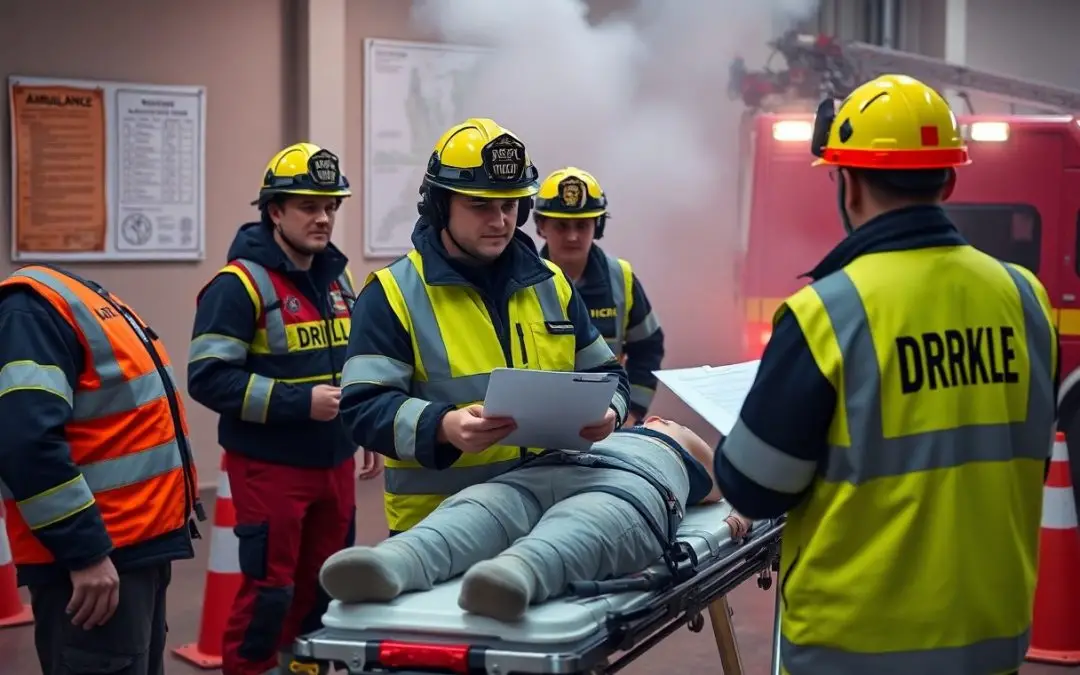
Preparedness begins with action, not just plans on paper. You strengthen your response by practicing emergency drills regularly. These simulations build muscle memory, clarify roles, and expose gaps before real crises occur. When seconds count, your ability to act decisively comes from repetition, not theory.
The Habit of the Act
Practice turns response into instinct. When you repeat emergency drills regularly, your body and mind learn the sequence without needing to think. You move with purpose, not panic. This habit ensures that during real crises, hesitation fades and action takes over. Your training becomes the default, not something you recall-it’s what you do.
The Weight of the Tool
You feel the heft of the fire extinguisher in your hands during the drill, and that resistance matters. Muscle memory isn’t built through theory-it’s shaped by repetition with real equipment. When seconds count, your body needs to know how to respond without hesitation, and that familiarity comes from handling the actual tools you’ll use. Practice with the gear you’ll rely on.
The Testing of the Men
You face real pressure when alarms sound and seconds count. This drill strips away theory and reveals how well your team performs under stress. Muscle memory built through repetition takes over when panic could otherwise rise. Your decisions, movements, and communication are all on display-exposing gaps no classroom session can uncover. Only through repeated testing do individuals transform into a coordinated response unit.
The Price of the Unready
You’ve seen the headlines-buildings evacuated in chaos, lives lost to preventable confusion. When disaster strikes unannounced, hesitation becomes costly. Every second wasted deciding what to do is a second that could save a life. Without practice drills, your team reacts slowly, miscommunicates, or freezes. The real price isn’t measured in dollars, but in missed chances to protect what matters most.
The Fixing of the Plan
Testing Your Response Strategy
You uncover hidden flaws in your emergency plan when you run practice drills under realistic conditions. Simulations reveal whether team members understand their roles, communication lines stay open, and equipment functions as expected. These exercises transform theoretical plans into actionable knowledge, ensuring everyone knows exactly what to do when real emergencies occur.
Conclusion
Summing up, practice drills sharpen your response during real emergencies. You gain clarity under pressure, identify gaps in plans, and build coordination with others. Regular training ensures you act decisively when seconds count, reducing confusion and harm. Your preparedness directly influences outcomes-drills make that readiness possible.


