
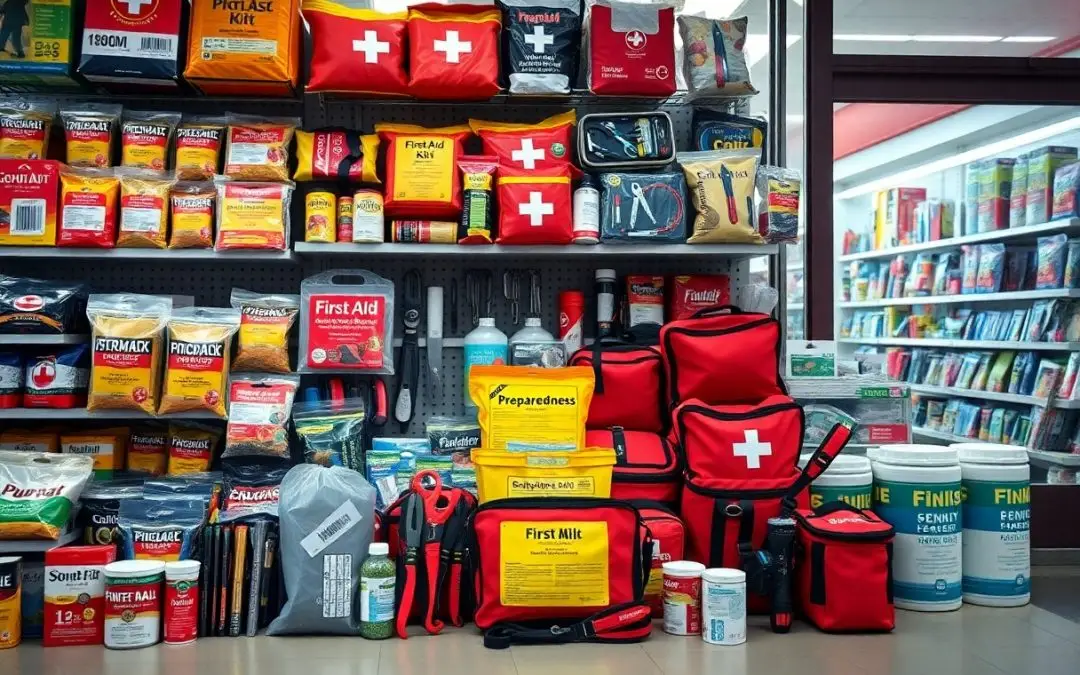
Kits designed for preparedness and safety are imperative for you to navigate emergencies effectively. With a variety of options available, you can equip yourself with everything needed for natural disasters, medical situations, or everyday emergencies. By choosing the right safety kits, you ensure that you and your loved ones are ready for any unexpected event. Explore how these comprehensive solutions can make a tangible difference in your safety planning.
Preparing for Uncertainty: The Importance of Safety Kits
Preparedness begins with having a well-stocked safety kit that supports you through any situation, whether natural disasters or sudden emergencies. These kits should include vitals like water, non-perishable food, first aid supplies, and necessary medications. The right safety kit not only meets immediate needs but also provides peace of mind, allowing you to focus on navigating the uncertainty ahead, rather than worrying about lacking vital resources.
Bridging the Gap: Why Preparedness Matters
Your awareness of potential risks enables you to create a bridge between vulnerability and resilience. Understanding what emergencies could impact your area guides you in selecting the appropriate supplies and developing a plan of action. By anticipating challenges, you empower yourself to act decisively, minimizing chaos and maximizing safety during critical moments.
The Psychological Impact of Being Prepared
Preparedness instills a sense of control that can drastically reduce anxiety during emergencies. Knowing that you have a plan in place and the necessary resources can foster confidence, allowing you to act rationally instead of panicking when faced with unexpected situations. This psychological fortitude not only benefits you but also those around you, creating an environment of calm and effective action.
Research shows that individuals who prepare effectively for emergencies report lower stress levels and a greater sense of security. Creating a safety kit and a plan can reinforce your belief in your ability to handle whatever comes your way. For instance, a survey indicated that 70% of respondents felt more at ease knowing they had a preparedness plan, significantly diminishing feelings of helplessness during crises. As you equip yourself physically, you also equip your mind to approach adversity with clarity and confidence.
Essential Components of a Comprehensive Safety Kit
A well-equipped safety kit includes items that can sustain you and your loved ones during emergencies. Prioritizing versatility and functionality, these components should cater to both immediate needs and long-term survival. Focus on assembling a kit that encompasses food, water, medical supplies, and specialized gear tailored to your specific situation, ensuring you are ready to face various challenges.
Core Supplies: Food, Water, and Shelter
Your safety kit must contain vitals like non-perishable food and ample water to support proper hydration. Aim for at least one gallon of water per person per day for a minimum of three days. Additionally, incorporate portable shelter options, such as emergency blankets and tents, to provide warmth and protection from the elements, making staying safe easier during unforeseen events.
First Aid Essentials: Medical Preparedness You Can’t Ignore
A comprehensive safety kit needs an extensive first aid section to address injuries and medical emergencies. Include items like adhesive bandages, antiseptics, gauze, and a CPR face shield. Ensure these supplies are easily accessible and periodically check expiration dates. Familiarizing yourself with basic first aid techniques enhances your ability to respond effectively when it matters most.
The first aid vitals in your kit should also encompass medications for common ailments, like pain relievers, antihistamines, and specific prescriptions for family members. Consider adding a thermometer, tweezers, and scissors, as these tools can assist in various situations. Training in first aid can significantly boost your confidence and capability when attending to medical emergencies, ultimately improving the outcomes for you and others.
Specialized Gear: Tailoring Kits for Specific Needs
When personalizing your kit, think about the specific scenarios you might encounter. If you have children, include comfort items like toys to reduce anxiety. For outdoor enthusiasts, pack reliable navigation tools, multi-tools, and any specialized equipment relevant to your activity. Having the right tools can make a significant difference in managing emergencies efficiently, reflecting your preparedness and adaptability in challenging situations.

Navigating the Market: Selecting the Right Safety Kits
With various options available, finding the right safety kit can feel overwhelming. Look for kits tailored to specific needs, whether it’s for natural disasters, outdoor adventures, or everyday emergencies. Assess the contents to ensure they align with your unique circumstances and local risks. Reviews and certifications can also guide you in making informed choices, highlighting kits that have stood the test of time and actual usage.
Evaluating Quality: What Sets the Best Kits Apart
Quality safety kits distinguish themselves through durable packaging, reliable components, and comprehensive resources. Opt for kits that utilize long-lasting materials, like waterproof bags and corrosion-resistant tools, ensuring your supplies remain intact during an emergency. Examine the components included, seeking those with multi-purpose items, to maximize your investment and space without sacrificing functionality.
Budgeting for Preparedness: Investing Wisely
Investing in a safety kit requires balancing quality and affordability. While inexpensive kits may be tempting, they often lack imperative features that could prove vital in emergencies. Aim for a budget that accommodates both the immediate purchase and potential upgrades over time. Spending around $75 to $150 on a well-rounded kit is a good starting point, allowing for imperative supplies without compromising safety.
Setting a budget for preparedness means considering not just the initial purchase but also potential future needs. Identify which items can be replenished or added gradually, ensuring your kit evolves as your family or circumstances change. Look for sales or package deals; investing in higher-quality imperatives like water filtration systems or multi-tools can pay off significantly when emergencies strike. Allocating funds for training or education on how to use your kit effectively can also enhance preparedness, making every dollar spent an investment in safety.

Beyond the Kit: Building a Safety Mindset
Preparedness extends beyond having a well-stocked kit; it involves cultivating an awareness and proactive approach to safety. This mindset means regularly assessing potential risks in your environment, understanding how to effectively utilize your safety kit, and staying informed about local emergency protocols. You should adopt an attitude of readiness, where each family member feels empowered and responsible for their own safety and that of others, ensuring everyone is equipped with the knowledge to handle various situations.
Training and Drills: Preparing Your Family or Team
Conducting regular training sessions and drills prepares you and your loved ones for unexpected events. These practice scenarios reinforce your ability to respond calmly and effectively under pressure. Keeping emergency plans visible and accessible will help everyone understand their roles, whether it’s practicing evacuation routes or knowing how to use safety equipment. The goal is to create familiarity and confidence, which can significantly reduce panic during real emergencies.
Community Connections: Why Network Matters in Crisis
Establishing strong community connections enhances overall safety during emergencies. Your network provides vital support in crisis situations, from sharing resources to physical assistance. By fostering relationships with neighbors, local organizations, and emergency services, you create a safety net that extends beyond your household. Engaging with community preparedness programs can also keep you informed about best practices for disaster response.
Building a network within your community is crucial for effective crisis management. For instance, participating in local disaster response training or neighborhood watch programs allows you to share knowledge and resources. Strong community ties can facilitate quick assistance during emergencies, with neighbors helping each other secure homes, share food or water, and provide first aid. Leveraging local social media groups can also enhance communication during emergencies, ensuring everyone stays informed about immediate needs and available resources. This collective effort transforms individual preparedness into community resilience, ultimately saving lives and reducing chaos during crises.

Trends in Preparedness: Innovations Shaping the Future
Innovations in preparedness continuously reshape how you approach safety and emergency readiness. From advanced communication tools to multi-functional equipment, these trends prioritize efficiency and effectiveness, ensuring you can respond adeptly to a variety of situations. Wearable health monitors and automated home systems play a significant role in enhancing your awareness, allowing for real-time data and actionable insights in emergencies. As you adapt to these changes, consider how integrating technology can augment your preparedness strategies, ultimately improving your response times and overall safety.
The Rise of Smart Safety Gadgets
Smart safety gadgets are revolutionizing how you prepare for emergencies. Devices like smart smoke detectors, carbon monoxide alarms, and home security systems now come equipped with features that provide real-time alerts straight to your smartphone. These innovations not only enhance your awareness but also allow you to manage emergency situations remotely, ensuring greater peace of mind whether you’re at home or away. This shift toward smarter technology enables you to maintain a proactive stance on safety in your daily life.
Sustainability in Preparedness: Eco-friendly Choices
Eco-friendly choices are becoming integral to preparedness, reflecting a growing awareness of environmental impact. You can now select solar-powered flashlights, biodegradable emergency supplies, and sustainably sourced food items for your kits. These options not only reduce your carbon footprint but also ensure that your preparedness measures do not compromise the health of our planet. By prioritizing sustainable products, you contribute to a greener future while maintaining readiness for any emergencies that may arise.
Sustainability extends beyond just product choices; it encompasses a holistic approach to preparedness that considers the lifecycle of each item. For instance, investing in durable, reusable containers not only benefits your safety kits but also reduces waste. Many companies are now implementing eco-conscious practices, such as using recycled materials or offering refill programs, making it easier for you to make responsible choices. By incorporating sustainable elements into your preparedness strategy, you support both your safety needs and the well-being of the planet.
To wrap up
To wrap up, investing in your preparedness and safety kits ensures you are ready for any unexpected situation. With a diverse selection tailored to meet your specific needs, you can enhance your emergency readiness and feel secure at home or on the go. By equipping yourself with the right tools and resources, you take a proactive step towards safeguarding your health, safety, and peace of mind. Make your preparedness a priority today, and empower yourself to face whatever challenges may arise.


