
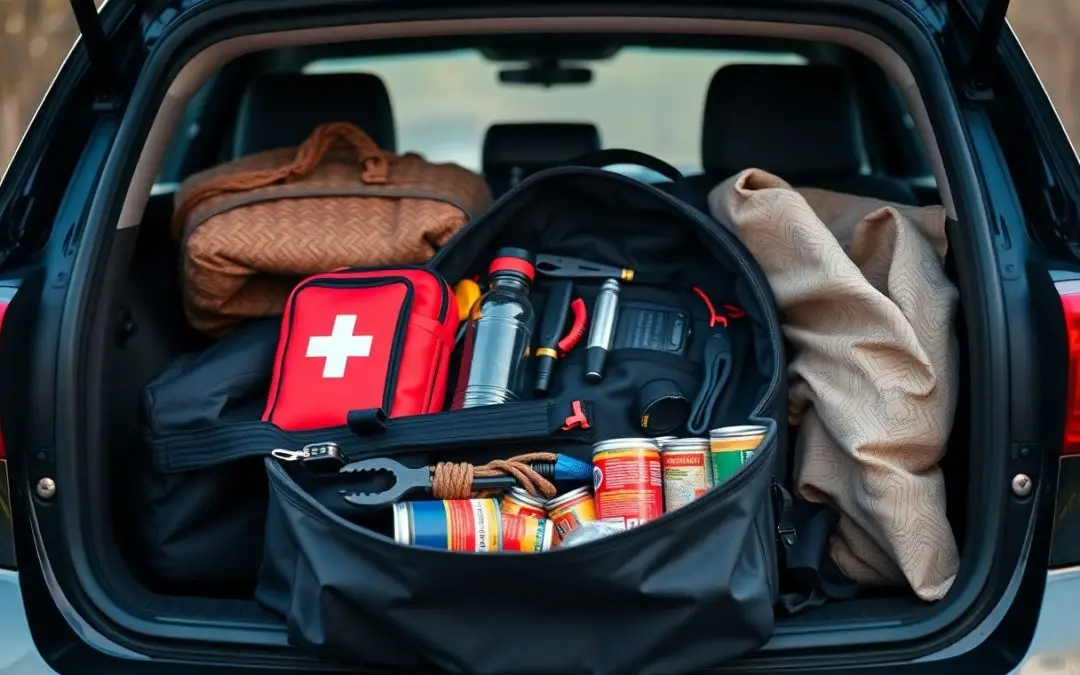
Emergency preparedness begins with a properly packed kit that keeps you ready anywhere; include water, food, first-aid, tools, light, and documents, and check contents regularly to ensure reliability.
Risk Assessment and Customization
Assess your area’s most likely threats and your household’s vulnerabilities to tailor your emergency kit. You should factor in weather patterns, local infrastructure, and response times so your supplies match realistic scenarios and timelines.
Evaluating Regional Environmental Hazards
Check which environmental hazards affect your region-flooding, wildfires, earthquakes, or storms-and prioritize items that mitigate those specific risks, like water purification in flood zones or N95 masks for smoke.
Tailoring Supplies to Household Size and Specific Needs
Adjust quantities and item types based on your household composition so you pack enough food, water, medications, and child or pet items to sustain everyone for several days without outside help.
Include copies of prescriptions, contact lists, mobility aids, and specialty foods; rotate perishables and label expiration dates so your kit stays ready. You should also plan for power needs, communication devices, and secure storage accessible to everyone in the household.
Hydration and Nutritional Sustenance
Pack lightweight water, electrolyte tablets, and calorie-dense snacks so you can sustain energy during disruptions; organize by duration and rotate supplies regularly to keep everything fresh.
Water Filtration and Long-term Storage Solutions
Carry a compact filter, chemical purifiers, and collapsible containers so you can access safe water and store extras for long-term needs; test filters before emergencies and label storage dates.
Selecting Nutrient-Dense, Shelf-Stable Rations
Choose high-calorie, nutrient-dense options like nut butters, canned fish, dehydrated meals, and fortified bars so you maintain protein and micronutrients; prioritize variety and check expiration dates.
Include a mix of calorie-dense items, concentrated protein, and healthy fats so you preserve strength and endurance; pack canned beans, tuna, nut butters, powdered milk, freeze-dried fruits, and fortified meal pouches, add compact cooking fuel if needed, and rotate stocks every six to twelve months while noting allergies and portion needs.
Medical Readiness and First Aid
Your emergency kit should include sterile dressings, adhesive bandages, antiseptic wipes, gloves, a CPR face shield, and a compact first-aid manual so you can treat wounds, control bleeding, and stabilize someone until professional care arrives.
Essential Trauma and Basic Care Supplies
Pack a tourniquet, pressure dressings, sterile gauze, burn dressings, a splint, triangular bandages, an emergency blanket, disinfectant, and forceps so you can address severe bleeding, burns, fractures, and shock.
Managing Prescription Medications and Health Records
Keep a multi-day supply of prescription meds in labeled, waterproof containers, plus printed prescriptions, allergy and dosing information, emergency contacts, and a photocopy of your medical history so you can provide caregivers accurate information quickly.
Store temperature-sensitive drugs like insulin in a small insulated case with cold packs, keep digital and paper copies of prescriptions and vaccination records, use labeled pill organizers, and check expiration dates so you can maintain continuity of care during travel or emergencies.
Utility Tools and Emergency Power
Pack a compact power bank, hand-crank radio, spare fuses, and a basic tool kit so your group can handle outages, maintain communication, and perform quick repairs on the go.
Reliable Light Sources and Portable Energy
Choose high-output LED headlamps, compact flashlights, extra batteries, and a small solar charger so you can keep working, signaling, and charging crucial devices during extended outages.
Versatile Multi-tools and Shelter Materials
Carry a quality multi-tool, fixed-blade knife, paracord, duct tape, and a lightweight tarp to help you improvise shelter, make fast repairs, and secure gear when conditions shift.
Keep spare blades, a compact sewing kit, and modular attachments organized in labeled pouches so you can cut, stitch, and adapt shelter setups quickly; practice simple tarp rigs to reduce setup time in the field.
Communication and Information Access
Keep charged backup power, spare batteries, and a portable charger in your kit so you can access alerts, maps, and emergency contacts when networks falter.
Emergency Radios and Signaling Devices
Carry a hand-crank or solar emergency radio with NOAA band, plus spare batteries, a whistle, and a signal mirror so you can receive official broadcasts and attract help if cell service is down.
Physical Maps and Critical Documentation
Store waterproof copies of local maps, printed emergency contacts, IDs, insurance documents, and some cash so you can orient yourself and prove identity if electronics fail.
Ensure you update paper maps and documents quarterly, laminate or seal them in a waterproof pouch, and keep one set in your kit and another in a trusted off-site location; you can also keep encrypted digital copies on a USB drive for quick access.

Kit Maintenance and Deployment Strategy
Keep your inspection schedule strict: label expirations, rotate perishables, swap batteries annually, and run deployment drills so you can grab a ready kit without hesitation.
Routine Inventory Audits and Supply Rotation
You should audit contents monthly, note missing items, replace expired medications, and rotate food and water so your supplies remain reliable when needed.
Strategic Storage for Rapid Accessibility
Store kits near primary exits, in vehicles, and in weatherproof containers, clearly labeled and unobstructed so you can access vitals at a moment’s notice.
Arrange internal layout by priority, placing medical and communication items on top, use color-coded bags for each family member, and mount a visible checklist and quick-release hook near exits so you can grab the right kit fast.
Final Words
You must keep a compact, regularly checked emergency kit stocked with shelter, water, first aid, light, and communication supplies; tailor contents to local hazards and personal needs to guarantee rapid response and comfort during unexpected disruptions.


