
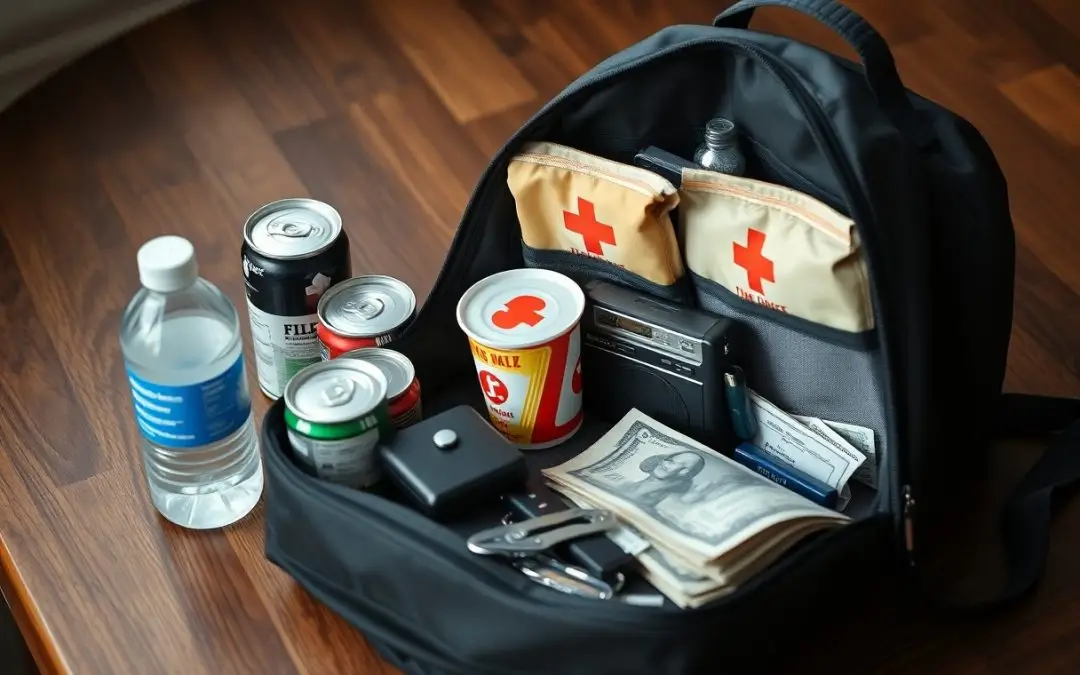
Overpacking wastes money; you can assemble a budget-friendly go bag with durable basics, multipurpose tools, compact first-aid, water treatment, and lightweight shelter, prioritizing quality items that stretch value.
Key Takeaways:
- Water and nonperishable food: pack at least one liter per person per day and calorie-dense, shelf-stable foods like peanut butter, granola bars, and canned tuna.
- First-aid and hygiene: include a basic first-aid kit, prescription meds, hand sanitizer, and low-cost toiletries from dollar or discount stores.
- Multi-use tools and shelter: choose a dependable multi-tool, compact emergency blanket, and lightweight tarp that serve several functions to cut costs and weight.
- Lighting and power: bring a reliable LED flashlight or headlamp, extra batteries, and a small power bank; consider solar options to avoid frequent replacements.
- Important documents and cash: keep photocopies of IDs, insurance, and emergency contacts in a waterproof pouch, plus small-denomination cash for immediate needs.
Prioritizing Survival Basics
Water and warmth outrank gear that makes you comfortable; prioritize potable water, reliable shelter, and a compact first-aid kit so you can stay operational during the first critical hours. Choose lightweight, multiuse items to cover immediate needs without blowing your budget.
Inventory what you already own and replace costly single-use items with affordable alternatives like bandanas, mylar blankets, and water purification tablets so you can stretch funds toward crucials that actually keep you safe.
Identifying Core Physiological Needs
Shelter should be lightweight and insulating; choose a mylar blanket or tarp so you can cover basic protection for minimal cost and weight, freeing space for food and medical supplies. Pack a small shelter kit that suits local conditions.
Health basics mean you pack pain relievers, adhesive bandages, and any prescription meds for at least 72 hours, storing them in waterproof pouches so you can treat common issues without emergency care.
Determining Bag Duration and Weight
Determine how long you’ll likely be on the move-overnight, 72 hours, or longer-and balance supplies accordingly so you don’t carry unnecessary weight; plan for water, food, and meds first, then add comfort items only if capacity allows.
Consider your physical fitness and travel mode: if you will hike, aim for a bag under 20% of your body weight, while vehicle-based plans allow heavier loads but should still prioritize compact, cost-effective crucials so you can stay mobile and prepared.
Hydration and Water Purification
You should aim to store about one gallon per person per day and carry compact purification tablets or drops so you can treat water when resupply isn’t possible.
Collapsible bottles and bladders save space in your bag and let you collect water on the move, while a small stove or portable burner gives you the option to boil when chemical treatments are exhausted.
Low-Cost Filtration Systems
Gravity filters offer an affordable, hands-off way to clean larger volumes; you can pair a simple filter with a cut-off water bottle or bucket for reliable, budget-friendly filtration in the field.
Durable and Reusable Storage Solutions
Stainless steel bottles and BPA-free hard plastics resist punctures and repeated use, so you can refill, sanitize, and rely on them without frequent replacements.
Pack spare caps and a small cleaning brush so you can maintain seals and prevent bacterial buildup, and choose foldable reservoirs that compress when empty to maximize space in your go bag.
Budget-Friendly Food and Nutrition
You can prioritize calories and shelf life without overspending by choosing staples like rice, oats, and dried beans; buy in bulk and favor store brands to stretch your budget and meal options.
Pack compact snacks such as peanut butter packets, trail mix, and canned tuna so you balance energy and protein while keeping weight and cost down; rotate items regularly to maintain freshness.
High-Calorie Shelf-Stable Options
Choose calorie-dense foods like nut butters, instant mashed potatoes, and powdered milk so you sustain energy with minimal bulk; portion into resealable bags to control servings.
Opt for energy bars, dehydrated meals, and canned beans that you can eat quickly and store long-term; watch for sales and multipacks to save money.
Lightweight Preparation and Utensils
Include a small alcohol or canister stove, a lightweight pot, and a spork so you can heat and eat with minimal equipment; favor multipurpose tools to save space and weight.
Carry a compact folding bowl and a microfiber towel so you can simplify cleanup and reduce bulk; choose collapsible items that compress into corners of your pack.
Store fuel efficiently by keeping a spare canister and practicing quick boiling techniques so you conserve fuel when you need hot meals; test your setup at home before relying on it.
Essential First Aid and Personal Care
Pack bandages, antiseptic wipes, pain relievers, allergy meds, and any prescription doses in labeled containers so you can access them quickly during a stressful evacuation.
Keep personal care items like travel-size soap, a toothbrush, sanitary supplies, and contact solution in waterproof pouches so you stay hygienic while on the move.
Building a Custom Medical Kit
Build your kit around a compact first-aid manual, adhesive bandages, sterile gauze, medical tape, tweezers, and a small roll of splinting material to address common injuries.
Add inexpensive generic medications for pain, fever, diarrhea, and allergic reactions, and include clear dosing labels so you or others can administer safely.
Repurposing Household Hygiene Items
Use empty pill bottles, resealable snack bags, and small travel containers to portion out creams, disinfectant, and toiletries so you avoid buying specialty items.
Convert clean cotton T-shirts into bandages or slings, twist ties into tourniquet alternatives, and save dental floss for suturing or thread tasks you might face.
Gather small amounts of hand sanitizer, bleach wipes, cotton swabs, and dental floss from household supplies into labeled bags so you can maintain hygiene and basic wound care affordably.
Smart Sourcing and DIY Strategies
You can stretch your budget by prioritizing multi-use items, buying basics first, and choosing durability over brand names for high-wear gear. Create a list of mission-critical items, watch sales and clearance racks, and swap or barter with local groups to fill gaps without overspending.
Utilizing Thrift Stores and Military Surplus
Thrift stores and military surplus shops often carry sturdy backpacks, canteens, tactical pouches, and tools at a fraction of retail cost; you should inspect seams, zippers, and rust before buying. Clean and sanitize used items, replace worn straps cheaply, and combine bargains to build reliable kits.
Repurposing Everyday Household Gear
Household items like belts, bandanas, mason jars, and tote bags can serve multiple go-bag roles when you repurpose them: use jars for dry storage, bandanas for filtration or first aid, and tote bags as extra carry or laundry sacks. You should prioritize adaptability when converting items.
Consider converting old backpacks with sewn-in smaller pouches or foam inserts from packaging to protect fragile items, using pillboxes for small parts, and turning a pillowcase into a compact laundry or gear bag so you keep organization without buying specialty gear.
Final Words
Considering all points, you can build a reliable go bag without overspending by prioritizing versatile, durable items and buying multi-use gear. You should rotate consumables, buy quality on sale, and substitute household items where safe to cut costs. A compact checklist keeps you focused and prevents duplicate purchases while testing your bag ensures it meets real needs.
FAQ
Q: What are the absolute must-have items for a budget-friendly go bag?
A: Start with water (one gallon per person per day for at least three days), three days of nonperishable food and a manual can opener if needed, a basic first-aid kit, a reliable flashlight with extra batteries, a multi-tool, copies of important documents in a waterproof bag, a space blanket or emergency blanket, a whistle, local paper maps, a compact phone charger or power bank, a small amount of cash, and basic clothing layers. Prioritize multipurpose items to reduce cost and weight.
Q: How can I save money when assembling a go bag without compromising safety?
A: Shop clearance and seasonal sales, buy nonperishable food in bulk and portion it yourself, use dollar and discount stores for batteries, tarps, and basic utensils, and check thrift stores for backpacks and warm clothing. Repurpose household items like bandanas, resealable bags, and travel containers. Compare prices online and set deal alerts to buy higher-cost items when discounts appear.
Q: How should I prioritize items if my budget or bag size is limited?
A: Focus on immediate-survival needs first: water, food, shelter (rain poncho or tarp), basic medical supplies, and any necessary medications. Add communication (phone charger, whistle) and light sources next. If space or funds allow expand to cooking items, more clothing, and personal hygiene. Use a checklist that ranks items by likelihood of need, weight, and cost to guide purchases.
Q: What routine maintenance keeps a low-cost go bag ready over time?
A: Check and rotate perishable food and water every six to twelve months, replace expired medications and first-aid items promptly, test batteries and electronics, and update clothing sizes and documents as family needs change. Keep an inventory sheet inside the bag with purchase or replacement dates so you can quickly see what needs attention during periodic reviews.
Q: When is it worth spending more and where should I look for bargains?
A: Spend more on items that must perform under stress, such as a durable backpack, a dependable flashlight, a quality multi-tool, and trusted footwear. Buy economical or disposable options for items you can easily replace, like single-use hygiene supplies or inexpensive utensils. Look for bargains at outlet stores, manufacturer sales, community preparedness programs, and local buy/sell groups where lightly used gear appears at low cost.


