
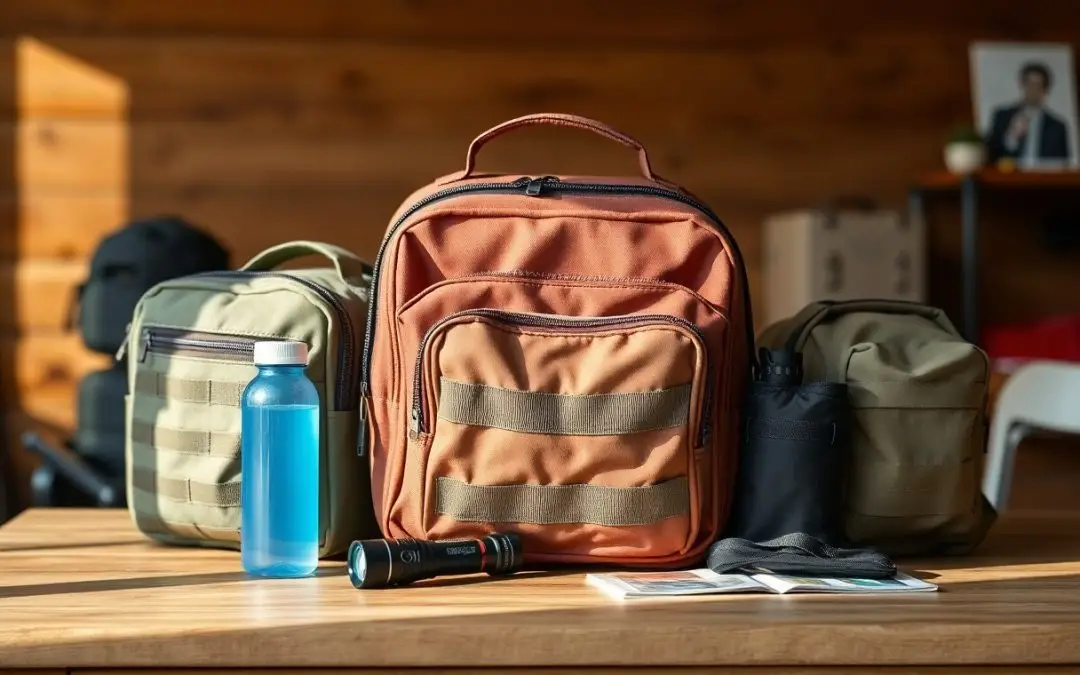
There’s a lot to consider when selecting the right go bag for your needs. Your choice will impact how effectively you can respond to emergencies or unexpected situations. Focus on key factors such as size, to ensure it meets your storage requirements, and durability, so it withstands the elements. Additionally, understanding vital features will empower you to make a well-informed decision that matches your lifestyle and preparedness goals.
Understanding Go Bag Needs
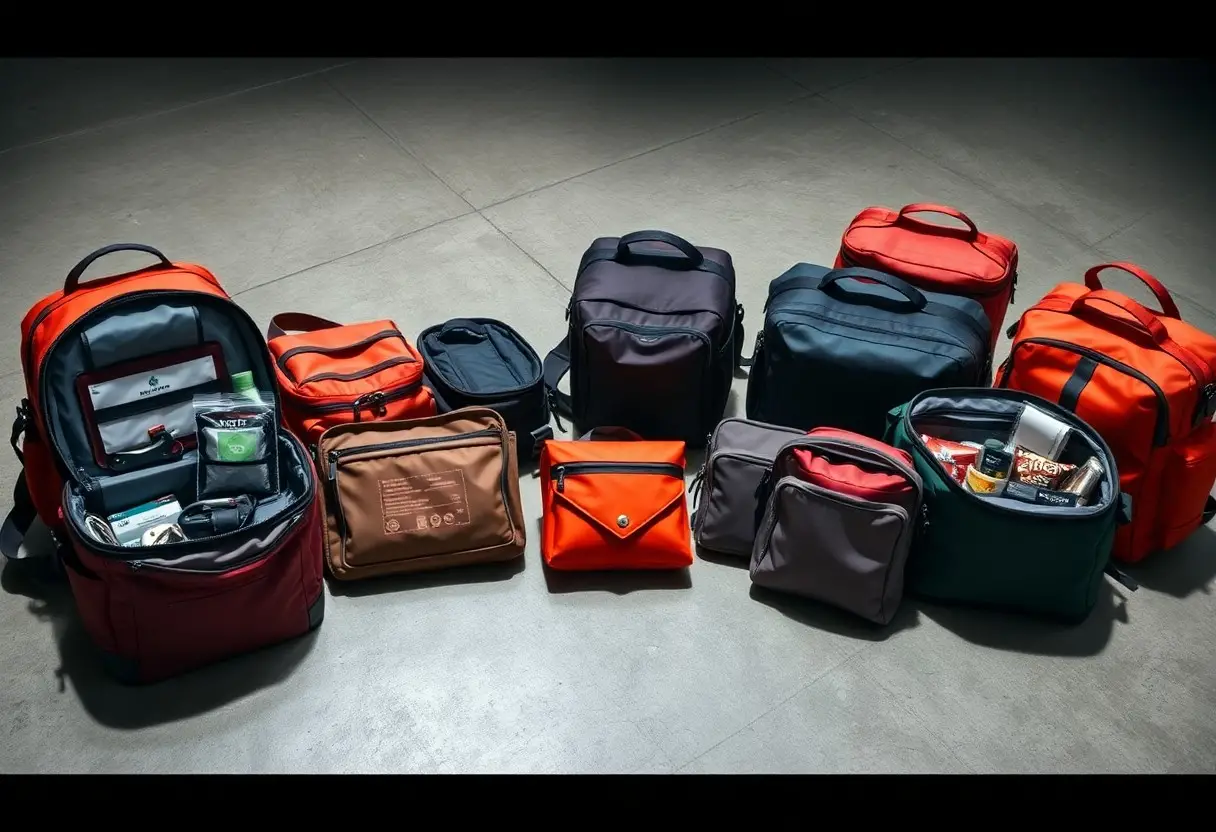
Choosing the right go bag hinges on understanding your unique needs and circumstances. Assessing what you’ll actually need in an emergency or travel situation allows you to tailor your selection, ensuring it’s practical and effective. This process involves evaluating not only your personal requirements but also the specific environment and activities that you engage in, both of which shape what should make it into your bag.
Assessing Your Personal Requirements
Your personal requirements can significantly dictate the contents of your go bag. Start by considering how long you might be away and the number of people you’ll need to support. For instance, if you have a family, adding items for children will require more space and diverse supplies. You should also account for personal health items, such as medications, that are imperative for your well-being in emergency situations.
Considering Your Environment and Activities
Your environment and the activities you engage in will impact your go bag’s design. If you live in a disaster-prone area, such as a flood zone, prioritize waterproof materials and tools for navigation. Conversely, if you’re an outdoor enthusiast, focus on tools and equipment that support camping, hiking, or survival skills. Understanding these elements allows you to create a go bag that aligns with potential risks and lifestyle choices.
Considering your environment involves being aware of local risks such as natural disasters, civil unrest, or extended power outages. For example, those in urban areas may benefit from portable water filtration systems and compact, self-defense items, while individuals near coastal regions might prioritize gear for flooding and wind protection. Tailoring the contents of your go bag to reflect environmental challenges can enhance your preparedness and increase your chances of a successful response during emergencies.
Determining the Right Size
Finding the appropriate size for your go bag is vital to ensure it meets your needs without being cumbersome. Consider the duration of your intended use; for a one-day emergency, a 20–30 liter bag might suffice, while longer outings may require 50 liters or more. Visualize the equipment you plan to pack, focusing on vital items only, to gauge the size that offers sufficient space without excess bulk.
Assessing Carrying Capacity
Evaluate how much you can realistically carry by considering your own physical capacity. Base your choice on weight limits you can handle for an extended period. Options with varying capacities, ranging from 20 liters for minimalists to 80 liters for extensive preparedness, can cater to different comfort levels, ensuring you don’t compromise mobility or endurance.
Balancing Weight and Space
Striking a balance between weight and space is vital in selecting a go bag that is functional yet easy to carry. Lightweight materials like ripstop nylon or polyester help minimize bulk while maximizing storage capacity. Aim for a design that allows for strategic packing; compartmentalization can help distribute weight evenly and keep your items organized, allowing you to access them quickly in emergencies.
When balancing weight and space, think about the trade-offs you are willing to make. A larger bag may hold more gear but could be heavier and harder to maneuver. Conversely, a smaller bag might leave you underprepared if vital items can’t fit. Focus on lightweight yet durable materials that enhance carrying comfort without sacrificing necessary capacity. Opt for features like compression straps to adjust size based on your load, aiding both portability and efficiency.
Evaluating Durability
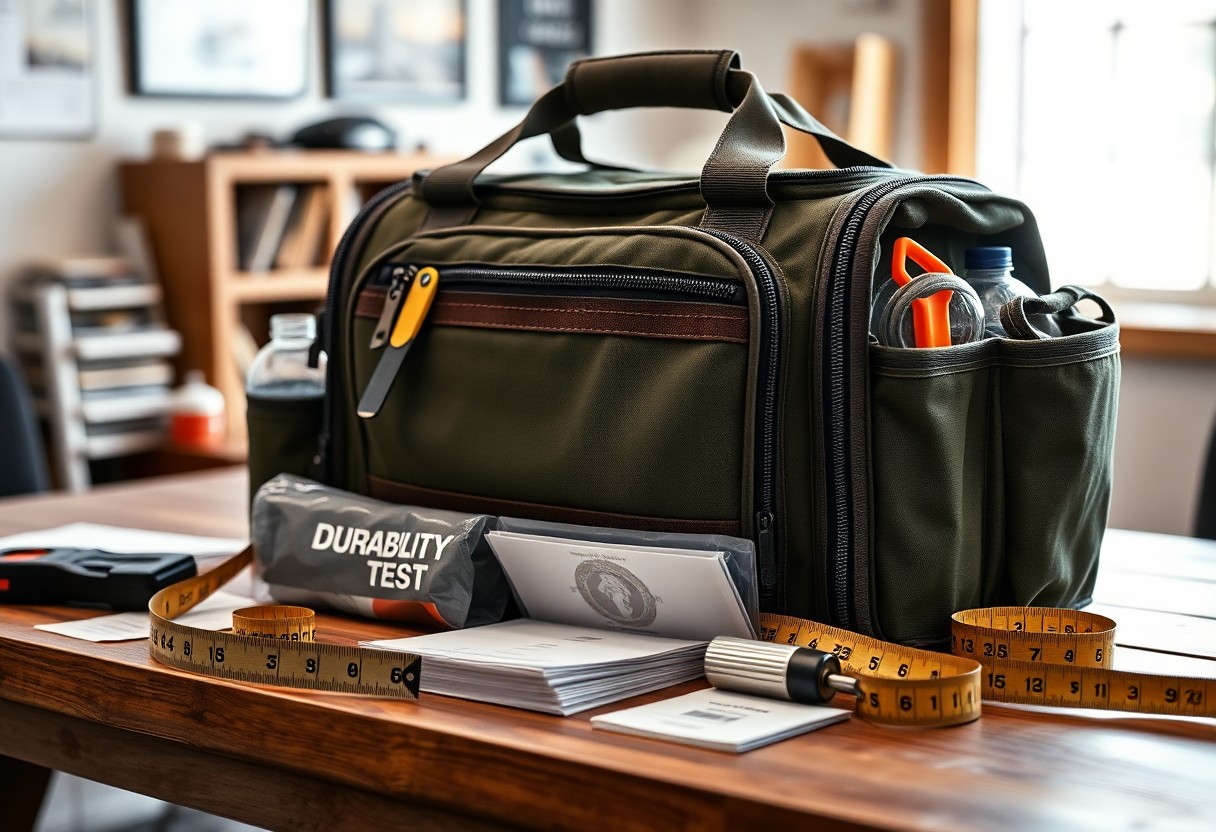
Durability plays a vital role in the effectiveness of your go bag, as it needs to withstand various conditions and potential hazards. Look for bags that feature reinforced seams, high-quality zippers, and robust stitching. Brands that provide warranties or have a solid reputation for longevity should be prioritized. Additionally, assessing the overall weight-to-durability ratio will ensure you don’t sacrifice portability for strength.
Material Considerations
The choice of material significantly impacts the durability of your go bag. Heavy-duty fabrics like nylon or polyester are preferred due to their resistance to tears and punctures. Advanced materials such as Ripstop fabric offer additional protection against abrasion, while options like Cordura are known for their impressive strength and wear resistance. Choosing a bag with a durable base can also prevent wear from rough surfaces.
Weather Resistance and Longevity
Your go bag should combat the elements to maintain its integrity over time. Look for bags with water-resistant coatings or those made from waterproof materials. Examples include bags that feature sealed seams or utilize materials treated with water-repellent finishes, ensuring that your gear stays dry during rain or snow. Extended exposure to moisture can lead to mold and degradation, so select a bag designed to withstand these conditions.
Longevity is directly tied to weather resistance; a bag that can endure various climates without succumbing to wear will serve you better over the years. For instance, bags made from TPU (thermoplastic polyurethane) or those incorporating advanced weatherproofing technology can offer significant protection against moisture, UV damage, and even extreme temperatures. A long-lasting go bag ensures your supplies remain protected, enhancing your preparedness in any situation.
Key Features to Look For
When deciding on a go bag, prioritize key features that enhance functionality and usability. Look for bags that offer flexible storage options and have robust construction to withstand demanding circumstances. Key features to consider include:
- Water-resistant or waterproof materials
- Strong zippers and hardware
- Multiple compartments for organization
- Lightweight design
- Padded shoulder straps and back support
- Attachment points for additional gear
- Reflective elements for visibility
Recognizing these features will significantly aid your selection process.
Compartments and Organization
Effective organization in your go bag maximizes accessibility during emergencies. A well-structured bag should include a variety of compartments to help sort imperative items. The following table outlines important components for organization:
| Main Compartment | For larger items like clothing or sleeping bags |
| Front Pocket | Quick access to frequently used supplies |
| Side Pockets | Ideal for water bottles or snacks |
| Internal Organizers | For keeping small items like first aid kits and tools |
Comfort and Accessibility
Your go bag must be comfortable to carry, especially during extended periods, ensuring you can transport it effectively. Look for padded shoulder straps, breathable back panels, and an adjustable harness system for a customized fit. Easy access to crucial items, like emergency kits, can make a significant difference in urgent situations. Prioritizing comfort and accessibility will help you move quickly and efficiently when it matters most.
Tips for Customization
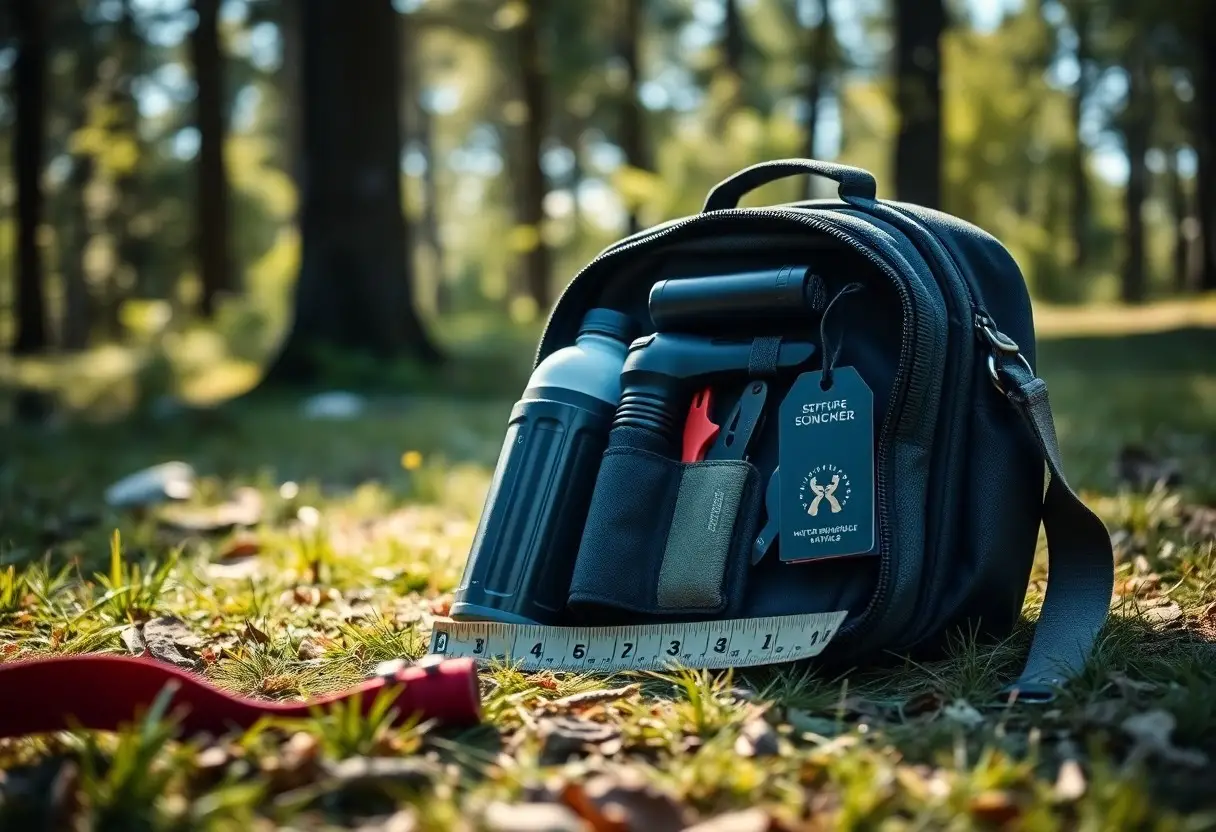
Customizing your go bag enhances functionality and efficiency, aligning it perfectly with your personal needs and preferences. Consider tailoring aspects to ensure that your bag stands out and meets specific requirements.
- Add patches or identifiers for easy recognition.
- Incorporate organization tools like pouches or inserts.
- Use color coding to differentiate items by category.
- Regularly update contents based on changing scenarios.
Perceiving your go bag as a customizable tool can significantly improve your preparedness.
Personalizing Your Go Bag
Personalizing your go bag is about more than adding flair; it involves integrating items that resonate with your lifestyle. Choose gear that aligns with your daily routines, whether that’s hydration solutions, first aid kits tailored to allergy needs, or navigation tools reflecting your travel plans.
Adapting for Different Scenarios
Adapting your go bag for various scenarios ensures you’re always well-prepared, no matter what situation arises. Each environment calls for distinct gear and supplies.
In emergency situations, include imperative items such as water, non-perishable food, and a flashlight. For outdoor adventures, consider adding survival tools, layered clothing, and cooking equipment. If you’re preparing for urban scenarios, think about adding items like self-defense tools, portable chargers, and communication devices. Tailoring your bag according to specific emergency situations or activities will make all the difference in its effectiveness.
Maintenance and Care
To ensure your go bag remains effective and ready for action, maintenance and care are crucial. Regular inspections help identify wear and tear, allowing you to address issues before they escalate. Conditions can change quickly, and having a well-maintained go bag increases your peace of mind during emergencies.
Keeping Your Go Bag in Optimal Condition
To keep your go bag in top shape, store it in a cool, dry place away from direct sunlight. Regularly clean the exterior with a damp cloth, and check zippers and straps for any signs of damage. A little attention can significantly extend the life of your bag, ensuring it’s always ready when you need it.
Regularly Updating Supplies
Regular updates to your go bag supplies are necessary to reflect changing needs and shelf lives. Check expiration dates on food, batteries, and medications, and replace them as needed. Transitioning seasons may also require adjustments, ensuring your supplies remain appropriate for any situation you might encounter.
For optimal preparedness, establish a schedule for reviewing and updating your supplies, such as every six months or after major life changes. Consider evolving factors like family size, dietary restrictions, and local emergencies. Maintain a checklist to streamline this process—keep track of what needs to be replenished or replaced, making the task efficient and thorough. This proactive approach will guarantee your go bag is well-equipped to handle the unexpected.
Conclusion
The right go bag should align with your specific needs by considering size, durability, and key features. Ensure the bag is compact enough for easy transport while providing enough space for necessarys. Look for high-quality materials that withstand various conditions to protect your supplies. Prioritize functionalities such as compartments and hydration systems to enhance your preparedness. By assessing these factors, you can confidently select a go bag that supports your emergency plans and daily adventures.


