

Survival is about being prepared for the unexpected, and building a go bag is an necessary step in safeguarding yourself during emergencies like earthquakes, floods, and wildfires. In this guide, you will learn how to select the right items to include in your go bag, ensuring you have everything necessary for immediate response and safe evacuation. By taking proactive measures today, you can minimize the risks and enhance your readiness for any disaster that may come your way.
Understanding Your Risks
Each disaster poses unique threats based on your location and environment. By identifying and understanding these risks, you can tailor your Go Bag to better suit your needs, ensuring that you are fully prepared to face any situation that arises.
Earthquakes
If you live in an area prone to earthquakes, you should be aware of the potential for sudden shaking and structural collapses. Having emergency supplies like water, food, and a flashlight readily available can make a significant difference in the aftermath of a quake.
Floods
Flooding can occur rapidly, particularly in regions with heavy rainfall or nearby rivers. You need to understand flood zones in your area to prepare effectively. Keep your Go Bag stocked with waterproof items, emergency contacts, and medications, as evacuation may be mandatory.
Flood risks are heightened in low-lying areas, near rivers, or during heavy storms. Around 14 million properties are at risk of flooding in the U.S., including urban areas where drainage systems can easily become overwhelmed. Your Go Bag should include important items like a whistle, multi-tool, and portable phone charger to maximize survival chances during unexpected evacuations.
Wildfires
In regions vulnerable to wildfires, it’s important to have an emergency plan that prioritizes quick evacuation. Smoke inhalation and rapid fire spread make it critical to pack your Go Bag with masks, protective clothing, and important documents.
Wildfires can escalate at alarming rates, with some spreading over 100,000 acres in mere days. Preparing your Go Bag with importants like first aid supplies, non-perishable food, and a battery-operated radio can be lifesaving. Familiarize yourself with local emergency notifications and have an evacuation route planned to ensure you can act swiftly when necessary.
Essential Items for Your Go Bag
Your go bag should be tailored to meet your specific needs and the hazards you may face, ensuring it contains important items that can sustain you during emergencies. Prioritize items that are lightweight, portable, and have long shelf lives, while also considering the number of people in your household. Familiarize yourself with local threats to make informed decisions about what your bag must include.
Water and Purification
You should store at least one gallon of water per person per day for at least three days. This includes not just drinking water but also water for hygiene. To enhance your preparedness, include water purification tablets or filters, which allow you to treat water from natural sources safely, ensuring you have access to safe drinking water in any situation.
Non-Perishable Food
Pack non-perishable food items that provide energy and nutrition. Focus on calorie-dense options like energy bars, canned goods, and dehydrated meals that require minimal preparation. Rotate these items every six months to keep your supplies fresh and ensure they remain fit for consumption when needed.
Non-perishable foods should ideally have a long shelf life and be easy to store. Look for foods like canned fruits and vegetables, peanut butter, trail mix, or ready-to-eat meals. Aim for items that are nutrient-rich and offer a balance of carbohydrates, proteins, and fats. A mix of savory and sweet options can also help maintain morale in stressful situations, emphasizing not only sustenance but comfort during a disaster.
Tools and Gear to Consider
Having the right tools and gear can make a significant difference during emergencies like earthquakes, floods, and wildfires. When assembling your go bag, prioritize versatile items that enhance your safety and comfort. Look for portable, lightweight solutions that fit your specific environment and needs, ensuring you’re prepared for any situation that may arise.
First Aid Supplies
Every go bag should include crucial first aid supplies such as adhesive bandages, antiseptic wipes, gauze pads, and medical tape. Include critical medications you take regularly, as well as a first aid manual. A well-stocked first aid kit enables you to address injuries immediately, which can be vital in a disaster scenario.
Emergency Tools
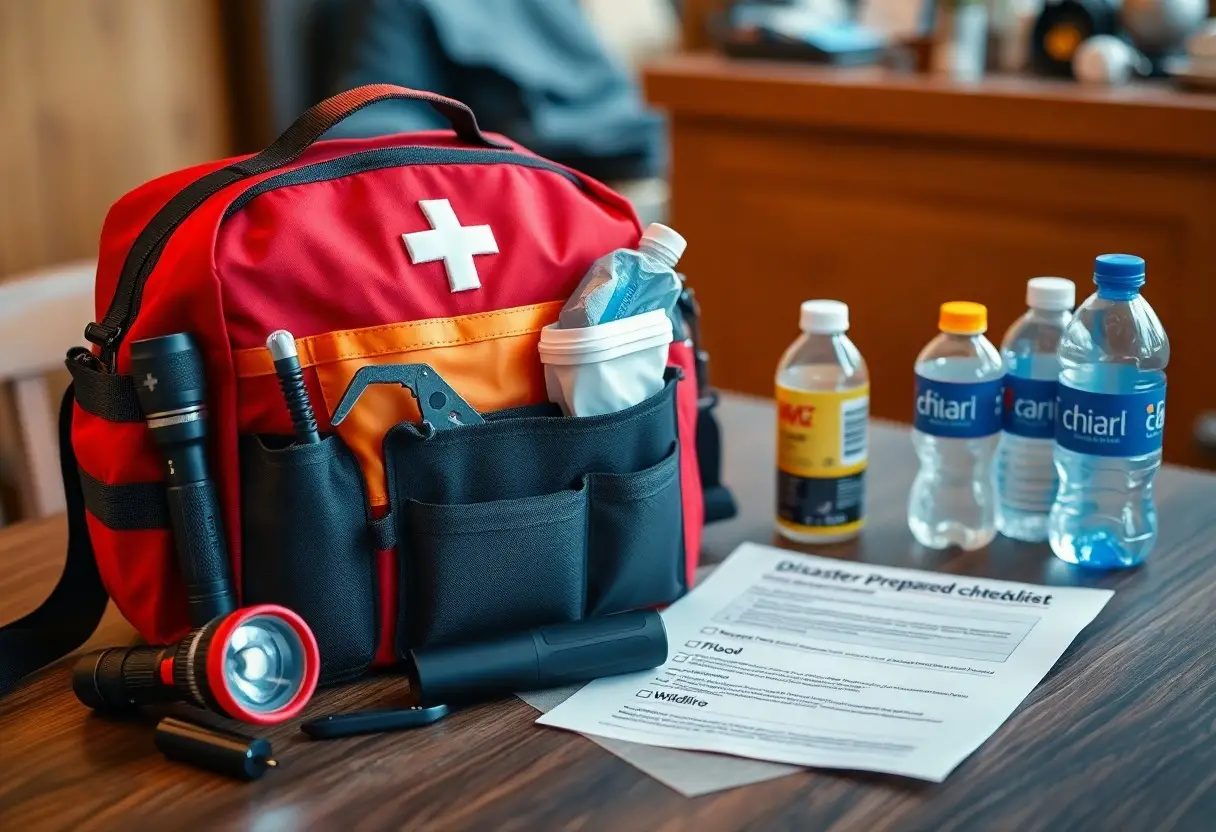
Your emergency toolkit should consist of multi-tools, flashlights, and a whistle, among other items. A sturdy multi-tool can serve various purposes, from opening cans to tightening screws. A reliable flashlight, preferably with a backup power source, helps you navigate dark areas. Including a whistle can alert searchers to your location without expending too much energy.
Consider adding a crowbar for debris removal, a duct tape roll for quick fixes, and an emergency blanket for warmth. These items expand your capabilities in extreme situations, allowing you to address unforeseen challenges like blocked exits or damaged structures. A portable phone charger can also keep your communications operational, ensuring you remain connected. Investing in quality tools equips you with the means to respond effectively when every second counts.
Personal Documents and Records
Including personal documents and records in your go bag is vital to ensure you have access to critical information during an emergency. These documents can help with recovery efforts, facilitate communication, and establish your identity. Organizing these papers in waterproof bags or folders will keep them safe from damage while providing quick access when you need it most.
Identification
Your go bag should contain copies of vital identification documents, such as your driver’s license, passport, and Social Security card. Keeping these documents accessible allows you to verify your identity quickly, which can be necessary for evacuations or when seeking assistance from emergency services.
Important Contacts
List vital contacts—family members, friends, and local emergency services. Include names, phone numbers, and addresses, ensuring you can reach out quickly during a crisis. In high-stress situations, having a physical record reduces reliance on memory, allowing for a swift response.
Along with your immediate contacts, consider adding contacts for your healthcare providers, insurance agents, and nearby shelters. This compilation can expedite access to the resources you may need. Keep the contact list updated and review it periodically, especially after any major life changes such as moving or changing jobs. Including these details not only aids in your safety but also prepares you for effective communication in chaotic times.
Tailoring Your Go Bag
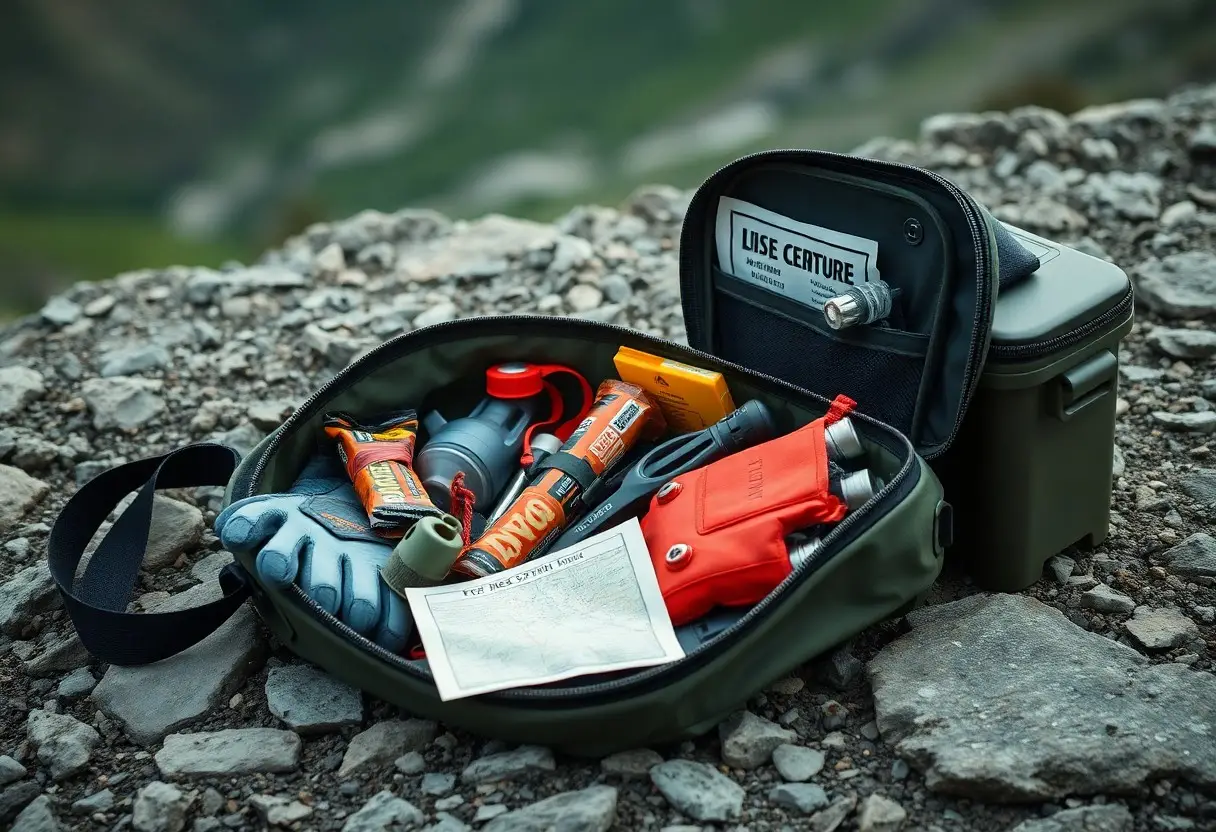
Customization is important for an effective go bag. Analyze the specific risks in your area, such as earthquakes, floods, or wildfires, and consider the unique needs of your household. This includes assessing health conditions, the number of family members, and potential mobility challenges to create a bag that truly accommodates your situation.
Family Needs
Each family member may have different requirements in an emergency. Ensure your go bag includes medications, personal documents, and comfort items for adults and children alike. For instance, if you have an infant, pack extra formula, diapers, and wipes. Tailoring supplies to age and needs ensures everyone remains as comfortable and prepared as possible during a crisis.
Pet Supplies
Your pets are part of the family, so including their necessities is vital in your go bag. Ensure you pack enough food, water, and any medications they may need for a few days. A leash, a pet carrier, and copies of their vaccination records should also be included to ensure their safety and well-being during an emergency evacuation.
When preparing for pet supplies, pack food in airtight containers to maintain freshness and ensure you have sufficient quantities based on your pet’s size and dietary needs. Include collapsible bowls for easy feeding and hydration, and consider adding a favorite toy or blanket to comfort your pet during stressful situations. Familiar items can help reduce anxiety while providing important nourishment and care.

Maintenance of Your Go Bag
Regular maintenance of your go bag ensures it remains effective when you need it most. Make it a habit to check the contents every six months, verifying that items are still functional and relevant to your needs. This practice helps you stay prepared without accumulating unnecessary gear.
Regular Checks
Conducting regular checks means verifying all items are in good condition and accessible. Inspect food for expiration dates, batteries for functionality, and the overall integrity of the bag itself. Doing this twice a year can prevent last-minute surprises when an emergency arises.
Updating Items
Updating items in your go bag is crucial as your life changes. Factors such as family dynamics, medical needs, and local disaster risks can necessitate adjustments in what you carry. Frequent evaluations ensure that your supplies align with current circumstances.
For instance, if you have children, their needs will evolve over time. Transitioning from diapers to snacks may be crucial, as will adding any necessary medications. Evaluate seasonal items too—perhaps adding a thermal blanket in colder months or water purification tablets after periods of heavy rainfall. Consider also the state of your emotional well-being; adding comforting items can provide a psychological boost during stressful situations. Keeping your go bag tailored to your current life situation maximizes its efficiency and relevance in emergencies.
Final Words
Upon reflecting on disaster preparedness, it’s necessary that you equip yourself with a well-assembled go bag tailored for earthquakes, floods, and wildfires. Your go bag should include vital supplies such as water, non-perishable food, first aid items, important documents, and a flashlight. By taking proactive steps to prepare, you ensure your safety and increase your resilience in the face of emergencies. Maintain your go bag, updating it regularly to meet your evolving needs, so you’re always ready when disaster strikes.


