
You need the right tools to ensure your survivalist kit is fully equipped for any situation. By enhancing your kit with crucial items, you can boost your preparedness and peace of mind. In this guide, we’ll explore expert tips on selecting must-have tools that are durable, versatile, and reliable. From multi-tools to fire starters, you will learn how to curate a survivalist kit that meets your specific needs and enhances your ability to thrive in the wild.
1. Assess your survival needs and environment requirements.
2. Research necessary tools for various survival situations.
3. Prioritize multi-functional tools for versatility and space-saving.
4. Include emergency first aid supplies for injuries.
5. Add reliable fire-starting equipment for warmth and cooking.
6. Test and maintain all tools regularly for functionality.
Assessing Your Survivalist Needs
Assessing your survivalist needs is important for building an effective kit tailored to your specific situation. By understanding the challenges and requirements of different environments, you can ensure that your survival tools align with the potential risks you may face.
How to Determine Your Environment Factors
For evaluating the environment factors that may influence your survival strategy, consider the following aspects:
- Climate conditions (hot, cold, wet, or dry)
- Terrain types (mountains, forests, urban areas)
- Wildlife presence (predators or similar threats)
- Water sources (availability and quality)
After you assess these factors, you’ll have a clearer picture of what tools are necessary for your kit.
Tips for Identifying Essential Tools
Environment plays a significant role in determining which tools you need for your survival kit. Start by evaluating the specific challenges posed by your surroundings, and then prioritize tools that address those challenges directly.
- Research survival techniques relevant to your area
- Seek advice from experienced survivalists about must-have tools
- Prioritize multi-functional tools to save space
Assume that every tool selected should enhance your ability to respond to potential emergencies, ensuring you’re well-prepared for any situation.
With the right approach, identifying important tools for your survival kit becomes a streamlined process. Focus on the types of scenarios that may occur in your environment and select items that offer versatility. Consider investing in items that combine multiple functions, such as multi-tools or tactical gear, to optimize your readiness. Additionally, ensure that the tools you choose allow ease of transport and use, as this will improve your overall efficiency in survival situations.
- Evaluate your previous experiences and any lessons learned
- Consult community networks to gather insights
- Tailor your kit based on known threats in your locality
Assume that by being thorough in your selection, you will enhance your survival capabilities significantly.
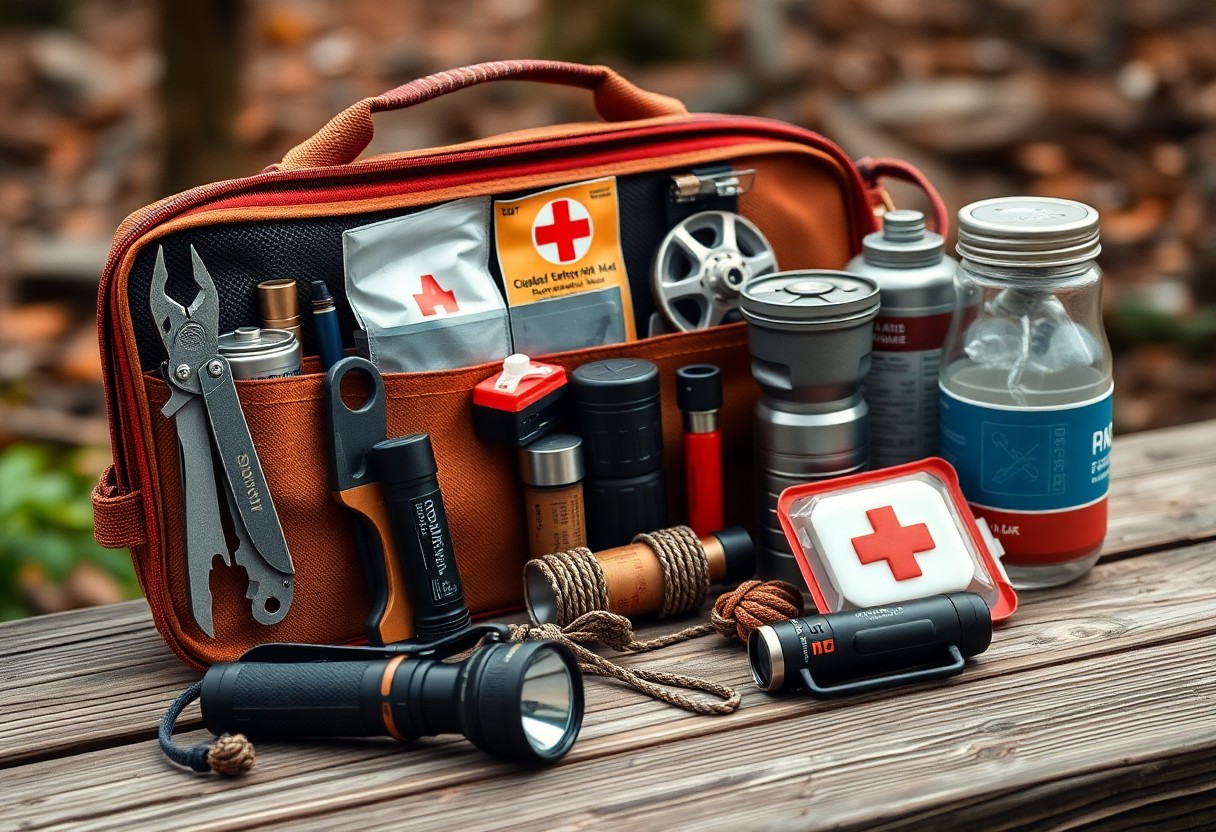
Must-Have Tools for Every Survival Kit
Clearly, a well-rounded survival kit needs to be equipped with imperative tools that can maximize your efficiency and effectiveness in a crisis. These tools not only enhance your preparedness but also give you peace of mind knowing you’re ready for any situation. An effective survival kit should include a multi-tool, fire-starting equipment, first-aid supplies, and a reliable source of light. Striking the right balance between weight and functionality will ensure that your survival kit serves you effectively in any emergency.
How to Choose the Right Multi-Tool
Right off the bat, you should seek a multi-tool that provides versatility while maintaining durability. Consider factors like the number of functions, weight, and overall ease of use. The ideal multi-tool should include a knife, screwdrivers, a can opener, and pliers, allowing you to handle various tasks without excessive bulk. It’s wise to choose a well-known brand with positive reviews to ensure you can rely on your tool in the field.
Tips for Selecting Reliable Fire Starting Equipment
Even in survivalist situations, starting a fire can be your key to warmth, cooking, and signaling for help. When choosing fire-starting equipment, prioritize items that are dependable and easy to use. Look for waterproof matches, lighters, and fire starters made of durable materials. Additionally, choose options that are compact enough to fit conveniently in your kit without taking up too much space.
- Select waterproof matches or lighters that can withstand the elements.
- Invest in quality fire starters, such as magnesium rods or flint tools.
- Include natural tinder sources, like cotton balls or dryer lint.
- Consider redundancy—having more than one type of fire-starting method.
Tips for Selecting Reliable Fire Starting Equipment not only simplify your fire-making process but also increase your chances of staying warm and safe. Choosing gear from reputable brands can make a significant difference in performance. Keep your fire-starting kit organized for quick access, and check your supplies regularly to ensure everything is in working order.
- Store fire-starting equipment in a waterproof bag to protect it.
- Practice using each tool beforehand to build your confidence.
- Familiarize yourself with different fire-starting techniques.
- Any delays in starting a fire could become a serious issue in survival situations.
Emergency Food and Water Supplies
Keep your survivalist kit well-stocked with emergency food and water supplies that can sustain you in unforeseen circumstances. Opt for long-lasting options such as freeze-dried meals, high-protein snacks, and portable water purification systems. Prioritize items with a long shelf life to ensure you’re prepared whenever the need arises.
How to Pack Nutrient-Dense Survival Food
Some necessary strategies for packing nutrient-dense survival food involve selecting high-calorie, lightweight options that provide necessary nutrients. Focus on items like nuts, seeds, dehydrated fruits, and energy bars, which can easily fit into your kit and offer maximum energy during challenging times.
Tips for Water Filtration and Storage
Water is vital for survival, so investing in effective filtration systems and proper storage is indispensable. Consider the following tips for maintaining a reliable water supply:
- Utilize portable water filters to remove contaminants.
- Store water in BPA-free containers to avoid harmful chemicals.
- Regularly check and replace water supplies every six months.
Assume that having filtered water is just as important as the quantity you store, so always prioritize purification options for safe drinking. Learning about various filtration methods can enhance your preparedness significantly.
Food safety is equally important when considering your survivalist kit. Maintain the freshness and longevity of food supplies by adhering to the following guidelines:
- Vacuum-seal your food to minimize oxidation and spoilage.
- Keep your supplies in a cool, dark place to extend shelf life.
- Label items with their expiration dates to ensure proper rotation.
Assume that proper storage practices will help you maximize your resources and keep food safe for consumption in any situation.
First Aid Essentials
Unlike typical camping gear, a well-prepared survivalist kit must include first aid vitals to ensure your safety in emergencies. An effective first aid kit can help you manage injuries and health issues that may arise during outdoor adventures, providing peace of mind and enhancing your overall preparedness. Prioritize stocking it with quality supplies to handle both minor and major medical situations to keep you and your group safe.
How to Build a Comprehensive First Aid Kit
Some fundamental items to include in your first aid kit are adhesive bandages, gauze pads, antiseptic wipes, and medical tape. Assess your environment and the activities you’ll engage in to tailor your kit accordingly. Consider adding specialty items for specific needs, such as burn cream or splints, to make sure you’re adequately equipped for all situations.
Tips for Including Medication and Self-Care Items
With a wide variety of medications available, it’s vital to personalize your first aid kit to include items that cater to your health needs or those of your group. Think about allergic reactions, chronic conditions, or common illnesses that may arise during your journey. Include the following vitals:
- Over-the-counter pain relievers (like ibuprofen or acetaminophen)
- Antihistamines for allergic reactions
- Prescription medications for chronic conditions
Any self-care items you add will cater to various medical emergencies, offering relief and comfort when it’s most needed.
Items such as personal hygiene products and topical treatments can significantly enhance your first aid kit’s effectiveness. Focus on including supplies that are adaptable and relevant to your needs, such as:
- Anti-itch creams for insect bites or rashes
- Hydrocortisone cream
- Feminine hygiene products, if applicable
Any thoughtful addition to your kit will make it a comprehensive support system during unexpected health challenges in the wilderness.
Navigation and Communication Tools
After assembling your survivalist kit, don’t overlook the importance of navigation and communication tools. These items help you stay oriented and connected in outdoor emergencies or unexpected situations. Including a quality GPS device alongside a traditional compass can enhance your ability to traverse unfamiliar terrains and ensure you’re never lost. Additionally, consider communication devices that can transmit signals over long distances, which might be life-saving during remote outings.
How to Use GPS and Compasses Effectively
Effectively utilizing GPS and compasses entails understanding their functions and practicing with them beforehand. Make sure you’re familiar with your GPS device’s features, such as waypoint marking and route navigation. When using a compass, always identify landmarks and ensure the magnetic declination is set correctly. Practice matching a map with your compass to find your bearings, as this will make you more confident in real-life situations.
Tips for Emergency Signaling Devices
Some key tips for utilizing emergency signaling devices include being prepared and knowing how to use them correctly. Equip yourself with devices such as whistles, signal mirrors, and flares, which can attract attention effectively in emergency situations. Familiarize yourself with their operation so that you can act quickly when needed. Consider keeping these devices within easy reach for instant access. This can significantly improve your chances of being rescued.
Signaling correctly can make a world of difference in an emergency. Ensure your signaling devices are in good working order and practice signaling signals when you are out in the field. Consider incorporating these devices into your survival kit:
- Whistle for creating loud, recognizable sounds.
- Signal mirror for catching light and attracting attention.
- Flares for high-visibility during nighttime or adverse conditions.
This preparedness can dramatically enhance your chances of being noticed when you need help the most.
Maintenance and Regular Updates
Once again, you must prioritize the maintenance and regular updates of your survivalist kit to ensure it stays functional and ready for any situation. Over time, items can get damaged, expire, or become outdated, so establishing a routine for checking your supplies is vital. Regularly assess your kit to replace items as necessary, keeping it equipped with the latest tools and gear that suit your personal survival needs.
How to Perform Routine Checks on Your Kit
With each season change, dedicate time to perform routine checks on your survivalist kit. Go through your supplies, testing tools and equipment, and replace batteries in flashlights or radios. Ensure that any food or medicine is still within the expiration date and assess the overall condition of your items. Document any changes you make to keep an accurate inventory of what you have.
Tips for Keeping Your Gear in Top Condition
Now, there are several strategies to keep your gear in top condition. Regular cleaning and drying after use, storage in a dry place, and employing protective measures like cases or covers will extend the life of your tools. Staying proactive about maintenance ensures that your gear remains reliable when you need it most. Here are some additional tips:
- Inspect your gear for wear and tear frequently.
- Store items in their original packaging if possible.
- Use silica gel packets to absorb moisture.
Knowing these tactics will help you keep your equipment ready for the unexpected.
Understanding how to maintain your gear also involves knowing the specific requirements for each tool. Some may need sharpening, while others necessitate occasional lubrication or specific storage conditions. Pay attention to the manufacturer’s guidelines for each item in your kit to optimize its performance. Here are some effective ways to maintain your gear:
- Perform regular cleaning according to the type of material.
- Check for rust and clean metal tools promptly.
- Replace worn items immediately to avoid failures.
Knowing the specific care required for your gear will significantly increase its longevity and reliability.
Final Words
Ultimately, enhancing your survivalist kit with vital tools requires thoughtful consideration and preparation. By investing in high-quality items tailored to your specific needs, you ensure that you are equipped to handle unforeseen challenges. Whether it’s multi-tools, first-aid supplies, or navigation aids, every added component strengthens your readiness. Regularly assess and update your kit to keep it relevant, making sure you are always prepared to face whatever situations may arise. Take ownership of your survival strategy, and empower yourself with the right tools for any circumstance.


