
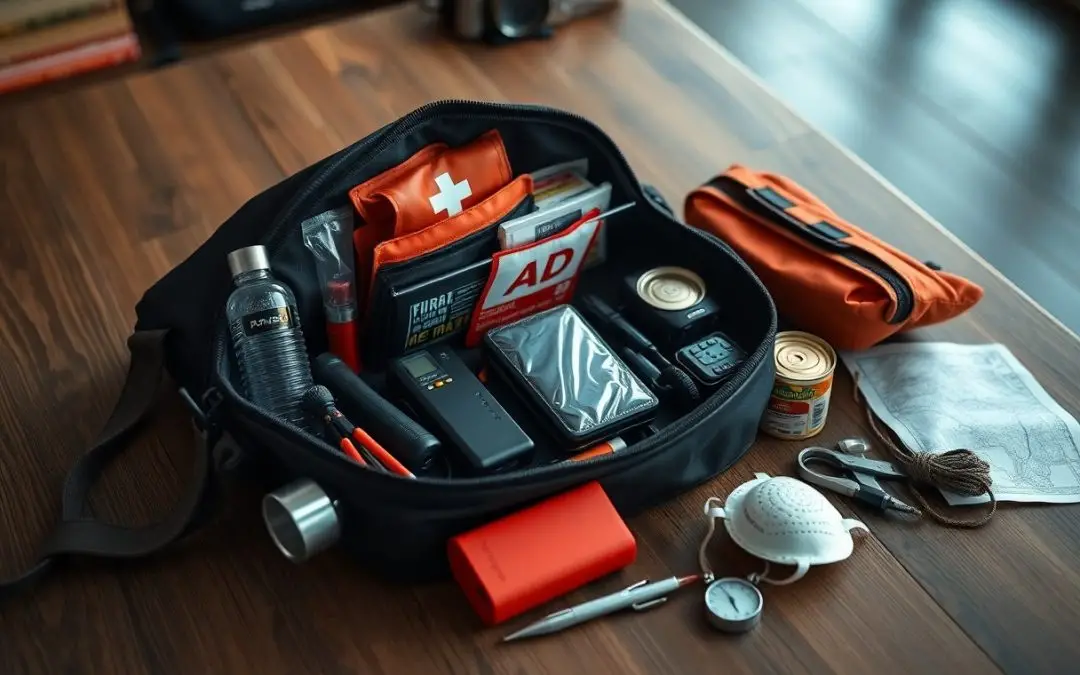
Emergencies require you to carry a compact go bag with water, nonperishable food, first-aid, light, communication device, multi-tool, and warm layers so you can respond quickly and stay safe until help arrives.
Hydration and Water Purification
Pack a reliable water purifier and a collapsible bottle so you can treat and carry water on the move.
Portable Filtration Systems
Choose a compact pump, straw, or gravity filter that removes bacteria and protozoa; you’ll get safe drinking water without boiling.
Durable Water Storage Containers
Store BPA-free, puncture-resistant containers so you can stock safe water for 72 hours and refill from filtered sources.
Keep collapsible bladders, rigid jugs, and a hand pump so you can transfer water without contamination; label filled containers with the date and rotate supplies every six months.
Nutrition and High-Calorie Rations
Pack dense calorie sources like energy bars, nut butters, and jerky to sustain you when food access is limited. Prioritize shelf-stable options with long shelf life, compact packaging, and balanced macros to keep energy up during prolonged emergencies.
Shelf-Stable Emergency Food
Stock ready-to-eat meals, MREs, canned goods, and freeze-dried entrees so you can eat without refrigeration. Check expiration dates periodically and rotate supplies so you always have fresh options when you need them most.
Compact Cooking and Eating Utensils
Choose a lightweight stove, collapsible pot, and multi-use utensils so you can prepare hot meals on the go. Include a small fuel supply and a reliable lighter or ferro rod for consistent ignition.
Include a titanium spork, insulated mug, and folding plate to reduce weight and bulk; you can wash them quickly and reuse. Opt for nesting designs and heat-resistant materials so you can handle boiling water and hot foods safely.
Shelter and Environmental Protection
Shelter items should be compact and weatherproof; you should pack a tarp, cordage, folding stakes, and a lightweight tarp or emergency shelter to keep you dry and reduce exposure.
Lightweight Emergency Bivvies and Blankets
Bivvies and mylar blankets save body heat in seconds; you should carry a lightweight bivvy or foil blanket for each person to prevent hypothermia when sheltering outdoors.
Weather-Resistant Clothing and Layers
Layers let you manage warmth; you should pack a moisture-wicking base, insulating midlayer, and a waterproof breathable shell to handle shifting conditions and keep core temperature steady.
Choose fabrics that dry quickly and retain insulation when wet: synthetic insulated jackets and polyester base layers outperform cotton. You should favor a breathable shell with taped seams and a clear water-column rating for heavy rain, plus a packable down or synthetic jacket for sleeping, spare socks, a warm hat, and lightweight gloves to maintain comfort and mobility.
First Aid and Medical Supplies
Pack a compact first aid kit with gauze, adhesive bandages, antiseptic wipes, tape, gloves, tweezers, scissors, and a CPR mask so you can manage common injuries until help arrives.
Trauma Kits and Essential Bandages
Include a trauma kit with a tourniquet, hemostatic gauze, chest seals, and large sterile dressings so you can control severe bleeding until professional care reaches you.
Personal Medications and Hygiene Kits
Store copies of prescriptions, a short supply of your vital medications, a pill organizer, and basic hygiene items so you can maintain treatment and personal care during displacement.
Keep medications in labeled, waterproof containers, list dosages and allergies, include OTC pain relievers, antihistamines, and a spare inhaler or epinephrine if you use them; update the kit every six months.
Navigation and Communication Tools
Pack compact communication and location tools to stay connected and oriented when electronics fail. You should include a basic radio, spare batteries, paper maps, and a compass so you can confirm positions and contact help without relying solely on cell service.
Analog Maps and Magnetic Compasses
Carry waterproof paper maps of your area and a quality magnetic compass; you can plot routes, mark landmarks, and orient yourself when GPS is unavailable. Practice basic map-reading beforehand so you can interpret bearings and distance under stress.
Emergency Radios and Power Banks
Bring a hand-crank or battery-powered emergency radio and at least one high-capacity power bank so you can receive alerts and charge devices during outages. You should test reception and emergency channels before travel.
Keep radios that cover NOAA/weather, AM/FM, and shortwave bands if you travel remote areas, and choose models with hand-crank or solar charging so you won’t depend entirely on disposable cells. For power banks, aim for 20,000 mAh or more with USB-C and quick-charge support, pack charging cables and an AC-to-car adapter, rotate stored batteries, and stash units in waterproof pouches to power phones, radios, and lights during prolonged outages.
Multipurpose Tools and Illumination
Pack compact multi-tools and reliable lights so you can handle cutting, opening, and emergency repairs while maintaining visibility in low light.
High-Durability Multi-Tools and Knives
Choose stainless-steel multi-tools and a fixed-blade or folding knife so you can perform repairs, food prep, and first aid tasks with confidence.
Hands-Free Headlamps and Tactical Lights
Select a hands-free headlamp with adjustable beam and a compact tactical light so you can have focused, long-lasting illumination during movement and tight-space work.
Opt for models with multiple brightness levels, a red-light mode to preserve your night vision, waterproof ratings, and user-replaceable batteries so you can extend runtime and adapt to varied conditions.
Conclusion
As a reminder, you should keep water, a first-aid kit, flashlight, batteries, multi-tool, thermal blanket, personal documents, and a charged power bank in your go bag so you can respond quickly to unexpected emergencies. Update items seasonally and customize supplies for family needs and medical conditions.


