
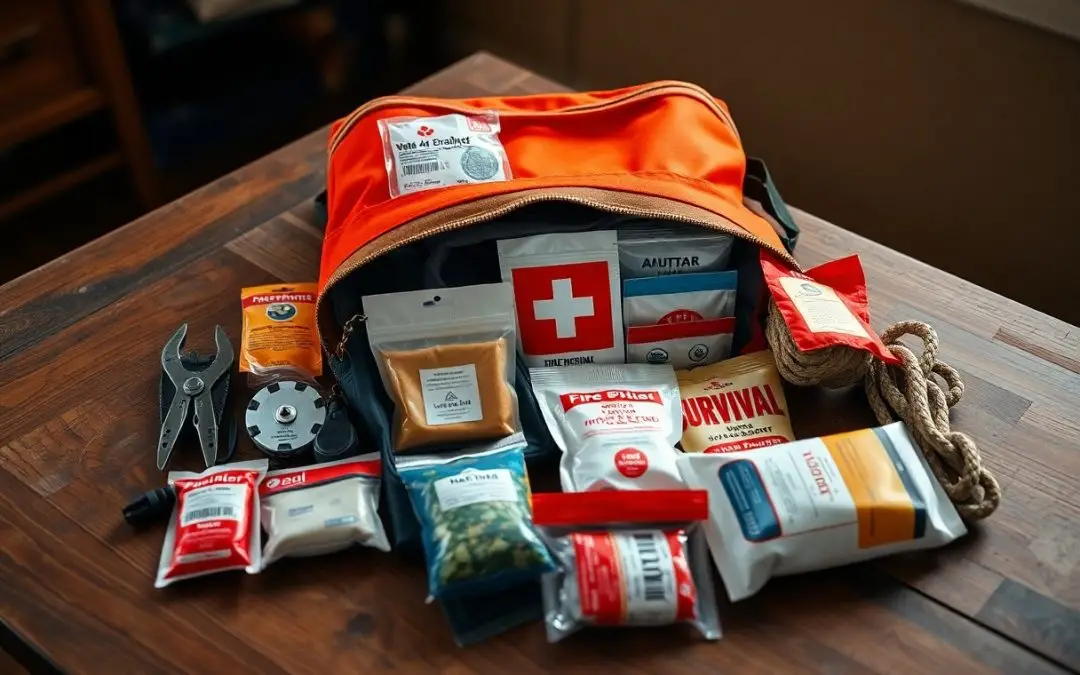
Packing a survival go bag is necessary for ensuring your safety and preparedness in unexpected emergencies. With the right items at your fingertips, you can navigate a variety of situations effectively. This guide outlines what to include, providing you with a comprehensive checklist that caters to your specific needs. From first aid supplies to necessary tools, equip yourself with the knowledge necessary to create a go bag that gives you peace of mind during uncertain times.
Understanding Survival Go Bags
What is a Survival Go Bag?
A survival go bag is a portable collection of imperative items tailored to keep you safe and self-sufficient during emergencies. Typically, it contains food, water, medical supplies, tools, and other necessities designed to sustain you for at least 72 hours after a disaster or crisis. The contents should be selected based on your specific needs and the types of emergencies you are likely to face.
Importance of Having a Go Bag
Having a go bag is fundamental for effective emergency preparedness. It provides peace of mind knowing you have the imperatives readily available, allowing you to respond quickly in any situation. Whether facing natural disasters, civil unrest, or sudden evacuations, a well-stocked go bag equips you to handle the challenges ahead.
Studies show that nearly 60% of Americans feel unprepared for emergencies, highlighting the necessity for a go bag. When you have immediate access to critical resources, it minimizes panic and boosts your chances of survival. Additionally, having a go bag ensures you are not dependent on external help, which can be delayed or unavailable during crises. Personalizing your go bag with items that suit your unique circumstances further enhances your readiness and confidence in facing adversity.
Essential Items for Your Go Bag
Your survival go bag must include vital items to ensure you can sustain yourself in an emergency. Each component serves a distinct purpose, ranging from basic needs like water and food to tools and first aid supplies. Prioritize lightweight and multipurpose gear to optimize space without sacrificing functionality.
Water and Water Filtration
Food Supplies
Your go bag should feature non-perishable food items that are easy to prepare. Consider lightweight options like energy bars, freeze-dried meals, and dehydrated fruits that provide vital nutrients and calories without taking up much space. Aim for at least 2,000 calories per day per person, and don’t forget utensils or a compact cooking solution.
Look for ready-to-eat items that don’t require cooking, such as high-calorie snacks packed with proteins and fats, which are vital during strenuous conditions. Include items like peanut butter packets, trail mix, or canned goods with pull tabs for convenience. It’s important to also consider dietary restrictions and preferences when selecting food to ensure that you can maintain energy levels under stress.
First Aid and Medical Supplies
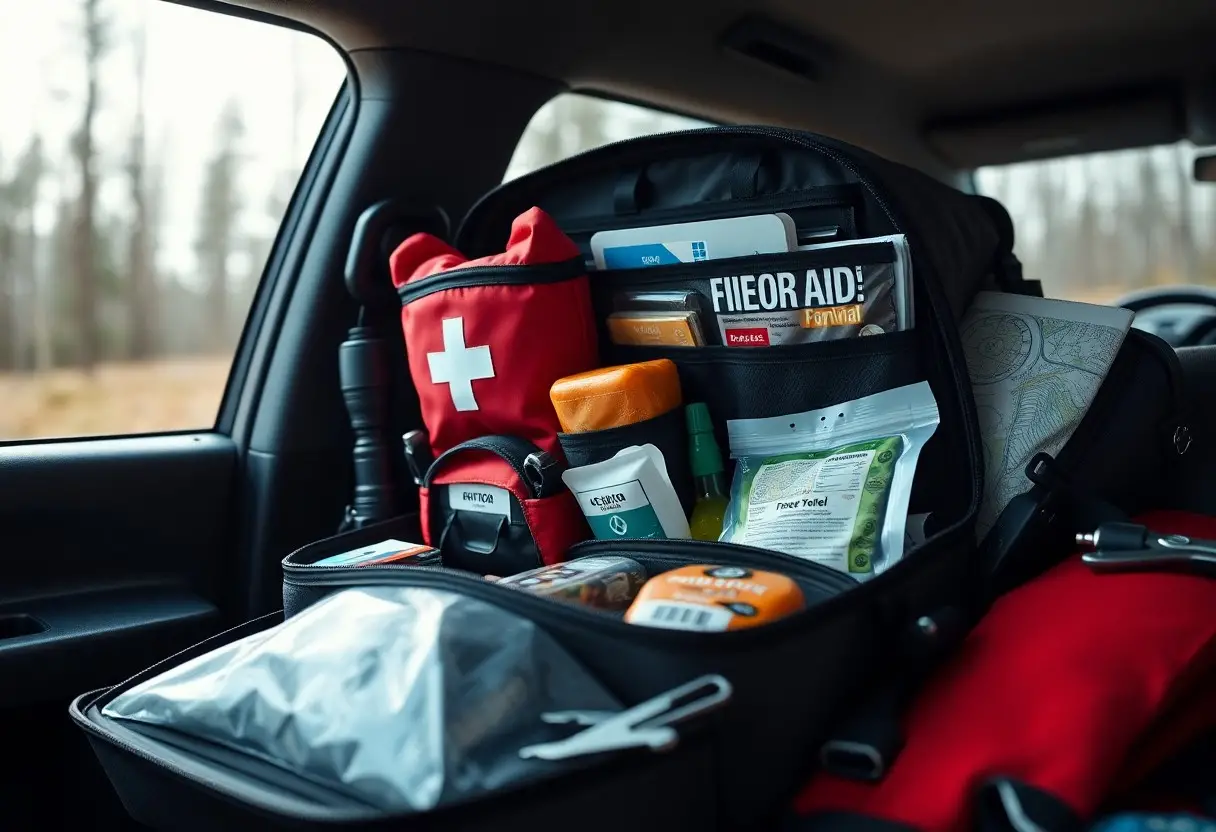
Your survival go bag must include vital first aid and medical supplies to address injuries and health issues that may arise during emergencies. A well-stocked first aid kit can make a significant difference, whether you’re facing minor cuts or more severe medical situations. Prioritize items that cover a range of needs, ensuring you can respond effectively to both injuries and common health complaints.
Basic First Aid Kit Contents
A basic first aid kit should include adhesive bandages, sterile gauze pads, antiseptic wipes, medical tape, scissors, and tweezers. Additionally, include a streamlined first-aid manual for guidance on how to treat various injuries. By incorporating these items, you provide yourself with vital tools for managing injuries and maintaining health in challenging situations.
Medications and Health Needs
Include any necessary prescription medications, over-the-counter pain relievers, and health supplements in your go bag. Consider adding medications for allergies, digestive issues, or chronic conditions to tailor the kit to your specific needs. Make it a habit to regularly check expiration dates and replenish as needed.
Taking inventory of your current medications is vital when packing your go bag. Create a comprehensive list that includes dosage information and any specific instructions from your healthcare provider. If you have conditions like asthma or diabetes, ensure you have the necessary inhalers or insulin supplies. Having these medications readily available can mean the difference between safe management of a health issue and a potentially life-threatening situation during an emergency.
Shelter and Warmth
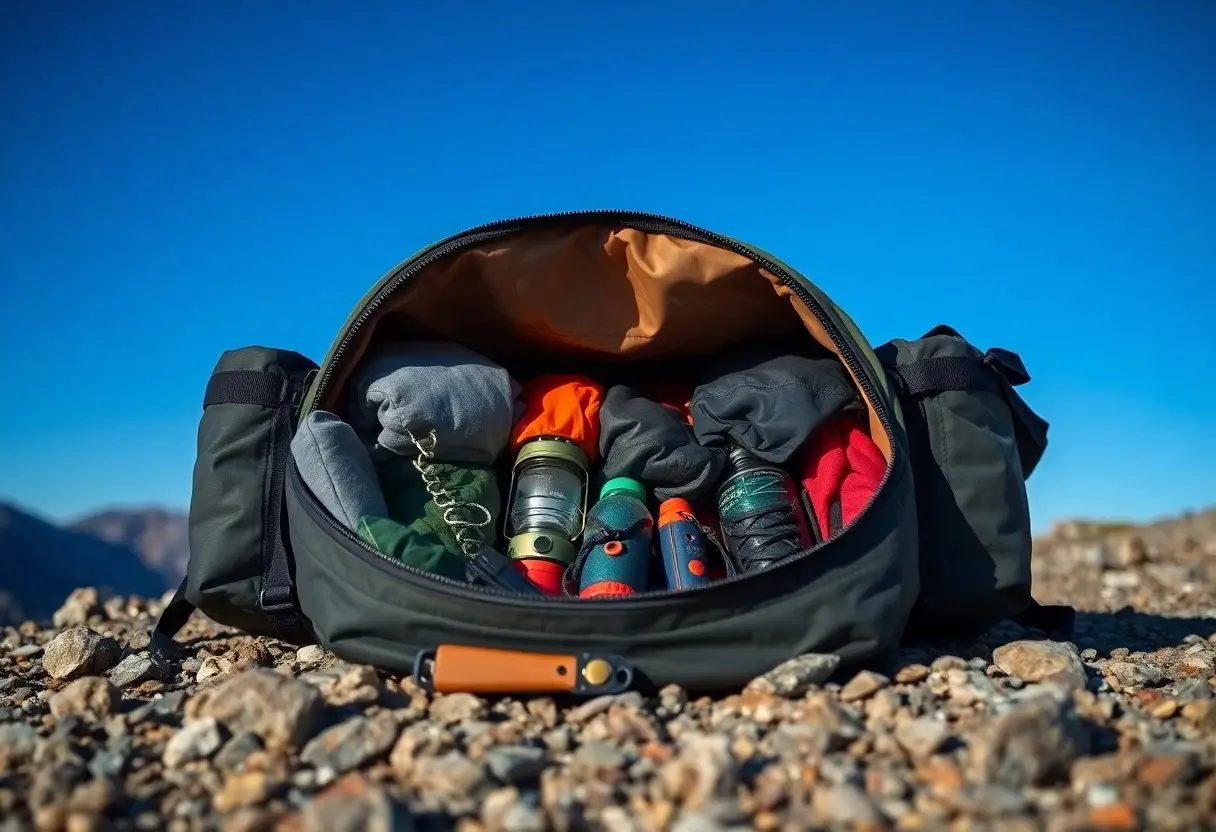
Your survival go bag should prioritize shelter and warmth to protect you from the elements. Exposure can quickly lead to hypothermia or heat-related illnesses, so having reliable options is necessary. Both temporary and portable shelters can maximize your chances of staying safe and comfortable in a variety of situations, ensuring you are prepared for unpredictable weather conditions.
Types of Shelter Options
Choose the right shelter based on your environment and needs. Options include:
- Tents: Lightweight and easy to set up.
- Tarps: Versatile and can be used in multiple configurations.
- Mylar emergency space blankets: Compact and heat-reflective.
- bivy sacks: Waterproof and insulated for individual use.
- Portable hammocks: Comfortable and elevated from the ground.
After evaluating your environment, select one or more shelter types that suit your requirements.
| Tent | Lightweight, offers good protection against rain and wind |
| Tarps | Highly versatile, can be configured for various setups |
| Mylar Emergency Blankets | Compact and lightweight, retains body heat effectively |
| Bivy Sacks | Provides insulation and waterproofing for solo users |
| Portable Hammocks | Great for elevated sleeping while minimizing ground contact |
Warmth Preservation Items
Including items for warmth preservation is vital in your go bag. Choose materials that conserve body heat and help maintain your core temperature during cold conditions. High-quality sleeping bags, insulated clothing, and thermal layers should be prioritized to prevent the loss of warmth when you need it most.
For optimal warmth preservation, invest in items that not only pack easily but also provide substantial insulation. A well-insulated sleeping bag is paramount, and an emergency space blanket can reflect heat back to your body, reducing heat loss. Layering clothing made from materials like fleece or wool can help regulate body temperature efficiently. Hand warmers and thermal socks can also enhance your comfort, keeping extremities warm and functional. If you have the opportunity, practice setting up your shelter and layering your clothing to ensure you are familiar with these critical tasks during a real emergency situation.
Tools and Gear
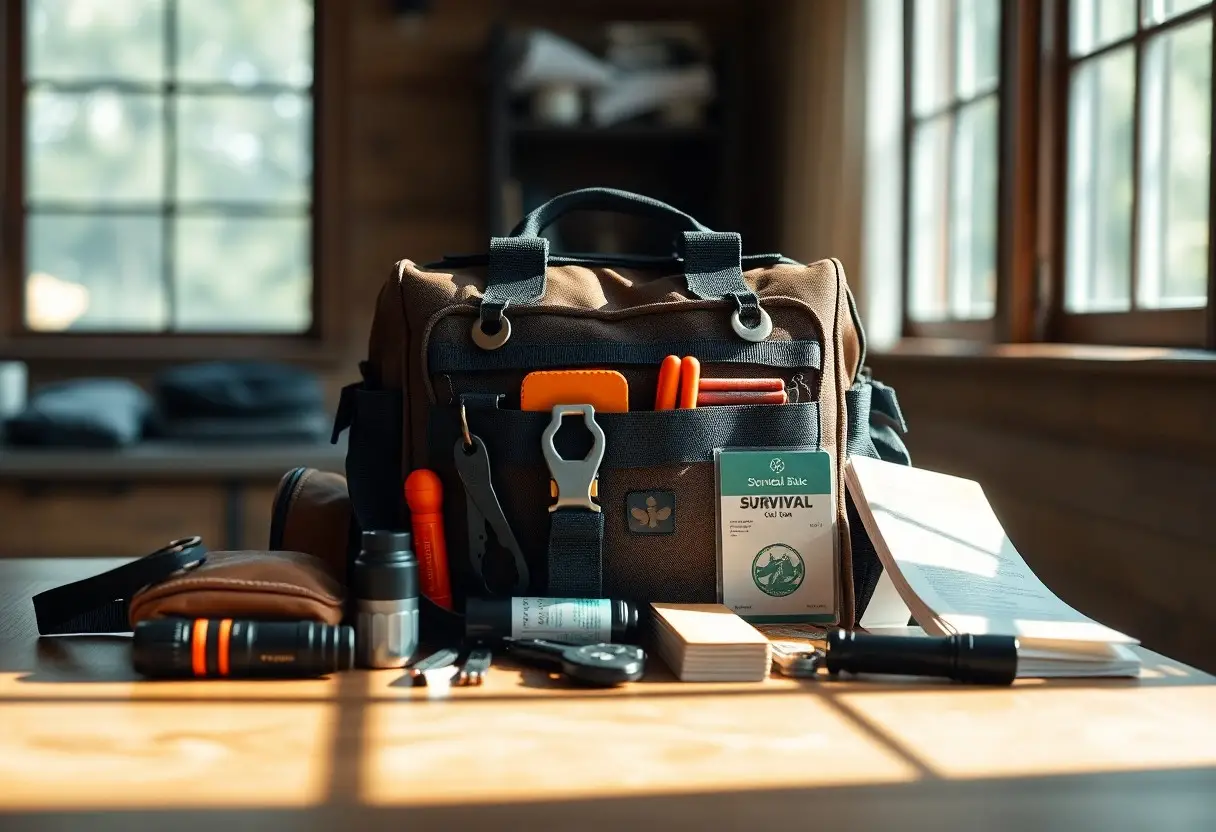
Your survival go bag must contain reliable tools and gear to assist you in various situations. Having the right equipment enables you to perform important tasks, such as building shelter, preparing food, or making repairs. Prioritize multifunctionality in your selections, as each piece of gear should serve multiple purposes to save space while maximizing efficiency in survival scenarios.
Multi-tools and Knives
Investing in a quality multi-tool and a sturdy knife is fundamental for your go bag. These items should include features like pliers, screwdrivers, and can openers for versatility. A good survival knife should have a fixed blade with a blade length of at least four inches, ensuring durability for tasks ranging from cutting rope to preparing food.
Fire Starting Equipment
Fire is important for warmth, cooking, and signaling for help. Your go bag should include multiple fire-starting tools, such as waterproof matches, a ferrous rod, and a lighter. Ensure you have a reliable method that works in any weather condition, as this can be a lifesaver in survival situations.
A practical fire-starting kit might also benefit from additional elements like firestarter cubes or tinder sticks to enhance your ability to ignite a fire quickly. Carrying various igniters increases your chances of successfully making fire under adverse conditions. Explore options such as ferrocerium rods that produce sparks in wet weather or wind, and maintain them in a waterproof pouch for protection. Always practice using your fire-starting tools to build confidence before an emergency arises.
Safety and Communication
Your survival go bag must include vital safety and communication items to keep you informed and connected in emergencies. These tools can significantly increase your chances of survival by allowing you to signal for help or communicate with others. Consider how critical these items are when you’re in an unknown or dangerous situation.
Signaling Devices
Adding signaling devices to your go bag ensures you can attract attention in distress situations. Flares, signal mirrors, and whistles are effective tools that require minimal effort but can be heard or seen from a distance. A whistle, for example, can carry sound far beyond your voice, making it an indispensable item.
Personal Identification and Documents
Incorporating personal identification and critical documents into your go bag safeguards your identity and facilitates access to services in emergencies. This should include a government-issued ID, health insurance information, and any relevant medical records that may be important for treatment. Keeping these items in a waterproof pouch will protect them from the elements.
Having personal identification and documents on hand can expedite rescue efforts and ensure you receive necessary medical care. Include copies of your driver’s license, social security card, and emergency contact information. In situations where your safety is compromised, being able to prove your identity can unlock vital resources and assistance. Additionally, consider including a list of any allergies or medical conditions to aid responders effectively. Ensuring these documents are easily accessible can significantly improve your situation in a crisis.
Conclusion
Now that you have reviewed the ultimate checklist for packing a survival go bag, you are equipped to prepare effectively for any situation. Ensure your bag contains important supplies tailored to your specific needs, such as food, water, first aid, tools, and communication devices. Regularly assess and update your go bag to account for changes in your circumstances or the environment. Being prepared empowers you to handle emergencies confidently and increases your chances of staying safe in uncertain times.


