
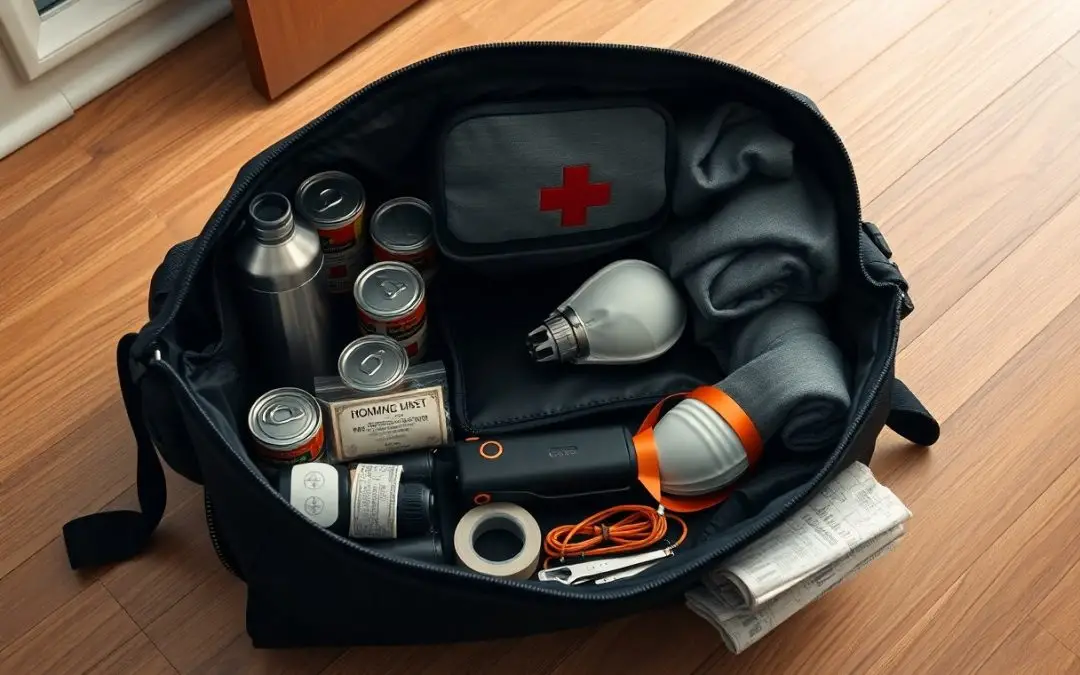
You make your go bag truly useful by including everyday items that solve common emergencies and daily inconveniences; prioritize a reliable flashlight, multi-tool, compact first-aid kit, water purification tablets, a portable charger with cables, a lightweight rain poncho, sturdy gloves, and copies of vital documents so your kit supports mobility, self-reliance, and quick recovery when unexpected situations arise.
Essentials for Survival
Prioritize items that keep you alive and mobile: water, food, shelter, light and first aid. You should pack at least a three-day supply geared to your needs, including a multi-tool, headlamp, thermal blanket, basic meds, and a portable charger. FEMA’s one-gallon-per-person-per-day guideline informs volume planning; factor in pets and high-heat exertion. Choose compact, multi-use gear-like a tarp that becomes a shelter and rain collector-to save space without sacrificing capability.
Water and Purification
You should store one gallon (3.8 L) per person per day for at least three days, and carry a lightweight purifier. Boiling a rolling boil for 1 minute (3 minutes above 2,000 m) neutralizes pathogens. Keep a 0.1‑micron Sawyer Mini or 0.2‑micron LifeStraw for on-the-go filtration, plus unscented bleach (8 drops per gallon) or chlorine dioxide tablets for chemical disinfection-follow manufacturer dosing. After Hurricane Sandy, many survivors relied on household bleach to treat municipal outages; practice treatment before an emergency.
Food and Nutrition
You need calorie-dense, shelf-stable staples that require little or no prep: MREs (~1,200-1,300 kcal), high-calorie bars (200-400 kcal), canned tuna, peanut butter, and freeze-dried meals. Plan for about 2,000 calories per adult per day and a minimum three-day supply; adjust for children, seniors, or high-activity scenarios. Pack a manual can opener, small camping stove if you expect to heat food, and substitutions for allergies-gluten-free bars or ready-to-eat protein pouches-to keep nutrition consistent under stress.
Store items in airtight containers and rotate them: canned goods typically last 2-5 years, while commercially sealed freeze-dried meals can exceed 20 years; check manufacturer dates and replace on a staggered schedule (every 6-12 months for staples you use). Assemble a sample three-day kit per person: 3 MREs or 6 freeze-dried servings, 6 energy bars, 2 cans of protein, a 16-ounce jar of nut butter, and electrolyte packets. Label for allergies and include a compact utensil set.
First Aid Supplies
You should pack a first-aid kit that handles bleeding, burns, allergic reaction and minor illness: include a 72-hour supply of any prescriptions, one epinephrine auto-injector if you have severe allergies, antiseptic wipes, assorted bandages, sterile gauze and OTC pain relievers. Aim for items that are compact and clearly labeled, and keep a small flashlight and extra batteries for night use or low-light wound care.
Basic First Aid Items
Your baseline kit should let you control bleeding, clean wounds and treat pain: assorted adhesive bandages, sterile gauze pads (3-6), adhesive tape, antiseptic wipes, disposable gloves, tweezers, scissors, a digital thermometer and a 7‑day supply of common OTC meds like ibuprofen and acetaminophen. You should also include dosing notes for children and elders and label any personal prescriptions.
- Assorted adhesive bandages (multiple sizes)
- Sterile gauze pads (3×3, 4×4) and roller gauze
- Adhesive tape and wound closure strips
- Antiseptic wipes and topical antibiotic ointment
- Disposable nitrile gloves (at least 4 pairs)
- Tweezers, blunt scissors and a digital thermometer
- Instant cold pack and elastic bandage (ACE)
- OTC pain relievers and anti-diarrheal (7‑day supply)
Basic Kit Contents
| Adhesive Bandages | Cover small cuts; carry multiple sizes for fingertips and knees |
| Sterile Gauze & Tape | Control moderate bleeding; tape secures dressings |
| Antiseptic Wipes | Clean wounds to reduce infection risk |
| Disposable Gloves | Protect you and the patient from contamination |
| Thermometer & OTC Meds | Identify fevers and manage pain/fever for 3-7 days |
Advanced Medical Supplies
Include higher-grade items for severe trauma and fractured limbs if you have the training: a tactical tourniquet (CAT or SOF-T), two hemostatic dressings (e.g., QuikClot), a SAM splint, chest seal for open pneumothorax, and an oral or nasal airway. Store manufacturer instructions and a laminated quick-reference for procedures, and keep any auto-injectors within their expiration dates.
- Tactical tourniquet (one, with instructions)
- Two hemostatic dressings (packaged sterile)
- SAM splint or rigid immobilizer
- Chest seal (aspirating or non-aspirating)
- Oral/nasal airway (sizes 2-5) and lubricant
- Epinephrine auto‑injector (if indicated)
Advanced Medical Supplies
| Tactical Tourniquet | Stops life‑threatening extremity hemorrhage when direct pressure fails |
| Hemostatic Dressings | Promote clotting for severe bleeding; one for initial control, one spare |
| SAM Splint | Immobilizes fractures; lightweight and reusable |
| Chest Seal | Reduces risk of tension pneumothorax from penetrating chest wounds |
| Airway Adjuncts | Maintain an open airway when unconscious; training required |
You should get practical training-courses like Stop the Bleed or a 16-24 hour wilderness first aid class teach proper tourniquet placement, hemostatic dressing use and airway management; studies indicate trained bystanders improve survival in extremity hemorrhage. Rotate supplies ahead of expiration (EpiPen, hemostatic agents) and practice kit checks every 6 months to confirm usability and familiarity.
- Take a Stop the Bleed or wilderness first aid course (2-8 hours)
- Practice applying a tourniquet and packing a wound under supervision
- Label and date all advanced supplies and note expirations
- Keep a laminated quick-reference and pair of shears in the kit
- Replace used or expired items immediately after any incident
Advanced Supply Management
| Training | Ensures correct use; reduces risk of secondary injury |
| Expiration Monitoring | Replace EpiPens and hemostatic agents before expiry |
| Storage | Keep dry, cool and accessible; avoid crushing delicate gear |
| Redundancy | Carry spares of single-use items like hemostatic dressings |
Tools and Gear
Keep a selection of resilient tools you can rely on: a compact hammer or mallet, a 10-foot roll of duct tape, 15 feet of 550 paracord (rated 550 lb), a small folding shovel if space allows, and a few heavy-duty zip ties. Choose metal over plastic where strength matters, stash a few spare screws and a tiny repair kit with patches and adhesive, and use carabiners to secure items for quick access.
Multi-tools and Utility Items
Opt for a quality multi-tool like a Leatherman or Victorinox with pliers, wire cutters, a saw, and a bit driver-models under about 8 oz balance capability and weight. Carry a dedicated folding knife (blade <3 in where legal), a compact box cutter for packaging and cordage, and a small roll of electrician's tape. You'll want tools that let you improvise repairs, open cans, and create shelter without adding excessive bulk.
Lighting and Fire Starting Equipment
Bring a hands-free USB-rechargeable headlamp (200-500 lumens) plus a compact backup flashlight (100-300 lumens) and spare batteries or a 5,000-10,000 mAh power bank. For ignition, pack a windproof lighter, a ferrocerium rod (sparks ≈3,000°C), and a waterproof match tin. Store matches and tinder in a sealed plastic bag or dry container so you can start fires reliably in wet conditions.
Pay attention to runtime and durability: a 300-lumen LED headlamp typically gives 6-12 hours on medium, while IPX7-rated lights survive immersion. Ferro rods can deliver thousands of strikes and succeed with minimal tinder; keep cotton balls treated with petroleum jelly or a small commercial tinder packet. Chargeable lights cut long-term weight, but carry a small set of AA/AAA spares if you can’t recharge for several days.
Clothing and Personal Items
Pack enough clothing and personal items to keep you functional for at least 72 hours: three pairs of socks, two shirts, a spare set of underwear, and a lightweight change-of-clothes that fits your climate. Include a packable rain shell and a warm midlayer, plus a hat and gloves if temperatures could drop below freezing. Stow garments in waterproof bags and rotate them every six months to keep fabrics serviceable.
Weather-Appropriate Clothing
You should choose base layers in moisture-wicking synthetics or merino wool; avoid cotton that retains sweat. Midlayers like fleece or a lightweight insulated jacket provide warmth without bulk. An outer shell with at least a 5,000 mm waterproof rating and taped seams will shed prolonged rain. Add sturdy low-cut hiking shoes and a pair of sandals or slip-ons so you can move over muddy terrain and rest comfortably in shelters.
Personal Hygiene Products
Include a toothbrush, travel-size toothpaste, biodegradable soap, and a quick-dry towel; you can use soap for both body and laundry. Pack hand sanitizer with at least 60% alcohol per CDC guidance, a 30-count pack of unscented baby wipes, a razor, nail clippers, and a three- to seven-day supply of feminine products if needed. Seal items in zip bags and refresh every six months.
Organize hygiene items in clear, resealable pouches so you can access toothpaste or sanitary supplies within 60 seconds; field tests show faster retrieval reduces contamination. Consider multi-use items-castile soap cleans body, dishes, and clothes-and include disposal bags for used wipes and soiled garments. You should also pack a small roll of toilet paper (100-200 sheets) and a compact trowel if local sanitation requires burial.
Communication and Navigation
When power and networks fail, prioritize layered options: at least one cellular device with offline maps, a separate long-range emergency transmitter, and paper navigation aids. You should plan three evacuation routes, pre-program emergency contacts, and store device charging solutions – a 20,000 mAh power bank and a small solar panel cover common outages. Practical redundancy cuts rescue time and keeps you informed during the first 72 hours when help is most likely to arrive.
Emergency Communication Devices
Put a Personal Locator Beacon (PLB) or satellite messenger (examples: Garmin inReach, ZOLEO) in your bag; PLBs transmit on 406 MHz to COSPAS‑SARSAT for global distress alerts. Add a battery/hand‑crank NOAA radio for alerts and a compact VHF/UHF handheld (e.g., Baofeng) for local coordination. Pack spare AA/AAA batteries or a 20,000 mAh power bank and a USB cable to keep devices operational beyond a single day.
Maps and Navigation Aids
Carry a local topographic map (1:24,000 for hiking or 1:50,000 for broader areas) plus a reliable compass; physical maps never lose signal. You should pre-download offline maps in apps like Gaia GPS or Maps.me, save key waypoints as UTM coordinates, and keep a pencil for annotations. Practice triangulation and route-reading so you can navigate confidently if electronics die.
Waterproof your maps in zip-top bags or laminate high-use sections, and keep two copies-one in your pack and one in your vehicle. Note magnetic declination for your region and write it on the map; that avoids navigation errors over miles. Also include a simple protractor or small inclinometer for slope reading, and routinely update waypoints after route changes so your paper and digital aids match reality.
Additional Comfort Items
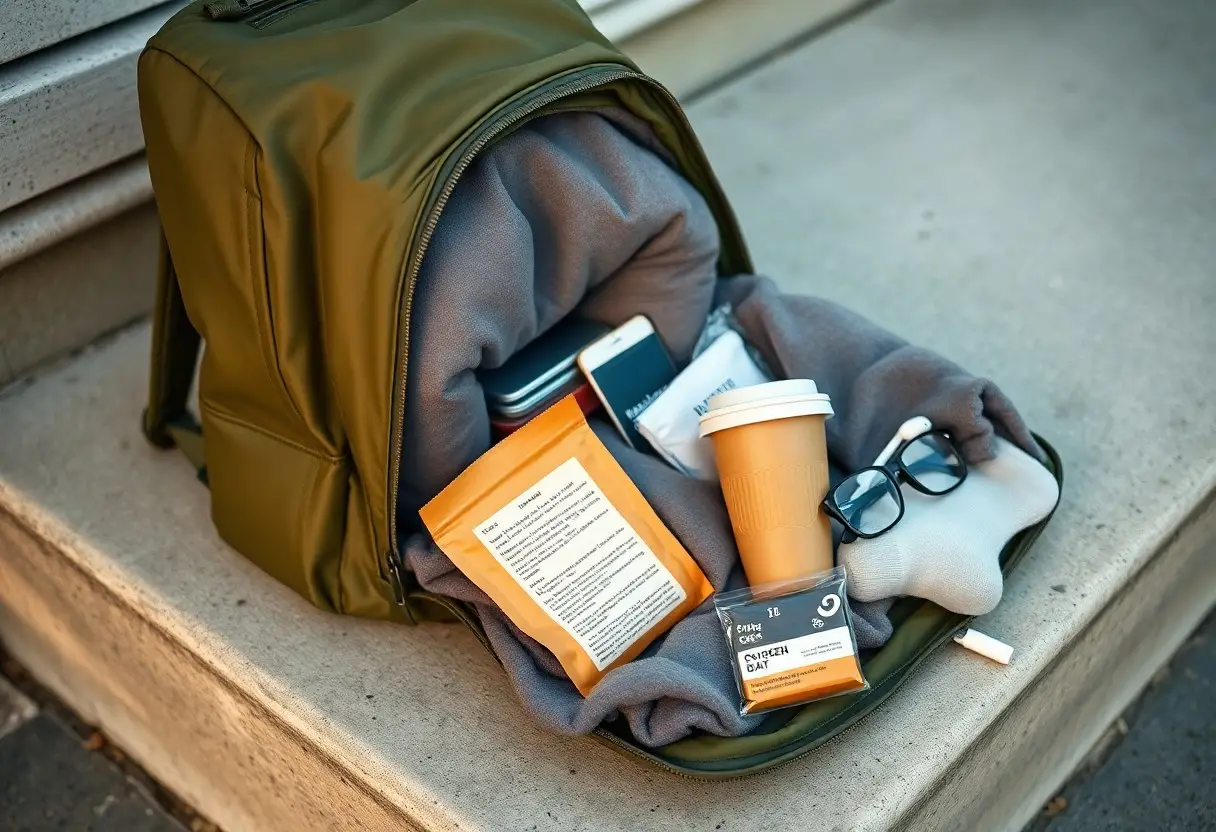
You should include small, high-impact comfort items: a lightweight fleece blanket, an extra pair of warm socks, a travel toothbrush and mini toiletry kit, three energy bars, and a compact lip balm. Add a waterproof pouch with copies of IDs and $20-$100 in small bills. These extras keep you clean, warm, and mentally steadier during the first 72 hours and typically weigh less than 2-3 pounds combined.
Sleeping Gear and Shelters
For sleeping, pack either a 3-season sleeping bag or a mylar emergency bivvy rated to about 40°F, an inflatable sleeping pad under 1 lb with an R-value near 3, and a tarp or ultralight tent with four stakes and 15 feet of cord. You’ll gain several degrees of warmth from a padded pad; in wet or windy conditions a tarp shelter set with paracord is faster, lighter, and often more versatile than a multi-person tent.
Entertainment and Morale-Boosting Items
Include a mix of lightweight, low-power items: a deck of cards, a small paperback (250-400 pages), a crossword or Sudoku book with a pen, and for digital use an e-reader preloaded with 500+ titles plus a 10,000 mAh power bank to recharge it twice. For families, add two small toys or a coloring set to keep children engaged without adding bulk.
You’ll notice tangible benefits from these items: a single deck of cards supports dozens of games for 1-8 players, a paperback can provide 6-10 hours of focused distraction, and simple group activities reduce stress during long waits. Store entertainment in a waterproof bag, rotate contents every six months, and prioritize battery-free options or easily rechargeable devices so your morale gear stays useful during extended outages.
Conclusion
Taking this into account, you should assemble a go bag that balances water, food, first-aid, light, communication, tools, and important documents with portability and routine checks so your kit performs when required; prioritize multi-use items, keep contacts and charged power, and tailor contents to your health, skills, and local risks.


