
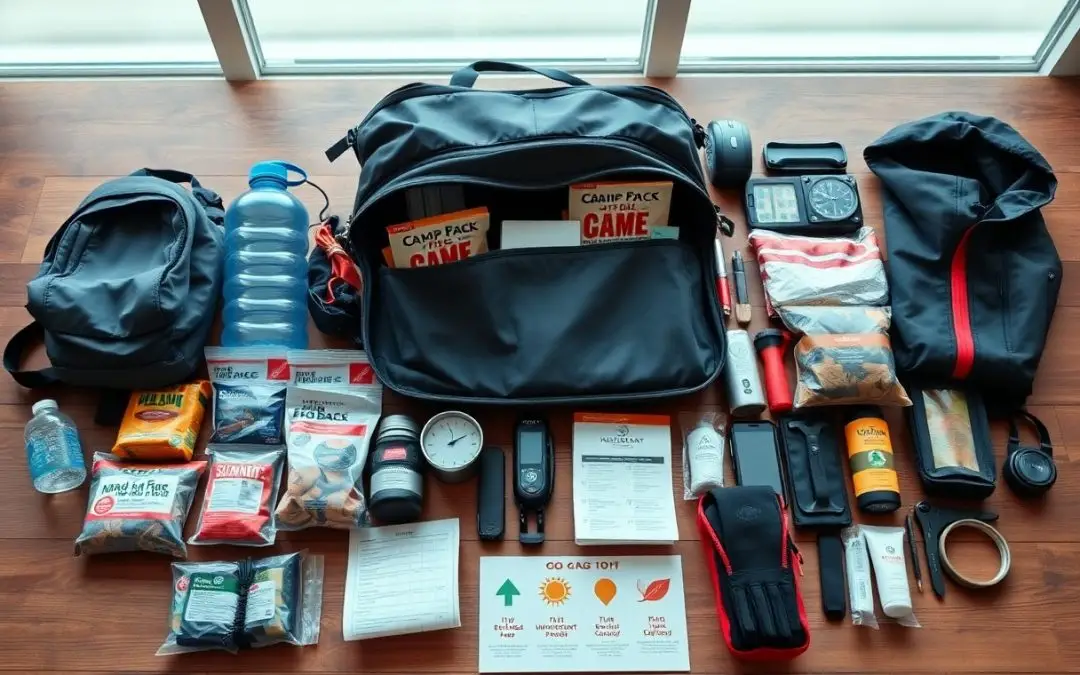
Many emergencies arrive without warning; you must keep a compact, season-ready go bag with shelter, water, medical supplies, tools, clothing, and documents for immediate evacuation.
Key Takeaways:
- Purpose of a go bag: provide imperative items for at least 72 hours to sustain you during evacuations or sudden emergencies.
- Core contents: water (1 gallon per person per day), nonperishable food, first-aid kit, flashlight, multipurpose tool, extra batteries, radio, and emergency shelter.
- Personalize for season and individuals: add cold-weather layers, sun protection, prescription medications, baby or pet supplies, and copies of important documents.
- Maintenance and accessibility: store the bag in an easy-to-reach spot, check and rotate food, batteries, and medications every six months, and update documents and clothing sizes.
- Practice and planning: rehearse evacuation routes, create communication plans with family, and keep digital backups plus a printed checklist inside the bag.
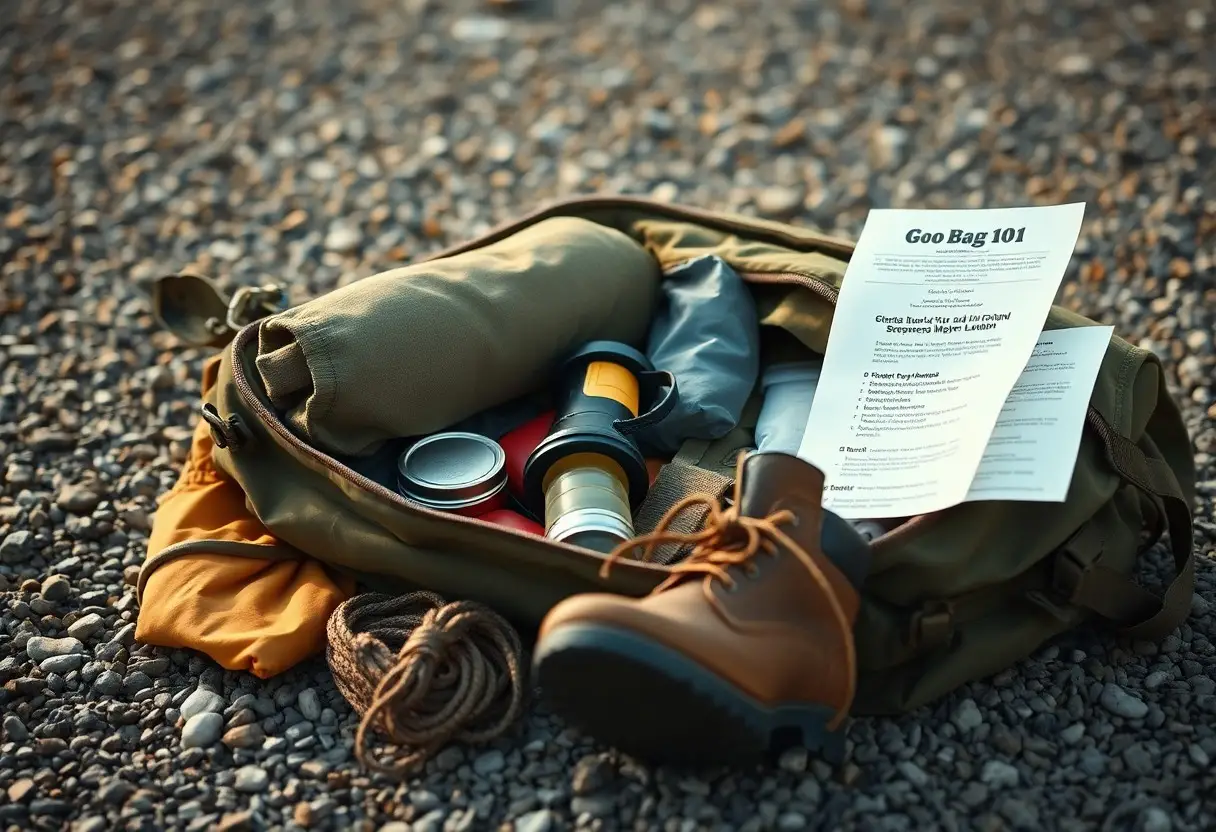
Selecting the Optimal Pack
You should pick a pack sized for your typical outings: day, 72-hour, or multi-day. Fit matters more than features-measure torso length, test hip-belt placement, and load the pack when trying it on so weight sits on your hips, not your shoulders.
Select packs with organized access, external attachment points, and a hydration sleeve to match your gear and climate. Balance capacity against weight and avoid overpacking; a lighter, well-organized pack keeps you mobile year-round.
Load Distribution and Ergonomics
Proper load distribution prevents fatigue: place dense items close to your spine and centered over the hip belt, with lighter items in outer pockets for quick access. You should fine-tune shoulder straps, sternum strap, and hip belt so the hips carry most of the weight and the pack doesn’t sway.
Material Durability and Capacity
Choose materials rated for abrasion and water resistance, such as Cordura or coated nylons, and high-quality zippers and buckles for long-term reliability. Aim for 20-35L for day packs, 35-50L for 72-hour kits, and 50L+ for multi-day setups, matching capacity to seasonal clothing and gear.
Check stitching, seam reinforcement, and coating quality; taped seams and PU/DWR finishes improve wet-weather performance. You should also test zippers and attachment points under load to ensure the pack holds up to repeated use across seasons.
Core Life Support Systems
Pack your core life-support items-water, shelter, heat sources, and first aid-in accessible compartments so you can reach crucials quickly during sudden moves.
Keep weight balanced and items modular so you can adapt the bag by season; you should test the layout quarterly to maintain readiness and troubleshoot missing pieces.
Water Procurement and Purification
Scout local water sources along likely routes and near home so you know reliable options; mark springs, public taps, and treated stations on a simple map you carry with you.
Filter and purify using at least two methods-mechanical filtration plus chemical treatment or UV-you’ll want backups and practice using each under cold, dirty, or low-light conditions.
High-Calorie Nutrition and Rationing
Store calorie-dense options like nuts, hard cheeses, energy bars, and compact meal kits in airtight packaging so you can sustain high exertion without frequent resupply, aiming for 2,000-3,000 kcal/day per person when active.
Choose foods that are shelf-stable, compact, and require minimal prep; you should test digestibility now so stress and adrenaline don’t turn calories into wasted weight later.
Rotate rations every six to twelve months, logging expirations and moving replaced items into regular meals so you always carry fresh, usable calories without accumulating waste.
Shelter and Environmental Protection
Shelter items in your go bag should protect you from rain, wind, and sun: pack a compact tarp, emergency bivvy, and a lightweight tarp-hammock to create quick coverage without bulk.
Insulation and ground protection prevent heat loss when you stop: include a closed-cell foam pad or inflatable sleeping pad and a small reflective blanket to cut conductive and radiant cooling.
Modular Clothing and Layering
Clothing in your kit should be modular so you can adapt to activity and weather: carry a moisture-wicking base layer, an insulating mid layer, and a breathable, waterproof shell you can mix and match.
Adjust layer choices based on exertion and forecast; pack an extra pair of socks, a warm hat, and lightweight gloves that compress small but add significant comfort during cold nights.
Emergency Bivouac and Sleep Systems
Bivouac gear must be compact and multiuse: an emergency bivvy or lightweight 3-season sleeping bag, a tarp, and cordage let you rig quick shelters and manage condensation.
Sleeping systems should prioritize warmth-to-weight ratio; choose an insulated pad and a bag or quilt rated a bit below expected lows so you can add or remove clothing to regulate temperature.
Select items that double up: a down bivvy or synthetic bag in a compression sack plus a foam pad that can serve as a seat and insulation will save space while keeping you functional and rested.
Communication and Navigation
You should carry multiple ways to stay in touch and find your way: a charged smartphone with offline maps, a power bank, and printed topo maps plus a handheld GPS and magnetic compass so you can orient yourself when electronics fail.
Pack waterproof cases for electronics, spare batteries, extra SIMs, and a small notebook with emergency contacts and local frequencies so you can maintain communication in wet or cold conditions.
Redundant Mapping and Compass Use
Carry both digital maps on your device and paper backups; a magnetic compass and basic map-reading tools let you confirm position and plan a route when GPS is unreliable.
Practice map-and-compass skills regularly, including taking bearings, triangulation, and pacing, so you can determine direction and distance without depending solely on electronics.
Signaling and Emergency Radio
Include passive signals like a whistle and signal mirror plus active devices such as a personal locator beacon (PLB) or EPIRB; these increase the chance of a rapid rescue when you cannot reach phone service.
Select radios based on typical environments: handheld VHF for marine use, ham radios for long-range coverage if you are licensed, or FRS/GMRS for local group comms; carry spare batteries and an external antenna when possible.
Test and register your PLB and radios, program emergency channels and your call sign, and rehearse concise radio procedures plus whistle/mirror signals so you can send clear distress information under stress.
Medical and Sanitation Essentials
Medical supplies in your go bag should include prescriptions, antihistamines, over-the-counter pain relievers, antiseptic wipes, sterile gauze, medical tape, nitrile gloves, and a compact mask; add an instruction card for allergies and dosing. You will want a basic thermometer and a small supply of your daily medications rotated for expiration.
Sanitation gear prevents secondary infections: carry water purification tablets or a lightweight filter, hand sanitizer with at least 60% alcohol, biodegradable soap, quick-dry towel, and sealed wet wipes. You should also include a small water container for wound cleaning and a spare prescription bottle for extra meds.
Trauma-Focused First Aid Kits
Trauma kits must prioritize hemorrhage control and airway management: include a commercial tourniquet, hemostatic dressing or powder, pressure dressings, chest seals, trauma shears, and a compact splint. You will benefit from color-coded organization so you can access high-priority items under stress.
Train with the exact kit you carry so you know where each item lives and how it functions; practice applying a tourniquet, packing a wound, and controlling bleeding under timed conditions. You should refresh hands-on skills periodically and replace expired supplies promptly.
Field Hygiene and Waste Management
Hygiene items should include sealable waste bags, a small trowel for catholes, disinfectant wipes, a dedicated roll of toilet paper in a waterproof bag, and menstrual supplies if needed. You must keep used items isolated to protect your shelter and water sources.
Pack a sanitation pouch with gloves, odor-control packets, chemical toilet treatment or absorbent powder, and clear labeling for quick retrieval; keep greywater separate from drinking supplies and use biodegradable products when possible. You will reduce contamination risk by storing soiled materials away from living areas.
Consider waste disposal procedures: double-bag contaminated dressings, use a rigid container for sharps, and plan to deposit medical waste at an appropriate facility; for human waste dig catholes 6-8 inches deep at least 200 feet from water, trails, and camps, and carry a spare sealable bag in case you must pack waste out.
Summing up
As a reminder, you should keep a well-organized go bag stocked with water, nonperishable food, a basic first aid kit, flashlight and batteries, portable power, warm layers, and copies of important documents.
You should rotate supplies seasonally, check expiration dates, and tailor items to your location and health needs so you remain prepared year-round.
FAQ
Q: What is a go bag and how long should it sustain me?
A: A go bag is a portable emergency kit designed to sustain one person for 72 hours during evacuation or sudden outages. It should include supplies for shelter, first aid, communication, hydration, and basic hygiene. Typical items are water (one gallon per person per day), three days of nonperishable food, a first-aid kit, flashlight and extra batteries, multi-tool, copies of important documents, a change of clothes, and a compact shelter or emergency blanket.
Q: How do I build a year-round go bag that fits daily life and emergencies?
A: Start with a durable, comfortable backpack sized to your needs and mobility. Pack water in sturdy containers and include a small water filter or purification tablets. Add three days of calorie-dense, nonperishable food and a manual can opener. Include a first-aid kit tailored to your health needs and at least a one-week supply of prescription medications when possible. Add communication gear like a battery-powered or hand-crank radio, portable chargers, and spare batteries. Pack layered clothing for your climate, sturdy footwear, a rain layer, and a compact shelter option. Store important documents in a waterproof pouch and save encrypted digital copies. Keep weight reasonable so the bag can be carried quickly.
Q: What schedule and methods should I use to maintain and rotate go-bag supplies?
A: Check and rotate items every six months, replacing expired food, outdated medications, and dead batteries. Inspect clothing and footwear for fit and wear and update seasonal items before expected weather shifts. Test electronics, radios, and chargers during each inspection. Keep an inventory list on and inside the bag with dates of last inspection to speed future updates. Swap water containers on a set schedule and refresh freeze-dried or canned foods before expiration dates.
Q: How should I customize a go bag for family members, children, elderly people, and pets?
A: Assess individual needs for each household member and pack accordingly. For infants pack formula, diapers, wipes, and a change of clothes; for children include comfort items and age-appropriate snacks; for older adults include mobility aids, extra prescription supplies, and hearing-aid batteries. For chronic conditions include clear medication lists, dosing schedules, and contact information for care providers. For pets include three days of food, collapsible water bowl, leash, vaccinations records, and any medications. Store caregiver instructions and emergency contacts in a waterproof format accessible to anyone who may need them.
Q: How should a go bag change for different seasons and local hazards?
A: For hot weather add extra electrolyte packets, sunblock, a wide-brim hat, and lightweight breathable clothing. For cold conditions include insulated layers, a warm hat, gloves, hand warmers, and a sleeping bag or emergency blanket rated for expected temperatures. For flood or hurricane zones use waterproof storage for documents, include an inflatable or manual pump if needed, and add N95 masks for mold and debris. For wildfire areas prioritize quick-escape items, N95 masks, goggles, and clear evacuation plans for people and pets. Adjust water quantities, clothing, and shelter choices based on local hazards and seasonal forecasts.


