
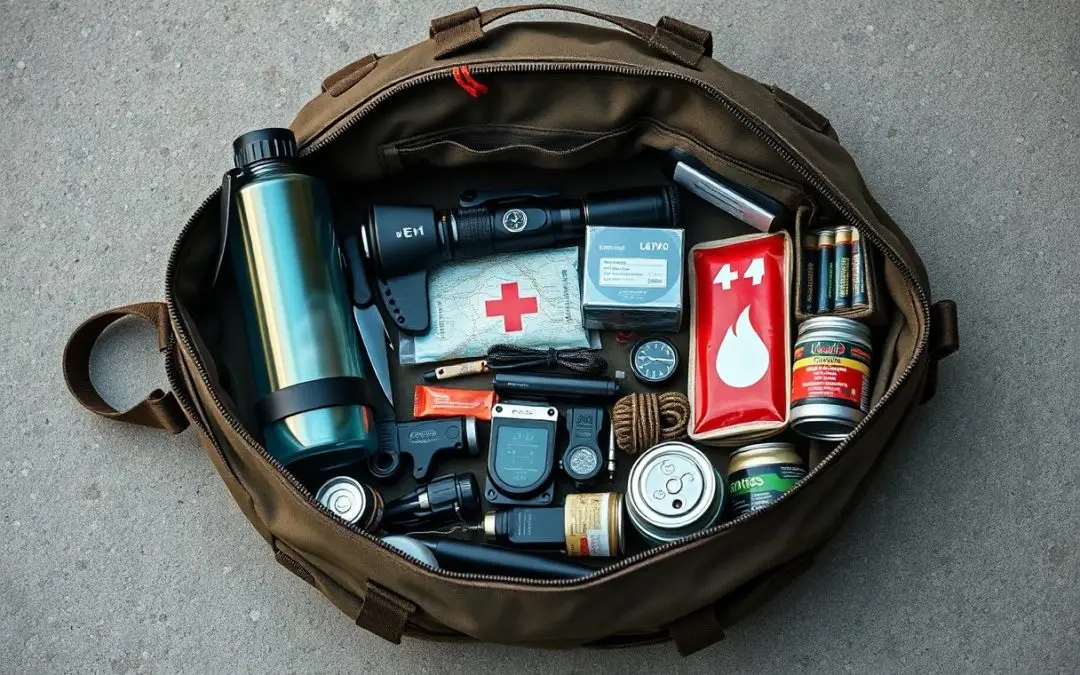
You need a compact multi-tool, first-aid kit, water filter or purification tablets, reliable flashlight with spare batteries, emergency rations, fire starter, sturdy cordage, and a lightweight shelter tarp to keep you prepared for sudden evacuations and short-term survival.
Hydration and Water Purification
Hydration demands that you include quick-access water and reliable purification options; pack a collapsible bottle, a personal pump or straw filter, and purification tablets so you can drink safely until resupply.
Portable Filtration and Chemical Treatment
Filtration options like straw filters, pump filters, or hollow-fiber bottles let you treat water on the move; you should choose based on flow rate, pore size, and ease of cleaning.
Durable Water Storage and Transport Containers
Sturdy containers-collapsible bladders, stainless bottles, and BPA-free jugs-give you carry flexibility and repeated use; you should favor threaded caps, reinforced seams, and attachment points for easy packing.
Choose capacity to match your environment: a 1-2L bottle for day trips plus a 3-5L bladder or jerry for longer outages; inspect for punctures, label contents, and rinse before reuse to prevent contamination.
Nutrition and Sustenance
Pack a balanced mix of shelf-stable items and water purification tablets so you can maintain energy and hydration for several days without refrigeration.
High-Calorie Emergency Rations
Choose calorie-dense bars, nut butters, and compressed meals that you can eat quickly; you’ll want maximum calories per ounce to keep pack weight low while sustaining endurance.
Lightweight Cooking and Heating Equipment
Include a compact canister stove, titanium pot, windscreen, and a small spare fuel canister so you can boil water and heat food efficiently when needed.
Carry small accessories like a folding spork, reliable lighter, pot cozy, and fuel-stabilizing sachets; test your kit beforehand so you know burn times, fuel consumption, and overall packability.
Shelter and Environmental Protection
Pack layered shelter gear to protect you from rain, wind and cold; a compact tent or tarp, emergency bivvy, and insulated items give flexible coverage for varied conditions.
Emergency Bivvy Sacks and Tents
Use emergency bivvies for ultralight, heat-trapping protection and a small tent for extended occupancy; pick durable, quick-to-deploy models and test setup before you need them.
Thermal Blankets and Weatherproof Outerwear
Choose a reflective thermal blanket for compact warmth and layered waterproof outerwear to shed moisture; prioritize breathable fabrics and proper fit so you can stay dry and retain heat.
Carry both a foil emergency blanket and an insulated survival blanket; combine with a waterproof, breathable shell and insulated midlayer to manage condensation and trap core heat during prolonged exposure.
First Aid and Trauma Management
You should carry a compact trauma set: tourniquet, hemostatic dressings, pressure bandages, chest seal, CPR mask, nitrile gloves, trauma shears, and tape for immediate hemorrhage control and airway support.
Comprehensive Medical Kits and Supplies
Pack a compact trauma kit with tourniquet, hemostatic gauze, pressure dressings, chest seal, triangular bandage, sterile gauze, adhesive tape, nitrile gloves, and an emergency blanket.
Prescription Medications and Personal Hygiene
Store enough prescription meds for several days, include copies of prescriptions and dosages, and add OTC pain relievers, antihistamines, plus hygiene items like toothbrush, wipes, feminine products, and hand sanitizer.
Keep a current medication list with generic names, dosages, schedules, and prescriber contacts; rotate supplies before expiration, use a pill organizer, and plan cold-chain options for insulin. Pack travel-size soap, moisture-resistant wipes, dental supplies, and discreet disposal bags to maintain health and dignity during extended displacement.
Navigation and Communication
You need compact navigation and communication tools that work offline and in low-power scenarios, so include maps, compass, GPS with spare batteries, and a reliable emergency radio for staying informed.
Analog Maps and Compass Navigation
Paper maps and a quality compass let you orient yourself when electronics fail; you should practice reading contours and plotting routes before you need them.
Emergency Radios and Signaling Devices
Emergency radios and handheld signaling tools keep you informed and let you call for help; pick NOAA-capable receivers, hand-crank or battery options, plus a whistle and signal mirror for attention.
Test radios regularly, store spare batteries and an external antenna, learn channel procedures, and practice signaling so you know how to attract attention under stress.
Multi-Tools and Maintenance Gear
Check your toolkit for a compact set of multi-tools, spare parts, and basic maintenance supplies so you can keep equipment operable.
Heavy-Duty Multi-tools and Fixed Blades
Choose heavy-duty multi-tools and a fixed-blade knife so you can handle cutting, prying, and equipment repairs; favor corrosion-resistant steels and secure sheaths to ensure your safety.
Illumination and Portable Power Sources
Pack a durable flashlight and headlamp with extra batteries or USB-rechargeable options so you can maintain visibility in low-light situations.
Carry at least one high-lumen handheld flashlight and a low-profile headlamp; the handheld covers distance while the headlamp frees your hands so you can work effectively. Include a reliable power bank with pass-through charging, spare cells or battery adapters, and a compact solar charger for extended outages.
Summing up
Following this, you should stock your go bag with water, compact shelter, a first-aid kit, a multi-tool, reliable light, emergency food, a communication device, and copies of key documents to ensure readiness for most emergencies.


