
There’s no denying that being prepared can make all the difference in an emergency. Crafting a go bag is an important step in ensuring you have what you need when it matters most. In this post, you will discover smart tips to create your personalized go bag, ensuring you have the right supplies and importants tailored to your unique situation. From choosing the right backpack to packing efficiently, you’ll learn how to equip yourself for any unexpected event.
1. Assess your needs based on potential emergencies.
2. Choose a durable, waterproof bag for storage.
3. Pack imperative items: food, water, first aid.
4. Include clothing, flashlight, and batteries in kit.
5. Add important documents and personal medications.
6. Regularly check and update your supplies.
Understanding Go Bags
While emergencies can happen unexpectedly, a Go Bag serves as your important lifeline, providing you with the necessary supplies to navigate challenging situations. Its portability ensures that you can quickly grab what you need and evacuate or remain safe, making it a vital component of your emergency preparedness plan.
Definition of a Go Bag
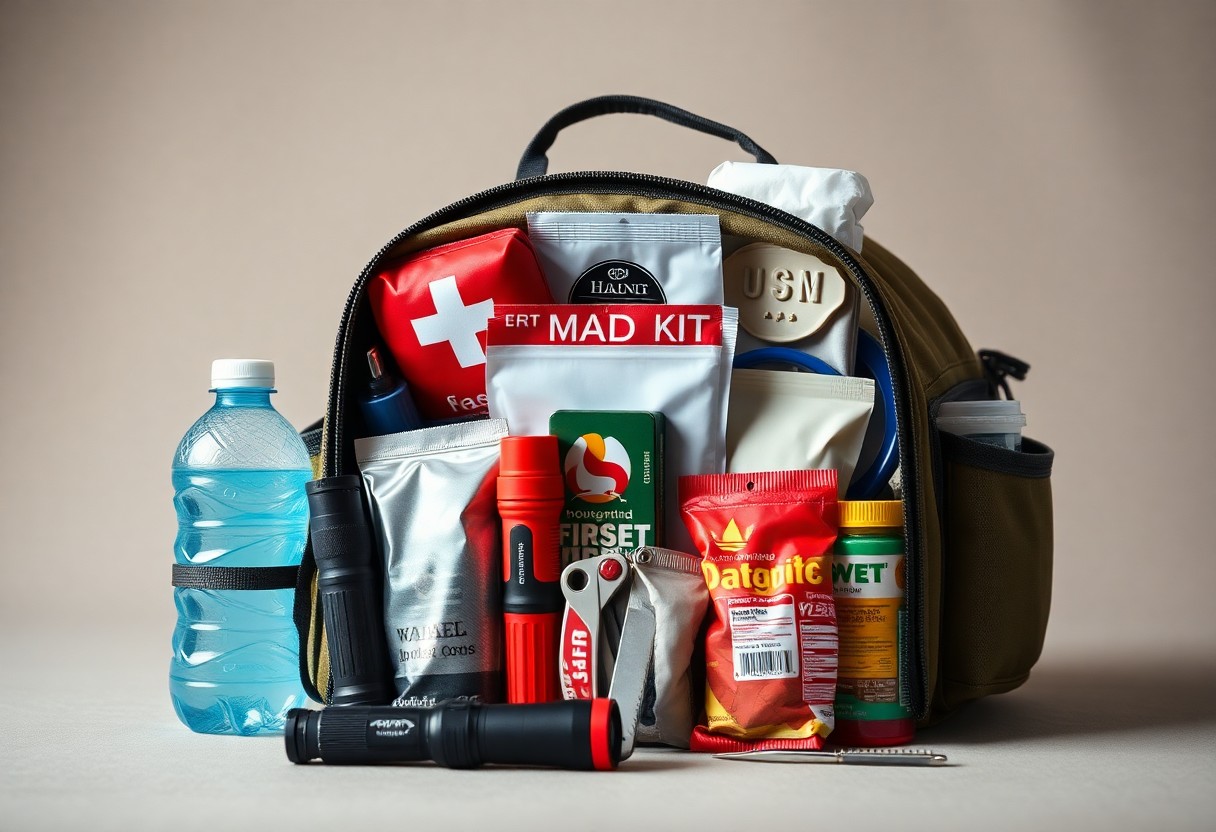
You can think of a Go Bag as a pre-packed emergency kit that contains important items you’ll need when you have to leave your home quickly. It typically includes food, water, first-aid supplies, clothing, and other necessities tailored to your personal needs and circumstances.
Importance of Emergency Preparedness
Bags that are prepared for emergency situations are important for your safety and well-being. They provide tangible support during uncertain times, ensuring that you are not left scrambling for supplies when emergencies strike.
For instance, having a Go Bag ready can save you valuable time during an evacuation, allowing you to focus on getting to safety rather than gathering items in panic. Being prepared also minimizes the stress and anxiety that often accompany emergency situations, enabling you to think clearly and make informed decisions. By investing time in creating a well-thought-out Go Bag, you empower yourself to handle unforeseen events with confidence and ease.
Key Factors to Consider
Even the best-go bag can fall short without careful consideration of specific needs. Here are some key factors to keep in mind:
- Size and weight
- Kit contents
- Durability of the bag
- Accessibility
- Family members and pets
Knowing these elements will help you tailor your go-bag effectively for various situations.
Type of Emergencies
There’s a wide range of emergencies that can affect your preparedness planning, including natural disasters, medical crises, or even civil unrest. Each scenario may require different supplies and strategies, so you should consider the most likely threats in your area.
Personal Needs and Preferences
Consider your individual needs and preferences when outfitting your go bag. This includes medication, dietary restrictions, and comfort items that make recurring emergencies less challenging for you and your family.
Preferences play an integral role in your emergency preparedness. Whether it’s choosing specific food items, selecting gear that reflects your activity level, or incorporating personal hygiene products, customizing your go bag to fit your lifestyle ensures you’ll be equipped and comfortable during a crisis. Your bag becomes a reflection of not just your needs, but also what provides you peace of mind in uncertain times.
Essential Items to Include
For effective emergency preparedness, it’s vital to curate a go bag that encompasses vital items. Your bag should include food, water, medical supplies, tools, and gear, tailored to your personal needs and potential situations. Prioritizing these vitals ensures that you can address immediate challenges while maintaining your well-being during an emergency.
Food and Water Supplies
For sustenance, pack non-perishable food items and a reliable water supply. Opt for high-energy snacks such as granola bars, dehydrated meals, or ready-to-eat emergency rations. Ensure you include a water purification system or tablets to provide safe drinking water in case of contamination.
First Aid Kit and Medications
With emergencies comes the necessity for a well-stocked first aid kit, which should contain bandages, antiseptic wipes, gauze, and adhesive tape. Additionally, ensure you pack any personal medications, supplements, and an emergency contact list for medical professionals.
Supplies in your first aid kit should cover a range of injuries and ailments, such as cuts, scrapes, burns, and allergic reactions. It’s beneficial to include items like tweezers, scissors, pain relievers, and a CPR mask. Regularly check and update these supplies to keep them effective and in date.
Tools and Gear
For optimal preparedness, ensure you include vital tools and gear in your go bag. Items such as a multi-tool, flashlight, batteries, and a whistle will serve you well, whether for navigation, communication, or survival tasks.
Essential tools and gear can significantly enhance your ability to navigate an emergency environment. Consider adding items like a fire starter, a tarp for shelter, and a portable charger for your devices. Tailoring these tools to your environment and anticipated scenarios will empower you to tackle unexpected challenges efficiently.
How to Pack Your Go Bag
Not all bags are created equal, so it’s imperative to choose one that fits your needs. Aim for a sturdy, comfortable backpack that can hold all your supplies while remaining lightweight. You should include imperative items like food, water, first aid supplies, clothing, and tools. Don’t forget to regularly check and update its contents to ensure everything remains in good condition and within your specific needs.
Efficient Packing Techniques
For effective packing, utilize packing cubes or zip bags to compartmentalize your items. Roll your clothes to save space and make it easier to locate necessary gear quickly. Make sure to balance the weight of your go-bag to keep it comfortable to carry, ensuring easy mobility during stressful situations.
Organizing for Quick Access
To ensure you can access your supplies swiftly in an emergency, prioritize organization within your go bag. Place frequently used items, such as a flashlight or first aid kit, in outer pouches or at the top of your bag for easy retrieval. Additionally, consider using color-coded labels or lists to help you identify contents quickly, reducing the time spent rummaging through your bag when every second counts.
This organization strategy not only enhances visibility but also aids in retaining calm during emergencies. By adopting a system that categorizes items based on urgency, you can streamline your response to various situations. Regularly practicing how to locate and retrieve these imperatives from your go bag can also familiarize you with its contents, further aiding in efficient deployment during a crisis.
Maintenance and Updates
Unlike creating your initial go bag, maintaining and updating it is important for ensuring it remains effective in an emergency. Regular inspections allow you to identify any expired items and replenish supplies as needed, while staying aware of the ever-changing landscape of personal needs and preferences after any incidents or experiences.
Regularly Checking Supplies
On a consistent basis, take time to review your go bag supplies. Check expiration dates on food, medications, and any perishable items. Replenishing your supplies regularly ensures that you are prepared for any unexpected emergencies without the concern of outdated contents or missing importants.
Updating based on Seasonal Needs
If you live in an area prone to seasonal weather changes, adapt your go bag accordingly. For instance, during winter months, include items like extra blankets, hand warmers, or snow-related gear, while hot summers may call for hydration packets and sunscreen. This flexible approach not only enhances your preparedness but also aligns with your lifestyle and regional requirements.
Updates to your go bag based on seasonal needs should be a proactive and thoughtful process. Assess the challenges that each season may pose, from extreme temperatures to natural disasters typical of that time of year. Adjustments like adding seasonal clothing, emergency medications for allergies, and even local food items can significantly improve your response capability during a crisis. Make a habit of reviewing your contents at the beginning of each season to ensure your go bag is always equipped to handle the demands at hand.
Additional Tips for Preparedness
All individuals should consider additional steps to enhance their preparedness for emergencies. Here are some tips to follow:
- Check your go bag regularly and update supplies.
- Store water and non-perishable food items in a cool, dry place.
- Familiarize yourself with local emergency services and resources.
- Practice emergency drills with your family to ensure everyone knows what to do.
The more prepared you are, the better you can handle unexpected situations.
Involving Family Members
Clearly, it’s imperative to engage your family in the preparedness process. Discuss the importance of having a go bag and involve them in assembling supplies. This not only ensures everyone knows where items are located, but also teaches children to be aware and responsible in emergencies. Open communication about emergency plans can reinforce teamwork and strengthen family bonds.
Creating Emergency Plans and Contacts
Now is the time to develop a comprehensive emergency plan. Assess your unique needs and design a plan that reflects how your family will react in various situations. Identify safe locations to meet if you are separated, and compile a list of imperative contacts including local emergency services, neighbors, and loved ones.
Plans should ensure everyone knows their roles during an emergency and how to communicate effectively. Include designated meeting points, important documents, and unique needs of family members, such as pets or elderly individuals. Make sure everyone has easy access to the contact list, laminated copies are often helpful, and consider storing plans in your go bag for quick retrieval. Regularly revisit and update these plans to adapt to any changes in your family dynamics or living situations.
Summing up
With this in mind, crafting a go bag for emergency preparedness is an crucial step in ensuring your safety and readiness during unexpected events. By gathering the right supplies, planning for your specific needs, and regularly updating your kit, you empower yourself to respond effectively to emergencies. Keep your go bag in a designated, easily accessible location, so you can quickly grab it when needed. Taking these proactive measures enhances your preparedness and peace of mind, making you better equipped to navigate any situation that may arise.


