

You need to be prepared for the unexpected when wildfires threaten your area. A well-stocked go bag can make all the difference in ensuring your safety and comfort during an evacuation. This guide will help you identify the vital items to include, from personal documents to emergency supplies. By being proactive and organized, you’ll be ready to leave quickly and protect yourself and your loved ones when the danger arises.
Essentials for Immediate Needs
Your go bag must include crucials that cover immediate needs during an evacuation. Prioritize items that will sustain you and your family for at least 72 hours, ensuring you have the basic provisions to stay safe and healthy. Consider the following critical categories to help you plan effectively before disaster strikes.
Water and Hydration Solutions
Staying hydrated is paramount, so pack at least one gallon of water per person per day for a minimum of three days. Consider including portable water purification tablets or filters to ensure you can access clean water from external sources. Additionally, collapsible water containers can provide an efficient way to carry extra water if needed.
Non-Perishable Food Options
Opt for nutrient-dense non-perishable food items that require little to no preparation. High-energy snacks such as granola bars, trail mix, canned goods, and dehydrated meals are ideal because they provide sustained energy and can be consumed with minimal effort. Look for options that are shelf-stable for long periods, ensuring your supply remains safe to eat even under emergency conditions.
Choose foods that are easy to pack, lightweight, and versatile. Items like energy bars, jerky, canned fruits, or instant oatmeal can be a lifesaver. Aim for foods that meet the dietary needs of your family, considering allergies and preferences to avoid unnecessary waste. It’s beneficial to pick products with a long shelf life; consider rotating these items periodically to ensure freshness. Stocking up now can make a significant difference during a crisis, allowing you to focus on safety instead of food concerns.
Vital Documents and Identification
Gathering important documents and identification is vital for any evacuation scenario. This includes not only personal identification but also important documents that can assist in re-establishing your life post-evacuation. Store everything securely in a waterproof pouch within your go bag for easy access, especially during high-stress situations such as wildfires.
Personal Identification and Health Records
Your go bag should contain copies of personal identification, such as driver’s licenses, passports, and birth certificates, alongside important health records. This can include vaccination records and prescriptions, which may be particularly necessary if you require specific medications during your time away from home.
Emergency Contact Information
Having a list of emergency contacts in your go bag makes it easier to communicate during a crisis. Include both local and out-of-area contacts, as well as their phone numbers, emails, and any specific instructions for locating you. Consider designating a family member or friend as a point of contact if you are separated.
The emergency contact list should be updated regularly, ideally every six months or whenever there are significant changes in your household. You might have relatives or friends who have moved, or perhaps you want to include neighbors who can provide help. In urgent situations, knowing who to reach out to can provide peace of mind and ensure swift communication with your loved ones.
Clothing and Personal Care Items
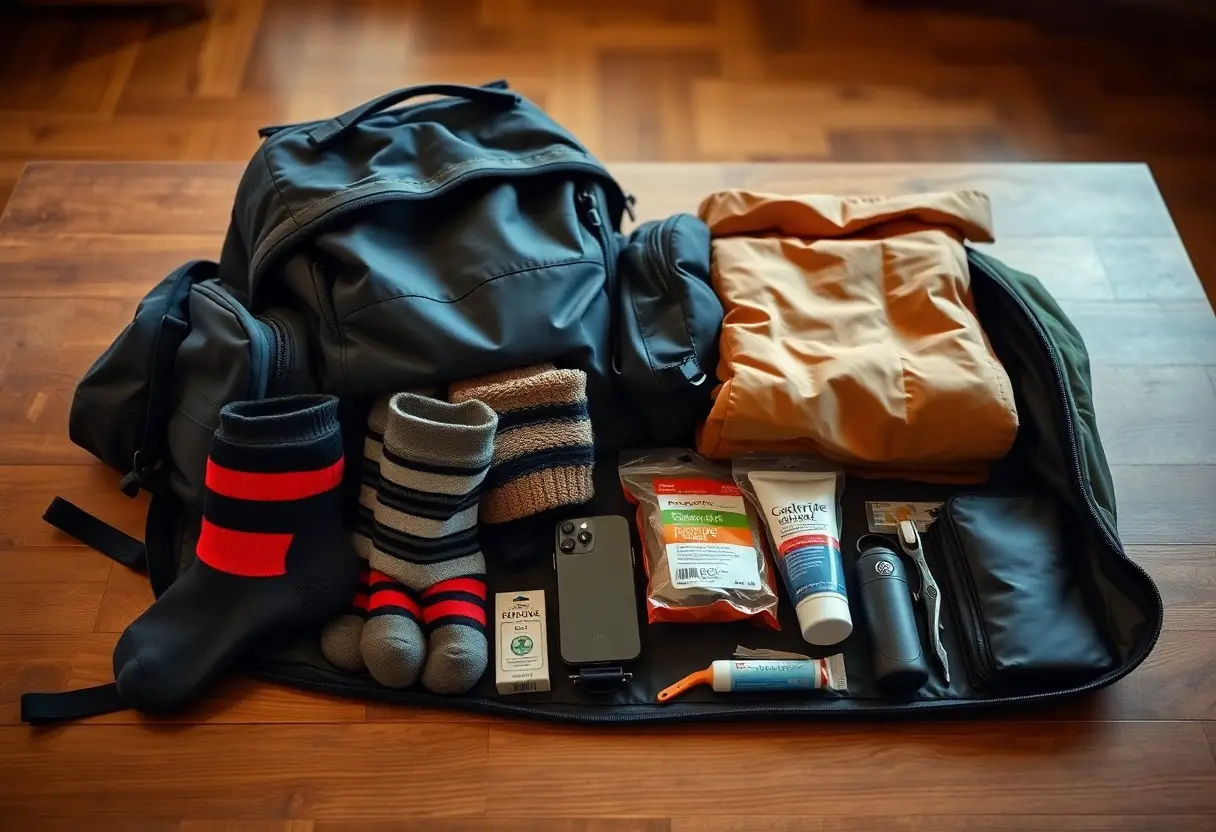
Packed clothing needs to address both comfort and practicality in the event of an evacuation. Focus on layering pieces, such as moisture-wicking shirts, sturdy pants, and a warm jacket. Choose fabrics that can withstand heat, and prioritize durable footwear suitable for walking long distances. Don’t forget extra pairs of socks and underwear, as well as a hat and sunglasses for sun protection. Packing a lightweight poncho or rain jacket can also be wise, ensuring you’re ready for any unpredictable weather during your evacuation.
Protective Clothing for Evacuations
Selecting appropriate protective clothing can make a significant difference in high-risk situations. Long-sleeved shirts and long pants made from natural fibers, such as cotton, can help shield you from the heat and embers. Sturdy work boots should replace flip-flops, providing support for rugged terrain. Gloves may also be necessary for handling hot or dangerous materials along your path. Prioritize flame-resistant fabrics and materials designed to withstand extreme conditions for added safety.
Hygiene and Personal Care Supplies
Hygiene items often get overlooked during emergencies, but they are crucial for maintaining your physical and mental well-being. Your go bag should include travel-sized toiletries such as soap, toothpaste, and a toothbrush, as well as items like deodorant and feminine hygiene products. Hand sanitizer and disinfecting wipes are also beneficial for cleanliness when access to running water is limited.
Having personal hygiene supplies ready can enhance comfort significantly during stressful evacuation circumstances. Consider packing items that cater to your specific needs, such as razors or contact lens solutions, along with a compact towel and portable toilet paper. Staying clean not only helps prevent illness but can also boost morale during challenging times. Including these crucials will make a big difference when you’re away from home and resources are scarce.

Tools for Safety and Communication
Your go bag should include tools that enhance your safety and ensure you maintain communication during an evacuation. As wildfires can disrupt power and telecommunications, having the right equipment is important for alerting others and staying informed about your surroundings.
Flashlights and Power Sources
Include a reliable flashlight in your go bag to navigate safely in low-light conditions. Opt for LED flashlights with long battery life, and pack extra batteries or a portable power bank to keep your devices charged and ready for use, ensuring visibility when it matters most.
Portable Communication Devices
A portable communication device is vital in an emergency. Consider including a battery-operated or solar-powered radio to receive updates about evacuation orders and other critical information. If possible, carry a satellite phone or a personal locator beacon, as these may work when cellular networks are down.
Portable communication devices ensure that you remain connected to important information even when traditional phone lines are disrupted. A satellite phone, for instance, can provide coverage in remote areas where cell service fails, while a battery-powered NOAA weather radio keeps you informed about changing weather conditions and emergency broadcasts. It’s advisable to also pack a backup charger for your devices to avoid losing connection during critical moments.

Strategies for Organizing Your Go Bag
Efficient organization is vital for a successful go bag, particularly during a high-stress situation like a wildfire evacuation. Begin by categorizing items into sections for quick access, ensuring vitals are easily reachable. Use zippered pouches or clear plastic bags to separate medical supplies, clothing, food, and documents. Take advantage of packing cubes to keep your bag neat and streamline packing and unpacking processes.
Creating a Check-List for Quick Packing
A check-list simplifies the packing process, allowing you to recall vital items quickly. Create a list based on the categories you established, ensuring to include quantities and any specific family needs. Keep this list in your go bag for quick reference. Regularly update it, especially if your circumstances change, such as new medical needs or family additions.
Customizing Your Bag for Family Needs
Your go bag should reflect your family’s unique needs, considering factors like age, health conditions, and individual preferences. Take into account special medications, favorite comfort items for children, or specific dietary requirements. This thoughtful approach ensures everyone feels supported and safeguarded during the upheaval of an evacuation.
Customizing your bag means tailoring contents to accommodate each family member’s specific situation. If you have young children, include their favorite toys or blankets to provide comfort during distressing times. For elderly family members, consider including mobility aids or extra medications. Each individual’s necessities can greatly influence their comfort and well-being, leading to a more prepared and resilient family unit during emergencies.
Conclusion
Conclusively, having a well-prepared go bag for wildfire evacuations can significantly enhance your safety and peace of mind. Ensure your bag includes importants such as important documents, medications, food, water, and personal items to sustain you during an evacuation. Additionally, incorporating items like clothing, a flashlight, and first-aid supplies will provide you with greater security. Stay informed about local evacuation procedures and regularly update your go bag to fit your unique needs. With these preparations, you will be ready to act swiftly when needed.


