
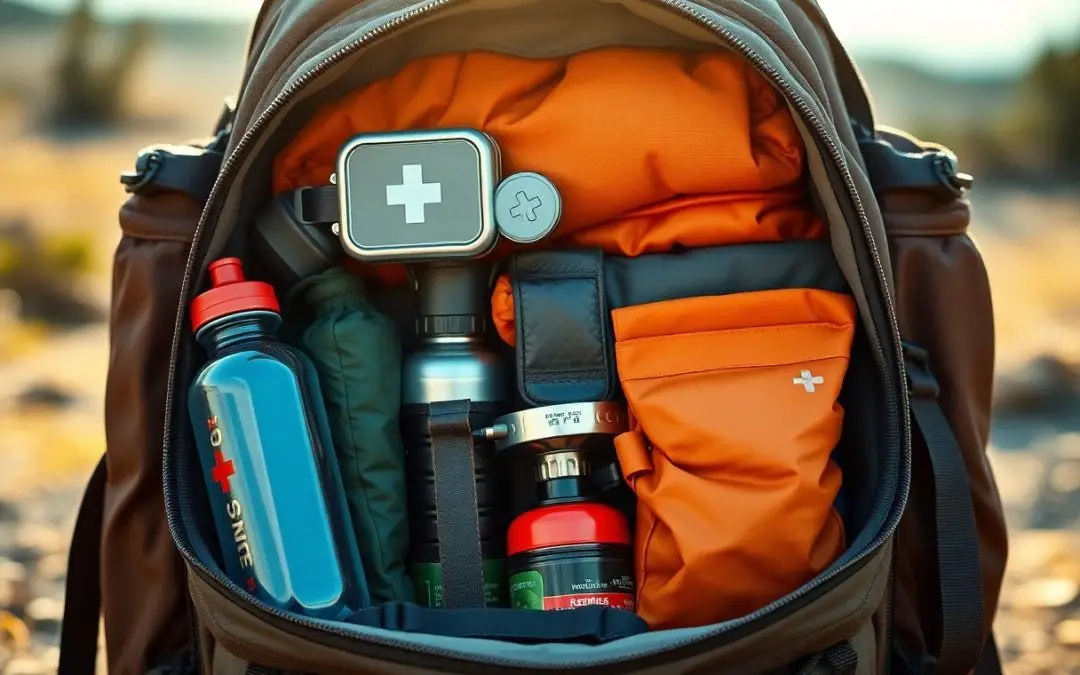
Just because you’re preparing a go bag for two doesn’t mean you need to double the weight. By strategically selecting versatile items and sharing resources, you can ensure both you and your partner are equipped for emergencies without sacrificing mobility or space. In this guide, we’ll explore practical tips to optimize your packing strategy, helping you to create a compact, efficient go bag that meets the needs of both individuals while maintaining lightness and accessibility.
Essentials for Survival: Minimum Must-Haves
Your go bag should prioritize items that cover basic survival needs, including water, food, first aid, and shelter. A compact water filtration system can ensure access to clean drinking water, while high-calorie snacks like energy bars or dried fruits supply the necessary sustenance. A well-stocked first aid kit, tailored to common injuries or ailments, is important, and tarps or emergency blankets can provide temporary shelter. Each item should be lightweight but functional, supporting both individuals without compromising important needs.
Compact Packing Strategies for Two
Utilizing equivalent packing strategies can effectively reduce weight while ensuring that both you and your partner have access to important items. Share bulkier items like tents, sleeping bags, or cooking gear, and prioritize lightweight versions that pack down small. Using compression sacks can further minimize space, enabling you to fit everything into a single backpack or two smaller ones. Organizing gear in clearly labeled pouches creates efficiency and avoids confusion during emergencies.
Multipurpose Tools and Gear
Choosing multipurpose tools amplifies your preparedness while minimizing weight in your go bag. Opt for items like a multi-tool that combines a knife, screwdriver, can opener, and several other functions in one compact device. When dicking out gear, look for versatile solutions, such as a solar charger that can power multiple devices or a versatile tarp that can be used as a shelter, shade, or ground cover. Each multipurpose item you incorporate not only lightens the load but also enhances your overall survival capability. For instance, a portable cooking stove can double as a heater, ensuring you are ready for various scenarios with fewer items.
Analyzing Weight vs. Utility: The Balancing Act
When packing a go bag for two, achieving a balance between weight and utility is imperative. You’ll want to minimize bulk while ensuring both individuals are equipped for various scenarios. Start by assessing each item’s purpose—whether it serves a critical function or simply adds comfort. Tools that enable survival or immediate safety should take priority. Consider how to share items between the two bags to avoid redundancy; for instance, a multi-tool can satisfy multiple needs without increasing your total weight significantly.
Prioritizing Life-Saving Items
Your go bag should prioritize life-saving items first to ensure immediate readiness for emergencies. This means packing imperatives like a first aid kit, water purification tablets, and basic survival tools. Each item contributes directly to your safety and health, making it imperative to evaluate their necessity realistically—choose items that bring the most value for their weight.
Weighing Emotional vs. Functional Necessities
While functional necessities keep you alive, emotional items can boost morale in challenging circumstances. Finding a balance between these two is vital. You might decide to include a family photo or a small comfort item that holds sentimental value, but weigh the emotional benefit against its weight. If the item can uplift spirits without causing significant bulk, then it deserves a place in your go bag.
Emotional items often serve a different kind of utility. For example, a cherished object can remind you of home, providing psychological comfort during stressful situations. This mental fortitude can motivate and help sustain morale in challenging times. If you choose to include these items, ensure they fit into your plan without compromising imperative supplies. You might even opt for a lightweight item with high sentimental value, enabling you to keep the emotional aspect alive while maintaining focus on functional necessities.
Optimizing Space: Smart Folding and Arrangement Techniques
Effective packing strategies can dramatically increase the efficiency of your go bag. Focusing on smart folding techniques and thoughtful arrangement can help you utilize every inch of available space. Techniques like rolling clothes instead of folding them flat can minimize wrinkles and make accessing items easier. Additionally, consider incorporating packing cubes or compression sacks to keep everything organized and compact.
Layering and Compression for Maximum Efficiency
To maximize your packing potential, employ layering techniques alongside compression. Begin with heavier items at the bottom of your go bag, such as water bottles or larger gear, and layer lighter, softer items on top. Compression bags are useful for reducing bulk, allowing you to pack bulky clothing items like jackets or sleeping bags tightly. This method helps ensure you use all available space without exceeding weight limits.
Utilizing Vertical Space and Compartments
Making the most of vertical space can transform your go bag packing. Use zippered compartments and mesh pockets to segment items, keeping your gear organized and easily accessible. For example, place quick-reach items like snacks or first aid supplies in side pockets while storing clothing or larger equipment deeper in the bag. This approach not only saves space but also allows for quick retrieval of imperative items during emergencies.
| Use Compartmentalized Packing Cubes | Keep similar items together, making organization intuitive. |
| Install Vertical Dividers | Allows for upright storage of items like water bottles or utensils. |
| Hang Items When Possible | Utilize loops or straps to suspend items inside your bag. |
Vertical space optimization is imperative in creating an efficient go bag. Adjust items to fit snugly against the bag’s interior walls, and consider using tall, slim containers for toiletries or cooking utensils. Implementing this method means every inch is maximized, avoiding the tendency to let spaces go unused. By employing these strategies, you ensure all imperatives are quickly accessible and organized, which is vital during unexpected situations.
| Store Items by Frequency of Use | Place most frequently needed items in easily reachable compartments. |
| Test Your Arrangement | Before finalizing your pack, load it and assess balance and weight distribution. |
| Revisit and Revise Packing Strategies | Regularly adjust your packing list based on your experiences for improved efficiency. |
Customizing Your Go Bag: Personalization for Two
Tailoring your go bag to fit both individuals not only enhances comfort but can also streamline efficiency in an emergency. Personalization goes beyond just choosing favorite snacks or colors; it involves carefully considering each person’s specific needs, skills, and preferences to ensure the bag is fully functional for both parties. By combining resources intelligently, you optimize space without sacrificing the importants. From first-aid supplies to tools, every item counts when preparing for the unexpected.
Individual Needs and Preferences
Each person brings their own unique requirements to the table. Dietary restrictions, medical conditions, or even personal grooming habits should influence what goes into each section of the bag. For instance, if one of you is diabetic, including glucose tablets is non-negotiable. Customizing your go bag means assessing these individual needs so that both parties are adequately supported in any scenario.
Shared vs. Personal Item Considerations
Determining what items should be shared versus what remains personal plays a crucial role in go bag efficiency. Shared importants—like a multi-tool or a lightweight first aid kit—can save space, while personal belongings—like a specific medication or a favorite jacket—should never be compromised. Striking this balance not only increases functionality but also ensures each person feels secure and prepared.
Shared items should ideally encompass utilities that can benefit both individuals. Items like water purification systems, first aid kits, and cooking tools can be truly effective when pooled together. Consider employing modular packing systems to differentiate personal items from shared importants. This allows each person to quickly access their unique items without delaying the process of finding the joint resources. The right blend of shared and personal items creates an adaptable, compact go bag ready for anything life throws at you.
Strategies for Evacuating Together: Coordinated Packing
Coordinating your packing process can streamline your evacuation efforts and reduce stress. Create a joint packing list that combines crucials, ensuring you don’t duplicate items. Prioritize lightweight, multi-use gear to minimize weight while maximizing functionality. When each person packs, designate specific items to be responsible for—this way, you both know who brings what, keeping your load manageable without sacrificing necessary supplies.
Communication and Roles in Packing
Effective communication streamlines packing by assigning clear roles for each person. Discuss your needs and preferences to determine who will pack crucials like food, water, or first-aid supplies. Establish set times for checking in about your progress, ensuring everything is packed efficiently. Keeping open lines of communication contributes to a collaborative approach, making the process smoother and preventing mismanagement.
Navigating Situational Awareness During Emergencies
Your ability to stay aware during an evacuation can significantly impact your safety and efficiency. Keep an eye on local alerts and gather intel from reliable sources like emergency management websites or situation reports. Being informed allows you to adapt your plans as conditions change, ultimately saving time and reducing anxiety.
Remaining vigilant in your environment means you’ll better recognize potential hazards or obstacles that could impede your evacuation. For instance, identifying safe routes or avoiding areas prone to flooding or debris can shave precious minutes off your timeline. Utilize mobile applications that offer real-time updates on traffic, weather, and community safety alerts. Engaging all your senses—sight, sound, and even smell—will help you detect subtler cues, such as the approach of emergency services or shifting weather patterns that could alter your path. By integrating situational awareness into your packing strategy, you increase not only your safety but also your chances of a successful and efficient evacuation.
Final Words
Taking this into account, packing a go bag for two people without doubling the weight requires strategic planning and organization. Prioritize versatile items that can serve multiple purposes, and consider shared supplies to minimize redundancy. Utilize compact storage solutions to maximize space and weight efficiency. Engage in open communication with your partner to ensure you both have what you need without excess. By being mindful of your selections, you can create an effective, lightweight go bag tailored for both you and your companion’s needs.


