
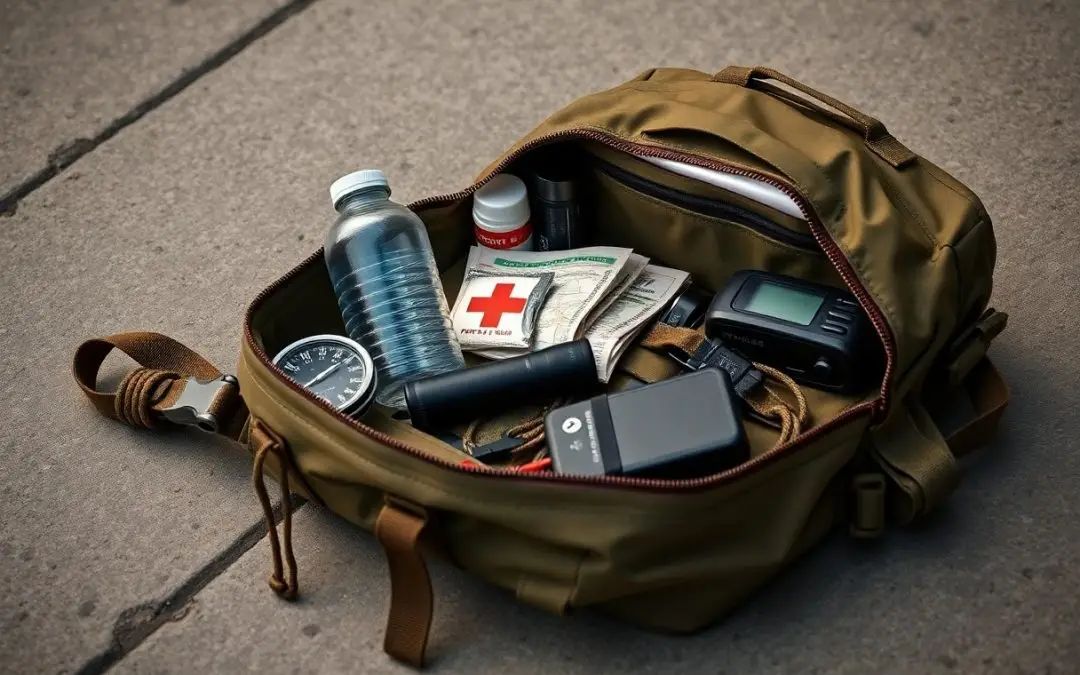
It’s wise that you pack a compact, prioritized go bag for instant departures; include water, first-aid, light, radio, power, and ID copies, organized for quick grab-and-go access so you can act immediately and confidently in emergencies.
The Immediate Action Framework
You structure immediate actions into clear, prioritized steps covering safety, communications, and importants for the first 72 hours so your go bag enables quick decisions and movement without wasted time.
Defining the 72-Hour Response Window
Within the 72-hour response window, you focus on immediate survival needs-shelter, water, food, and communication-and on what you can realistically carry and deploy before services resume.
Prioritizing Accessibility and Speed
Keep importants organized for one-handed access so you can grab items in low light, reduce search time, and exit faster when seconds matter.
Organize your bag by task zones-first aid, warmth, water, documents, communications-use labeled pockets and quick-release pouches, practice timed grabs, and stage duplicates (keys, small tools) near handles so you build muscle memory and shave critical seconds during every evacuation.
Strategic Modular Organization
Organization of your go bag into modules lets you pull mission-specific packs instantly, keeping medical, communication, and shelter kits isolated for quick swaps during evolving situations.
Internal Pouch Systems for Rapid Identification
Color-coded pouches let you visually identify contents at a glance, with transparent windows and labeled tabs reducing search time in high-stress moments.
Tiered Packing for Essential Gear Access
Layered packing arranges necessary items by priority and accessibility so you can reach first-aid, communication, and tools without unpacking deeper compartments.
Place high-priority items in top zones, medium-priority in the middle, and heavy gear at the base to maintain balance; use dedicated quick-access pockets for a radio and flashlight. Use removable pouches and clear labeling so you extract a kit without disturbing others. Practice retrieving items blindfolded until the layout is second nature.
Critical Sustenance and Hydration Protocols
You pack compact, long-shelf rations and electrolyte solutions to sustain energy and prevent dehydration during immediate-action scenarios, prioritizing weight and rapid access.
Lightweight Caloric Density Strategies
Pack calorie-dense items like nut butter packets, dense energy bars, and dehydrated meals so you maintain stamina without carrying bulk.
Redundant Water Purification Methods
Carry layered water solutions-filters, chemical tablets, and a compact UV pen-so you can produce safe drinking water even if one method fails.
Select a 0.2-micron microfilter, pack spare cartridges, include chlorine dioxide tablets and a UV pen, and keep a cloth for prefiltering so you can treat turbid sources quickly and safely.
Tactical Medical and Trauma Readiness
You control life-threatening bleeding, secure the airway, immobilize major injuries, and coordinate evacuation while protecting yourself; decisive action in the first minutes preserves life and simplifies downstream care.
Essential Components for Immediate Care
Pack a tactical tourniquet, hemostatic dressings, pressure bandages, airway adjuncts, chest seals, splints, gloves, a compact CPR mask, shears, and medications for allergic reaction and pain so you can treat common traumatic threats immediately.
Managing Environmental Health Risks
Manage environmental threats by prioritizing clean water, layered shelter, sun and insect protection, and temperature control; small tools like purification tablets, a heat-reflective blanket, and a waterproof shell let you prevent cold, heat illness, and infection while treating injuries.
Assess water sources for clarity and flow; you treat water by boiling, filtering, or using chlorine tablets and keep wounds clean and covered to limit infection. You monitor core temperature, apply insulating layers or evaporative cooling, set up handwashing and sanitation points, and use repellent or nets to reduce vector exposure while conserving supplies.
Essential Hardware and Utility Integration
Gear in your go bag should integrate mounts, straps, and utility pouches so you can access tools and devices for immediate action without fumbling.
Multipurpose Tools for Field Versatility
Carry multipurpose tools such as a folding shovel, multi-tool, and compact pry bar so you can cut, dig, and repair on the spot with minimal weight.
Reliable Lighting and Communication Devices
Equip high-lumen headlamps, a compact flashlight, and a hand-crank or solar charger so you can maintain visibility and power vital devices.
Select lights with multiple modes, long runtimes, and water resistance, and pick radios or satellite communicators with clear audio and simple controls so you can call for help or coordinate teams.
Ergonomics and Load Distribution
Your pack should sit close to your center of mass, with shoulder straps and a padded hip belt sharing load so you can move quickly without excess fatigue.
Weight Management for Sustained Mobility
Balance the crucials to keep weight under control, prioritize high-utility items, and distribute heavier items near your hips to maintain endurance during prolonged movement.
Selection of Durable, Low-Profile Platforms
Choose low-profile platforms with reinforced stitching, water-resistant fabrics, and unobtrusive attachment points so your gear stays protected without snagging in confined spaces.
Durability you demand comes from high-denier nylon, taped seams, and abrasion-resistant reinforcements at contact points; test closures and zippers so you avoid unexpected failures when every second counts.
To wrap up
Considering all points, you should prioritize a compact, clearly organized go bag that supports immediate mobility, basic medical care, communication, and personal documents; you must review contents regularly, tailor items to local risks, and train family members for quick, confident action.


