
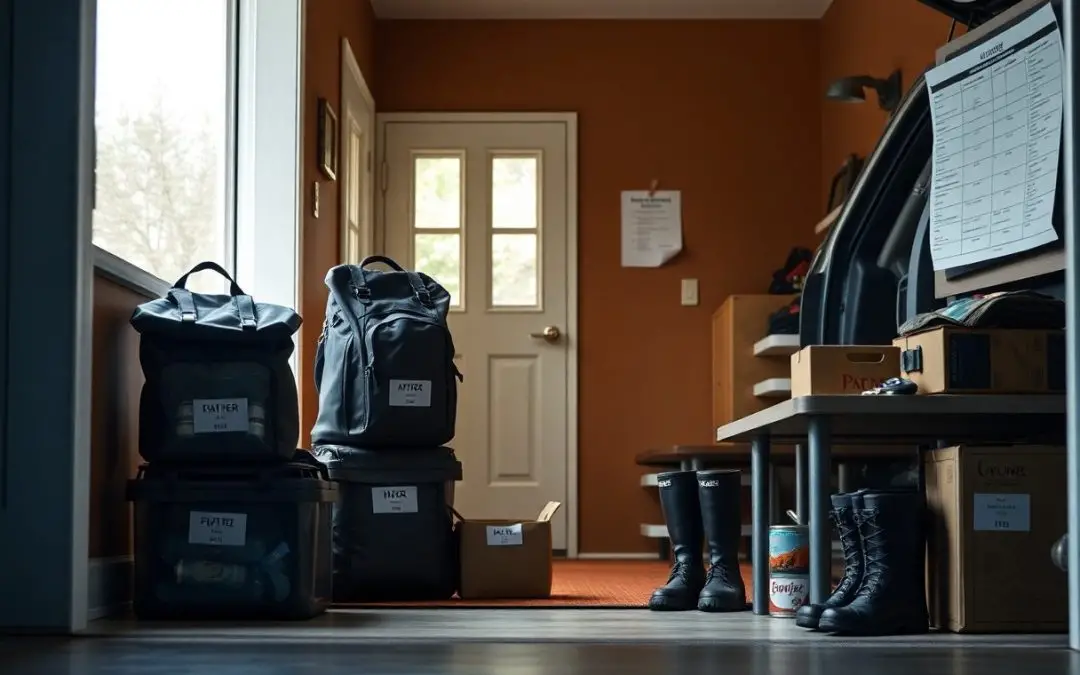
Just knowing where your importants are can save valuable time when seconds count. You need a clear plan, a ready-to-go bag, and a calm mindset to act quickly. This guide shows you how to prepare and respond efficiently, so you stay in control when evacuation orders come.
Assessing Environmental Factors and Risk Levels
- Identify Regional Hazards and Evacuation Zones
- Monitoring Official Alerts and Communication Channels
The right preparation begins with understanding what threats are most likely in your area.
Identifying Regional Hazards and Evacuation Zones
You face different risks depending on where you live-wildfires in dry climates, hurricanes near coasts, or tornadoes in the Midwest. Local authorities map evacuation zones based on these threats. Know your zone and the routes you should take. The faster you react, the safer you’ll be.
Monitoring Official Alerts and Communication Channels
Your local emergency management office issues timely updates through radio, text alerts, and apps. Sign up for community notifications and follow trusted government accounts. Don’t rely on social media rumors. The official word gives you the clearest picture when seconds count.
Staying informed means checking multiple reliable sources before and during a crisis. Emergency alerts may come through Wireless Emergency Alerts (WEA), NOAA Weather Radio, or local news stations. These systems provide real-time instructions tailored to your location. The most effective response starts with accurate, up-to-date information delivered through official channels.
How to Develop a Sequential Evacuation Strategy
Order matters when seconds count. You need a clear, step-by-step plan that accounts for your household’s layout, escape routes, and potential hazards. Start by mapping primary and alternate exits from each room, then practice the sequence regularly so it becomes second nature when stress levels rise.
Establishing Family Meeting Points and Communication Nodes
Choose two safe locations: one just outside your home and another farther away, in case you can’t return. These meeting points ensure everyone knows where to gather. Designate one person to contact emergency services and another to check in with relatives using a pre-shared contact list.
Assigning Roles to Ensure Rapid Deployment
Each person should know their responsibility during an evacuation. One adult grabs the emergency kit, another checks windows and doors, while older children assist younger siblings. Clear roles prevent confusion and speed up response time when every second counts.
When assigning roles, match tasks to each person’s ability and age. An older teen can carry supplies or guide pets, while a younger child might hold a flashlight or stay close to a guardian. Rotate responsibilities during drills to build confidence and adaptability across the family. Practice builds cohesion under pressure.
Essential Tips for Inventorying and Packing Go-Bags
- Keep a printed checklist taped inside your bag.
- Update contents every three months.
- Use clear, labeled pouches for quick identification.
- Include a waterproof flash drive with scanned documents.
Perceiving evacuation orders calmly starts with preparation you complete today.
Categorizing Critical Documents and Digital Backups
You need immediate access to identification, insurance papers, and medical records. Group physical copies in a fireproof sleeve and store scans in an encrypted cloud folder. Label digital files clearly so anyone in your household can retrieve them fast.
Prioritizing Survival Gear and Medical Supplies
Your safety depends on having functional tools and health necessarys. Pack a first aid kit, prescription meds, flashlight, and multi-tool. Choose compact, durable items that suit your family’s needs.
Survival gear must meet real-world demands under stress. Include a hand-crank radio, water purification tablets, and thermal blankets. Rotate medications and batteries every six months. Test equipment quarterly so nothing fails when seconds count. Your go-bag isn’t a storage unit-it’s a lifeline built on reliability.
How to Manage Logistics for Vulnerable Household Members
Every household has unique needs during an emergency, especially when members include children, older adults, or those with medical conditions. You must plan ahead to ensure their safety, mobility, and access to vital supplies and medications during evacuation.
Coordinating Care for Children and the Elderly
You should identify caregivers or family members who can assist if separation occurs. Keep a list of medical needs, medications, and emergency contacts in your go-bag so care continues without delay.
Planning for Pet Safety and Transportation Needs
Your pet depends on you to stay safe during an evacuation. Prepare a pet emergency kit with food, water, carrier, leash, and medical records to ensure smooth transport and shelter access.
Having the right carrier or crate makes a big difference when moving your pet quickly. Most shelters accept only certain animals, so research pet-friendly locations ahead of time and keep a list with your emergency documents. Know your pet’s temperament and plan accordingly-calm travel habits reduce stress for both of you.
Key Factors in Securing the Home Environment
- Lock all exterior doors and windows
- Unplug major appliances
- Secure outdoor items that could become projectiles
- Leave internal doors open for structural pressure equalization
Assume that emergency responders may need access, so leave a note with your contact info and evacuation destination.
Executing Emergency Utility Shut-off Procedures
Turn off gas, water, and electricity using designated shut-off points. Use tools you’ve pre-staged near valves. Confirm each system is fully closed to prevent leaks or damage. Doing this quickly reduces hazards while you exit.
Implementing Last-Minute Property Protection Measures
Place sandbags around doorways if flooding is expected. Cover broken windows with pre-cut plywood. Draw blinds or curtains to shield interiors from wind-blown debris. Assume that every second counts, so act swiftly and decisively.
When implementing last-minute property protection measures, prioritize areas most vulnerable to immediate threats like wind, water, or fire. You’ve likely prepared materials in advance-now is the time to use them. Position barriers at entry points, elevate valuables off basement floors, and secure loose roofing panels if safe to do so. These actions won’t stop a disaster, but they can reduce damage and improve recovery odds once you’re safe.
Tips for Maintaining Situational Awareness and Efficiency
- Stay updated on emergency alerts through official channels
- Keep communication devices charged and accessible
- Assign clear roles within your group to avoid confusion
The ability to respond quickly depends on how well you’re tracking developments in real time.
Using Standardized Checklists to Reduce Decision Fatigue
You save mental energy during high-pressure moments by relying on pre-made checklists. These tools guide you through important actions without hesitation. The fewer choices you have to make on the spot, the more focused and effective your response becomes.
Evaluating Route Alternatives and Real-Time Traffic Data
Your safest path may change rapidly during an evacuation. Monitoring live traffic updates and having backup routes ready ensures you’re not caught in gridlock. The right detour can save critical time when seconds count.
When emergency routes become congested or blocked, real-time data from traffic apps or emergency broadcasts helps you adapt. GPS tools with dynamic rerouting can guide you around hotspots, road closures, or accidents. Always cross-reference digital tools with local authority instructions, as some roads may be unsafe despite appearing open. The best evacuation path isn’t always the fastest under normal conditions-it’s the one that remains accessible and secure as conditions evolve.
Summing up
From above, you see that clear planning and practiced routines shape your response in emergencies. You keep evacuation kits ready, maintain updated contact lists, and designate meeting points. Staying calm and following your established steps ensures safety. Your preparedness makes the difference when every second counts.


