

You need to ensure that your go bag is not only well-stocked but also effectively tailored to your personal needs in an emergency. Practicing with your go bag allows you to familiarize yourself with its contents and identify any areas for improvement. In this guide, you will learn how to properly test and practice using your go bag, making sure you’re ready for any situation that may arise. From organizing items to simulating real-life scenarios, you’ll gain the confidence you need to handle emergencies efficiently.

The Essential Components of a Go Bag
Your go bag should contain crucial items that make it functional in emergencies, with a focus on preparedness. Include a first-aid kit, non-perishable food, water, a flashlight, and extra batteries. Additionally, pack a multi-tool, whistle, emergency blanket, hygiene supplies, and any medications you may require. Proper planning ensures you can handle various situations, from natural disasters to unexpected overnight stays.
Must-Have Items for Various Emergencies
Selecting items for your go bag depends on the types of emergencies you might face. For instance, if you live in an area prone to wildfires, consider including a mask for smoke and goggles for eye protection. In case of flooding, waterproof storage bags are crucial for protecting important documents. Tailoring your items to likely scenarios enhances your readiness significantly.
Personalizing Your Go Bag for Individual Needs
Customization of your go bag allows you to prepare for specific situations tailored to your lifestyle and family needs. Start with crucial gear but think beyond the basics; include items that reflect your personal circumstances and daily necessities. For instance, if you have children, add activities to keep them occupied during an extended emergency. If you travel often or have unique health concerns, integrate relevant gear or medications that cater to those specific requirements.
Consider factors such as your location, climate, and family dynamics when personalizing your go bag. If you’re an avid hiker or live in a rural area, you might need advanced navigation tools or outdoor survival gear. Families with pets should include items for their furry friends, such as food, medications, and leashes. Every individual’s situation varies, making it vital to assess your needs carefully; this tailored approach enhances both your preparedness and peace of mind.
The Testing Ground: Simulating Real-Life Scenarios
Practicing with your go bag in real-life scenarios provides invaluable insights into its functionality and your preparedness. By simulating various emergency situations, you can identify potential weaknesses in your gear and improve your overall response strategies. Engaging in these drills not only builds your confidence but also helps you become more familiar with the items in your bag, ensuring you can access them quickly in times of need.
Crafting Emergency Scenarios for Practice
Create realistic emergency scenarios that mirror potential situations you might face. This could include a sudden evacuation due to a natural disaster, a power outage, or even a home intruder scenario. By acting as if these situations were real, you can assess how well you and your go bag respond under pressure. Consider involving family members or friends to make the practice sessions more engaging and informative.
Evaluating Your Response Times and Effectiveness
After simulating scenarios, take the time to evaluate your response times and the effectiveness of the items in your go bag. Did you locate critical supplies quickly? Were you able to navigate obstacles efficiently? Assess both your physical and mental agility during these simulations, noting any areas where you stumbled. This reflection will help you streamline your approach and adapt your bag contents based on your performance.
This evaluation phase is imperative for understanding how well you handle stress and make decisions in a crisis. You might find that certain items in your bag are cumbersome or that you overlooked vital tools. Tracking your response times across various simulations can help establish benchmarks for improvement. Aim to enhance your speed and efficiency, ultimately refining your techniques to ensure you’re fully prepared should an actual emergency arise. Conducting regular drills will reinforce your skills and fortify your readiness for a quick and effective response.
The Importance of Physical Conditioning
Testing your go bag is only as effective as your personal readiness to handle an emergency. Physical conditioning plays a significant role in ensuring that you can effectively use your gear, navigate difficult terrains, and endure unexpected situations. By maintaining your fitness levels, you increase not only your endurance but also your ability to think clearly under stress, making it easier to implement the plans you’ve prepared for various scenarios.
Strengthening Your Body for Emergency Situations
Focusing on key areas of strength and endurance prepares your body for the physical demands of an emergency. Engaging in regular strength training, cardio workouts, and flexibility exercises enhances your ability to carry your go bag, navigate obstacles, and maintain stamina during unexpected events. Simple exercises like lunges, squats, and brisk walking can make a meaningful difference in how you manage a crisis, particularly when every second counts.
Incorporating Go Bag Drills into Your Routine
Integrating go bag drills into your fitness regimen allows you to familiarize yourself with your gear while simultaneously improving your physical conditioning. Aim to schedule these drills weekly, where you simulate carrying your go bag over varying distances and terrains. For instance, try a short hike or a brisk walk in your local park, gradually increasing the weight of your bag to replicate real-life scenarios. This not only boosts your physical strength but also teaches you how to maneuver effectively with your equipment in a controlled setting.
During these practice sessions, focus on specific skills such as setting up your gear quickly, navigating diverse environments, and using your go bag’s contents efficiently. For example, during a hike, you can practice pulling out your first aid kit or emergency food supplies. Recording the times taken for various tasks can help track progress, allowing you to improve your speed and efficiency over time. Engaging family or friends can also add an element of teamwork and fun while preparing for potential emergencies. These tailored drills enhance both your physical preparedness and your confidence when it really counts.

Evaluating and Updating Your Go Bag
Periodic evaluation and updating of your go bag ensures that it remains effective and aligned with your current needs. As situations change—whether due to lifestyle shifts, regulatory updates, or new information—your go bag should also evolve. Regular assessments allow you to identify outdated items, replace worn supplies, and incorporate crucials you may have overlooked. When you keep your go bag fresh and relevant, you enhance your preparedness for any unexpected situation that may arise.
Assessing the Suitability of Your Supplies
Conduct a thorough review of the items in your go bag at least once every six months. Check expiration dates on food supplies and medications, and ensure that your gear is functional and appropriate for your environment. Pay attention to whether the products still suit your individual needs—such as dietary restrictions or medical conditions. Replacing unsuitable supplies immediately increases your readiness for emergencies.
Seasonal Adjustments and Keeping Items Fresh
Your go bag must reflect seasonal changes to maintain effectiveness throughout the year. For instance, in colder months, add thermal blankets, gloves, and hand warmers, while summer may require sunscreen, insect repellent, and hydration packs. Regularly rotating items helps prevent spoilage or degradation. Anything that can deteriorate over time, such as batteries and certain foods, should be replaced periodically to ensure optimal functioning.
Incorporating seasonal adjustments also means assessing your local weather patterns and potential seasonal emergencies. During hurricane season, for example, focus on waterproof gear and additional food supplies that can withstand flooding. Alternatively, in winter, prioritize items for snow and cold weather preparation, like ice scrapers and extra layers. Regularly refreshing these items not only ensures you have the necessary tools for each season but also keeps you engaged with your go bag and its critical role in emergency preparedness.
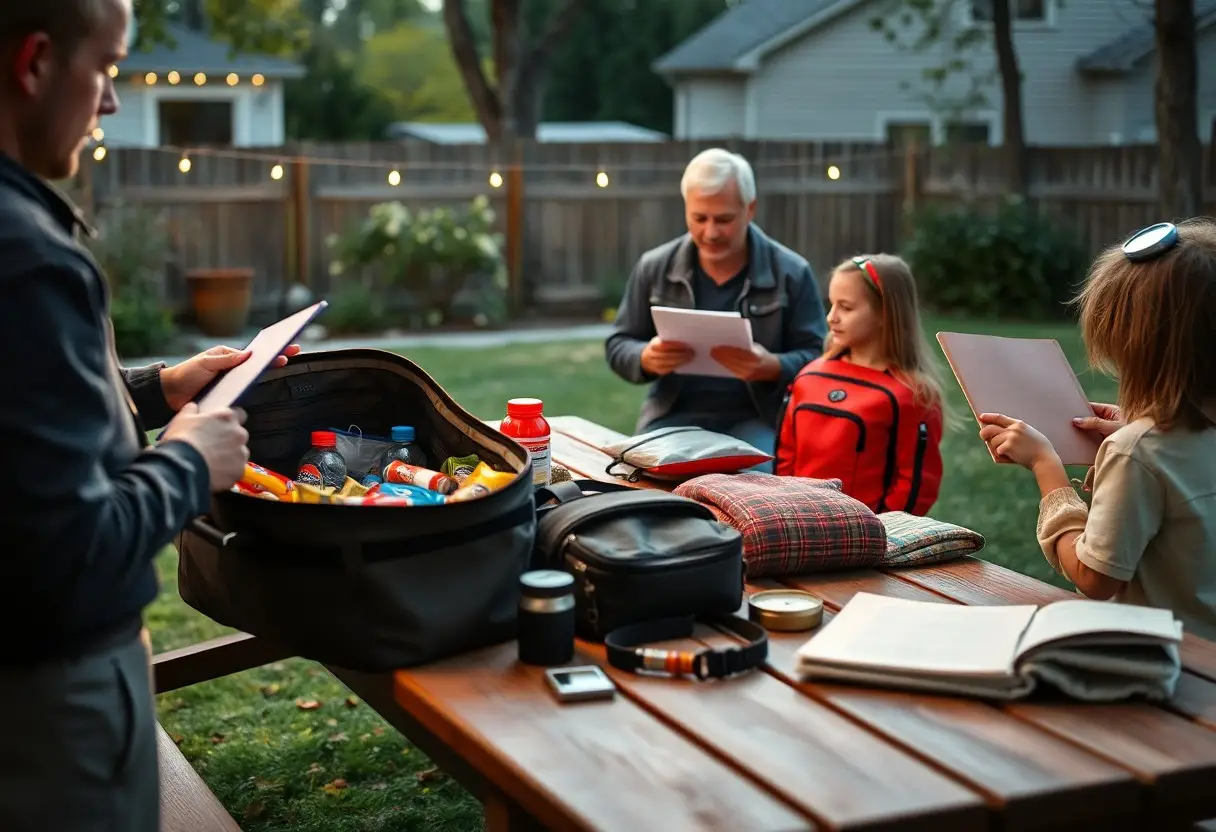
Instilling a Family-Wide Preparedness Culture
Creating a culture of preparedness within your family enhances everyone’s confidence and readiness for emergencies. You can encourage this mindset through open discussions about safety and the role of your go bag. Involving each family member fosters a sense of responsibility and ensures that everyone feels valued. Regularly reviewing emergency plans and outfitting your go bags together reinforces the importance of being prepared and creates a stronger bond amongst family members.
Engaging Family Members in the Go Bag Process
Involve each family member in selecting items for your go bags to build ownership and interest in the process. Ask for their input on items they consider vital, whether it be favorite snacks or comfort items. You may also host a family meeting to review the supplies and teach younger members how to use the items effectively. This will create a sense of community focus as you all work towards the common goal of safety and preparedness.
Building Teamwork Through Joint Training Exercises
Teamwork during training exercises makes a significant difference in how well your family can respond in a crisis. Conducting drills for various emergency scenarios, such as fires, earthquakes, or severe weather, enhances coordination and communication among family members. Assign roles during these drills to encourage everyone to contribute, ensuring that basic tasks are covered, such as checking the go bags and preparing exit routes. Be sure to review each exercise afterward to discuss what worked, what didn’t, and how you can improve together.
Adding joint training exercises into your family’s routine not only solidifies preparedness but also strengthens emotional bonds. For instance, simulate an evacuation scenario where each person is tasked with specific responsibilities, like grabbing the go bag, gathering pets, or helping younger siblings. As a result, when a real emergency arises, each family member will instinctively know their role. You can even make it enjoyable by incorporating time limits or by rewarding successful completions with a family outing. This hands-on approach will ensure that everyone is prepared while also cultivating a culture of teamwork and shared responsibility.
Summing up
Now that you understand how to test and practice using your Go Bag, it’s time to put these insights into action. Regularly review your supplies, assess their functionality, and familiarize yourself with the contents. Conduct practice drills to build confidence in using your Go Bag effectively during emergencies. This hands-on approach will not only enhance your preparedness but also help you identify any areas for improvement. By staying proactive, you can ensure that your Go Bag is always ready when you need it most.


