
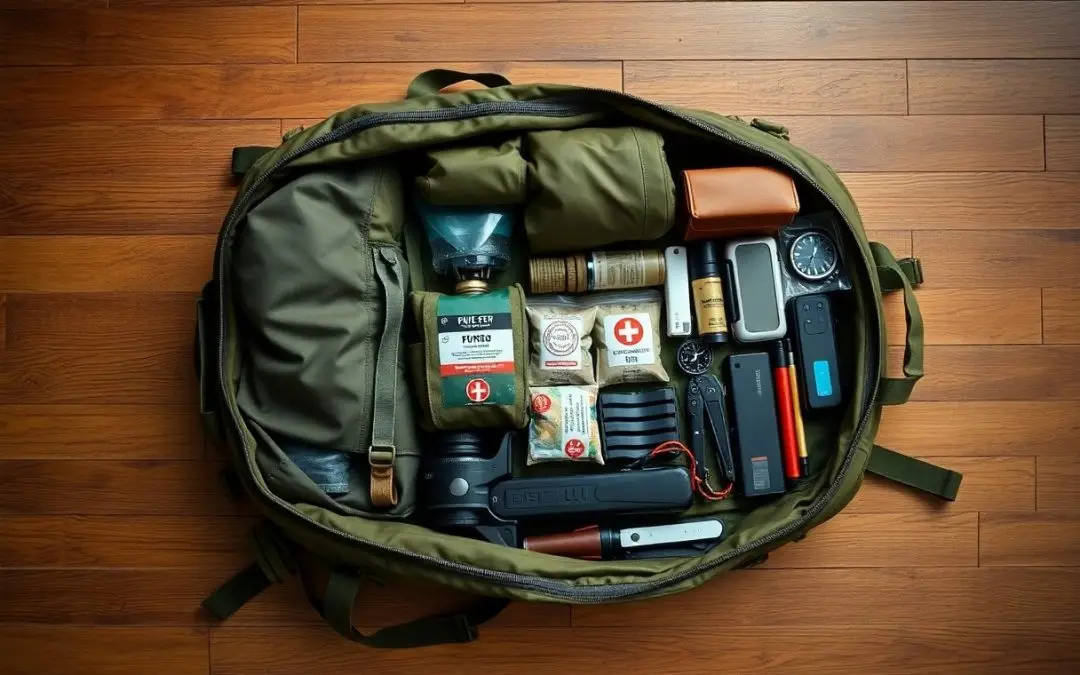
Preparedness begins with a compact, prioritized go bag that gives you necessary supplies, tools, and documentation to sustain yourself for 72 hours. You should organize water, food, first-aid, shelter, communication, and power in durable packaging, label items, rotate perishables, and customize gear to your personal needs and local risks so you can evacuate or shelter-in-place with confidence.
Understanding the Purpose of a Go Bag
It should provide you with immediate survival imperatives for 72 hours: one gallon of water per person per day, three days of ready-to-eat food, a day’s change of clothes, prescription meds, copies of IDs and insurance, a compact first-aid kit, a 10,000 mAh power bank, multi-tool, headlamp, NOAA radio, and a lightweight shelter option. You want a bag you can grab and carry in under 15 minutes that keeps weight manageable (under ~20 lb) while covering basic mobility and communication needs.
Emergency Scenarios
Wildfires and flash floods can force you out with less than an hour’s notice, while hurricanes typically give 24-72 hours; power outages or civil unrest may keep you isolated for days. For wildfire evacuation prioritize hard-to-replace documents and N95 masks; for storms add cash ($200-500) and a hand-crank radio; for winter risks include a space blanket and hand warmers. Tailor items to the most likely local threats and to anyone’s special needs-infants, elders, or pets.
Importance of Preparation
Practice and maintenance make the difference between a bag and a usable kit: run a five-minute grab-and-go drill quarterly, rotate food every 6-12 months, check expiry dates on meds monthly, and keep digital copies of documents encrypted in the cloud plus a waterproof paper copy. You should also validate that your power bank holds a full charge, update emergency contacts biannually, and ensure everyone in your household knows where the bag is kept and how to use key items.
Increase readiness by building a concise inventory sheet attached to the bag with item counts and expiration dates, then timestamp each inspection. Time your drill-if it takes longer than five minutes to collect imperatives, reorganize. Add region-specific gear (e.g., 12V car adapter and reflective vest for road evacuations, extra blankets in winter climates), and personalize portions: one gallon water per person per day, extra for pets, and at least 200-500 kcal per person per day in compact ration form.
Essential Items for a Go Bag
Prioritize items that let you sustain yourself, communicate, and move for the first 72 hours: water (one gallon per person per day), about 6,000 kcal of nonperishable food, a reliable light source, multipurpose tools, charged power bank or solar charger, printed ID and cash, and a compact radio-organized in labeled pouches so you can grab what you need and depart within minutes.
Food and Water Supplies
Store one gallon of water per person per day for 72 hours and include a 1-2 L collapsible bottle plus a small filter like a Sawyer Mini or chlorine dioxide tablets you can dose per the manufacturer; pack high-calorie, nonperishable items-MREs, energy bars, and dehydrated meals-totaling roughly 6,000 kcal and rotate supplies every 12-24 months to keep them fresh.
First Aid Kit
Assemble a compact kit with assorted adhesive bandages, sterile gauze, adhesive tape, elastic bandage, antiseptic wipes, antibiotic ointment, tweezers, small scissors, nitrile gloves, instant cold pack, basic OTC meds, and a tourniquet and hemostatic dressing if you are trained; include a 72-hour supply of prescription medications labeled for each person.
Organize the kit in clear, labeled compartments and tailor contents to your household: add an epinephrine auto‑injector for severe allergies, glucose tablets for diabetics, pediatric formulations if you have children, and a compact CPR shield; inspect expiration dates quarterly and carry a printed first-aid checklist or an offline medical app for guidance.
Clothing and Shelter
Pack quick-dry base layers, an insulating mid-layer you can add, a waterproof breathable shell, a warm hat, gloves, two pairs of socks, and spare underwear; include a compact 1‑person bivy or lightweight sleeping bag rated for expected conditions, a mylar emergency blanket, 50 ft of paracord, and an 8×10 tarp for shelter versatility.
Choose synthetic or wool materials that wick and retain warmth when wet rather than cotton, and size items for layering flexibility; you should test your shelter kit in a drill-note that a 1‑person bivy saves space but in cold climates a higher-rated bag or a small family tent paired with a tarp setup may be necessary.
Personalization of Your Go Bag
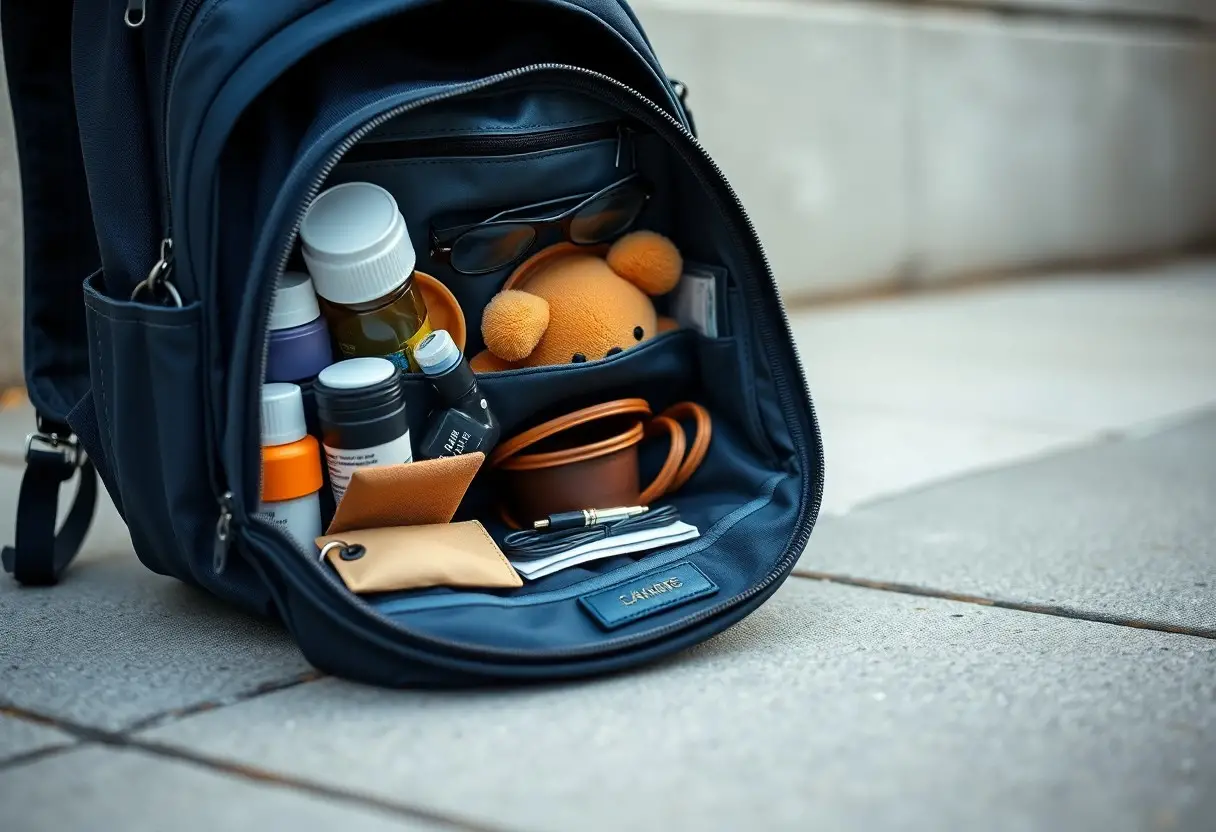
Adapt your go bag to match your daily routines and health needs: include a 72-hour supply of water (1 gallon/3.8 L per person per day), at least three days of nonperishable food, prescription meds with a 3-7 day buffer, spare glasses, phone chargers and a printed list of emergency contacts and medical info. Add cash in small bills, copies of IDs and insurance cards, and one multipurpose tool-these specifics prevent common gaps when you must evacuate quickly.
Tailoring to Individual Needs
Assess chronic conditions and hobbies: if you use insulin, pack a cooler with cold packs and extra syringes; for CPAP users include a battery pack and mask sanitizing wipes; if you bike or hike, add a compact repair kit. Aim for quantifiable backups-two sets of hearing-aid batteries, a 7-day pill organizer when feasible, and at least one spare pair of prescription glasses-to keep daily life functioning during disruption.
Considering Family Members
Plan per-person and per-age items: infants need 8-12 diapers/day (pack 24-36 for 72 hours), 6-8 prepared 8‑oz bottles or pre-measured formula pouches, and a favorite comfort item; school-age kids benefit from activity packs and allergy meds noted on a signed care list; seniors require a list of prescriptions, mobility aids and two extra sets of hearing-aid batteries.
For practical packing, make a mini-checklist per person: child-three changes of clothes, hygiene wipes, emergency contact card; elderly-7-day med list, spare glasses, denture supplies; disabled family member-backup wheelchair parts, communication board, prescription supplies; pet-7 days of food, leash, vaccination records. Label each kit and store it together so you can grab the right bag for everyone in under a minute.
Maintenance and Updates for Your Go Bag
Treat your go bag as a living kit: set quarterly inspection dates, keep a dated inventory (item, purchase/expiry date), and use calendar alerts to prompt swaps. You should replace water annually, rotate emergency food every 6-12 months, swap expired meds and batteries per manufacturer guidance (or every 2 years if unsure), and test electronics monthly so nothing fails when you need it.
Regular Inspections
Every three months inspect seals, zippers, and packaging for damage or moisture, check medications and OTC items against expiration dates, test flashlights, radios and power banks, and verify stove fuel and water filters are functional; log the check with date and actions taken so you can track trends and avoid last-minute surprises.
Seasonal Adjustments
For seasonal swaps carry climate-appropriate clothing (one insulating layer and two pairs of socks for cold; breathable base layers for heat), swap toiletries (SPF 30+ sunscreen in summer, skin salves in winter), and add weather tools such as a compact poncho, micro-spade, or cooling towel; adapt hydration by adding an extra 1-2 liters or a portable misting device depending on temperature.
In cold months add a packable insulated jacket, two wool liners, a 10-pack of chemical hand warmers, and switch to lithium batteries (they retain charge better under 0°C); in wildfire season include two N95/P2 masks and safety goggles, while flood-prone periods call for waterproof bags, a dry-pouch for documents, and a compact pry bar-store seasonal items separately in labeled pouches so you can swap sets in under 10 minutes.
Go Bag for Specific Situations
Natural Disasters
Earthquakes, hurricanes, and floods call for a 72-hour kit: 3 liters of water per person per day, three days of ready-to-eat food, a NOAA weather radio, a headlamp with spare batteries, water purification tablets, and a Mylar blanket. You should add copies of IDs and prescriptions in a waterproof pouch, sturdy shoes, and a multi-tool; after Hurricane Sandy many households that had portable power and cash fared much better during multi-day outages.
Urban Emergencies
In dense cities prioritize mobility and communication: a 10,000-20,000 mAh power bank, $50-100 in small bills, a charged phone with an extra SIM or battery, a compact flashlight, whistle, and a printed local transit map plus three alternate evacuation routes. You should also pack a basic first-aid kit, N95 mask, and a key contact list written on paper in case networks fail-2003’s Northeast blackout left about 50 million people without power and exposed the need for offline preparedness.
You can further tailor your urban kit by anticipating transport collapse and crowding: include a foldable daypack, a compact rain jacket, nitrile gloves, safety goggles, and a 20,000 mAh power bank if you rely on devices; also store one week’s worth of vital meds if you depend on them. Keep copies of building floor plans or stairwell locations if you live above ground level, and practice a rendezvous point with family within a 1-2 mile radius.
Tips for Easy Transportation
You should aim for 10-20 lb (4.5-9 kg) for immediate evacuation and 20-35 lb for a full 72‑hour kit, then test-carry a mile to confirm comfort.
- Pick wheeled packs for long paved routes and backpacks for uneven terrain.
- Use chest and hip straps to shift 40-60% of weight to your hips.
- Keep a compact day pouch (10-15 L) ready for short sorties.
Perceiving the route and transit options helps you choose wheeled, backpack, or compact messenger styles.
Choosing the Right Bag
You want a pack sized to role: 20-30 L for grab-and-go, 30-50 L for a full 72‑hour kit, and 60+ L only for multi-person family kits; prioritize 500-1,000D nylon or ripstop with a DWR finish, a padded hip belt, sternum strap, and easy-access external pockets that fit a 1-2 L hydration reservoir.
Organizing Contents Efficiently
Use clear zip pouches and color-coded bags so you can find meds, documents, and tools in under 30 seconds; place frequently used items in external pockets, stow heavier gear low and centered, and keep consumables like food and filter near the top for quick reach.
Pack by function: top pocket for documents, headlamp, phone power; main compartment for shelter, sleeping bag, and clothing; internal mid-level for food and stove; front pocket for first aid, multitool, and fire kit; side pockets for water bottles or bladder tube access. Aim to keep heavy items within the lowest third of the pack and distribute 50% of mass close to your spine to maintain balance.
Summing up
Summing up, your go bag is compact, prioritized, and customized to your needs: a sturdy bag with water, nonperishable food, a basic medical kit, reliable light and power, weather-appropriate clothing, important documents and cash, imperative medications, tools, and a simple communication plan. You focus on mobility, 72-hour self-sufficiency, regular checks, and adjustments for climate, pets, and family members so you can act swiftly and confidently.


