
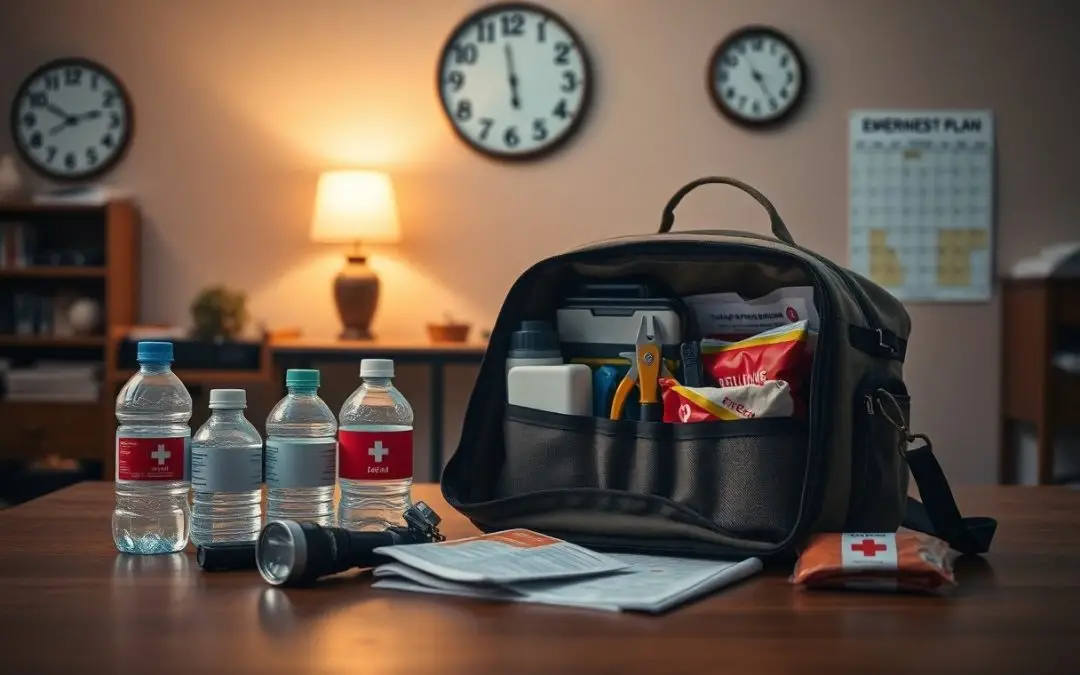
There’s no time to waste during a crisis, making it important to have your go bag organized for quick access. You need to streamline the contents, ensuring everything you may need is readily available at a moment’s notice. This guide will provide clear steps to effectively organize your go bag, helping you prioritize items and arrange them for efficiency. With the right setup, you can respond swiftly to emergencies, ensuring your safety and preparedness when it matters most.
Understanding the Importance of a Go Bag
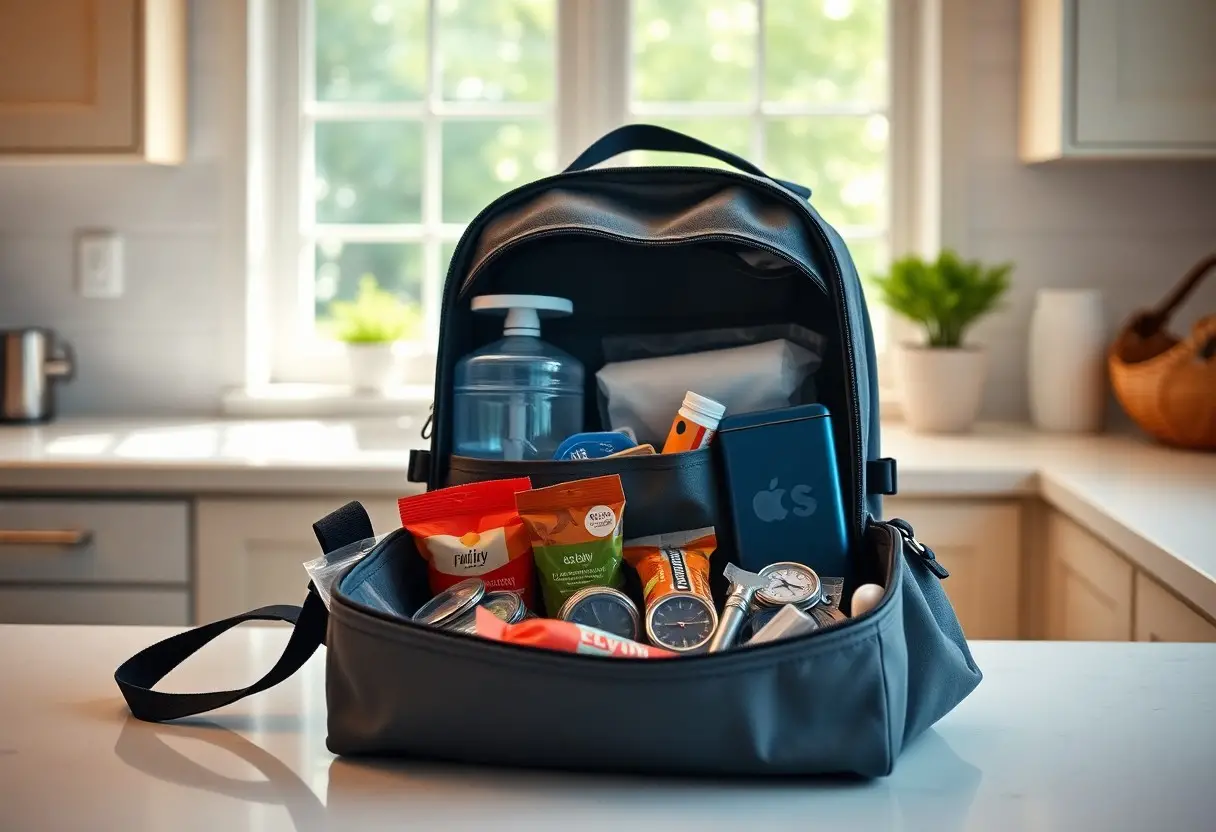
Your preparedness during an emergency hinges on having immediate access to important supplies, making a go bag a vital resource. A well-organized go bag enables you to leave swiftly, ensuring you have everything necessary to survive unexpected situations, whether natural disasters or personal crises. By anticipating your needs, you increase your resilience and ensure you are ready to act when minutes matter.
Why a Go Bag is Essential
A go bag is fundamental because it equips you with key survival items that can make a significant difference during an emergency. This includes items for shelter, food, water, first aid, and communication. Having these supplies in a portable and easily accessible format minimizes stress and enhances your ability to stay safe when immediate decisions are necessary.
Factors to Consider When Building Your Go Bag
When constructing your go bag, prioritize the specific scenarios you might face. Tailor the contents based on your location, climate, and individual needs. Take into consideration the size and weight of the bag, ensuring it remains portable yet spacious enough for importants. Additionally, account for family members’ needs, including children or pets, as well as personal health requirements.
- Assess the types of emergencies you may encounter.
- Choose durable and lightweight materials for your bag.
- Include basic first aid supplies tailored to personal health issues.
- Incorporate non-perishable food items and water purification tools.
- Check expiration dates regularly and rotate supplies.
It’s also important to consider the climate in your area, as weather conditions can dictate what items are necessary. For instants, if you reside in a colder region, add thermal blankets or hand warmers. Take personal preferences into account, such as favorite snacks, comfort items, or specific medications. After evaluating these factors, you can create a go bag that best suits your unique situation.
- Plan for communication needs, such as a charger for your phone.
- Incorporate emergency contact information for easy access.
- Include multi-tools or tools with various functionalities.
- Think about secure storage for important documents and cash.
- Consider the weight of the bag for easy transport.
Essential Items to Include in Your Go Bag
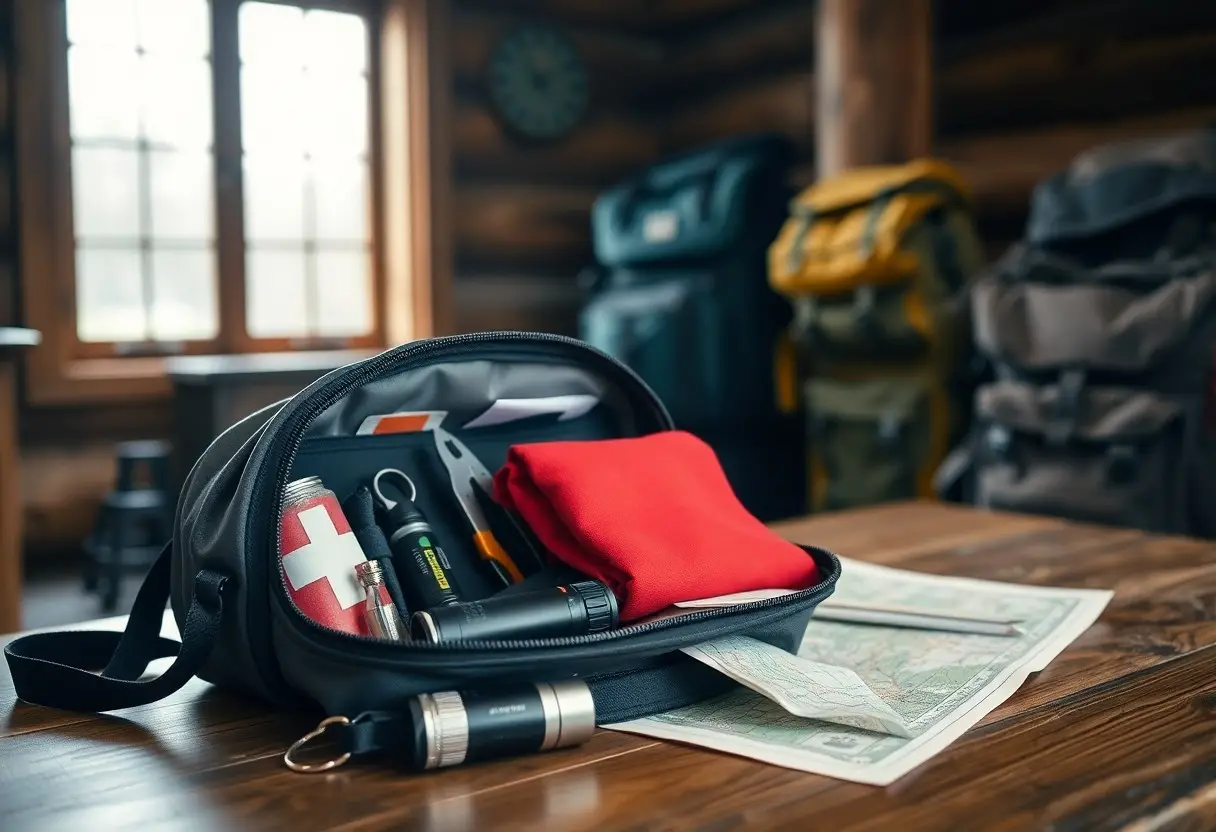
Gathering the right supplies for your go bag can make a significant difference in a crisis. Focus on items that fulfill your immediate needs, ensuring you can respond swiftly to any situation. Prioritize lightweight, durable goods that provide shelter, sustenance, safety, and security while also considering your personal preferences and requirements.
Safety and First Aid Supplies
Your safety and health should be top priority in any emergency. Stock your go bag with a comprehensive first aid kit that includes bandages, antiseptic wipes, adhesive tape, and pain relievers. Additionally, consider including a whistle, multi-tool, flashlight, and extra batteries to enhance your safety and communication abilities.
Food and Water Provisions
It’s vital to include non-perishable food and clean drinking water in your go bag. Choose energy-dense snacks like protein bars, nuts, and dried fruit, along with at least one gallon of water per person per day. Remember to store these items in airtight containers to preserve their longevity.
When packing food and water provisions, consider meal replacement items like MREs (Meals Ready-to-Eat) or freeze-dried meals, which are compact and easy to prepare. Water purification tablets can also make a significant difference, allowing you to treat potentially unsafe water sources. Plan for at least a three-day supply, as this time frame is often recommended by emergency management agencies.
Important Documents and Identification
Having your necessary documents accessible is key during any emergency scenario. Organize items such as identification cards, insurance policies, medical records, and emergency contact information in a waterproof pouch. This ensures that you can secure help or necessary services without disruption.
Protecting away important documents not only eases the recovery process after a disaster but can also prove necessary for accessing resources and assistance. Consider keeping digital copies stored on a secure, encrypted USB drive as a backup. This redundancy helps ensure your vital information is safe and accessible, regardless of the situation. Always review and update these documents annually to reflect any significant life changes.
Organizing for Fast Access
Your go bag should allow quick retrieval of necessary items when seconds count. Prioritize an intuitive layout, placing frequently used items at the top or in accessible pockets. Use visibility techniques, such as color coding or labeling, to help you identify contents swiftly. Regularly update your bag based on your personal needs and changing circumstances to ensure it remains an effective resource during crises.
Strategies for Efficient Packing
Packing efficiently means weighing the importance of each item against the space it occupies. Start with a checklist of must-have items, then consider multi-functional gear that can serve multiple purposes, such as a tool that acts as both a knife and a bottle opener. Group similar items together in designated areas of your bag to streamline access during stressful situations.
Utilizing Compartments and Pockets
Maximize your bag’s organizational capabilities by using its compartments and pockets strategically. Keep first aid supplies in one area, food and water in another, and tools in a designated pocket. By clearly defining spaces for specific categories, you can easily locate items when you need them urgently, reducing valuable time spent searching.
Utilizing Compartments and Pockets
| Strategy | Description |
|---|---|
| Designate Areas | Assign specific compartments for necessary categories such as food, water, first aid, and tools. |
| Labeling | Use labels or color codes on pockets to quickly identify the contents. |
| Accessibility | Place frequently used items in outer pockets for easy access without opening the entire bag. |
| Compression | Utilize packing cubes to compress items, saving space while keeping things organized. |
Utilizing compartments and pockets effectively allows you to customize your go bag for your personal needs. By clearly defining spaces and leveraging different compartments, you ensure that every item has its place, which enhances the speed at which you can access critical supplies. For instance, if an emergency arises, knowing that your first aid kit is in the front pocket can make all the difference. Employing packing cubes can also help compress clothing or gear, providing a better organization system and optimizing space so that every inch of your bag can be used efficiently.
Personalizing Your Go Bag
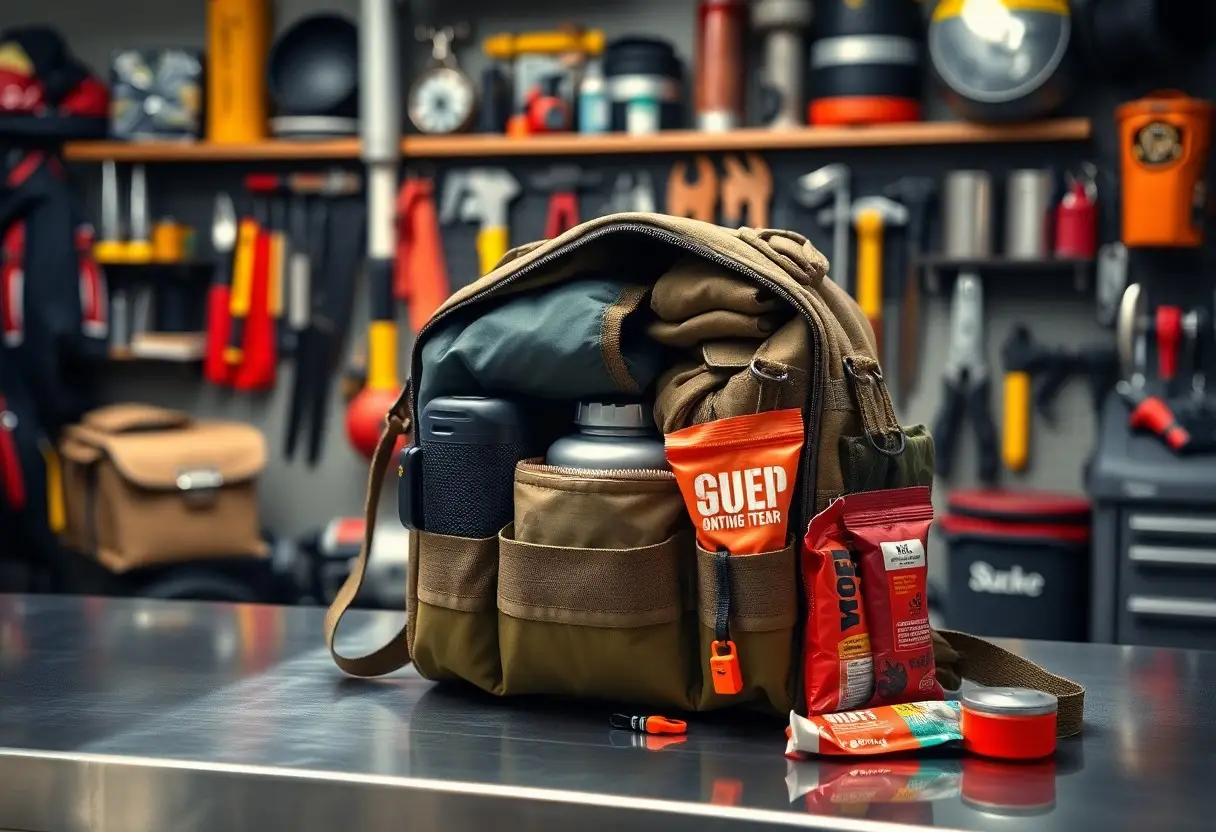
Personalization ensures your go bag meets your specific needs and lifestyle, increasing its effectiveness during an emergency. Consider your location and any unique risks, such as harsh weather conditions, wildlife encounters, or natural disasters common in your area. Incorporate personal items like prescription medications, copies of vital documents, or comfort items that can provide emotional stability during stressful times.
Tailoring Contents to Your Needs
Assess what you and your family might require in different scenarios to tailor the contents of your go bag. Include food and water supplies suited to your dietary restrictions, clothing appropriate for your climate, and items necessary for children or pets, ensuring everyone’s needs are met during an emergency.
Regular Updates and Maintenance
Keep your go bag effective through regular updates and maintenance, ensuring it evolves alongside your changing circumstances. Schedule a review twice a year, replacing expired items, adjusting clothing for seasonal changes, and adding new personal needs as they arise.
During each review, check that food items are fresh and water supplies are adequate. Replace batteries in flashlights and radios, and verify that any first aid supplies or medications are current. Involving your family in this process can also keep everyone engaged and informed about the contents, fostering a sense of preparedness and ownership over your emergency plan.
Go Bag Maintenance Tips
Regular maintenance of your go bag ensures it remains ready for any situation. Schedule check-ins at least every six months to review contents and functionality, making necessary adjustments. An organized bag can significantly impact your response time and overall preparedness.
- Check supplies regularly.
- Update items based on seasonal needs.
- Replenish food and water supplies.
- Test any battery-operated devices.
- Keep a detailed inventory list.
Any neglect can lead to outdated materials when a crisis arises.
Checking Expiration Dates
Be vigilant about checking the expiration dates on food, medications, and batteries included in your go bag. Discard and replace any items that have passed their shelf life to avoid potential risks during an emergency. Regularly scrutinizing these dates helps ensure you always have usable supplies when you need them most.
Seasonal Adjustments
Adjust the contents of your go bag based on the seasons. For instance, include extra layers of clothing and specific gear for colder months, such as gloves and hats, while focusing on hydration and insect repellent during summer. Tailoring your kit to the climate can enhance your survival chances and comfort level in dire circumstances.
As seasons change, think about the unique challenges you might face. In winter, prioritize warmth by adding handwarmers, thermal blankets, or specialized gear like snow shovels. In contrast, summer might require sunblock, a hat, and lightweight clothing. Updating your go bag according to seasonal needs ensures you are equipped for varying conditions, increasing your overall efficiency in a crisis.
Conclusion
Presently, organizing your go bag for fast access during a crisis means prioritizing important items and ensuring they are easily reachable. Choose a durable bag, categorize supplies into clear sections, and label them for quick identification. Pack an emergency checklist, maintain a tidy layout, and regularly update contents to reflect your current needs. By following these steps, you empower yourself to act swiftly and efficiently in any emergency situation.


