
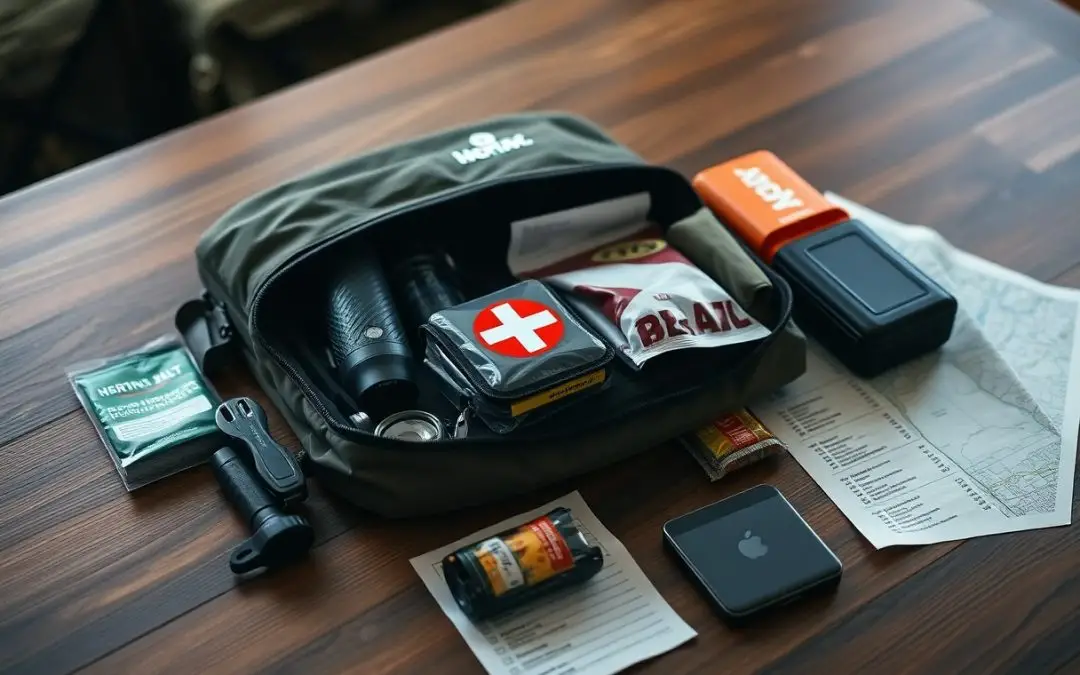
Just as you prepare for an adventure, it’s important to have a go bag ready for both travel and unexpected emergencies. This guide will help you assemble a versatile kit that keeps you equipped for any situation, whether you’re exploring a new destination or facing an unforeseen event. By following these straightforward steps, you’ll ensure your go bag is practical, compact, and tailored to your unique needs, giving you peace of mind wherever you go.
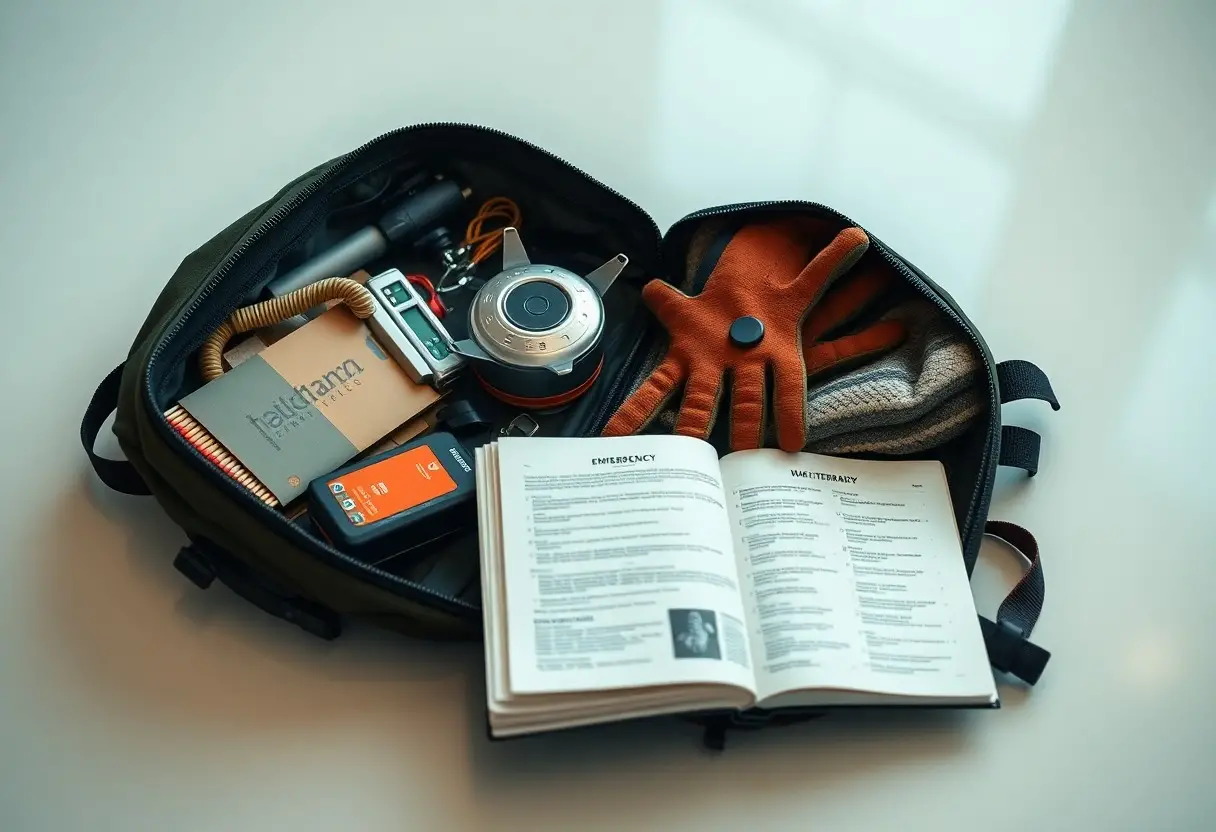
Understanding the Purpose of a Go Bag
A go bag serves as your crucial toolkit for both travel and emergency situations. By having a well-prepared go bag, you can ensure access to necessary items at a moment’s notice. Whether you face a sudden natural disaster or plan an impromptu trip, a go bag offers peace of mind and practicality. Tailoring its contents to meet your specific needs transforms it from a simple collection of items into a lifeline.
Travel vs. Emergency Situations
The distinction between travel and emergency situations is critical in determining what to include in your go bag. Travel often requires items that enhance comfort and convenience, such as snacks, travel pillows, and entertainment. In contrast, emergencies call for crucials that support survival, including first aid supplies, water purification, and necessary tools. Balancing these priorities helps you create a versatile go bag ready for any situation.
Key Factors to Consider
Selecting the right items for your go bag involves evaluating your specific needs and circumstances. Consider factors such as the duration of your absence, the environment you’ll encounter, and the potential risks associated with your destination. Personalizing your go bag ensures you’re equipped for both planned adventures and unexpected events.
- Duration of your trip
- Nature of the environment
- Personal health and safety needs
- Available resources at your destination
Making your list realistic is crucial. Think about the items you routinely use, ensuring they are practical and lightweight. Incorporate multi-functional tools whenever possible to save space. Adjustments based on specific travel locations, weather conditions, or health conditions can significantly impact what should be included. Always assess how your choices cater to both short trips and serious evacuations, ensuring adaptability.
- Storage and organization
- Weight considerations
- Accessibility of important items
- Personal preferences and habits
Consider how the organization of your go bag affects efficiency. Use compartments or packing cubes to separate items for easy access, and label containers if necessary. Prioritize lightweight materials for carrying comfort and pack items based on frequency of use, with crucial items readily available. The right setup can make all the difference in high-pressure situations or during leisurely travels.
Essential Items for Your Go Bag
Prioritizing important items ensures your go bag meets both travel and emergency needs. Start with a reliable backpack that can withstand diverse conditions and enough space to house your necessities. Incorporate a first aid kit, food supplies like energy bars, water purification options, and a multi-tool. These items form the backbone of your go bag, enabling preparedness for unexpected situations while remaining practical for travel purposes.
Basic Necessities
Your go bag must include basic necessities to sustain you. Pack a compact water bottle or hydration system, a lightweight blanket, and weather-appropriate clothing such as a rain jacket or thermal layers. Including a flashlight with extra batteries and a portable charger for your devices can bolster your readiness, ensuring you have what you need in both emergency scenarios and on-the-go trips.
Tailoring Items for Specific Needs
Each person’s situation may require specialized items in their go bag. For families, adding items for children like snacks, toys, and specific medications is important. Those with pets should include collapsible bowls and enough food for their pets. If you have particular medical needs, ensure you have sufficient prescriptions, while outdoor enthusiasts may want additional gear like a portable stove or extra tools. Tailoring your go bag to your lifestyle and anticipated scenarios enhances its effectiveness.
Consider your daily routine and any potential risks you may face. For example, if you frequently hike, pack navigating tools like a compass or GPS device, while office workers might include extra charging cables or important documents. Each go bag should reflect your unique needs, blending universal importants with items that allow for rapid adaptations to various circumstances. By customizing your go bag, you equip yourself to handle both travel disruptions and emergency situations seamlessly.
Tips for Efficient Packing
- Use packing cubes for organized compartments.
- Roll clothing to save space.
- Prioritize lightweight and multipurpose items.
- Make a checklist to avoid forgetting imperatives.
- Leave extra room for souvenirs or emergency supplies.
This approach allows you to pack efficiently while keeping your bag manageable.
Maximizing Space
Utilizing packing cubes allows you to compartmentalize your items effectively, keeping similar products together. Rolling clothing minimizes wrinkles and optimizes space, making it easier to fit everything into your bag. Opt for multi-functional gear, such as a jacket with pockets or a travel blanket that can double as a pillow. These strategies help you maximize every inch of your go bag.
Organizing for Quick Access
Creating a layout in your go bag that prioritizes easy access to frequently needed items streamlines your experience. Place important documents, snacks, and imperative tools at the top or in easily accessible compartments. Group similar items in zippered pockets, so you know where to reach in an urgent situation. Consider color-coding or labeling bags for an instant visual cue.
Moreover, investing in clear, transparent pouches can expedite retrieval, allowing you to locate necessary items like your passport or first-aid kit without rummaging through your bag. Establishing a designated spot for each imperative won’t just save time; it also minimizes stress during emergencies or travels. This organized strategy ensures you’re always prepared and can react swiftly, no matter the circumstance.
Choosing the Right Bag
Size and Durability Considerations
Selecting a bag that balances size and durability is pivotal. A medium-sized backpack offers ample space for crucials without being cumbersome. Look for materials like nylon or polyester, which are lightweight yet withstand the rigors of travel and emergency situations. Aim for a bag that can hold at least 30 liters, allowing room for food, water, and gear.
Features to Look For
Identify features that enhance your bag’s functionality. Padded shoulder straps and a hip belt distribute weight evenly, improving comfort during extended wear. Multiple compartments and exterior pockets facilitate easy organization and access to your items. Waterproof materials or rain covers protect your gear from unexpected weather, while reflective strips or colors increase visibility in low-light situations.
Incorporating versatile features allows your go bag to adapt to various needs. Consider bags with modular attachments that let you customize storage depending on the trip duration or type. External loops for trekking poles or carabiners elevate functionality, and a hydration reservoir compatibility ensures you can stay hydrated without bulky water bottles. Each feature contributes to a more effective and user-friendly travel experience.
Maintenance and Updates
Keeping your go bag ready requires regular maintenance and timely updates. As seasons change or your personal circumstances shift, your kit should reflect those adjustments to remain effective. Regular checks ensure you can swiftly grab your bag and go without worrying about expired or inadequate supplies.
Regular Inventory Checks
Performing inventory checks every six months helps you identify items that need replacing, replenishing, or removing. Assess supplies like food, batteries, and medications, ensuring everything is within expiration dates and in good condition. This practice guarantees your preparedness is always at its peak.
Updating Items Based on Changing Needs
Your needs may evolve due to lifestyle changes, family size, or travel preferences. Adapting your go bag to these changes optimizes its usefulness. For instance, if you’ve acquired pets, including pet food and supplies will enhance your readiness during emergencies or travel.
As life situations shift, so does the relevance of certain items in your go bag. If you become a parent, importants like baby wipes, formula, or extra clothing should be added. Similarly, if you find yourself traveling more for work, consider including portable chargers, travel-sized toiletries, and business documents. Continuously tailoring your kit ensures you remain equipped for any scenario, enhancing both your confidence and safety in emergencies.
Special Considerations
Adapting your go bag to fit unique circumstances enhances its effectiveness. Consider family dynamics, specific health needs, and lifestyle preferences. Customizing your bag based on these aspects ensures it serves you well in both travel and emergency situations, offering readiness and peace of mind.
Family Needs
Each family has differing requirements, especially regarding age and health. For children, including comfort items like a favorite toy or blanket can ease anxiety in stressful situations. If you or a family member has specific medical needs, ensure necessary medications and documentation are included, addressing any dietary restrictions or allergies with appropriate snacks.
Pet Supplies
Your pets are family too, and their needs should not be overlooked. Include importants such as food, water, leashes, waste disposal bags, and a small first aid kit specifically for animals. If you have multiple pets, plan for their individual requirements as well, ensuring their comfort and safety during unexpected events.
Having a well-stocked pet supply kit can significantly reduce stress during emergencies. Pack at least a week’s worth of food, along with portable water dishes and collapsible bowls. Include any necessary medications, a recent photo of your pet for identification, and a brief document outlining their medical history and vaccination records. If you travel frequently, contemplate keeping a separate bag with these items pre-packed to eliminate last-minute scrambling.
To wrap up
With these considerations, you can effectively assemble a go bag that prepares you for both travel and emergencies. Focus on versatile and vital items, ensuring your bag is lightweight yet comprehensive. Tailor the contents to your specific needs, and regularly update your supplies to match changing circumstances. Prioritize accessibility and organization so you can quickly retrieve what you need when it matters most. By doing so, you enhance your readiness for unexpected challenges while enjoying peace of mind during your travels.


