
Over the years, the importance of being prepared for unexpected emergencies has become increasingly evident. A well-built survivalist go bag can be your lifeline in challenging situations, equipping you with the crucial supplies needed to respond effectively. In this post, you will learn the key components of an ideal go bag, how to prioritize items based on your specific needs, and practical tips to ensure you are ready to face any scenario that may arise. Embrace the art of preparedness and empower yourself with the knowledge to safeguard your well-being.
1. Assess personal needs and circumstances for effective planning.
2. Prioritize imperative items for survival in emergencies.
3. Include food, water, and shelter supplies in your bag.
4. Choose durable, lightweight materials for portability and convenience.
5. Regularly update and maintain your go bag’s contents.
6. Practice using your go bag to ensure preparedness.
Understanding the Go Bag
To truly grasp the concept of a go bag, you should think of it as your personal emergency kit designed to equip you for unexpected situations. Whether it’s a natural disaster, an evacuation scenario, or an unforeseen event, your go bag should contain imperative supplies and gear to sustain you until you reach safety or find help.
Definition and Purpose
Understanding the go bag’s definition and purpose allows you to see it as a key tool in your preparedness strategy. This bag serves as your immediate resource, filled with necessities that not only sustain you physically but also provide peace of mind during the chaos of emergencies.
Key Components of a Go Bag
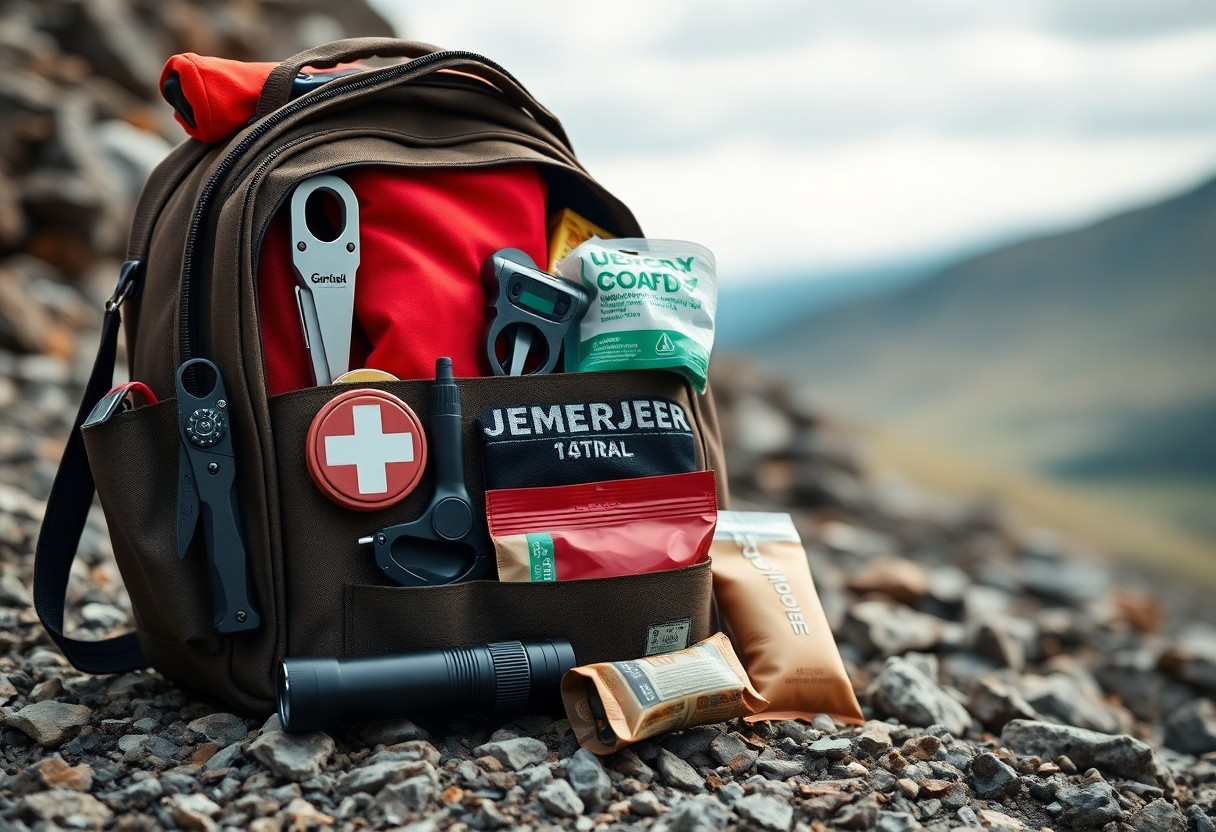
Among the items that make up an effective go bag, you will find imperatives such as food, water, a first aid kit, personal documents, and communication devices, all tailored to meet your specific needs.
This diverse array of components ensures that you are equipped for varied circumstances. Additional items may include clothing layers, hygiene products, a multi-tool, and a flashlight. Depending on your environment and potential threats, you might also consider including specialized gear, such as a fire starter or a portable phone charger. Ultimately, customizing your go bag to reflect your lifestyle and potential risks enhances your ability to respond effectively.
Assessing Your Needs
Some key factors will influence the items you include in your survivalist go bag. It’s imperative to evaluate your personal situation, including health conditions, the number of family members, and specific skills or limitations that may dictate what gear you need to carry. Understanding your unique circumstances will guide your preparations and ensure you have the right tools at hand.
Personal Factors to Consider
Around your individual needs, you should consider the following:
- Your physical health and limitations
- The age and needs of family members
- Your skill level in outdoor survival
- Any medical supplies or prescriptions
Thou must tailor your go bag to fit these personal factors for optimal preparedness.
Environmental Considerations
Among the most significant aspects of building your go bag are the environmental conditions you may encounter. The climate, terrain, and local wildlife can all impact your survival strategy and dictate what supplies you should prioritize.
Factors such as the weather patterns in your area, potential natural disasters, and the types of environments you are likely to traverse will all play a major role in the resources you choose for your go bag. For instance, if you live in a flood-prone region, waterproof supplies and flotation devices may be necessary, whereas a more mountainous area might require climbing gear and warmer clothing. Adapting your gear to meet these environmental variables will enhance your ability to respond effectively in emergencies.
Essential Items for Your Go Bag
Once again, assembling a well-equipped go bag requires attention to the imperatives that will support you during emergency situations. It’s vital to include items that will address your basic needs such as food, water, tools, clothing, and shelter. By prioritizing these imperatives, you can ensure that you are prepared for a variety of circumstances. A well-rounded go bag not only enhances your survival chances but also instills confidence when facing the unexpected.
Food and Water Supplies
With an estimated survival window of three days without water, packing adequate hydration options is non-negotiable. Include water purification tablets and nutrient-dense, long-lasting food items like energy bars or dehydrated meals. Prioritizing these supplies in your go bag ensures you’re equipped to sustain yourself until help arrives or conditions improve.
Tools and Equipment
Among the most important components of your go bag are versatile tools and equipment designed to assist you in a variety of tasks. Items like multi-tools, flashlights, and portable chargers can aid in everything from building shelter to signaling for help, making your bag a lifeline in challenging circumstances.
In fact, investing in high-quality tools can significantly increase your effectiveness during emergencies. A reliable multi-tool can replace several different instruments, saving you space and weight in your go bag. Other handy tools may include a compact camping stove for cooking, various lengths of rope for securing items or building, and a sturdy first-aid kit for addressing injuries. Don’t overlook the importance of backups for imperatives like batteries, which can make all the difference in prolonged situations.
Clothing and Shelter
Tools for clothing and shelter are equally important to your go bag setup. You need to pack clothes that can withstand various weather conditions and provide warmth, along with lightweight shelter options like emergency space blankets or tents. Prioritizing these items will help you stay safe and protected in uncertain environments.
The right clothing not only protects you from harsh elements but also aids in insulation and comfort. Thermal layers, waterproof jackets, and durable boots should be included, ensuring mobility and warmth when you need it most. Lightweight tarps or portable bivvy bags will allow you to create temporary shelter, giving you protection from rain, wind, and cold temperatures. Together, these elements will enhance your capacity to endure challenging situations effectively.
Customizing Your Go Bag
All survivalists understand that a one-size-fits-all approach doesn’t work when it comes to go bags. Customization ensures that your bag meets your unique needs and preferences. Consider your location, environment, and potential emergencies you might face. Prioritize the items you deem important and reflect on your personal lifestyle to optimize your go bag for efficiency and effectiveness.
Tailoring for Family Size
Size does matter when customizing your go bag, especially when factoring in how many people you need to prepare for. If you have a family, divide the gear appropriately—create individual bags for each member or consolidate supplies into larger bags. Always ensure there are enough importants, such as food and water, to sustain everyone during an emergency.
Including Special Needs Items
Customizing your go bag should also involve adding specific items for family members with unique requirements. Don’t overlook necessary medications, medical equipment, or comfort items, as these can significantly influence their well-being during an emergency. Make a checklist of special needs items and regularly ensure they are stockpiled and up-to-date, so your bag is ready when you need it most.
Needs can vary widely among family members, particularly for those with disabilities, chronic illnesses, or infants. For instance, if you have a child with allergies, pack prescribed medication and allergy-free snacks. Likewise, if you include elderly family members, consider mobility aids and specialized nutritional needs. Your go bag should reflect everyone’s unique requirements to ensure a safer and more comfortable experience in case of an emergency.
Maintenance and Updates
After assembling your survivalist go bag, ongoing maintenance and updates are important to ensure that you’re always prepared for any situation. Regularly reviewing your supplies, checking expiration dates, and replenishing items will help you maintain an effective survival kit. This proactive approach keeps your go bag ready and functional whenever an emergency arises.
Regular Inventory Checks
Along with maintaining your supplies, conducting regular inventory checks is an important step to ensure nothing gets overlooked. Schedule a time every few months to evaluate the contents of your go bag, replacing any items that may have been used or are nearing expiration. A well-maintained inventory further enhances your readiness for unforeseen situations.
Rotating Perishable Supplies
Behind the scenes of effective preparedness lies the practice of rotating perishable supplies in your go bag. This approach guarantees that your food, medications, and other time-sensitive items remain fresh and viable when you need them most.
This process involves regularly replacing older items with new ones before they expire. For example, if you carry food items with a limited shelf life, check them frequently and consume or replace them accordingly. By keeping track of expiration dates and following a rotation schedule, you enhance your survival supplies’ reliability, ensuring you have safe and effective sustenance in any emergency.
Training and Preparedness
Despite the best preparations, survival situations are unpredictable. Understanding how to effectively use your go bag is just as important as having the right gear. Investing time in training will prepare you to respond swiftly and thoughtfully in emergencies, ensuring you can utilize your go bag effectively when every second counts.
Skills to Complement Your Go Bag
Skills you possess can significantly enhance the efficacy of your go bag. Basic first aid, navigation, fire-making, and self-defense are important competencies that complement your supplies. Regularly honing these skills ensures that, in a high-pressure situation, you can rely on your abilities to maximize the utility of your go bag and guarantee your safety.
Drills and Practice Scenarios
Before an emergency strikes, it’s vital to engage in drills and practice scenarios that simulate real-life situations. This training helps you become familiar with the contents of your go bag and its applications. Additionally, rehearsing these scenarios will build your confidence and enhance your decision-making capabilities when it matters most.
To create realistic drills, consider various survival scenarios, such as natural disasters or urban emergencies. Set up situations where you must think on your feet, using items from your go bag and your acquired skills. Performing regular drills not only prepares you mentally and physically, but it also helps identify any gaps in your training or equipment, allowing you to make necessary adjustments and ensuring you’re ready for whatever may come your way.
To Wrap Up
With these considerations, you can create a well-equipped survivalist go bag that meets your specific needs. Assess your environment and personal circumstances to select crucial gear and supplies that will enhance your preparedness. Regularly review and update your go bag to ensure all items are in good condition and relevant to potential scenarios. By doing so, you’ll increase your confidence and ability to respond effectively when emergencies arise.


