
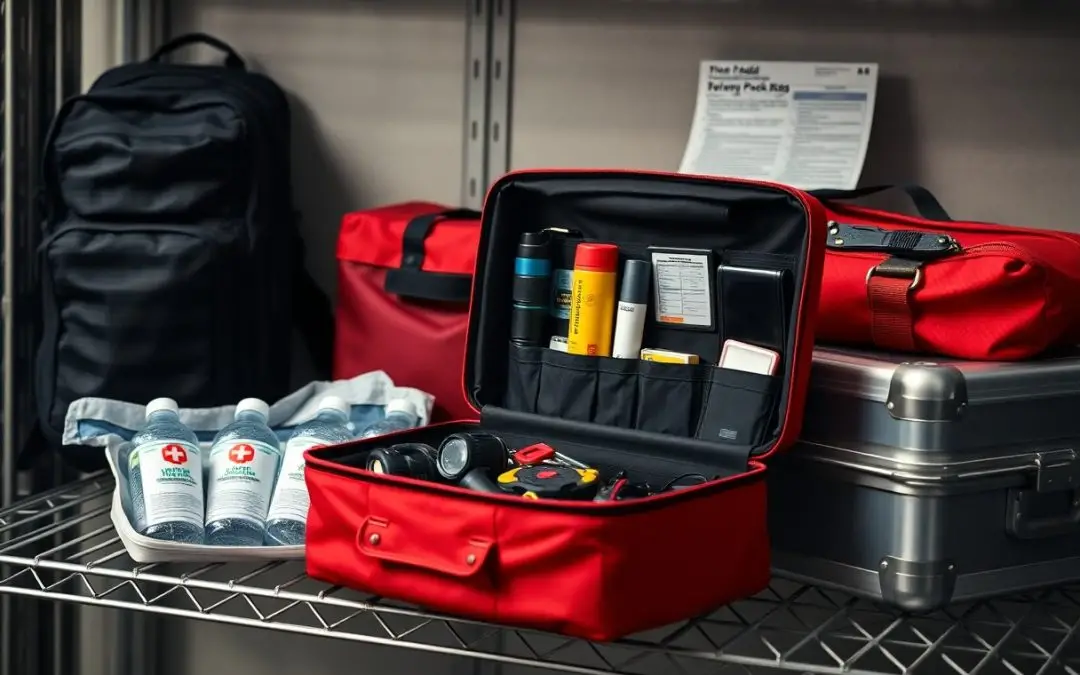
Preparedness means assembling a professional emergency go bag that keeps you operational during crises; you should include communications, medical supplies, durable tools, water, and documentation, and maintain regular inspections so gear and medications remain ready when you must respond quickly.
Strategic Gear Selection and Tiered Loadouts
Select gear by tier-carry imperative, extended, and specialized sets-so you can adapt load quickly without overpacking.
Analyzing Tactical versus Commercial Grade Equipment
Compare tactical and commercial gear by testing durability, maintenance, and mission fit so you know trade-offs for cost, weight, and reliability.
The Philosophy of Weight-to-Utility Ratios
Balance weight against utility by assigning points to functions so you can prioritize items that deliver the most operational value per ounce.
Calculate utility per ounce for each item, categorize by mission phase, and set strict weight thresholds so you avoid pack creep while ensuring you retain imperative capabilities for the most likely scenarios; you refine tiers through field trials.
Hydration and Sustenance Architecture
Hydration planning pairs water, purification tools, and compact calories so you sustain energy on the move with predictable resupply intervals and minimal waste.
Redundant Water Purification and Storage Methods
Filtration, UV pens, and iodine tablets provide layered purification while you store backups in rigid containers and soft bladders to prevent single-point failure.
High-Density Survival Nutrition and Shelf-Life Management
Calorie-dense bars, compressed rations, and powdered meals give you high energy with minimal bulk; track calories per ounce to plan days of intake.
Storage in vacuum-sealed pouches and metal tins extends shelf life, while you rotate supplies by date and inspect for pests and heat damage; include freeze-dried meals, nut butters, and meal replacement powders to cover macronutrients, and prepare allergen-specific packs for every person you may evacuate with.
Shelter and Thermal Regulation Systems
Shelter options in your go bag should prioritize compact insulation, windproof shells, and rapid-deploy tarps that keep you warm and protected while remaining lightweight and packable for quick evacuation.
Advanced Bivouac Solutions for Extreme Environments
Bivouac systems you choose should combine insulated bivy sacks, ultralight tarps, and elevated pads to resist wind, shed moisture, and minimize conductive heat loss during prolonged exposure.
- Insulated bivy for condensation control and compact warmth
- Reinforced tarp with adjustable ridgeline for high-wind camps
- High-R sleeping pad to separate you from cold ground
- Lightweight stove and fuel for melting snow and emergency heat
Bivouac Component Comparison
| Component | Benefit |
|---|---|
| Insulated bivy | Limits heat loss and reduces condensation |
| Storm tarp | Blocks wind and channels moisture away |
| High-R sleeping pad | Provides ground insulation and comfort |
Technical Layering and Moisture Management
Layering strategy you use should pair moisture-wicking base layers, breathable mid-layers, and a DWR-treated shell to keep sweat moving away from your skin and prevent chilling.
Choose synthetic base layers for high-output tasks because they wick and dry faster, while merino blends manage odor on long missions. Pair with a compressible synthetic or hydrophobic-down mid-layer that retains loft when damp. Add a waterproof-breathable shell with pit zips for venting, and pack spare socks and gloves so you can swap out wet items immediately.
Trauma Management and Medical Preparedness
You prioritize items that stop bleeding, secure airways, manage shock, and control pain; store tourniquets, hemostatic dressings, airway adjuncts, IV/IO supplies, and analgesics in labeled pouches for quick access and routine checks.
Hemostatic Agents and Critical Care Components
Pack dressings with hemostatic granules, pressure gauzes, and rapid-application tourniquets; include airway adjuncts, chest seals, IV fluids, and a compact monitoring kit so you can perform immediate critical care under high stress.
Sanitation Protocols and Preventative Medicine
Sterile gloves, antiseptic wipes, hand sanitizer, and surface disinfectant should be in your kit to reduce infection risk during prolonged field care; include basic antibiotics and wound-cleaning supplies for preventive treatment.
Keep water purification tablets, a collapsible clean-water container, waste-disposal bags, and a sharps container to maintain hygiene; set clear procedures for dressing changes, tool disinfection, and medication storage, rotate supplies regularly, and train team members in infection-control steps.
Communication and Navigation Redundancy
Planning redundancy into communications and navigation ensures you retain contact and situational awareness when systems fail; pack multiple power sources, spare SIMs, and physical maps alongside digital devices.
Signal Intelligence and Emergency Radio Operation
Operating emergency radios and learning basic signal intelligence lets you monitor local broadcasts, coordinate with responders, and use simplex and duplex modes; include a handheld VHF/UHF, extra batteries, and antenna options.
Analog Navigation and Geospatial Awareness
Paper maps, a reliable compass, and prepped route notes give you orientation when GPS is unavailable; practice plotting bearings, measuring distance with map scale, and marking safe rendezvous points.
Practice map-and-compass drills until you can take azimuths, correct for magnetic declination, and triangulate positions without electronics; use UTM grid references, a protractor or compass sighting tool, pace counts for distance, and an altimeter to estimate elevation, plus laminated route sheets for quick reference.
Deployment Readiness and Maintenance
Deployment checks keep you mission-ready by enforcing inspection schedules, battery swaps, and consumable replacement so your bag is operational at a moment’s notice.
Ergonomic Load Distribution and Packing Logic
Balance distributes load so you move farther with less fatigue; pack frequently used items centrally and at hip level so you access necessarys quickly.
Seasonal Rotation and Gear Validation Cycles
Schedule seasonal swaps and run quick function checks quarterly so you keep batteries fresh, clothing appropriate, and expired supplies out of service.
Inspection routines should include date-stamped checklists you store digitally, hands-on power tests for radios and lights, and wear trials for boots and clothing; you should replace perishable meds, reseal hygiene kits, verify water-treatment expiry, and log each action so upcoming rotations are predictable and quick.
Conclusion
Summing up, you should maintain a professionally stocked emergency go bag with medical supplies, tools, key documents, water and power sources so you can act decisively and protect yourself and others during crises.


