

Survival stories provide invaluable insights into human resilience and preparedness. In this blog post, you will explore real experiences of individuals who faced life-threatening situations and emerged stronger. By analyzing their decisions and actions, you can gain practical lessons that may empower you and improve your readiness for unexpected challenges. These narratives highlight the importance of mental fortitude, quick thinking, and the right tools, equipping you with knowledge to enhance your survival skills.
The Power of Preparedness
Preparedness transforms uncertainty into confidence, ensuring you’re equipped to handle crises effectively. Those who thrive in emergencies often highlight their extensive planning and practice. From creating emergency plans to conducting drills, your level of preparedness can drastically shape your response in dire situations.
Understanding Risk Factors
Identifying and understanding the unique risks in your environment is crucial for effective preparedness. Analyze your surroundings and lifestyle to assess potential hazards.
- Natural disasters (earthquakes, floods)
- Personal health emergencies
- Technological failures (power outages, cyber threats)
- Public safety issues (crime, civil unrest)
Perceiving these risks enables you to strategize and tailor your preparedness efforts accordingly.
Essential Survival Gear
Equipping yourself with the right survival gear can be a game-changer during emergencies. Your chosen items should be functional, portable, and versatile to address a variety of situations.
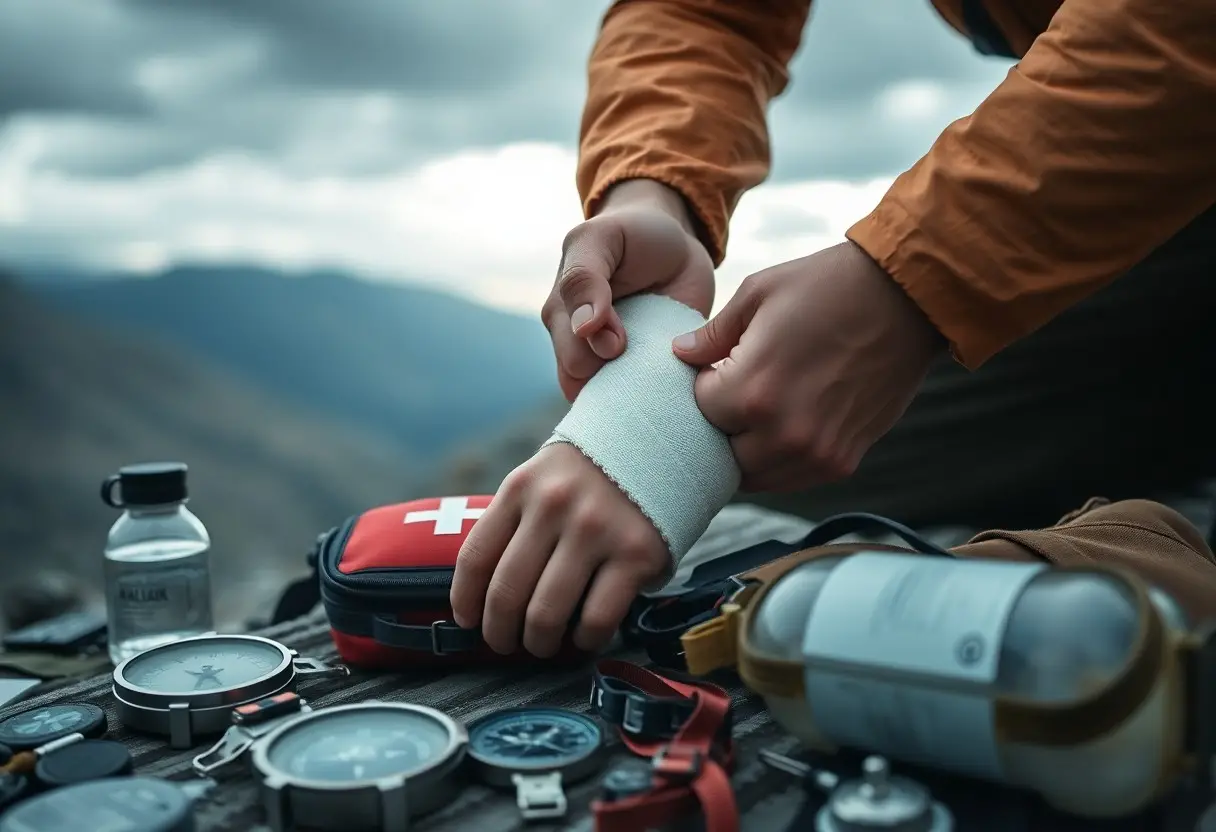
Your survival gear list should include items like a first-aid kit, water purification systems, emergency food rations, a flashlight, multi-tools, and a portable charger. Prioritize compact and lightweight gear for ease of transport. Investing in high-quality products can enhance your chances of survival significantly. Regularly inspect and update your gear to ensure it’s ready when you need it most, reinforcing your preparedness strategy. Essentials tailored to your specific risk factors further enhance your readiness for whatever challenges may arise.
True Survival Stories
Survival often hinges on quick thinking and preparation, and true survival stories showcase the resilience of the human spirit. Individuals in perilous situations have risen to the occasion, demonstrating resourcefulness and courage. Each account serves as a testament to the lessons learned through harrowing experiences, illustrating not only the fragility of life but also the strength within you when faced with adversity.
Overcoming Natural Disasters
Natural disasters can strike without warning, transforming lives in an instant. Survivors recount harrowing tales of hurricanes, floods, and wildfires, emphasizing the importance of readiness. From creating evacuation plans to securing vital supplies, these stories exemplify how foresight and action can make all the difference during times of chaos.
Survival in Remote Locations
Living far from urban centers introduces unique challenges that test your survival skills. Stories of people stranded in wilderness settings highlight ingenuity and resilience. Whether through foraging, building shelters, or signaling for help, you learn how to adapt and overcome obstacles in isolation, often discovering newfound strengths along the way.
Situations in remote locations frequently involve isolation that forces you to rely on your skills and instincts. Take the story of a hiker lost in the Rocky Mountains for over a week. With limited supplies, they used a combination of wild edible plants, a makeshift water filtration system, and layering techniques to survive freezing nights. The experience taught them not only practical survival skills but also the psychological endurance required when facing the vastness of nature alone. These real-life lessons demonstrate that survival extends beyond physical needs; mental fortitude plays a fundamental role in navigating such dire circumstances. The capability to maintain hope and devise a plan can ultimately lead to a safe return.
Mental Resilience in Crisis
Mental resilience serves as the backbone of survival during crises. Developing a mindset that enables you to remain focused and adaptable under pressure can significantly influence your ability to navigate challenges. Training your mind through scenarios, visualization techniques, and reflective practices cultivates a proactive approach, empowering you to confront disasters with clarity and purpose.
Staying Calm Under Pressure
The Role of Community Support
Key Lessons Learned
Surviving intense situations reveals vital lessons that can prepare you for future challenges. Your choices will often define the outcome, and understanding what works can significantly boost your resilience. Embracing these insights allows you to approach emergencies with a greater sense of control and confidence. Ultimately, the stories of those who have survived can serve as a roadmap for personal preparation and action.
Importance of Training
You gain a distinct advantage when you invest time in training. Practical drills sharpen your reflexes and decision-making skills under pressure, enabling you to respond effectively in dire situations. For example, individuals trained in CPR were able to save lives in emergencies, demonstrating that practice makes all the difference in life-threatening scenarios.
Adapting to Unexpected Situations
Your ability to adapt can mean the difference between survival and failure. Many survival stories illustrate how unexpected challenges can arise at any moment, requiring you to think on your feet. This flexibility stems from experience and a proactive mindset, allowing you to reassess your options quickly and effectively.
Survivors often faced scenarios they hadn’t anticipated, like sudden weather changes or equipment failures. For instance, a hiker who planned for sunny conditions but encountered unexpected rain learned to utilize available resources creatively, fashioning a makeshift shelter from nearby materials. This adaptability highlights the importance of maintaining a flexible mindset; circumstances can shift rapidly, and the best-prepared individuals are those who remain calm and resourceful, ready to modify their plans as needed. In survival, rigidity can hinder your success, while adaptability enhances your chances of staying safe and overcoming obstacles.
Practical Tips for Readiness
Every individual can enhance their readiness for emergencies through practical steps that provide both skills and confidence. Assessing your environment, gathering vital supplies, and cultivating a supportive network can make a significant difference during unforeseen events. Consider the following tips:
- Identify potential risks in your area.
- Assemble a kit with vital survival gear.
- Create an emergency contact list.
- Regularly review and update your supplies.
- Develop a support network with neighbors.
Recognizing your own vulnerabilities and taking action is the first step towards self-sufficiency in times of crisis.
Building a Survival Plan
A well-structured survival plan involves outlining specific strategies for various scenarios. Start by assessing the risks you might face—natural disasters, medical emergencies, or even home invasions. A solid plan includes escape routes, designated meeting points for family members, and an inventory of resources available to you. Incorporating communication protocols will ensure everyone knows how to reach one another during a crisis.
Regular Safety Drills
Regularly practicing safety drills helps you and your family internalize your survival plan. These simulated experiences allow you to address potential weaknesses in your strategy and develop a seamless response to real emergencies. Conduct drills for various scenarios, such as fire evacuations or severe weather responses, so that everyone feels familiar and comfortable with the procedures.
Incorporating safety drills into your routine can dramatically improve your readiness. Consider scheduling these exercises quarterly or biannually, ensuring all family members participate. Each drill not only reinforces the plan but also builds confidence in your decision-making abilities when under pressure. To maintain engagement and effectiveness, vary the scenarios and include discussions after each drill to evaluate what went well and what could improve during an actual emergency situation.
Final Words
As a reminder, the experiences shared in ‘Real Stories, Real Survival – Lessons from People Who Were Ready’ demonstrate the importance of being prepared for unforeseen challenges. You have the power to learn from these real-life accounts, enhancing your ability to respond effectively when adversity strikes. By internalizing these lessons, you can cultivate resilience and adaptability, ensuring you are equipped to face whatever life throws your way. Embrace your journey towards preparedness and let these stories inspire your path forward.


