
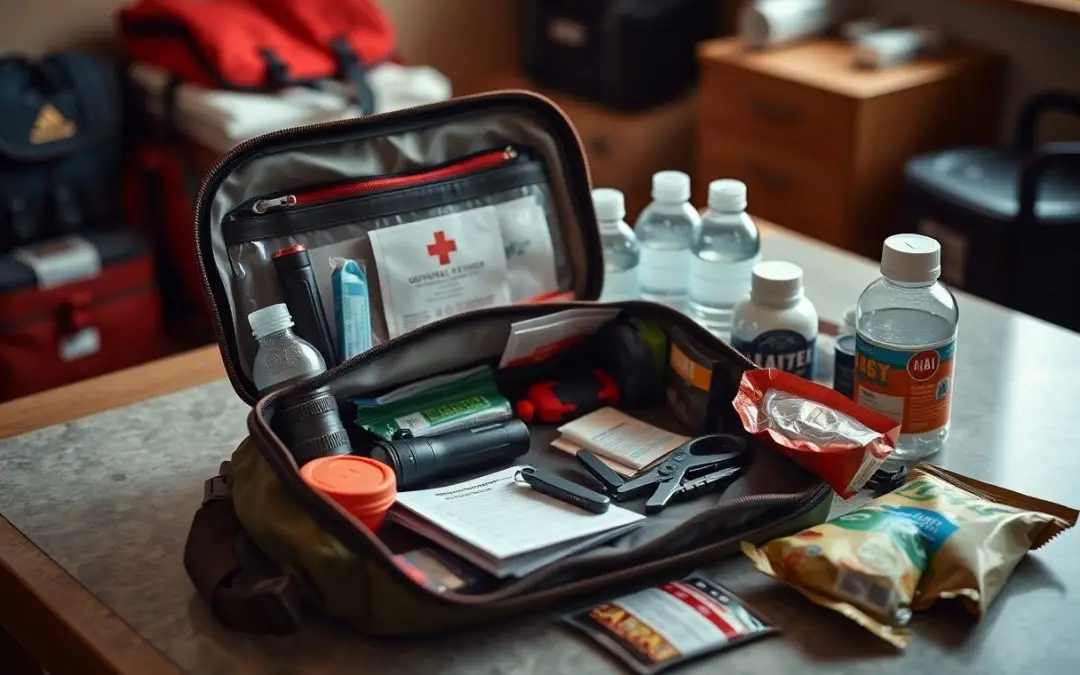
Over time, the supplies in your go bag can become outdated or depleted, which can compromise your preparedness in an emergency. It’s vital to regularly assess and refresh the items you have packed to ensure you’re always ready for any situation. In this guide, you will learn effective strategies for rotating your supplies, checking expiration dates, and augmenting your emergency gear. By following these steps, you can maintain a well-stocked and reliable go bag that meets your needs when it matters most.


Understanding Your Go Bag
For anyone preparing for unexpected emergencies, understanding your go bag is a vital first step. A go bag is a portable kit containing important supplies to support you in situations where you may need to leave your home quickly. Having a well-thought-out go bag ensures you are ready for a variety of scenarios, from natural disasters to extended travel. With the right items packed and regularly updated, your go bag will be an effective tool to keep you safe and self-sufficient.
Essential Items to Include
Little kits serve no purpose if they lack the importants. Include necessary items like water, non-perishable food, a first aid kit, important documents, and communication tools. It’s also wise to incorporate tools for shelter, warmth, and hygiene. Make sure your selections are practical and tailored to the specific situations you may face, ensuring readiness for whatever challenges arrive.
Assessing Your Needs
Little attention to your individual needs can lead to inadequately prepared go bags. Consider factors such as your location, lifestyle, and any unique circumstances that may affect your emergency requirements. Tailoring your go bag to suit your personal situation ensures you have the right gear and supplies to effectively navigate emergencies.
It is important to evaluate your specific circumstances when assessing your needs for a go bag. Think about your geographical area, potential natural disasters, family size, and travel habits. For instance, if you live in a hurricane-prone region, prioritize items that can help you withstand harsh weather conditions. Likewise, if your family includes children or elderly individuals, be sure to pack items that cater to their needs as well. Periodic assessments will help ensure your go bag remains relevant and practical in any situation.
How to Rotate Supplies
There’s a significant importance in regularly rotating the supplies in your go bag to ensure that everything remains fresh and functional. Over time, items can expire, batteries can drain, or tools can become rusty if they aren’t regularly checked and maintained. By taking proactive steps to review and update your supplies, you can be fully prepared for any emergency that may arise, giving you peace of mind and confidence in your go bag.
Establishing a Rotation Schedule
Rotate your supplies effectively by establishing a rotation schedule. This can be done monthly or quarterly, depending on the types of items you store. Determine key dates for reviewing your supplies, ensuring that you replace any expired items and batteries, and validate the efficiency of everything in your go bag. Keeping a checklist can simplify this process and help maintain an organized system.
Best Practices for Rotating Consumables
Supplies in your go bag, such as food, medications, and batteries, should be rotated consistently to prevent waste and ensure readiness. It’s advisable to follow the “first in, first out” principle—consume or utilize the oldest items first. Additionally, label items with expiration dates and your rotation dates to keep track of what needs to be replaced. Store items in a cool, dry place to extend their shelf life and reduce the chance of spoilage.
Rotation of consumables is not just about replacing expired items, but also ensuring that everything meets safety and functionality standards. Consider keeping an updated inventory of your go bag supplies, noting expiration dates, and checking the inventory regularly. This helps you stay organized and ensures you have everything you need in the event of an emergency. Engage your family by involving them in the rotation process, making it a collective effort to stay prepared.
Tips for Refreshing Your Go Bag
After assessing your go bag, there are several tips to help you refresh its contents efficiently:
- Check expiration dates on food, medications, and batteries.
- Replace any items that have been used or are damaged.
- Consider seasonal changes and tailor your supplies accordingly.
- Keep a list of items to streamline your refreshing process.
Thou shalt keep your go bag ready for any situation that may arise.
Sentimental vs. Practical Items
While it’s natural to attach sentimental value to certain items, it’s imperative to prioritize practicality in your go bag. Evaluate each item based on its utility in an emergency. Only keep those items that genuinely enhance your safety and comfort while discarding or storing sentimental items elsewhere. This will ensure your go bag remains functional and space-efficient.
Staying Updated with Current Needs
Tips to stay current with what your go bag needs are vital to its effectiveness. As your life circumstances change, so do your emergency requirements. Regularly reassess your go bag to align its contents with factors such as family size, health needs, or location risks. Adapt as necessary to ensure you have what you’ll truly need when faced with an emergency situation.
Practical adjustments to your go bag will keep it aligned with your current lifestyle and preparedness goals. Consider any new hobbies, medical conditions, or changes in your family dynamics that may require additional supplies. Assess what worked in the past and what didn’t, allowing you to refine your approach and ensure you are adequately prepared for any unforeseen events.
Factors to Consider
Despite your best efforts in maintaining your go bag, various factors can influence when and how you should refresh its supplies. Consider the following:
- Frequency of use
- Expiration dates of items
- Seasonal changes
- Your personal lifestyle and location
Any of these factors can impact the effectiveness of your emergency supplies.
Seasonal Changes
The changing seasons bring different weather conditions, which may require you to update your go bag regularly. For example, in winter, you’ll need items such as thermal blankets, warmer clothing, and perhaps extra food suited for colder temperatures. Conversely, summer might necessitate hydration packs and sunscreen to protect you from the sun’s harsh rays.
Personal Lifestyle and Location
While you may be prepared for general emergencies, your unique lifestyle and environment significantly affect what supplies you need in your go bag. For instance, if you live in an urban area, you might prioritize items for crowded situations or urban evacuation routes. Conversely, if you reside in a rural setting, your needs may lean towards outdoor survival gear.
Consider your daily activities, such as commuting or outdoor adventures, and how they might impact your preparedness. Are you often in remote areas where help could be far away, or do you live in a high-risk zone for natural disasters? Tailoring your supplies to accommodate both your lifestyle and potential risks in your location ensures your go bag remains effective in any situation.
Maintenance of Your Go Bag
Unlike a standard bag, your go bag requires ongoing maintenance to ensure it’s always ready for an emergency. Regular inspections and updates are necessary, as supplies can expire or degrade over time. By committing to regular maintenance, you can ensure your go bag remains a reliable resource when you need it most.
Regular Checks and Updates
Some items in your go bag may have expiration dates, like food and medications, so it’s necessary to schedule routine checks. Aim to review your supplies at least twice a year. During these checks, replace expired items and assess the overall condition of your gear, ensuring everything is functional and ready for action.
Proper Storage and Care
With appropriate storage and care, your go bag can remain in peak condition. Store it in a cool, dry place away from direct sunlight and moisture, as these elements can weather your supplies and gear. Regularly clean the bag to prevent mildew and ensure it remains in good shape.
It’s important to inspect your go bag for any signs of wear or damage. Make sure zippers and straps are functional and that the bag’s integrity is intact. Additionally, regularly wipe down the exterior to remove dust and debris, ensuring it doesn’t harbor any pests. Keeping your go bag clean and well-maintained enhances its durability and reliability when the time comes to use it.
Conclusion
Presently, maintaining a well-prepared go bag involves regularly rotating and refreshing your supplies to ensure they remain effective and usable when needed. You should schedule routine checks, replacing expired items and adding new necessities that fit your evolving needs. Prioritize important tools, food items, and first-aid supplies, and personalize your bag according to your lifestyle and potential scenarios. By committing to this process, you enhance your readiness and peace of mind in the face of unforeseen events.


