
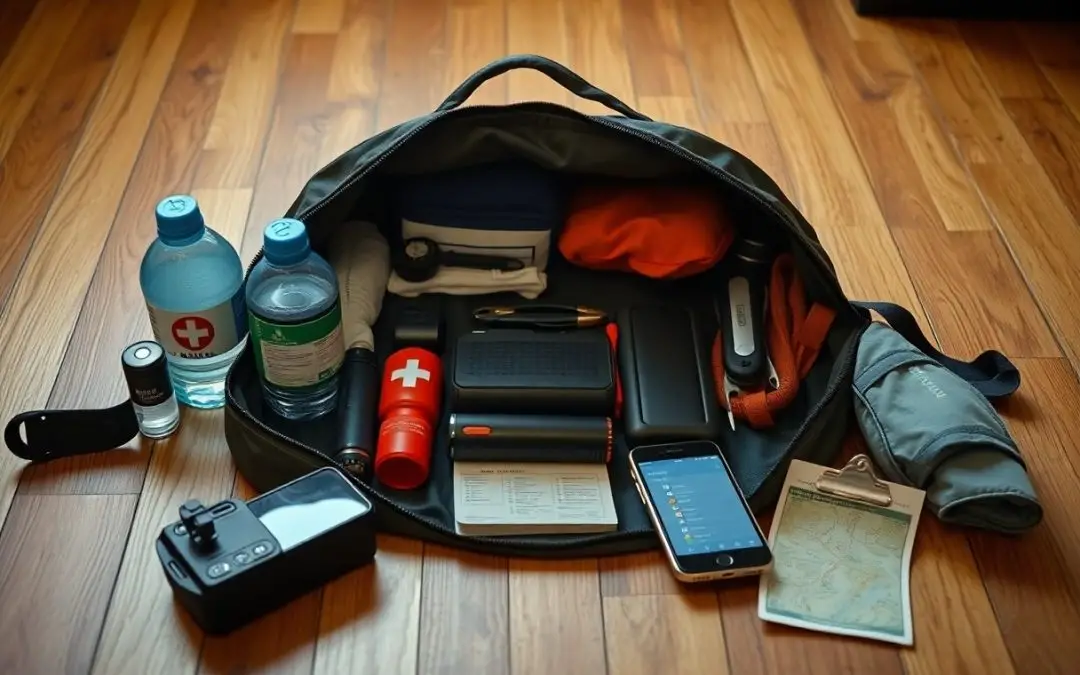

Just pack a smart go bag so you can access necessarys quickly during evacuations; include water, medical supplies, charged power, and documents, and review contents regularly to keep readiness practical and efficient.
The Strategic Role of the Go Bag
You position the go bag as your immediate-response hub, stocked for fast departure and basic survival until help arrives or you reach safety. It reduces hesitation, protects vitals, and gives you a clear action step when seconds count.
Defining Immediate Evacuation Requirements
Assess your evacuation needs: include mobility aids, medications, key documents, cash, and supplies for children or pets; prioritize what you can grab in minutes to avoid hesitation.
Integrating the Bag into a Broader Safety Plan
Coordinate the go bag’s location, communication plan, and family roles with regular drills and mapped routes so the bag supports your full emergency strategy.
Plan routine checks of contents and expiration dates, assign family roles for grabbing the bag, and rehearse routes and rendezvous points so everyone knows when to move. Add digital backups of IDs and contact lists, store duplicates at alternate locations, and update the bag seasonally to reflect changing medical or comfort needs.
Core Life Support: Water and Sustenance
Water and calories in your go bag keep you functional during disruptions; you should prioritize one gallon per person per day and compact emergency meals matched to activity level.
Portable Filtration and Purification Methods
Portable filters and chemical tablets let you treat unknown sources on the move; carry a pump or straw filter plus iodine or chlorine tablets to cover different contaminants and provide a backup option.
Nutritional Density and Shelf-Life Selection
Choose nutrient-dense, ready-to-eat foods that pack calories and micronutrients into small space; include high-protein bars, dehydrated meals, and powdered milk or protein to sustain energy without refrigeration.
Rotate supplies every six to twelve months, tasting and replacing items as needed; you should label purchase dates, store foods away from heat, and keep alternatives for allergies or special diets.
Medical Readiness and Trauma Care
You should equip your go bag with bleeding-control tools, airway adjuncts, PPE, and quick-reference trauma instructions; add AED access plan and compact splinting supplies so you can stabilize injuries until help arrives, and train regularly on tourniquet and wound management techniques.
Essential Components of a Tactical First Aid Kit
Include a tourniquet, hemostatic gauze, chest seal, occlusive dressings, airway adjunct, nitrile gloves, compression bandage, SAM splint, adhesive tape, and a compact CPR mask so you can address severe bleeding, penetrating chest wounds, and airway compromise.
Managing Chronic Health Needs in Transit
Pack extra prescriptions, a 7-14 day supply if possible, medication lists, dosing schedules, and copies of prescriptions; include insulin coolers, spare inhalers, and extra batteries or backup power for devices so you maintain continuity while on the move.
Keep medications in original labeled containers, set alarms for dosing, store temperature-sensitive meds in insulated pouches with temperature indicators, carry a clinician letter and emergency contact list, and arrange refills at trusted pharmacies along your route to prevent gaps in therapy.
Communication and Navigation Infrastructure
Your go bag should include a handheld radio, spare SIM cards, offline maps, and a compass so you can stay in touch and find direction when cell networks falter.
Redundant Power Sources and Battery Management
Carry a solar charger, a high-capacity power bank, extra AA/AAA batteries, and a compact multi-port charger so you can rotate power sources and extend device uptime during outages.
Physical Mapping and Emergency Signaling Devices
Keep waterproof paper maps, a reliable compass, whistle, signal mirror, and chemical or LED flares so you can mark routes and summon assistance if electronics fail.
Include pre-marked routes, grid coordinates for meeting points, and practice simple signal patterns; you can use mirror flashes, whistle blasts, or coded flare sequences to communicate location and status.
Shelter and Personal Protection
Shelter options in your go bag should include a compact tarp or bivy, an emergency blanket, sturdy gloves, and eye protection so you can block wind, rain, and flying debris while treating minor wounds.
Compact Weatherproofing and Insulation Gear
Pack lightweight, waterproof layers, a compact insulated sleeping pad, and a foil blanket so you can retain heat and stay dry without sacrificing space.
Selecting Durable, Multi-Functional Apparel
Choose breathable, quick-dry base layers, a weatherproof outer shell, and convertible pieces so you can adjust warmth, shed moisture, and reduce baggage weight.
Layering lets you fine-tune temperature; include merino or synthetic base layers, an insulating midlayer like fleece, and a tough outer shell with taped seams so you can handle rain and wind. Pack convertible pants, gaiters, and a lightweight hooded jacket so you can adapt to varied conditions while keeping weight low. Carry repair tape and spare buttons so you can make field repairs.
Administrative Security and Financial Assets
You should include copies of IDs, account numbers, insurance policies, and contact lists in your go bag, plus encrypted digital backups and a small emergency cash stash. Keep legal documents like POA or wills readily accessible and marked for authorized use.
Digital and Physical Document Redundancy
Store encrypted scans in cloud storage and on a password-locked USB placed in your go bag, while keeping physical copies sealed in waterproof sleeves. You should label files for priority access and share retrieval instructions with one trusted contact.
Liquid Asset Management for Crisis Scenarios
Keep a mix of small-denomination cash, prepaid cards, and accessible bank transfers available, and stagger storage locations so you can access funds if one option fails. You should know ATM, POS, and mobile payment contingencies in your area.
Allocate emergency cash in small denominations for immediate needs, store prepaid and reloadable cards for broader purchases, and maintain at least one bank account with quick-transfer capability. You should split funds between on-person, concealed bag pockets, and an off-site secure location, update access credentials regularly, and document recovery steps for an authorized contact.
Summing up
Your smart go bag makes preparedness practical and immediate; you ensure imperatives, documents, and medications are ready so you can act confidently during disruptions. Regular checks, tailored contents, and clear priorities keep the bag effective for your needs.


