
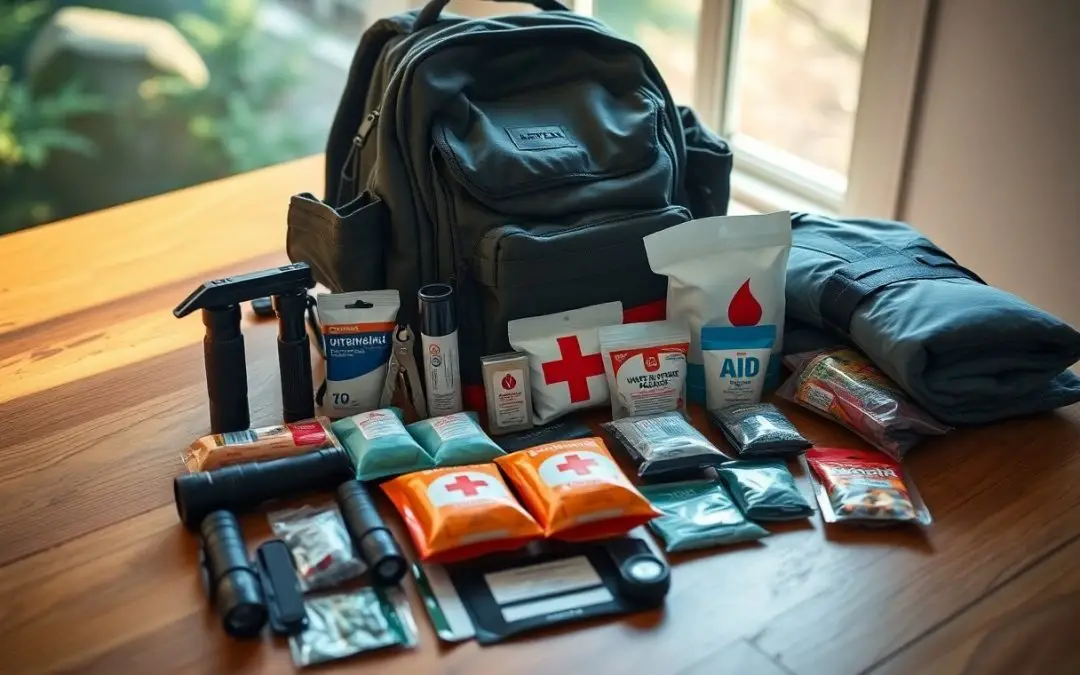
Most emergencies and natural disasters come unannounced, leaving you vulnerable and unprepared. With our survival kits, you can equip yourself with the important tools and supplies needed to face any situation confidently. Whether it’s for camping, natural disasters, or everyday unexpected events, these kits ensure you have what you need at your fingertips. Prioritize your safety and peace of mind by staying ready for whatever life throws your way.

The Essential Components of a Survival Kit
A well-equipped survival kit is vital for confronting unexpected emergencies. Your kit should encompass items that enable you to respond effectively, regardless of the situation. These components typically include first aid supplies, navigation tools, fire-starting equipment, shelter materials, and the means to signal for help. Each item should be tailored to your specific environment and potential threats you may face, ensuring that you remain prepared for any circumstance that arises.
Must-Have Gear for Every Situation
Your survival kit should contain versatile gear to handle a variety of situations. A multi-tool provides utility for countless tasks, while a reliable flashlight illuminates the way during power outages or nighttime emergencies. A whistle is necessary for signaling for help, and waterproof matches or a lighter are necessary for starting fires. Additionally, a portable charger for your devices can keep communication open in a crisis.
Food and Water Considerations
Access to food and water is non-negotiable in survival scenarios. Including non-perishable food items such as energy bars, dehydrated meals, and canned goods will sustain you during emergencies. Additionally, having a sufficient supply of water or water purification tablets can make a life-saving difference. Your plan should account for at least one gallon of water per person per day, providing hydration and the means for cooking food.
In a survival situation, prioritizing food and water can significantly enhance your chances of enduring prolonged stress. Non-perishable options like freeze-dried meals offer a long shelf-life without refrigeration and are lightweight for easy transportation. Water storage is equally critical; consider portable water filtration systems or purification tablets, capable of converting unsafe sources into drinkable water. A functional hydration strategy ensures you maintain energy levels and stay alert during unexpected events, safeguarding your well-being.

Tailoring Your Survival Kit to Specific Scenarios
Choosing the right survival kit involves assessing specific scenarios you might face. For instance, prepare for natural disasters like hurricanes or earthquakes with supplies that include water pouches, non-perishable food, first aid gear, and communication tools. Alternatively, if you’re more concerned about civil unrest or home invasions, focus on self-defense items, personal safety gadgets, and contingency plans. By customizing your kit for various emergencies, you ensure you’re not just prepared, but strategically equipped to handle the situation at hand.
Urban vs. Rural Preparedness
Your environment significantly impacts your survival kit’s contents. In urban settings, prioritize items like portable phone chargers, compact food supplies, and lightweight emergency blankets. These are imperative due to space constraints and the proximity of other people. In rural areas, focus on tools for shelter building, hunting gear, and water purification systems, as resources may be further away, and self-sufficiency is paramount.
Family Needs and Special Requirements
Considering family dynamics and individual needs shapes effective preparedness. Families with young children should include items like diapers, baby food, and age-appropriate activities to maintain morale. If caring for elderly family members, stock necessary medications and assistive devices. For pets, don’t forget their imperatives, including food and comfort items. By addressing these unique requirements, you enhance your family’s overall resilience during emergencies.
In-depth assessment of family needs means evaluating specific medical conditions, dietary restrictions, and emotional support needs. For example, family members with allergies will require allergen-free snacks, while those with mobility issues might need mobility aids in their kits. Tailoring your kit with these considerations ensures not only physical safety but also the emotional well-being of everyone involved, fostering a sense of security in dire situations.
The Psychology of Preparedness: Staying Calm Under Pressure
Preparedness involves more than just physical supplies; it encompasses mental readiness. In high-pressure situations, your ability to stay calm can significantly influence outcomes. Emotions can run high in emergencies, but a prepared mindset allows you to assess situations clearly and make informed decisions. By anticipating challenges and practicing your responses, you develop a mental framework that helps mitigate fear and anxiety, ensuring you remain focused and effective when every second counts.
Building Mental Resilience
Mental resilience is your capacity to adapt and bounce back from adversity. It involves cultivating self-awareness, developing coping strategies, and maintaining a positive outlook despite stressors. Engaging regularly in mindfulness practices, journaling, or discussing experiences with supportive networks can strengthen your ability to handle unforeseen challenges. The more you practice these techniques, the more instinctive they become, allowing you to navigate emergencies with confidence and poise.
The Importance of Training and Practice
Training and practice are crucial components of effective preparedness. Regularly rehearsing emergency scenarios—whether through drills, simulations, or real-world experiences—sharpens your skills and reinforces your ability to react decisively. Engaging in activities like first aid courses and survival workshops not only imparts knowledge but also builds muscle memory, enabling you to perform critical tasks instinctively under pressure. Exposure to realistic situations enhances familiarity, reducing panic and increasing your overall effectiveness during actual emergencies.

Real-Life Stories: Survival Kit Successes and Lessons Learned
Many individuals have faced emergencies where their preparedness made all the difference. These real-life stories highlight the effectiveness of survival kits in various scenarios, from natural disasters to everyday crises, showcasing the importance of being equipped for the unexpected. Each account serves as a reminder of how preparedness can lead to successful outcomes, influencing others to take proactive measures in their own lives.
Testimonials from Prepared Individuals
Your peers have shared powerful testimonials about how survival kits saved their lives or eased their fears during unexpected events. One individual recounted how their family was able to stay safe and comfortable during a week-long power outage after a severe storm, thanks to their well-stocked emergency kit. These stories resonate with a community built on preparedness and highlight the value of having the right tools on hand when disaster strikes.
Lessons from Emergency Situations
Each emergency scenario reveals valuable lessons about survival strategies and readiness. Many individuals discovered that having a portable water filtration system made a significant difference in their ability to stay hydrated after a natural disaster. Similarly, the inclusion of non-perishable food items led to better nutrition and morale during times of crisis. Such experiences emphasize the need for tailored survival kits to suit specific environments and potential threats, ensuring that you can address various emergencies effectively.
Analyzing mistakes and successes from past emergencies helps refine future preparedness efforts. Survivors noted that kits lacking important medical supplies caused unnecessary stress and complications. By documenting these experiences, you can avoid common pitfalls, such as inadequate planning and outdated content in your kits. Tailoring your survival kit to your unique location and circumstances will enable you to respond confidently when faced with unforeseen challenges, ultimately boosting your resilience and safety in critical situations.
Maintaining and Updating Your Survival Kit
Regular maintenance and updates will ensure your survival kit is always ready for any situation. Set a schedule—ideally every six months—to inspect each item, checking expiration dates and replacing any used or damaged supplies. Keeping your kit organized and accessible will save you time and stress in an emergency, allowing you to react swiftly and effectively when it matters most.
Regular Check-Ups and Inventory
Conducting regular check-ups and maintaining an inventory list of your survival kit contents is vital. Create an organized checklist of items to evaluate during each inspection, ensuring all necessarys like food, water, first aid supplies, and tools are in good condition and adequately stocked. This practice helps you stay prepared, catching any potential shortfalls before they become an issue.
Adapting to Changing Needs and Environments
Your survival kit should reflect changing personal circumstances and environmental factors. For instance, if your family grows or your location shifts to a different climate, reassess your supplies accordingly. Adapting your kit may involve adding items specific to natural disasters common in your area or replacing gear with more suitable options as your skills and preferences evolve.
Consider shifting priorities and how lifestyle changes influence your preparedness needs. If you’ve moved to a region prone to floods, stock up on waterproof gear and additional supplies to cope with water damage. Likewise, as family members change—dad becoming a veteran hiker, a growing child needing different clothing sizes—ensure your kit contains relevant items, like child-sized first aid supplies or activities that keep kids engaged during disruptions. Understanding these dynamics allows you to tailor your kit, ensuring it meets your family’s specific requirements at any point in time.
Summing up
Upon reflecting, staying prepared is vital for your safety and peace of mind. Our survival kits equip you with necessary tools and resources to handle emergencies effectively. By investing in these kits, you ensure you and your loved ones can respond promptly to any situation, enhancing your ability to navigate challenges with confidence. Prioritize your readiness and safety today; with our survival kits, you’re not just prepared—you’re empowered.


