
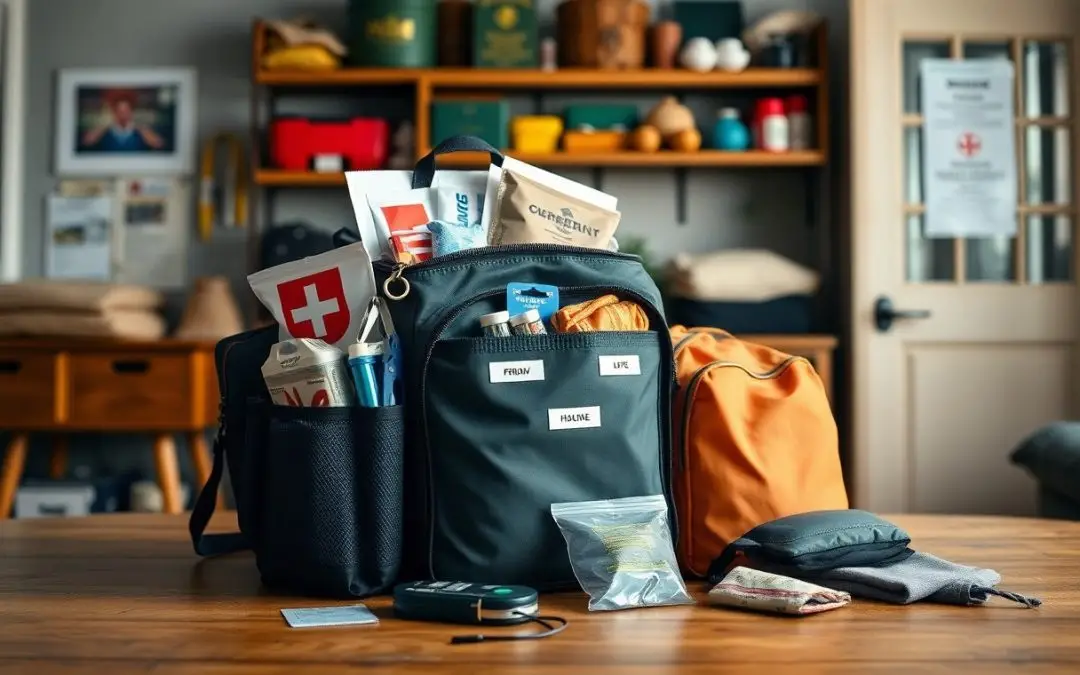
Just because you have a go bag ready doesn’t mean you’re fully prepared for emergencies. While the gear inside is important, your survival plan begins at home with knowledge, communication, and a support network. Understanding how to effectively use the items in your go bag, as well as having clear plans for various situations, will empower you and your family. This post dives into why your go bag represents more than just supplies and how you can enhance your readiness before an emergency strikes.
The Concept of a Go Bag
Definition and Purpose
A go bag is a pre-packed emergency kit designed for quick evacuation during disasters or emergencies. Its primary purpose is to provide you with important supplies like food, water, medications, and tools for survival, enabling you to leave your home swiftly and safely. Having a go bag prepared ensures you’re equipped to face unforeseen circumstances without unnecessary delays.
Common Misconceptions
Many people believe a go bag is solely about packing gear for natural disasters, overlooking its broader significance. Some think it only needs to contain survival tools, while others assume it’s unnecessary if they live in a low-risk area. This limited perspective can leave you unprepared when unexpected situations arise, regardless of your environment.
The reality is that a go bag serves multiple purposes beyond just emergencies like floods or fires. You might be caught in a civil disruption or need to evacuate due to a health crisis. Furthermore, a well-rounded go bag considers personal needs, such as specific medications, pet supplies, or documents. Tailoring your go bag to your unique circumstances ensures that it becomes a versatile resource, minimizing the risk of being unprepared when the need arises.
Essential Components of a Go Bag
Your go bag should be a well-thought-out collection of items that meet your immediate survival needs. At a minimum, it should include food, water, first aid supplies, and necessary tools. Each component plays a specific role in ensuring your safety and comfort during emergencies, whether you’re facing natural disasters, extended power outages, or unexpected evacuations. A well-stocked go bag can significantly increase your chances of staying safe until help arrives.
Basic Gear and Supplies
Your go bag must contain basic necessities such as non-perishable food, at least one gallon of water per person per day, a first aid kit, a flashlight, and a multi-tool. These necessarys provide the foundation for your survival strategy and should be chosen based on both weight and durability. Opt for packaged food that offers sufficient calories and easy preparation methods to ensure you remain nourished and energized.
Personalization for Individual Needs
Tailoring your go bag to suit individual needs enhances its effectiveness. Consider factors such as personal health conditions, family size, and pet requirements in your assessment. For example, if you have children, include items like baby formula, diapers, or comfort items. Adjust the medical supplies in your kit based on existing prescriptions or chronic conditions, ensuring you have the necessary medications and treatment supplies readily accessible.
Furthermore, consider the unique circumstances faced by each member of your household. If someone requires mobility assistance or has allergies, include specialized tools or medications that cater to these requirements. For example, individuals who rely on inhalers should carry extra inhalers or a portable nebulizer. Customizing your go bag not only boosts its utility during emergencies but also instills confidence in your preparedness strategies.
The Importance of Home Preparation
Home preparation establishes a foundation for your safety and resilience during emergencies. A well-organized space, stocked with necessary supplies and a solid plan, enhances your ability to endure and respond effectively to unexpected situations. By prioritizing home readiness, you’re not only protecting yourself but also your loved ones, ensuring a safer environment and a higher chance of survival.
Assessing Risks and Vulnerabilities
Understanding the specific risks your home faces is vital for effective preparation. Evaluate factors such as natural disasters relevant to your area, crime rates, and indoor hazards. Conducting a thorough assessment helps you identify vulnerabilities, enabling proactive measures that significantly enhance your safety and readiness in various scenarios.
Creating a Family Emergency Plan
A family emergency plan outlines the steps everyone should take during a crisis, helping to avoid panic and confusion. It includes communication methods, meeting points, and responsibilities for each family member, ensuring everyone is prepared and knows what to do. Regularly practicing this plan enhances familiarity and confidence.
Detail your emergency plan by assigning specific roles to each family member, ensuring everyone is aware of their responsibilities. Include communication strategies, such as using group texts or designated out-of-area contacts, so that you can connect even if local networks are down. Identify safe meeting points inside and outside your home, allowing your family to regroup quickly during a crisis. Regularly review and practice your plan together to reinforce these strategies, adapting as necessary based on changing situations or family dynamics.
Practical Tips for Building Your Go Bag
Creating an effective go bag involves selecting the right items tailored to your personal needs and circumstances. Start by choosing a durable, lightweight backpack that’s easy to carry. Include vitals such as water, non-perishable food, first aid supplies, a flashlight, and a multi-tool. Regularly check the contents and ensure everything is functional and intact. Personalize your bag with items that are specific to your lifestyle, location, and family size. This guarantees you’re truly prepared when it matters most.
- Choose a sturdy bag for durability.
- Include a water filtration system.
- Pack temperature-appropriate clothing.
Budget-Friendly Tips
Building your go bag doesn’t have to break the bank. Start with items you already own, such as old backpacks, blankets, or tools that can be repurposed for survival. Look for sales at outdoor stores or online for discounts on vital gear. Bulk purchasing non-perishable food can also reduce costs significantly. Local thrift stores may have useful items like flashlights or first aid kits at a fraction of the price. The key is to be resourceful and prioritizing necessary items ensures you maximize every dollar spent.
- Repurpose items you already own.
- Shop sales and clearance events.
- Visit thrift shops for discounted gear.
Regular Maintenance and Updates
Consistent maintenance of your go bag is vital for ensuring its effectiveness when emergencies arise. Every six months, review the contents for expiration dates and replace any perishable items like food and batteries. Also, reassess your situation; family needs may change due to new additions or relocations. Test equipment like flashlights and fire starters to verify functionality. Regular updates to your bag help maintain your preparedness level and adapt to evolving personal scenarios.
Psychological Preparedness
Preparedness extends beyond physical supplies; your mental state plays a vital role in effective survival. Anxiety and panic can impair decision-making, especially in emergencies. Cultivating a mindset of readiness allows you to respond effectively to crises, ensuring you don’t just act, but act wisely. Regularly reflecting on potential scenarios and processing your feelings about them can enhance your ability to stay calm and focused when chaos ensues.
Building Confidence and Resilience
Developing confidence in your abilities is necessary for effective crisis management. Engage in activities that challenge you physically and mentally, such as outdoor survival courses or team-building exercises. By confronting small challenges, you foster resilience and build a belief in your capacity to navigate more significant emergencies, shaping a mindset that views obstacles as surmountable.
Training and Drills
Conducting regular training and drills fortifies your preparedness, allowing you to practice skills and strategies under pressure. Familiarize yourself with emergency procedures, use your gear effectively, and ensure that everyone in your household knows their roles during a crisis. Simulating scenarios—like fire evacuations or natural disasters—can teach you how to maintain composure and act decisively. Maintaining a log of these drills also helps in tracking progress and areas needing improvement.
Setting up drills that mimic real-life scenarios can enhance your response time and decision-making abilities. For instance, practice how to evacuate your home rapidly or perform first aid on someone in your household. Invite friends or family to participate, fostering group cohesion and encouraging collective problem-solving. Regular debriefs after each drill can help you assess what went well and what needs refinement, contributing to overall skill development in a realistic and engaging manner.
Beyond the Go Bag: Community Resources
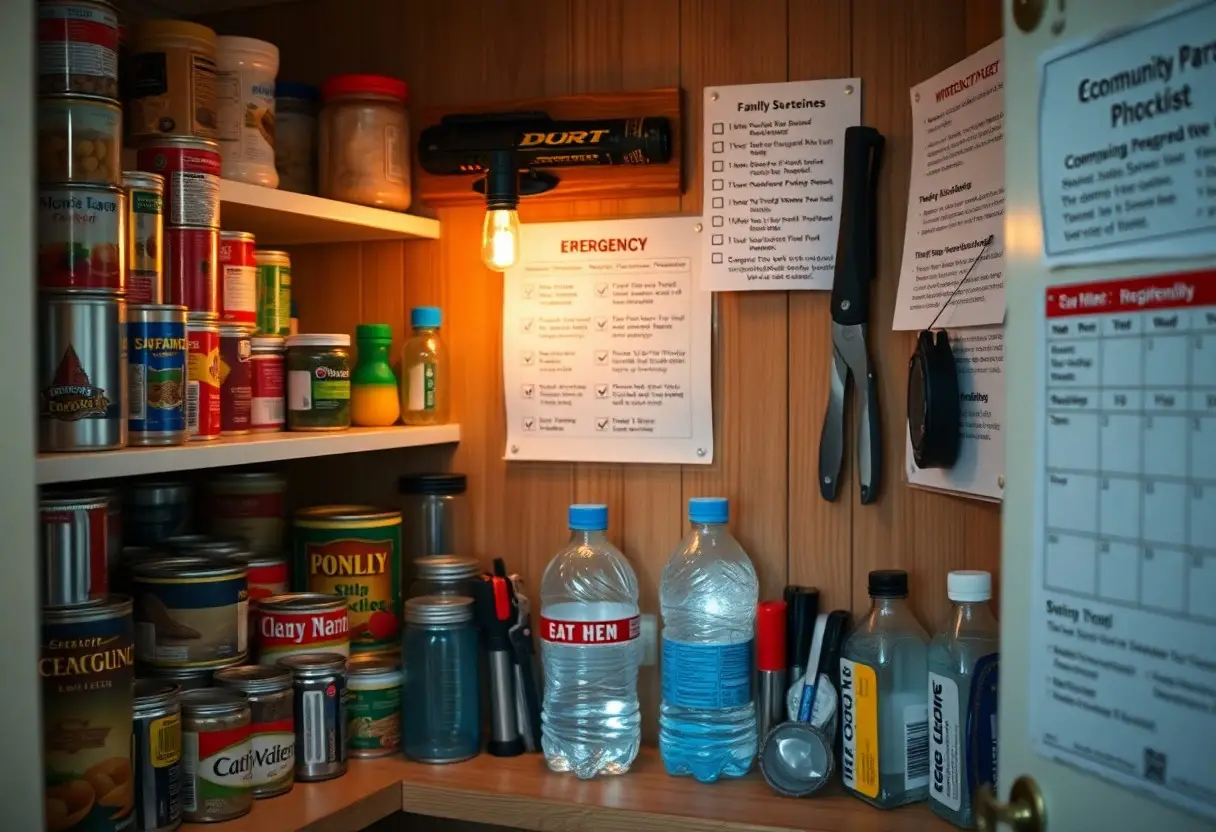
A well-rounded survival strategy incorporates local resources and support networks, enhancing your ability to withstand crises. Your go bag becomes even more powerful when combined with community efforts, leading to stronger preparedness and collective resilience against any emergency scenario.
Local Support Networks
Tapping into local support networks can significantly boost your emergency readiness. Connect with neighborhood groups, faith-based organizations, or community centers to access resources, information, and assistance during challenges. Collaborative relationships can provide emotional support and practical help when you need it most.
Leveraging Community Preparedness
Enhancing your preparedness involves engaging with community initiatives designed to tackle local risks. Participate in training sessions and drills organized by local emergency services or community organizations. These practical exercises not only build your skills but establish vital connections with neighbors who can assist during emergencies.
Community preparedness initiatives often include workshops on first aid, fire safety, and evacuation plans, allowing you to gain valuable knowledge directly applicable in crisis situations. For instance, neighborhoods that conduct regular emergency response drills report a 30% increase in community resilience. Additionally, establishing communication channels among residents ensures timely information dissemination, making collective action smoother during emergencies. By actively engaging with these resources, you contribute to a safer, more prepared community overall.
Conclusion
Conclusively, understanding that survival begins at home emphasizes the importance of a well-prepared go bag, which is more than just gear; it’s a reflection of your readiness for emergencies. You must ensure that your go bag contains not only crucial supplies but also serves as a reminder of the proactive steps you take for your safety and that of your loved ones. By prioritizing your preparedness, you empower yourself to face unforeseen challenges effectively and confidently, enhancing your peace of mind in uncertain times.


