
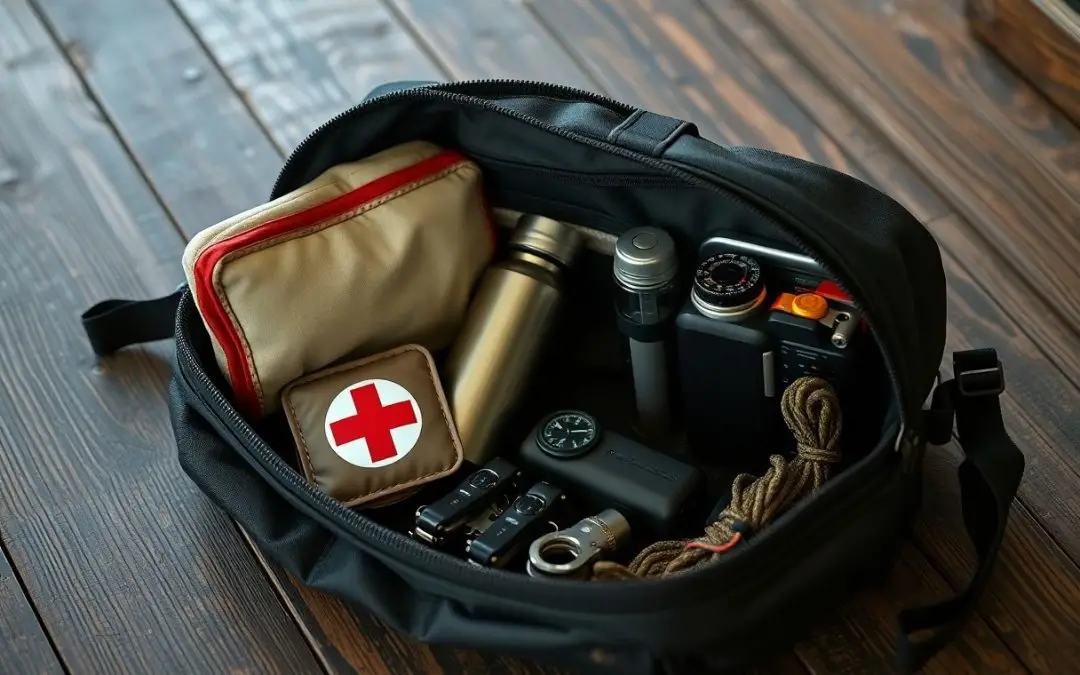
With a compact go bag containing shelter, water, nonperishable food, first aid, tools, light, and communication gear, you maintain emergency readiness; choose multipurpose items, durable packaging, and schedule routine inspections to keep supplies reliable.
Hydration and Nutrition Systems
Pack multiple water-treatment options, insulated containers, and calorie-dense rations so you can maintain energy and hydration during prolonged evacuations.
Portable Water Filtration and Storage
Select compact filters, UV purifiers, and collapsible bladders so you can treat sources on the move and store several liters safely.
High-Calorie Emergency Food Rations
Choose long-shelf-life, high-calorie bars, meals, and compressed food packs that give you sustained energy with minimal prep.
Rotate rations regularly, choosing nutrient-dense options like MREs, peanut-based bars, and dehydrated meals; you should aim for 2,000-3,000 calories per person per day and account for dietary restrictions plus water needed for reconstitution.
Shelter and Environmental Protection
Shelter items in your go bag should block wind, rain and cold while remaining compact and quick to deploy for short- or long-term protection.
Compact Bivvy and Emergency Tarp Systems
Bivvy sacks and emergency tarps give you waterproof cover and can be rigged as lean-tos, shelters or ground sheets while adding minimal bulk.
All-Weather Tactical Clothing and Footwear
Clothing that wicks moisture, insulates when wet and resists wind helps you maintain core temperature; pair with supportive boots for varied terrain and prolonged movement.
Choose layering that includes a moisture-wicking base, an insulating midlayer and a shell with taped seams for waterproof breathability. You should select boots with ankle support, aggressive soles and room for thicker socks, testing them loaded and replacing insoles or worn components before they fail.
Advanced First Aid and Medical Supplies
Pack an advanced first-aid kit that includes wound care, burn dressings, airway adjuncts, diagnostic tools, and infection-control items so you can manage complex injuries when professional help is delayed.
- Tourniquet and hemostatic dressings
- Chest seal and airway adjuncts
- SAM splint and immobilization supplies
- Epinephrine auto-injector and prescription meds
- Suture kit and sterile instruments
- BP cuff, thermometer, pulse oximeter
- Antiseptics, gloves, N95 masks
- Burn dressings and cooling gels
Medical Kit Breakdown
| Component | Purpose |
|---|---|
| Tourniquet | Control arterial bleeding |
| Hemostatic gauze | Promote rapid clotting |
| Chest seal / airway adjuncts | Manage open chest wounds and maintain airway |
| SAM splint / immobilizer | Stabilize fractures and sprains |
| Medications | Pain relief, antibiotics, epinephrine |
| Diagnostics | Assess vitals and oxygenation |
Trauma Management and Essential Medications
Store a tourniquet, hemostatic dressings, chest seals, airway adjuncts, and a compact splint; carry epinephrine and prescribed antibiotics so you can control life-threatening bleeding and respiratory compromise.
Sanitation and Personal Hygiene Kits
Assemble soap, hand sanitizer, pH-balanced wipes, menstrual supplies, toothbrushes, and sealed waste bags so you can prevent infection and maintain hygiene during extended displacement.
Ensure you include compact waterless options, disposal zip bags, odor-control packets, and a small supply of biodegradable soap so you can manage waste and personal care with minimal water.
Navigation and Communication Tools
Your go bag should include compact tools for position finding, route planning, and contact when networks fail, balancing paper maps and compasses with GPS and spare batteries to keep you informed and reachable.
Analog and Digital Orientation Devices
Carry a quality magnetic compass, paper maps of local regions, and a GPS with extra batteries so you can orient yourself without cellular service.
Emergency Radio and Signaling Equipment
Use a hand-crank or battery AM/FM/NOAA radio, a compact signal mirror, and a high-decibel whistle so you can send and receive critical updates when other systems fail.
Always test and program radios before travel, carry extra batteries or a solar charger, learn NOAA and local emergency frequencies, and keep antennas and a waterproof whistle accessible so you can transmit location and receive alerts reliably.
Go Bag Equipment Designed for Survival and Safety
Utility tools and lighting choices let you perform repairs, cut materials, and signal for help; pack a compact multi-tool, fixed-blade knife, duct tape, cordage, a reliable headlamp, and spare batteries to maintain function after displacement.
Multi-Purpose Cutting and Repair Implements
Multi-tools give you cutting, gripping, and improvised repair options; include a sturdy folding saw, a small pry bar, and compact sewing supplies plus tape to fix gear on the move.
High-Lumen Illumination and Power Sources
High-lumen torches and headlamps help you identify terrain, read maps, and signal others; choose USB-rechargeable models, carry spare cells, and keep a compact power bank for device charging.
Choose lights rated 300-1000 lumens for general use, with adjustable beam and low-power modes to extend runtime; favor IPX7 water resistance, multiple output settings, a red-mode for night vision, and USB-C charging so you can recharge quickly in the field.
Fire Starting and Heat Management
Fire-starting gear and compact heat sources help you create warmth, boil water, and signal for rescue when shelter is limited.
Weatherproof Ignition Sources and Tinder
Carry multiple weatherproof ignition options-windproof lighter, ferrocerium rod, and waterproof matches-plus compact tinder strips so you can light quickly in wet conditions.
Portable Stove and Fuel Systems
Use a lightweight stove with stable fuel canisters or liquid-fuel options so you can cook and heat safely without relying on open fires.
Consider stove type and fuel when packing: canister stoves are lightweight and simple, while liquid-fuel or multi-fuel units perform better in cold and at high altitude. You should pack spare fuel safely in approved containers, a small windscreen, and a compact pot with stable supports. Practice setup and priming before you need it, and store fuel according to temperature and storage guidelines.
Conclusion
From above you see that a go bag sized for survival and safety should prioritize water, shelter, first aid, communication, and tools so you can respond quickly, sustain yourself, and protect others during emergencies.


