
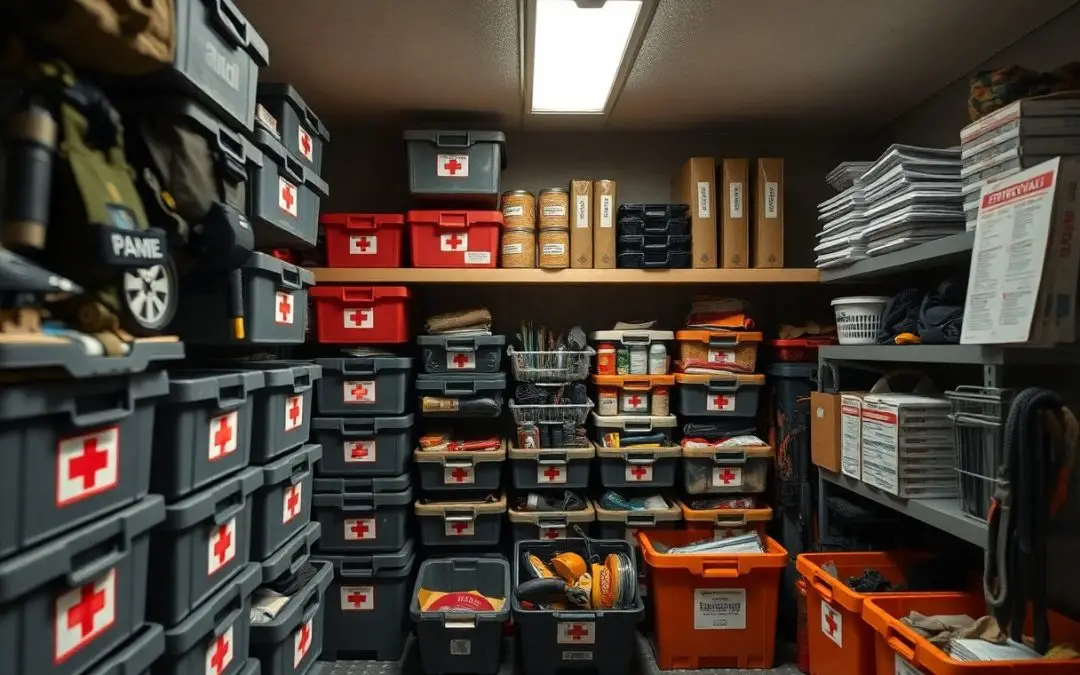
With the unpredictability of emergencies today, it’s important to be prepared with the right survival supplies that cater to real-world situations. This guide will equip you with vital knowledge about the best items to include in your emergency kit, ensuring your safety and well-being in unexpected circumstances. You’ll discover practical gear, food options, and tools designed specifically for various scenarios, helping you to navigate challenges effectively and confidently.
Essential Gear for Unforeseen Disasters
Preparedness for unexpected disasters requires gear that is reliable and versatile. Your survival kit should include items that not only serve multiple purposes but also enhance your chances of navigating various scenarios. Focusing on compact, durable equipment can provide you with the flexibility you need during critical moments, ensuring you can handle emergencies effectively without being overwhelmed by excess weight or complexity.
Multi-Functional Tools: More than Meets the Eye
Multi-functional tools are indispensable in any survival kit because they consolidate numerous functions into one device, minimizing space while maximizing utility. A good multi-tool might include pliers, screwdrivers, knives, and can openers, allowing you to adapt to changing circumstances efficiently. Opt for models with a sturdy build and features that cater to your specific survival needs, ensuring you have the right tool at hand when you need it most.
The Role of Portable Water Filters in Crisis Situations
Access to clean water can become a top priority during emergencies, and portable water filters play a vital role in ensuring your survival. These filters eliminate pathogens and contaminants, enabling you to convert unsafe water sources into safe drinking options. Investing in a high-performance filter can mean the difference between hydration and illness, particularly in prolonged crises when utilities may be compromised.
Portable water filters, such as gravity filters or personal straw filters, can purify hundreds of gallons of water, making them invaluable in emergencies. For instance, the Lifestraw can filter up to 1,000 liters of water, removing 99.99% of waterborne bacteria and parasites. Keeping a filter in your emergency supplies not only guarantees a safe water source but also significantly reduces the weight you carry compared to packing bottled water. In scenarios where access to clean water is limited, these filters empower you with the confidence to source hydration from natural resources, safeguarding your health and well-being during crises.
Nutrition on the Go: Emergency Food Supplies
Your emergency food supply needs to be both practical and nutritious, ensuring you can maintain energy and health during a crisis. Ready-to-eat meals, high-protein snacks, and freeze-dried foods are excellent options, providing convenience and longevity. Focus on products that require minimal preparation while being shelf-stable for extended periods. Stocking a variety of items can help prevent boredom and ensure balanced nutrition when you need it most.
Long-Lasting Options: What to Look For
Select emergency food supplies that boast a shelf life of at least 25 years, such as freeze-dried meals and dehydrated fruits. Look for packaging that is vacuum-sealed, which helps retain freshness and prevents spoilage. Check the ingredient list to avoid additives and choose options that are rich in proteins and vital vitamins to support your health in emergencies.
Caloric Density vs. Nutritional Value: Finding Balance
Balancing caloric density with nutritional value can significantly impact your preparedness. Foods high in calories may offer energy but lack vital nutrients, while those rich in vitamins are often lower in calories. Your goal is to find foods that provide both adequate energy and nutritional balance—these selections commonly include nuts, nut butters, whole grains, and high-quality protein sources.
A well-rounded emergency food supply should not only fuel your body but also offer the nutrients necessary for overall well-being. For instance, a high-calorie snack like trail mix provides energy-dense fats and carbohydrates, while foods such as quinoa and legumes contribute protein and fiber. Aim for a diverse inventory that incorporates carbohydrates, proteins, and fats to ensure that you can endure fatigue and maintain cognitive function during demanding situations. Prioritize balanced meals that can sustain you physically and mentally during emergencies, such as pre-packaged freeze-dried meals that include a variety of food groups.
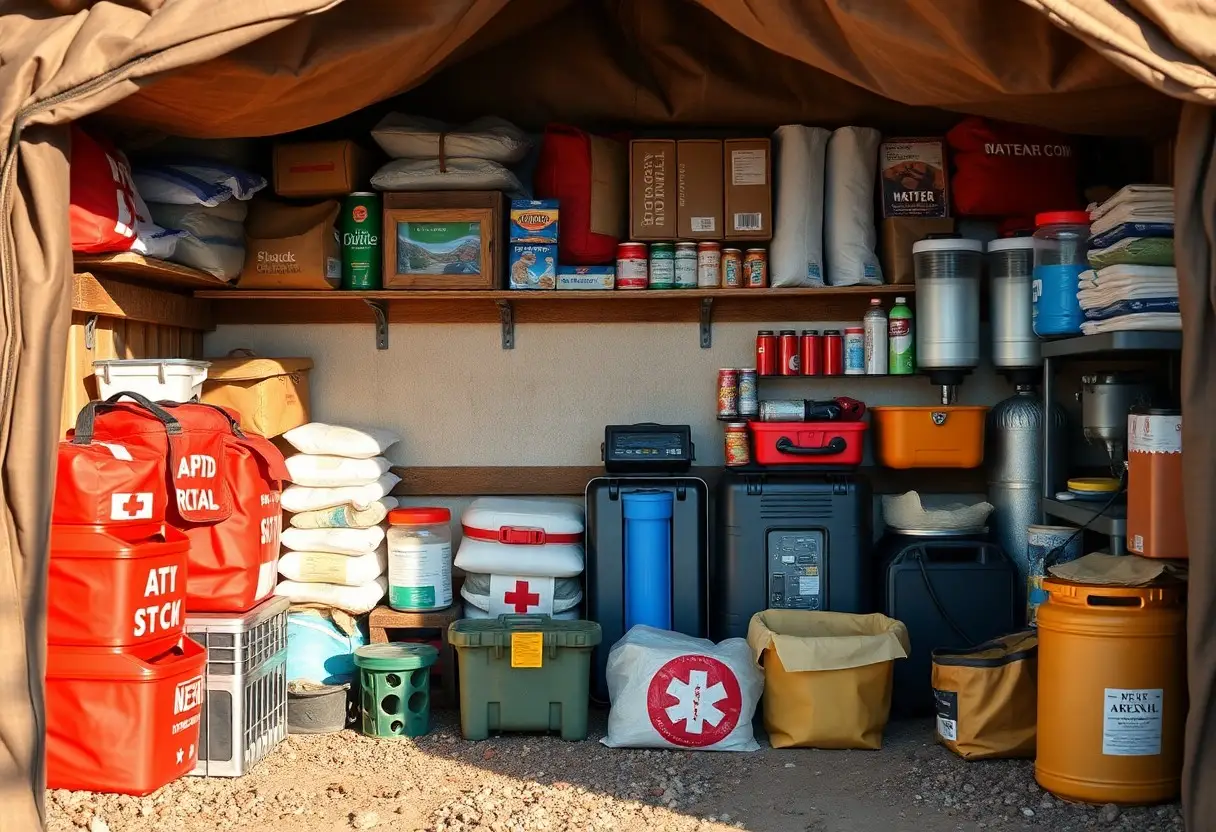
Shelter Solutions: Creating Safe Spaces
Effective shelter solutions must prioritize safety while also ensuring comfort during emergencies. The right shelter not only protects you from the elements but also provides a psychologically safe environment. From tarps to tents, having adaptable options allows you to create a temporary haven that caters to your specific needs, enhancing your survival experience in challenging situations.
Portable Structures: Lightweight and Versatile Options
Portable structures designed for emergencies must offer both lightweight properties and versatility for various environments. Options like pop-up tents or collapsible shelters can be assembled quickly, allowing you to adapt to changing weather conditions or sudden threats. These structures often come equipped with additional features like waterproof materials, built-in insulation, and UV protection, ensuring you remain sheltered and secure in any scenario.
Coziness vs. Safety: Striking a Balance in Design
Designing a shelter that balances coziness and safety is vital in fostering a reassuring environment during emergencies. Comfortable bedding, proper ventilation, and adequate insulation contribute to a more inviting space, while robust construction materials and secure anchoring systems ensure you remain protected from external dangers. Finding that equilibrium not only affects your physical well-being but also impacts your mental resilience during a crisis.
A well-designed emergency shelter can feature cozy elements, such as sleeping pads and warm blankets, while also incorporating robust safety measures like reinforced tarps and sturdy stakes. For example, a tent designed with double-walled construction can enhance warmth and reduce condensation, fostering a comfortable atmosphere while maintaining structural integrity against wind and rain. Evaluating practical material combinations and recognizing the importance of personal space can further enhance your experience, making an intimidating situation feel more manageable.

Expert Tips for Storing and Maintaining Supplies
- Store supplies in a cool, dry place.
- Check expiration dates regularly.
- Use airtight containers for food and medical supplies.
- Label items clearly for easy identification.
- Rotate supplies based on their shelf life.
Perceiving the importance of proper storage and maintenance ensures your emergency supplies are always ready for use.
Best Practices for Rotation and Shelf Life
Employing a first-in, first-out (FIFO) system enhances the longevity of your emergency supplies. Designate a specific area for newly acquired items, placing them behind older supplies to prioritize usage. Regularly inspecting items ensures you address any that are nearing expiration before they become unusable. This practice not only helps maintain a fresh stock but also minimizes waste, ensuring your emergency provisions remain viable when needed most.
Creating an Inventory Management System
An effective inventory management system is vital for keeping track of your emergency supplies. By cataloging items based on categories such as food, water, and medical supplies, you can quickly assess what you have and what needs replenishing. Utilizing a simple spreadsheet or mobile app provides real-time access to your supplies, streamlining oversight and ensuring nothing is overlooked during emergencies.
Incorporating barcodes or QR codes for each item can enhance this system, allowing for swift updates and tracking. Regular audits will help maintain accurate records, while digital tools can send alerts for nearing expiration dates. This proactive approach not only simplifies organization but ensures your supply cache remains reliable and effective during critical times.
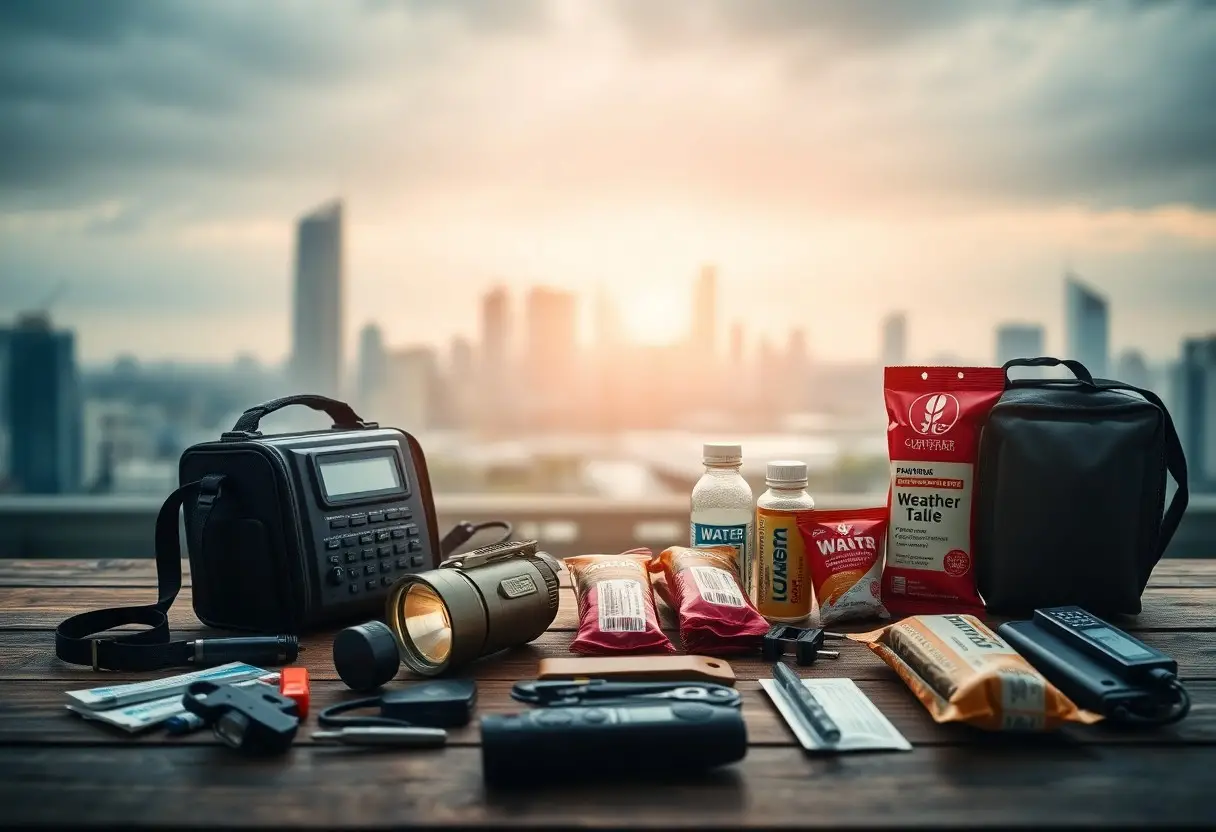
Psychological Preparedness: The Mindset of Survival
Your mental fortitude plays a vital role in navigating emergencies. Developing a survival mindset enables you to remain calm, focused, and proactive, even in the most challenging situations. By cultivating awareness of potential risks and embracing a proactive approach to your training, you can enhance your ability to respond effectively and make decisions under stress.
Stress Management Techniques in Emergencies
Utilizing stress management techniques can significantly enhance your performance during emergencies. Breathing exercises, visualization, and mindfulness are powerful tools that can help you stabilize your emotions and maintain clarity in high-pressure situations. Implementing these practices regularly prepares your mind to react calmly when faced with unexpected challenges.
Building Resilience: Training for High-Pressure Situations
Training for high-pressure situations develops resilience by teaching you how to respond effectively under stress. This includes simulated scenarios that mimic real-life emergencies, allowing you to practice decision-making, problem-solving, and teamwork in controlled environments. Fostering this resilience equips you with the mental agility needed to adapt and thrive when faced with actual crises.
Building resilience can be further bolstered through several effective methods. Engaging in physical training not only enhances your strength and endurance but also contributes to mental toughness. Participating in workshops that focus on scenario-based training encourages critical thinking and quick decision-making. Regularly assessing and reflecting on past experiences helps identify strengths and areas for improvement, ensuring you stay prepared and confident in your abilities to handle emergencies.
Conclusion
Presently, equipping yourself with survival supplies tailored for real-world emergencies enhances your readiness for unexpected situations. By investing in vital gear, you ensure that you and your loved ones can sustain yourselves during a crisis. Prioritizing quality and reliability in your supplies will empower you to face challenges with confidence. Your proactive approach to emergency preparedness will significantly contribute to your safety and resilience in the face of adversity.


