
You have the power to effectively prepare for the unexpected by carefully choosing the right survivalist gear for your go bag. Navigating through countless options can feel overwhelming, but this guide is designed to help you make informed decisions. From necessary tools and materials to practical features and considerations, you’ll learn how to tailor your gear to fit your unique needs and ensure you’re ready for any situation. Equip yourself with the knowledge to select the best items that will serve you well in times of uncertainty.
1. Assess your environment and potential survival scenarios.
2. Identify imperative categories: shelter, food, water, first-aid.
3. Research durable, lightweight tools and equipment options.
4. Prioritize multifunctional gear to save space and weight.
5. Test gear beforehand for reliability and comfort.
6. Regularly update and refresh your go bag contents.
Understanding Survivalist Gear
The world of survivalist gear is vast, encompassing a wide range of tools and equipment designed to help you navigate challenging environments. Selecting the right gear can mean the difference between life and death in an emergency situation. From multi-tools to first aid kits, understanding the purpose and functionality of each item is vital in preparing your go bag effectively.
Types of Survivalist Gear
You will encounter various types of survivalist gear, each serving a specific function in your preparedness efforts:
- Multi-tools
- Water filtration systems
- Fire starters
- First aid kits
- Navigation tools
The right combination of these tools will enhance your survival chances in any scenario.
Factors to Consider When Selecting Gear
To choose the best survival gear, you need to evaluate several key factors that will ensure optimal functionality and efficiency:
- Weight and portability
- Durability and weather resistance
- Ease of use
- Specialized features
- Cost-effectiveness
Assume that each of these factors plays a significant role in your overall preparedness strategy.
This evaluation process not only prepares you for emergencies but also helps manage your resources effectively. Each item should serve dual purposes where possible, adding functionality without adding unnecessary weight. Analysis of your specific environment will also influence gear selection. Consider the following:
- Your local climate
- Potential disaster scenarios
- Your personal skills
- The size of your group
- Legal restrictions on gear
Assume that tailoring your gear selection based on these elements will greatly enhance your preparedness level.
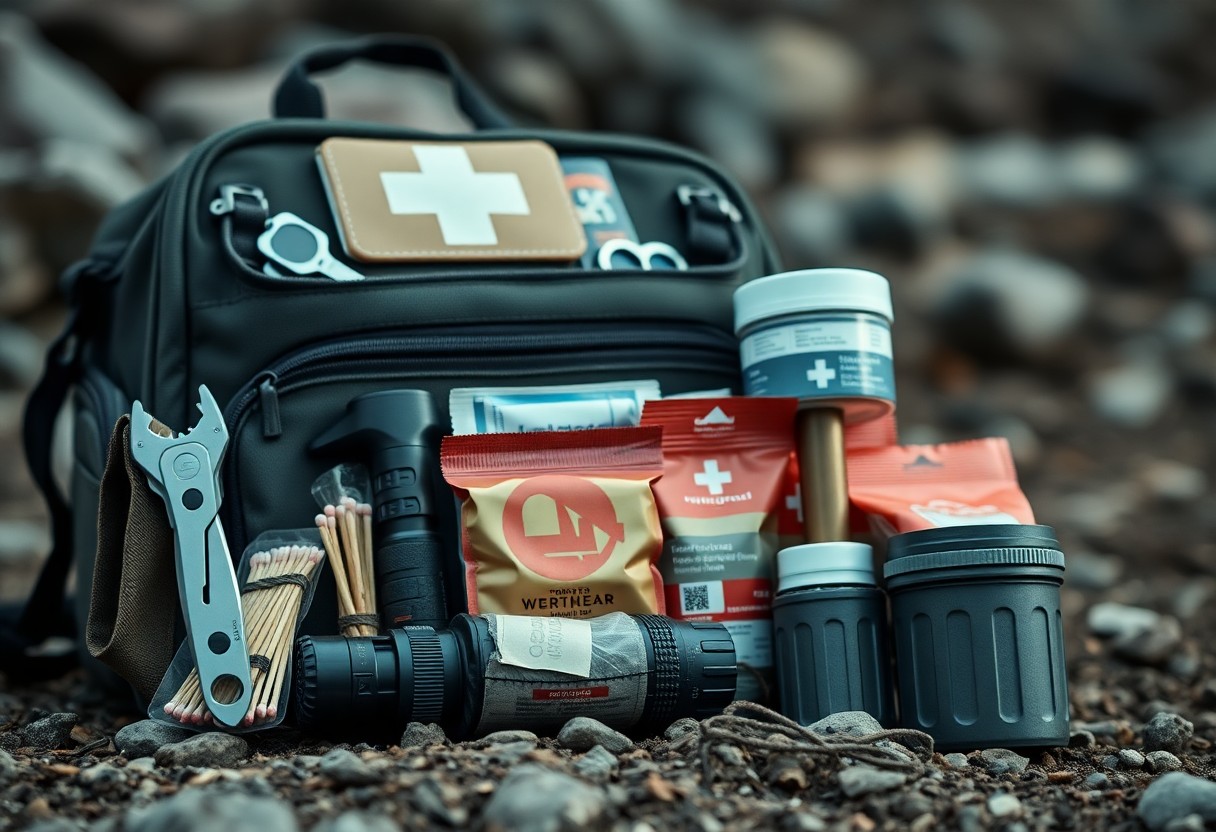
Essential Tools for Your Go Bag
If you want to be fully prepared for any emergency situation, ensuring that your go bag contains the right tools is paramount. Essential items like a multi-tool, fire starter, flashlight, and first aid kit provide the basics you need to ensure your survival. Additionally, a water purification system and durable rope can prove invaluable in various circumstances. Investing in high-quality gear will offer peace of mind when navigating unforeseen challenges.
Step-by-Step Guide to Building Your Go Bag
Your go bag should be customized to your specific needs and situations. Follow this structured approach to ensure you’re equipped with the right imperatives.
| Assess your needs | Determine the duration and type of emergencies you may face. |
| Select a durable bag | Choose a lightweight, weather-resistant bag with enough space for gear. |
| Include a first aid kit | Make sure it covers basic medical needs and personal prescriptions. |
| Gather imperative tools | Add multi-tools, fire starters, and flashlights for versatility. |
| Pack water supplies | Include water purification tablets or filters to ensure safe drinking water. |
| Incorporate food options | Choose non-perishable snacks like energy bars or dehydrated meals. |
| Store extra clothing | Pack warm layers, a rain poncho, and sturdy footwear. |
| Plan for communication | Add a whistle or signal mirror to alert rescuers if necessary. |
| Review and update | Regularly check the contents and replace expired items. |
Pros and Cons of Popular Survivalist Tools
Even with numerous survivalist tools available, it’s vital to weigh their advantages and disadvantages. This will help you select the best gear for your go bag based on your unique needs.
| Multi-tool | Pro: Versatile; Con: Can be heavy. |
| Fire starter | Pro: Easy to use; Con: May malfunction in wet conditions. |
| Flashlight | Pro: Provides illumination; Con: Requires batteries. |
| First aid kit | Pro: Vital for emergencies; Con: Can become outdated. |
| Water purification tablets | Pro: Lightweight; Con: Limited shelf life. |
| Rope | Pro: High tensile strength; Con: Bulky. |
| Emergency blanket | Pro: Lightweight; Con: Not very durable. |
| Portable stove | Pro: Allows for cooking; Con: Requires fuel. |
| Signal mirror | Pro: Effective for long distances; Con: Requires sunlight. |
| Pocket compass | Pro: Helps with navigation; Con: Needs practice to use accurately. |
Another important aspect of selecting the right survivalist tools is understanding their limitations and appropriate uses. An effective multi-tool offers versatility, but its bulk can be a drawback if you’re prioritizing lightweight gear. Similarly, a fire starter is imperative, yet its effectiveness is compromised in adverse weather. Being aware of potential issues can help you make better choices suited to your environment and preparation level.
Tips for Maintaining Your Gear
Keep your survivalist gear in prime condition by implementing regular maintenance practices. This not only extends the life of your equipment but also ensures that you’re ready for any situation. Here are a few tips:
- Inspect gear before and after use.
- Clean and dry items after exposure to moisture.
- Replace worn parts promptly.
- Store items in a climate-controlled environment.
The key is consistency in maintaining your gear.
Regular Maintenance Practices
Tips for maintaining your gear include creating a schedule for inspections and cleanings. Regularly check the functionality of your tools and equipment, giving special attention to any items that experience heavy use. A simple checklist can keep you organized, ensuring that nothing is overlooked. Taking care of your gear now will pay off in the long run, especially when you depend on it during an emergency.
Upgrading Gear Over Time
Little by little, as technology improves and your needs evolve, you should consider upgrading your gear. Evaluating your equipment for effectiveness and efficiency can enhance your preparedness.
To effectively upgrade your gear over time, assess your current inventory and identify gaps in functionality or durability. As you gain experience and insight into what works best for your survival needs, invest in higher quality or more specialized items. Additionally, keep an eye out for new advancements or products that could offer enhanced features, ensuring your go bag remains relevant and effective for the challenges you may face.
Conclusion
Ultimately, selecting the right tools for your go bag is crucial for your preparedness and peace of mind in uncertain situations. As you evaluate your options, consider both the functionality and durability of each piece of gear. Tailor your choices to your unique needs, environment, and potential scenarios you might face. With a well-curated selection of survivalist gear, you can equip yourself with the confidence to navigate any challenge that arises.


