
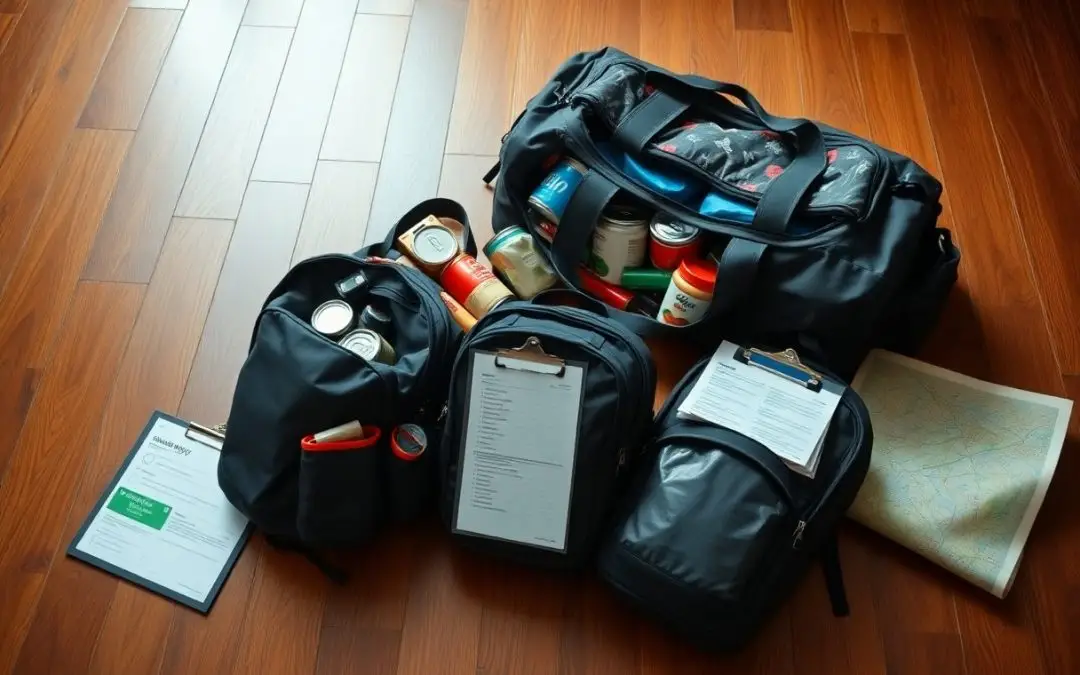
You can rely on trusted go bag kits that include water, food, first aid, shelter, communication tools, and copies of documents; assess family needs, verify contents and expirations, and pick proven brands to ensure readiness during emergencies.
Core Survival Essentials
Pack a compact kit with multi-use tools, shelter, warmth, first aid, and lighting so you can respond immediately to displacement, power loss, or evacuation.
Potable Water and Filtration Solutions
Store at least one gallon per person per day and include portable filters, purification tablets, and a collapsible container so you can secure safe drinking water when local supplies fail.
High-Calorie, Shelf-Stable Nutrition
Choose calorie-dense, shelf-stable options-MREs, calorie bars, nut butters, and powdered meals-that withstand heat and long storage so you maintain energy during extended situations.
Rotate your rations every six months, test-prep a few meals, and pack a balance of fats, proteins, and carbs so you and family avoid appetite fatigue and sustain high activity.
Medical and Hygiene Preparedness
Medical supplies and hygiene items ensure you can treat injuries and maintain cleanliness during disruptions; include prescriptions, over-the-counter medicines, face masks, gloves, and a small toolkit tailored to your family’s needs.
Comprehensive First Aid Supplies
Assemble a first aid kit that covers cuts, burns, fractures and allergic reactions; include bandages, antiseptic wipes, sterile gauze, adhesive tape, tweezers, a tourniquet, pain relievers, antihistamines, and clear instructions for you to follow.
Sanitation and Personal Hygiene Kits
Pack sanitation and hygiene kits with soap, hand sanitizer, wet wipes, toothbrushes, toothpaste, feminine products, diapers, and clean towels so you can maintain health and comfort during extended outages.
Consider storing hygiene items in waterproof pouches, rotating supplies before expiration, packing extra menstrual and infant items, and including sealable disposal bags so you can manage waste and hygiene when services are limited.
Critical Tools and Navigation
Your go bag should include paper maps, a compass, and a GPS device, along with spare batteries and a signaling whistle. You should also pack a small repair kit and paracord for quick fixes.
Multi-functional Tools and Lighting
Pack a multi-tool, folding knife, and compact pry bar; include a headlamp, spare bulbs, and a high-lumen flashlight with extra batteries so you can work hands-free and see clearly after dark.
Emergency Communication and Power
Keep a battery-powered NOAA radio, extra power banks, a compact solar charger, and printed emergency contacts so you can stay informed and keep phones and GPS devices charged during outages.
Consider rotating batteries and testing radios monthly, labeling power banks, and carrying multiple charging options including a hand-crank radio or USB solar panel so you can maintain communications when grid power and cell service fail.
Family-Specific Customization
You should tailor each go bag to household roles, assigning items by person and keeping duplicate necessarys for flexibility; label kits and rehearse grab-and-go routines so everyone can access what they need quickly.
Supplies for Infants and Children
Pack measured formula, three days of diapers, spare clothing, sterile feeding supplies, pacifiers, and copies of medical and allergy information so caregivers can feed and treat your child without delay.
Pet Survival Requirements
Ensure your pet kit includes at least seven days of food, a collapsible bowl, leash, carrier, medications with dosing instructions, vaccination records, and a recent photo for identification.
Consider adding a pet first-aid kit, comfort blanket, calming aids, extra water, and portable litter; list local pet-friendly shelters and emergency contacts, store microchip and license details, rotate food and meds regularly, and practice carrier-loading so your animal remains calmer during an evacuation.
Essential Documentation and Financial Backup
Documentation: pack originals or certified copies of IDs, birth certificates, insurance policies, medical records and wills, plus encrypted digital backups on a secure cloud or USB so you and family can access them during an evacuation.
Secure Storage of Personal Records
Store originals in waterproof, fireproof envelopes and keep scanned copies encrypted; share access with a trusted contact so you can retrieve records if separated.
Emergency Cash and Identification
Keep small bills in multiple pockets, a hidden pouch, and a laminated ID copy; include emergency contact numbers and a brief account summary so you can access help if cards are lost.
Consider storing one bank card on a backup keycard and rotating cash monthly; keep photocopies of passports in separate locations and update account access details so you can avoid delays during identification checks.
Maintenance and Readiness Protocols
Maintenance ensures your go bag stays usable: inspect gear monthly, replace expired items, test batteries, and refresh consumables. You should log changes, update family contact cards, and keep a concise checklist inside to speed grabs under stress.
Seasonal Inventory Rotation
Rotate seasonal items quarterly: swap cold-weather gear for lightweight layers, refresh sunscreen and insect repellent, and adjust food choices for temperature. You should note expiration dates and store used replacements back in the bag so readiness stays current.
Deployment Drills and Accessibility
Practice deployment drills with your family twice a year to cut response time and confirm everyone knows bag locations and roles. You should rehearse grabbing the bag, locking doors, and exiting quickly from different scenarios.
Include timed drills that simulate low-light, blocked exits, and carrying children or pets so you can test accessibility under pressure. You should practice accessing bags from different storage spots, one-handed packing, and rapid inventory checks. Use a simple scoring sheet to track progress and address recurring delays during debriefs.
Final Words
With these considerations you can choose a trusted go bag kit that matches your family’s needs and your personal risks, ensuring supplies, communication tools, and clear plans are ready so you respond quickly and confidently in emergencies.


