
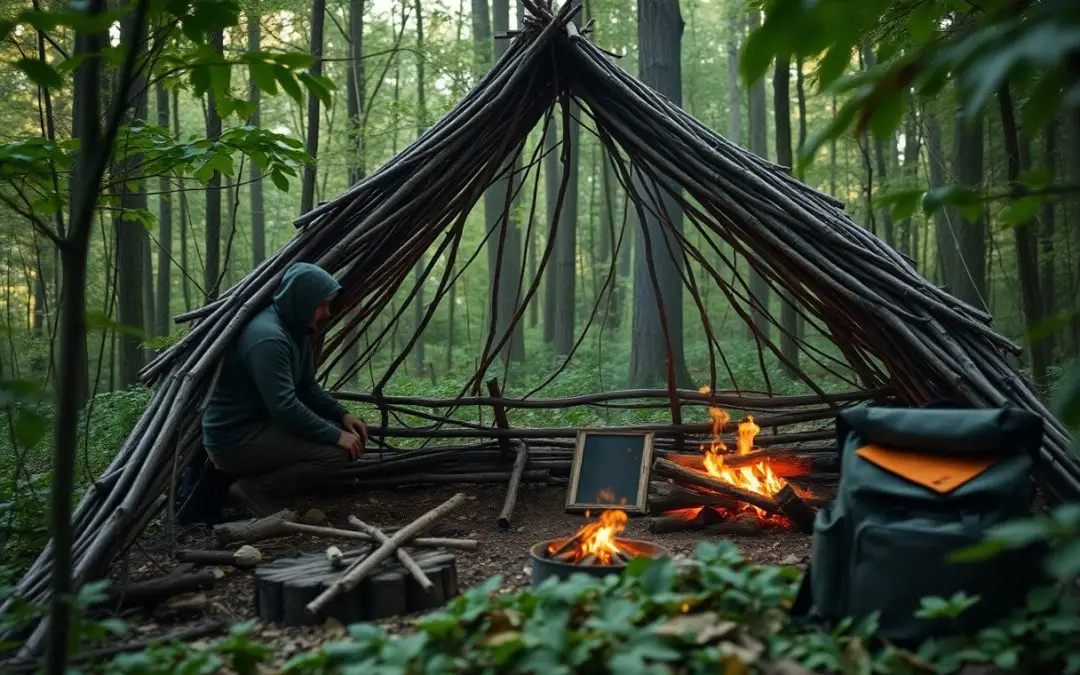
With the increasing unpredictability of modern life, learning wilderness skills can significantly enhance your ability to navigate unexpected situations. By observing nature and its inherent systems, you can acquire valuable techniques for survival that remain relevant today. This blog post will guide you through crucial skills that not only foster self-reliance but also connect you more deeply with the natural world. Embrace these lessons to ensure you are prepared for whatever challenges lie ahead.
Understanding Wilderness Skills
Wilderness skills are an crucial toolkit for navigating unpredictable environments, blending traditional knowledge with modern needs. These skills empower you to adapt, improvise, and thrive, turning the wild into a resource rather than a challenge. By mastering crucial abilities, you ensure your survival and cultivate a deeper connection with nature, enriching your outdoor experiences.
The Importance of Nature in Survival
Your understanding of nature is foundational to survival. Observing wildlife behaviors, weather patterns, and plant life equips you with insights that can guide your decision-making in survival situations. Each element of the ecosystem teaches you valuable lessons, reinforcing the idea that familiarity with your surroundings enhances your chances of resilience.
Essential Skills for Modern Survivalists
Developing practical wilderness skills paves the way for effective survival in diverse scenarios. Key skills include shelter building, water purification, foraging, and fire-making. Each skill not only prepares you for potential emergencies but also fosters self-reliance and confidence in your ability to navigate various challenges.
Building a shelter can be achieved in multiple ways, whether using natural materials or improvised items. Knowing how to identify potable water sources and purifying them can make a life-or-death difference. Foraging extends beyond basic plant identification; it involves understanding seasonal availability and the nutritional values of edible species. Fire-making techniques, from bow drills to flint and steel, can be applied in various conditions, making you resourceful in both wilderness and urban survival scenarios. Mastering these crucial skills transforms your approach to any outdoor adventure, grounding you in self-sufficiency and awareness.

Foraging and Food Preservation
Foraging offers an invaluable opportunity to connect with nature while sourcing nutritious food. Understanding the landscape around you helps identify edible plants, berries, and fungi that can supplement your diet. This skill not only fosters independence from commercial food sources but also cultivates an appreciation for local ecosystems. Additionally, mastering food preservation techniques ensures that your foraged bounty lasts, enabling you to thrive even when resources are scarce.
Identifying Edible Plants
Spotting edible plants demands keen observation and knowledge of your environment. Familiarize yourself with key species like dandelion, chickweed, and wild garlic, which are often overlooked yet abundant in urban settings. Use field guides or apps for assistance and consider joining local foraging groups to enhance your skills. Always conduct a taste test with caution—start with a small sample to ensure your safety.
Techniques for Food Preservation
Effective food preservation techniques are vital for extending the shelf life of your foraged finds. Methods such as drying, pickling, and fermenting allow you to store food without refrigeration. Drying removes moisture that causes spoilage, while pickling uses vinegar to create an acidic environment that inhibits bacterial growth. Fermentation not only preserves food but also enhances its nutritional value by fostering beneficial microorganisms.
Among these techniques, drying is particularly popular for herbs and fruits, allowing you to capture their flavors for future use. Use a dehydrator or an oven set to low temperatures to maintain potency. Pickling can involve a quick method by submerging vegetables in a vinegar solution for a few days before consuming. Fermented foods, such as sauerkraut or kimchi, can be stored for months and provide probiotics vital for gut health. Each method enriches your pantry while ensuring you utilize every part of your harvest effectively.
Shelter Building
Constructing an effective shelter is important for survival in the wilderness, providing protection from the elements and securing your well-being. When building your shelter, consider factors like location, available materials, and the climate you’re facing. A well-designed shelter not only offers safety but also enhances your chances of enduring challenges and staying comfortable during your time in the wild.
Natural Materials for Shelter
You can utilize various natural materials to construct your shelter, such as branches, leaves, and grasses. For a basic structure, fallen logs or sturdy branches provide a solid frame, while thick foliage insulates against temperature changes. Understanding local vegetation, like pine needles or ferns, can also help you find the best insulating materials. The key is to ensure your shelter is durable and adaptable to the conditions around you.
Designing Your Shelter for Different Environments
Your shelter design must adapt to the specific environment you find yourself in, whether it’s a wet forest, arid desert, or snowy landscape. In a forest, a lean-to might work best, while in open spaces, a dome shape could offer better wind resistance. Each environment presents distinct challenges; the angles of your roof, the height of your walls, and even the orientation can dramatically affect your comfort and safety.
In a wet forest, prioritizing a waterproof covering is important, such as a sloped roof to allow rain to run off. In sandy deserts, a windbreak and shade provide relief from harsh sun exposure. In snow, you need a strong, insulated structure that can support additional weight while maintaining warmth. Evaluate factors like wind direction and sunlight exposure to maximize your shelter’s effectiveness, ensuring it remains a refuge during unpredictable weather. Adaptability to your surroundings is vital for long-term survival, allowing you to thrive rather than just endure the elements.
Fire Making Techniques
Fire serves as an necessary element for warmth, cooking, and signaling for help. Mastering fire-making techniques not only increases your chances of survival but also enhances your overall outdoor experience. Whether you find yourself in a survival situation or simply wish to enjoy a campfire, understanding various methods will equip you to create and maintain a fire under diverse conditions.
Traditional and Modern Methods
Traditional fire-making methods, like using a bow drill or flint and steel, require patience and practice, often relying on natural materials. In contrast, modern methods include magnesium fire starters and waterproof matches, simplifying the process and making it more accessible. Each technique has its advantages; choosing the right one depends on your environment and available resources.
Safety and Fire Management
Managing fire safely is paramount to prevent uncontrollable wildfires. Responsible fire management includes creating a clear perimeter to contain flames, using designated fire rings, and ensuring water is readily available to extinguish the fire completely. Always monitor changing weather conditions, as wind can rapidly spread embers, transforming a controlled fire into a hazard.
Implementing fire management practices protects both you and the environment. Always keep your fire small and manageable, ensuring it doesn’t exceed the size necessary for your needs. Before igniting a fire, scout the area for flammable materials and maintain a safe distance from structures or vegetation. Extinguish your fire by dousing it with water, stirring the ashes, and feeling for residual heat, ensuring it is completely out before leaving the site. Adhering to these guidelines minimizes risks and promotes responsible outdoor ethics.
Water Sourcing and Purification
Every survival scenario hinges on your ability to find and purify water. In the wild, your body can only survive a few days without hydration, making water sourcing a top priority. Identifying natural water sources requires keen observation; look for animal tracks, signs of greenery, or listen for the sound of flowing water. Streams, rivers, and lakes are the most obvious choices, but you can also gather rainwater or collect morning dew for hydration if needed.
Locating Water Sources in the Wild
To find water in the wilderness, check low-lying areas and valley floors where water naturally accumulates. Follow animal trails leading downhill, as wildlife will often seek out fresh water. In dense forests, look for moss on trees, which tends to grow on the side that receives more moisture, indicating nearby sources. Additionally, digging in sandy riverbanks may yield underground water.
Methods for Purifying Water
Purifying water is necessary to avoid illness from contaminants. Boiling water for at least one minute effectively kills pathogens, making it safe to drink. Portable water filters and purification tablets offer additional options for filtration. In emergency scenarios, ultraviolet light from your cell phone can be utilized to disinfest small quantities of water, although its effectiveness varies with water clarity. Recall, securing clean water is paramount in any survival situation.
Boiling is the most reliable method, as it kills viruses, bacteria, and parasites, making it suitable for most scenarios. For faster purification, filters that remove particulates can facilitate safe drinking. Activated carbon filters can enhance taste and eliminate certain chemicals, while iodine tablets are lightweight and effective against bacteria and viruses when used as directed. Understanding the risks of untreated water and employing these methods can mean the difference between health and illness in the wild.
Navigating the Wilderness
Mastering navigation in the wilderness enhances your confidence and safety. Understanding various methods, from traditional to modern techniques, allows you to assess your surroundings and make informed decisions while exploring the great outdoors.
Using Natural Landmarks
Familiarity with natural landmarks can significantly aid navigation. Mountains, rivers, and unique rock formations act as reference points that help you orient yourself. By observing the sun’s position or the direction of prevailing winds, you can gauge your location and determine the best route to your destination.
The Role of Technology in Navigation
Modern technology offers unparalleled support for navigation, yet it should complement rather than replace traditional skills. GPS devices and smartphone applications can provide real-time data and precise locations, making navigation in unfamiliar territories more manageable.
Advanced GPS systems can display topographical maps and terrain features, while apps often include offline capabilities, ensuring access even in remote areas without signal. By setting waypoints and tracking routes digitally, you can enhance your navigation with more precise information. However, understanding how to use these tools effectively—knowing when to rely on them and recognizing their limitations—remains imperative for effective wilderness navigation.
Final Words
With these considerations, you can harness the timeless lessons from nature to enhance your wilderness skills for modern survival. By integrating traditional practices with contemporary knowledge, you empower yourself to navigate challenges effectively. Embracing these insights will enrich your experience in the wild, fostering resilience and self-sufficiency. As you apply these skills, you not only enhance your survival capabilities but also deepen your connection with the natural world, ensuring that you are prepared for whatever circumstances arise.


