
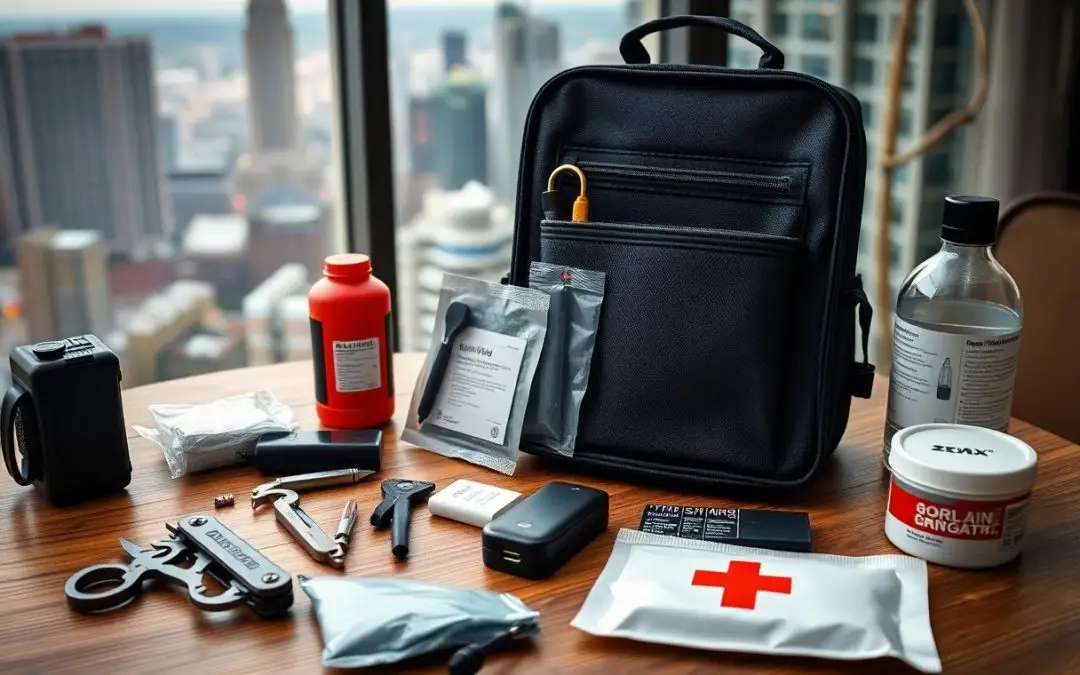
Just as you prepare for the unexpected in life, understanding your role in readiness, safety, and self-reliance is vital. This guide will provide you with the knowledge and tools needed to enhance your personal preparedness, ensuring you are well-equipped to handle challenges effectively. By adopting proactive strategies and fostering a mindset of self-reliance, you can confidently navigate any situation that arises, empowering yourself and your community.

Your Safety Foundation: Building Blocks of Emergency Preparedness
Establishing a robust foundation for emergency preparedness involves understanding the building blocks that enhance your readiness. Each component, from vital supplies to a well-structured plan, plays a critical role in ensuring your safety during unforeseen events. Focusing on practical steps will empower you to create a comprehensive approach that not only safeguards you but also promotes resilience within your community.
Essential Supplies for Every Home
Key supplies form the backbone of your emergency readiness. Stock your home with vitals such as non-perishable food, water (one gallon per person per day for at least three days), a flashlight with extra batteries, a first aid kit, and a battery-operated radio. Additionally, consider including personal hygiene items, necessary medications, and important documents stored in a waterproof container to enhance your preparedness.
Creating a Family Emergency Plan
A family emergency plan allows everyone in your household to know what to do in various situations, reducing chaos during an emergency. Assign roles and establish communication methods, including safe meeting points and emergency contact numbers. Practice the plan regularly to ensure each family member is comfortable with their responsibilities and understands the steps to follow during disasters.
Outline specific scenarios in your family emergency plan, such as natural disasters, fires, or medical emergencies. Designate a trusted family friend or relative outside your immediate area as your point of contact to streamline communications. Conduct regular drills to familiarize everyone with the plan, and adapt it based on changing circumstances, ensuring it evolves with your family’s needs and the potential threats you may face. Engage your family in the planning process, so everyone feels involved and prepared.
Cultivating a Self-Reliance Mindset: Empowering Yourself for Uncertainty
Adopting a self-reliance mindset empowers you to navigate uncertainty effectively. This involves recognizing your ability to handle challenges, fostering adaptability, and embracing continuous learning. You cultivate resilience by developing confidence in your ability to solve problems and overcome obstacles, ensuring you are prepared for unexpected situations. Emphasizing self-sufficiency creates a profound sense of security and independence, allowing you to take proactive measures in any scenario.
Skills Every Individual Should Master
Essential skills include basic first aid, financial literacy, and home maintenance. Mastering first aid enables you to respond effectively in emergencies, potentially saving lives. Financial literacy equips you with the knowledge to manage resources wisely, helping you prepare for any economic shifts. Home maintenance skills grant you the ability to troubleshoot issues around your space, ensuring your living environment remains safe and functional.
The Role of Community in Building Resilience
A supportive community amplifies your resilience by providing resources, knowledge, and emotional strength. Engaging with like-minded individuals fosters collaboration, expanding your skill sets while reinforcing mutual support during challenging times.
Your community acts as a safety net, offering both practical assistance and shared experiences that enhance your preparedness. Local networks, including neighbors and community groups, serve as invaluable resources for skill exchanges, whether it’s organizing workshops on gardening, cooking, or emergency response. Connections established through these interactions create a sense of belonging and security, which can be especially comforting in times of crisis. Engaging actively with your community strengthens the collective ability to adapt and thrive, reinforcing the idea that self-reliance isn’t solely an individual pursuit but a shared journey towards resilience.

Leveraging Technology for Readiness: Tools and Resources
Technology offers an array of tools that enhance your readiness for emergencies. From apps designed for crisis management to innovative gadgets that ensure safety, leveraging these resources can significantly increase your ability to respond to unpredictable situations effectively. Utilizing digital platforms to streamline your preparedness efforts fosters an adaptable mindset, equipping you for whatever challenges arise.
Apps and Gadgets for Emergency Planning
Numerous apps can streamline your emergency planning, providing features like checklists, real-time alerts, and location tracking. For example, the FEMA app notifies you about severe weather in your area, while emergency kits come with GPS-enabled gadgets that help locate missing persons or signal for help. Integrating such tools into your preparedness strategy can make a significant difference when time is of the essence.
Online Communities for Knowledge Sharing and Support
Joining online communities focused on preparedness allows you to share experiences and learn from others facing similar challenges. These platforms host discussions on various topics, from first aid to survival strategies, fostering a supportive environment where knowledge is freely exchanged. Connecting with fellow enthusiasts can inspire you to enhance your own preparedness efforts.
Online communities serve as valuable resources where you can access a wealth of shared knowledge. For instance, platforms like Reddit’s r/preppers or Facebook groups dedicated to emergency preparedness allow you to engage with individuals who have practical experience. You can learn about the best practices from real-life scenarios or receive recommendations for specific tools. This collaborative atmosphere not only keeps you informed but also motivates you to stay proactive in your readiness planning, contributing to a collective effort in community resilience.
Beyond Supplies: Mental Preparedness in Crisis Situations
Physical supplies are only part of the equation in crisis situations; your mental preparedness can significantly impact your response and survival. Developing mental resilience involves training your mind to remain calm and focused under pressure. Techniques such as visualization, mindfulness, and scenario planning help you envision various outcomes and prepare emotionally. Fostering a proactive mindset positions you to tackle challenges effectively, turning uncertainty into a tactical advantage.
Strategies for Managing Stress and Anxiety
Managing stress and anxiety during a crisis is important for clear thinking. Techniques such as deep breathing, grounding exercises, and positive affirmations can help you maintain composure. Creating a pre-determined action plan allows you to focus on tangible steps rather than overwhelming emotions. Engaging in regular physical activity and maintaining social connections can further bolster your mental health, ensuring you remain grounded when faced with adversity.
Decision-Making Under Pressure: Techniques for Clarity
Effective decision-making during a crisis hinges on your ability to think clearly despite external chaos. Establishing a set of guiding principles can streamline your decision-making process, allowing you to evaluate options without succumbing to fear. Techniques like the OODA loop—Observe, Orient, Decide, and Act—enable you to assess situations swiftly. Practicing these techniques in low-stakes scenarios enhances your ability to respond decisively when it matters most.
The OODA loop emphasizes a structured approach: first, observe your surroundings to gather critical data, then orient yourself by analyzing that information alongside your knowledge and experience. Deciding swiftly comes next; weigh your options against your principles and make your choice. Finally, act on your decision and continuously monitor results, which enables you to adapt quickly. Regularly practicing this cycle in everyday situations builds the mental muscle required for high-pressure decision-making, ultimately enhancing your resilience in real crisis situations.

Real-Life Inspirations: Stories of Resilience and Preparedness
Exploring stories of resilience reveals how individuals overcome adversity through preparedness and grit. Across various scenarios, whether battling natural disasters or personal crises, these narratives inspire a mindset focused on not just surviving but thriving in challenging conditions. Emulating these examples can empower your own readiness strategies, showing that preparation truly builds resilience.
Profiles of Individuals Who Thrived in Adversity
Profiles of individuals who thrived amidst adversity highlight the remarkable strength and resourcefulness people can possess. For instance, during Hurricane Katrina, locals transformed their community by organizing shelters and resources, showcasing how quick thinking and collaboration can turn dire situations into opportunities for collective survival and growth. Such accounts underscore the power of preparedness and proactive community action.
Lessons Learned from Major Crises and Disasters
Major crises and disasters provide valuable lessons in preparation, adaptability, and community support. Events like 9/11 and more recent pandemics reveal patterns in how societies respond under pressure, emphasizing the necessity of clear communication, pre-established emergency plans, and continuous training. Reviewing these instances can significantly enhance your personal or community preparedness strategies, ensuring a more effective response when challenges arise.
Analyzing the lessons from major crises and disasters convicts that many failures stem from lack of readiness rather than the disasters themselves. For example, after the 2011 Fukushima disaster, countries worldwide recognized the importance of rigorous disaster drills and transparent communication networks. Those who emerged stronger often had contingencies in place, emphasizing how advanced planning and resilience can make a tangible difference in outcomes during crises. By studying these experiences, you can refine your approach to preparedness, making it more proactive and community-focused.
Final Words
The partnership you forge in readiness, safety, and self-reliance empowers you to face challenges with confidence. By prioritizing preparation and proactive measures, you enhance your ability to safeguard yourself and your loved ones. Embracing a mindset of resilience allows you to navigate uncertainty with assurance, ensuring that you are equipped to handle any situation that arises. Trust in your capacity to take charge, fostering an environment where safety and self-sufficiency thrive. Your commitment to these principles not only protects you but also inspires those around you.


